Quick Answer: If your refrigerator is making a knocking noise, the most common causes include a loose condenser fan, an unlevel refrigerator, compressor vibration, an ice maker cycle, a loose drain pan, or refrigerant expansion. Start by identifying where the sound is coming from, then inspect the refrigerator’s leveling, fans, and rear components. Most knocking noises are harmless and can be fixed without replacing the refrigerator.
A refrigerator should make some noise during normal operation, but a repeated knocking sound can quickly become frustrating and concerning. Whether the noise occurs every few minutes, after the compressor starts, during the defrost cycle, or only at night, it often leaves homeowners wondering if an expensive repair is just around the corner.
The good news is that many knocking noises are caused by simple issues that you can diagnose and fix yourself. In many cases, the solution is as easy as leveling the refrigerator, tightening a loose component, cleaning a fan, or repositioning a drain pan.
This guide walks you through everything you need to know about fixing a refrigerator knocking noise. You’ll learn how to tell the difference between normal operating sounds and warning signs of a mechanical problem, discover the most common causes, and follow practical troubleshooting steps before spending money on professional repairs.
Whether you live in the United States, Canada, the United Kingdom, or Australia, these troubleshooting methods apply to most modern refrigerators, including top-freezer, bottom-freezer, French door, side-by-side, and smart refrigerator models.
Is a Knocking Noise From a Refrigerator Normal?
Not every knocking sound indicates a serious problem. Modern refrigerators constantly cycle through cooling, defrosting, and ice-making processes, which naturally produce different sounds throughout the day.
Normal Refrigerator Noises
These sounds are generally considered normal:
- Soft clicking when the compressor starts or stops
- Gentle popping caused by refrigerant expansion
- Ice dropping into the ice bin
- Light tapping during automatic defrost
- Low humming while the compressor is running
- Water flowing to the ice maker
These sounds usually occur briefly and do not affect cooling performance.
Abnormal Knocking Noises
A knocking noise deserves attention if it:
- Becomes louder over time
- Happens continuously
- Causes vibration throughout the refrigerator
- Is accompanied by poor cooling
- Comes with burning smells
- Appears after moving the refrigerator
- Occurs every few seconds for extended periods
Persistent knocking often points to a loose part, worn fan, compressor vibration, or installation issue.
Refrigerator Knocking vs. Banging vs. Clicking: What Each Sound Means
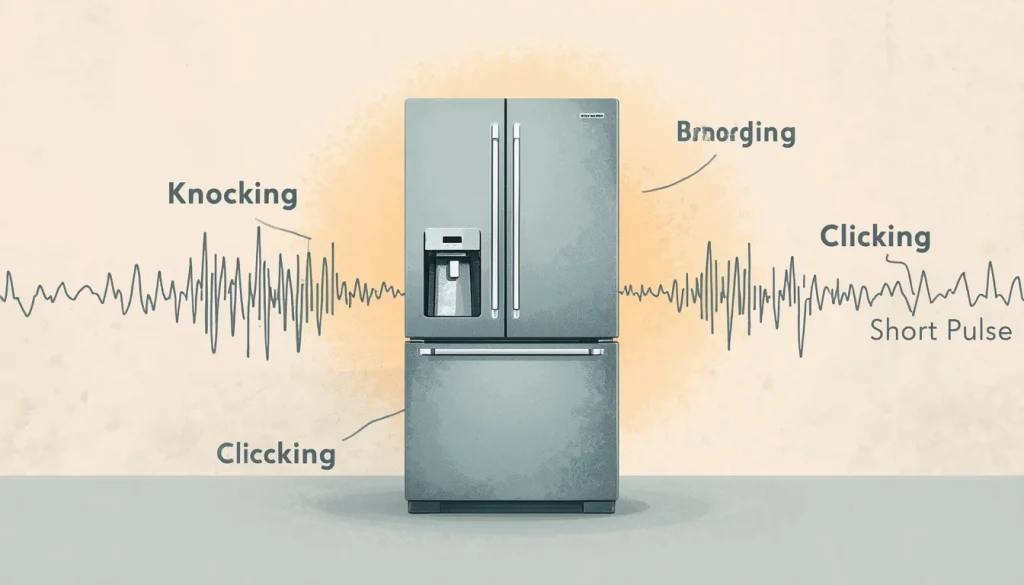
Many homeowners describe refrigerator noises differently. Understanding the sound can help you identify the correct source more quickly.
| Sound | Most Likely Cause | Serious? |
|---|---|---|
| Knocking | Loose fan, compressor vibration, drain pan | Usually No |
| Banging | Refrigerator not level or loose compressor mounts | Sometimes |
| Clicking | Compressor relay or thermostat | Usually Normal |
| Buzzing | Condenser fan or compressor | Usually Normal |
| Popping | Refrigerant expansion | Normal |
| Thumping | Ice maker or loose internal parts | Usually Minor |
| Tapping | Defrost cycle or water valve | Normal in most cases |
Identifying the exact sound can save time during troubleshooting.
What Does a Refrigerator Knocking Noise Sound Like?
People often describe refrigerator knocking differently. It may sound like:
- A repetitive “knock… knock… knock”
- A dull thump from behind the refrigerator
- A light hammering noise
- A wooden tapping sound
- A metal-on-metal knock
- A loud bang when the compressor starts
- A rhythmic knocking every few minutes
The timing and location of the sound often provide the biggest clue about its cause.
Before You Start: Safety Precautions
Before inspecting your refrigerator, take a few minutes to work safely.
- Unplug the refrigerator before removing any panels.
- Allow the compressor to cool before touching it.
- Wear protective gloves to avoid sharp metal edges.
- Keep water away from electrical components.
- Never force moving parts while the appliance is connected to power.
- If you notice sparks, smoke, or a burning odor, stop troubleshooting immediately and contact a qualified appliance technician.
These simple precautions reduce the risk of injury and prevent accidental damage to the refrigerator.
12 Common Causes of Refrigerator Knocking Noise
The following are the most common reasons a refrigerator develops a knocking sound. Start with the easiest inspections before assuming a major component has failed.
1. Loose Compressor Mounts
Why It Happens
The compressor is mounted on rubber supports designed to absorb vibration. Over time, these mounts can wear out or loosen, allowing the compressor to move more than it should.
As the compressor starts or stops, it may strike nearby metal components, producing a noticeable knocking sound.

Common Symptoms
- Knocking from the back of the refrigerator
- Noise when the compressor starts
- Loud knock after cooling cycles
- Slight vibration across the cabinet
How to Fix It
- Unplug the refrigerator.
- Pull it away from the wall.
- Locate the compressor near the bottom rear.
- Inspect the rubber mounting grommets.
- Tighten loose mounting hardware.
- Replace damaged rubber mounts if necessary.
DIY Difficulty
⭐☆☆☆☆ (Easy)
Time Required
15–20 minutes
Tools Needed
- Flashlight
- Socket wrench
- Work gloves
2. Condenser Fan Blade Hitting Something
Why It Happens
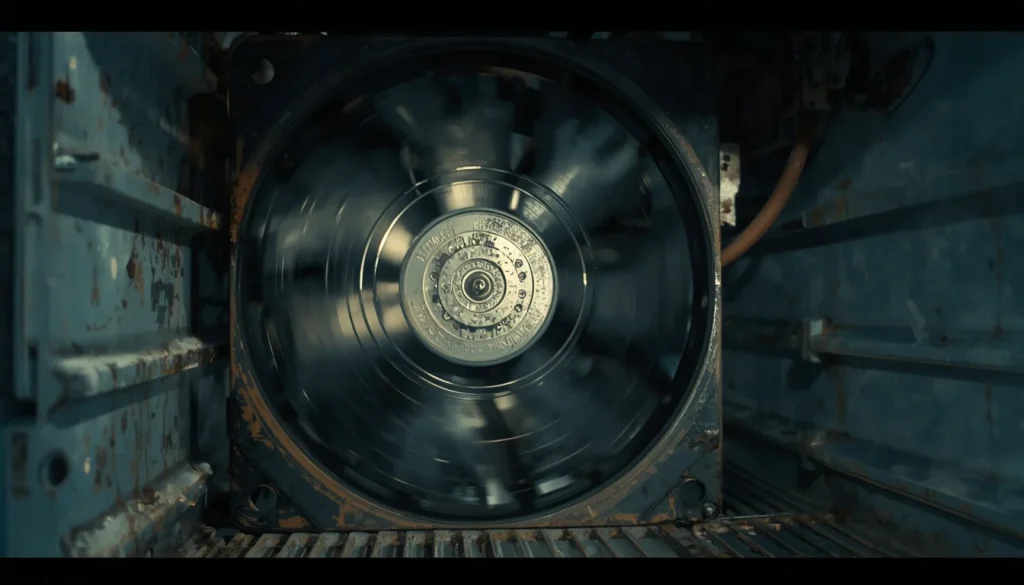
The condenser fan removes heat from the refrigeration system. Dust buildup, loose wires, pet hair, or damaged fan blades can interfere with the fan’s movement.
Each time the blade strikes an obstacle, you’ll hear a repetitive knocking or tapping noise.
Common Symptoms
- Knocking from the rear lower section
- Noise increases while cooling
- Reduced airflow behind the refrigerator
- Dust accumulation around the back panel
How to Fix It
- Disconnect power.
- Remove the rear access panel.
- Locate the condenser fan.
- Remove dust and debris.
- Ensure wires are clear of the fan blade.
- Spin the fan manually to check for rubbing.
- Replace cracked or warped fan blades if needed.
DIY Difficulty
⭐⭐☆☆☆ (Easy)
Time Required
20–30 minutes
Tools Needed
- Screwdriver
- Vacuum cleaner
- Soft brush
- Flashlight
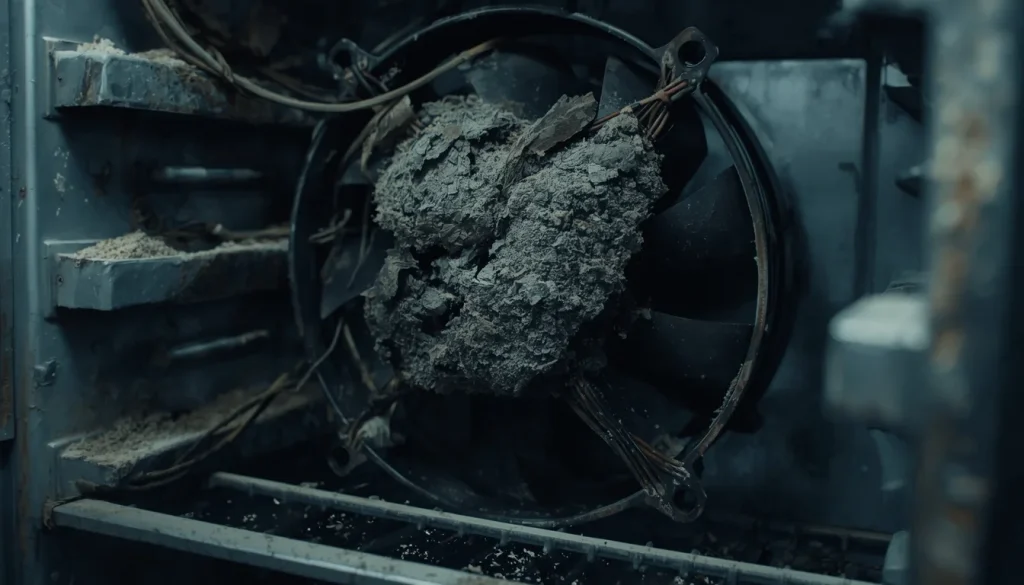
3. Evaporator Fan Obstruction
Why It Happens
The evaporator fan circulates cold air throughout the refrigerator and freezer. Ice buildup, food packaging, or damaged blades can interfere with the fan, causing a knocking or ticking sound.
Common Symptoms
- Noise coming from inside the freezer
- Knocking starts when the freezer fan runs
- Uneven cooling
- Frost buildup around the fan cover
How to Fix It
- Empty the freezer section if necessary.
- Remove the interior freezer panel.
- Check for ice surrounding the fan.
- Defrost accumulated ice.
- Inspect fan blades for cracks.
- Replace the fan motor if it makes excessive noise.
DIY Difficulty
⭐⭐⭐☆☆ (Moderate)
Time Required
30–60 minutes
Tools Needed
- Screwdriver
- Hair dryer (low heat for defrosting)
- Towels
- Flashlight
4. Ice Maker Producing Knocking Sounds
Why It Happens
Automatic ice makers naturally create several sounds during each production cycle. Ice cubes dropping into the storage bin can produce a brief knocking sound.
However, repeated loud knocking may indicate a jammed ejector arm, frozen mechanism, or water supply issue.
Common Symptoms
- Noise every few hours
- Sound comes from the freezer
- Knocking only during ice production
- Ice maker continues operating normally
How to Fix It
- Check for ice jams.
- Remove stuck cubes carefully.
- Verify the water supply line is connected correctly.
- Clean mineral deposits if necessary.
- Test the ice maker after cleaning.
DIY Difficulty
⭐☆☆☆☆ (Easy)
Time Required
10–15 minutes
Tools Needed
- Warm cloth
- Soft brush
- Flashlight
5. Water Hammer in the Water Supply Line
Why It Happens
Homes with refrigerator ice makers or water dispensers sometimes experience water hammer. This occurs when water pressure changes suddenly, causing pipes to vibrate and create knocking sounds.
This issue is especially common in older homes.
Common Symptoms
- Knocking immediately after dispensing water
- Noise during ice maker refill
- Sound originates from nearby plumbing rather than inside the refrigerator
- Pipes vibrate briefly
How to Fix It
- Inspect the refrigerator water line.
- Secure any loose plumbing.
- Check household water pressure.
- Install a water hammer arrestor if recommended.
- Replace damaged supply tubing.
DIY Difficulty
⭐⭐☆☆☆ (Easy)
Time Required
20–30 minutes
Tools Needed
- Adjustable wrench
- Pipe clips
- Flashlight
6. Refrigerant Expansion and Contraction
Why It Happens
As refrigerant circulates through the cooling system, metal tubing expands and contracts due to temperature changes. This movement can create occasional knocking, popping, or tapping sounds.
Unlike mechanical failures, this is completely normal and usually requires no repair.
Common Symptoms
- Light knocking after compressor shuts off
- Occasional popping during cooling cycles
- Noise lasts only a few seconds
- Refrigerator cools normally
How to Fix It
No repair is typically required.
Simply monitor the sound. If it remains brief and the refrigerator continues cooling properly, it is considered part of normal operation.
DIY Difficulty
No repair needed.
Time Required
None.
Tools Needed
None.
7. Loose Drain Pan
Why It Happens
Most refrigerators have a drain pan located beneath the appliance to collect water produced during the automatic defrost cycle. As the compressor runs, vibration can cause a loose or improperly seated drain pan to knock against the refrigerator frame.
This is one of the easiest problems to fix and is often overlooked during troubleshooting.
Common Symptoms
- Knocking or rattling from the bottom rear of the refrigerator
- Noise becomes more noticeable while the compressor is running
- Cooling performance remains normal
- Sound disappears when you gently hold the drain pan
How to Fix It
- Unplug the refrigerator.
- Pull it away from the wall.
- Locate the drain pan underneath or behind the compressor.
- Make sure it is seated correctly.
- Tighten any retaining clips or screws.
- Replace a cracked or damaged drain pan if necessary.
DIY Difficulty
⭐☆☆☆☆ (Very Easy)
Time Required
10–15 minutes
Tools Needed
- Flashlight
- Screwdriver
8. Refrigerator Is Not Level
Why It Happens
A refrigerator should sit evenly on the floor. If one corner is lower than the others, normal compressor vibration can cause the cabinet to shift slightly, creating a knocking or thumping sound.
Uneven flooring is a common cause of refrigerator noise, especially after moving the appliance.
Common Symptoms
- Knocking starts after installing or relocating the refrigerator
- Refrigerator rocks when pushed gently
- Doors close by themselves or swing open unexpectedly
- Vibration can be felt through the cabinet
How to Fix It
- Place a level on top of the refrigerator.
- Check both front-to-back and side-to-side alignment.
- Adjust the front leveling feet.
- Ensure all four feet make solid contact with the floor.
- Recheck the level after adjustment.
Most manufacturers recommend keeping the front slightly higher than the rear so the doors close properly.
DIY Difficulty
⭐☆☆☆☆ (Very Easy)
Time Required
10 minutes
Tools Needed
- Bubble level
- Adjustable wrench
9. Faulty Compressor Start Relay
Why It Happens
The start relay helps the compressor begin each cooling cycle. As it wears out, it may struggle to engage the compressor properly, producing repeated knocking or clicking sounds.
Eventually, a failed relay may prevent the refrigerator from cooling altogether.
Common Symptoms
- Knocking followed by clicking
- Compressor repeatedly attempts to start
- Refrigerator becomes warm inside
- Cooling cycles become inconsistent
How to Fix It
- Disconnect power.
- Remove the relay from the compressor.
- Inspect for signs of burning or damage.
- Test the relay with a multimeter if you have one.
- Replace the relay if defective.
DIY Difficulty
⭐⭐⭐☆☆ (Moderate)
Time Required
30–45 minutes
Tools Needed
- Screwdriver
- Multimeter
- Replacement relay
10. Loose Shelves, Drawers, or Food Containers
Why It Happens
Sometimes the refrigerator itself isn’t the problem. Glass shelves, storage bins, bottles, or food containers can vibrate during compressor operation, creating a knocking sound that seems mechanical.
Common Symptoms
- Noise comes from inside the fresh food compartment
- Knocking stops when you hold a shelf or bottle
- Refrigerator cools normally
- Sound changes after reorganizing food
How to Fix It
- Reposition loose shelves.
- Secure removable bins.
- Avoid placing glass containers directly against each other.
- Make sure drawers slide completely into place.
- Leave small gaps between bottles and jars.
DIY Difficulty
⭐☆☆☆☆ (Very Easy)
Time Required
5–10 minutes
Tools Needed
None
11. Frost Buildup Around the Evaporator Fan
Why It Happens
Excessive frost can block the evaporator fan blades. As the fan rotates, the blades strike the ice repeatedly, creating a knocking or tapping sound.
This problem often develops because of:
- Leaving the freezer door open
- Damaged door gaskets
- Defrost system issues
- High humidity
Common Symptoms
- Knocking inside the freezer
- Reduced airflow
- Frost accumulation on the rear freezer wall
- Poor cooling performance
How to Fix It
- Turn off the refrigerator.
- Empty the freezer.
- Allow the ice to melt naturally or speed up the process with a fan.
- Inspect the door gasket for leaks.
- Restart the refrigerator after all ice has melted.
If frost returns quickly, the automatic defrost system may need professional diagnosis.
DIY Difficulty
⭐⭐⭐☆☆ (Moderate)
Time Required
2–12 hours (depending on frost)
Tools Needed
- Towels
- Fan
- Flashlight
12. Failing Compressor
Why It Happens
The compressor is the heart of the refrigeration system. As internal components wear out, they may produce loud knocking, banging, or hammering sounds.
Unlike loose components, compressor failure is one of the most expensive refrigerator repairs.
Common Symptoms
- Loud knocking from the back
- Refrigerator struggles to cool
- Compressor becomes extremely hot
- Frequent cycling
- Food begins warming
How to Fix It
Unfortunately, compressors are not practical DIY repairs.
A qualified appliance technician should inspect the system to determine whether compressor replacement or refrigerator replacement is the better option.
DIY Difficulty
★★★★★ (Professional Repair)
Time Required
Professional service required
Tools Needed
Professional refrigeration equipment
Step-by-Step Refrigerator Knocking Noise Troubleshooting Guide
Follow these steps in order. Starting with the easiest inspections can save both time and money.
Step 1: Identify Where the Noise Comes From
Listen carefully.
Is the sound coming from:
- Back
- Bottom
- Freezer
- Inside refrigerator
- Near the compressor
Finding the location dramatically narrows the possible causes.
Step 2: Listen for the Timing
Ask yourself:
- Every few minutes?
- Only when cooling starts?
- During the defrost cycle?
- After dispensing water?
- Only at night?
The timing often reveals whether the issue is mechanical or part of normal operation.
Step 3: Check Whether the Refrigerator Is Level
Use a level to confirm the appliance sits evenly.
Adjust the leveling feet if necessary.
Step 4: Inspect the Rear of the Refrigerator
Look for:
- Loose drain pan
- Dust buildup
- Loose wires
- Fan obstruction
- Broken fan blades
Cleaning this area solves many knocking issues.
Step 5: Inspect the Condenser Fan
Rotate the fan manually.
It should spin smoothly without rubbing or wobbling.
Step 6: Check the Freezer
Inspect for:
- Ice buildup
- Frozen fan
- Loose ice maker components
Step 7: Restart the Refrigerator
Reconnect power.
Monitor the appliance for several cooling cycles before deciding further repairs are necessary.
How to Identify Where the Knocking Noise Is Coming From
| Noise Location | Most Likely Cause |
|---|---|
| Rear lower section | Condenser fan or compressor |
| Bottom | Drain pan |
| Inside refrigerator | Loose shelves or food containers |
| Freezer | Evaporator fan or ice maker |
| Compressor area | Compressor mounts or start relay |
| Water line | Water hammer |
When Does the Knocking Noise Happen?
The timing of the sound provides valuable clues.
Every Few Minutes
Usually associated with:
- Compressor cycling
- Condenser fan
- Refrigerant movement
After the Compressor Starts
Possible causes include:
- Loose compressor mounts
- Worn start relay
- Cabinet vibration
After the Refrigerator Shuts Off
Usually caused by:
- Refrigerant expansion
- Metal contraction
This is generally normal.
After Moving the Refrigerator
Most common causes include:
- Uneven leveling
- Loose drain pan
- Shifted shelves
- Water line vibration
During the Defrost Cycle
Often caused by:
- Ice melting
- Drain pan movement
- Thermal expansion
Only at Night
Many homeowners notice refrigerator noises more at night simply because the house is quieter.
If cooling remains normal and the noise is brief, the refrigerator may be operating normally.
Do Different Refrigerator Brands Make Different Knocking Noises?
Although the basic refrigeration system is similar across brands, some models are known for specific operating sounds.
LG
Knocking may occur during Linear Compressor operation or automatic defrost cycles.
Samsung
Ice makers and Twin Cooling systems can occasionally produce knocking or tapping sounds.
GE
Condenser fan vibration and water valve operation are common sources.
Whirlpool
Loose drain pans and compressor vibration are frequently reported.
Frigidaire
Evaporator fan ice buildup is a common cause of freezer knocking.
Bosch
Premium models generally operate quietly, but refrigerant expansion noises are still considered normal.
Maytag, KitchenAid, Haier, and Hisense
These brands may also produce occasional knocking sounds during normal cooling cycles, especially after installation or automatic defrost.
Quick Troubleshooting Checklist
Before calling a technician, confirm the following:
- Refrigerator is level
- Drain pan is secure
- Condenser fan is clean
- Evaporator fan is free of ice
- Ice maker is operating normally
- Water line is secure
- Compressor mounts are tight
- Shelves and drawers are properly positioned
- Rear coils are clean
- Air vents are unobstructed
If all of these items check out and the knocking continues while cooling performance declines, professional diagnosis is recommended.
Repair Cost: How Much Does It Cost to Fix a Refrigerator Knocking Noise?
The cost depends on which component is causing the noise. Many knocking sounds can be resolved with a simple adjustment or cleaning, while others require replacement parts or professional labor.
| Problem | Typical Repair Cost (USD) | DIY Friendly? |
|---|---|---|
| Leveling the refrigerator | $0–$20 | ✅ |
| Cleaning condenser fan | $0–$30 | ✅ |
| Tightening loose drain pan | $0–$20 | ✅ |
| Replacing condenser fan motor | $120–$250 | ⚠️ |
| Replacing evaporator fan motor | $150–$350 | ⚠️ |
| Replacing compressor start relay | $60–$180 | ✅ |
| Fixing water supply line | $80–$250 | ⚠️ |
| Compressor replacement | $700–$1,500+ | ❌ |
Note: Labor rates vary by location. Repair costs are generally higher in large metropolitan areas than in smaller towns.
Should You Repair or Replace Your Refrigerator?
A knocking noise doesn’t always mean it’s time for a new refrigerator. The appliance’s age, condition, and repair cost all play an important role.
Repair It If
- The refrigerator is less than 8 years old.
- Cooling performance is still good.
- The repair costs less than 40–50% of the replacement price.
- The issue involves a fan, drain pan, relay, or leveling.
Consider Replacing It If
- The refrigerator is over 12–15 years old.
- The compressor has failed.
- Multiple expensive components need replacement.
- Energy efficiency has noticeably declined.
- Repairs are becoming frequent.
A simple rule many appliance professionals follow is:
If the repair cost approaches half the price of a comparable new refrigerator, replacing the appliance is often the better long-term investment.
How to Stop a Refrigerator Knocking Noise Permanently
While some operating sounds are completely normal, consistent maintenance can prevent many mechanical knocking issues.
1. Keep the Refrigerator Level
An uneven refrigerator places extra stress on moving components and increases cabinet vibration.
Check the leveling feet every few months, especially after moving the appliance.
2. Clean the Condenser Coils
Dust buildup forces the cooling system to work harder, increasing vibration and fan noise.
Clean the coils every 6 to 12 months using a vacuum or soft coil brush.
3. Clean the Condenser Fan
Dust, pet hair, and debris can interfere with fan operation.
Inspect and clean the fan whenever you clean the condenser coils.
4. Avoid Overloading Shelves
Heavy glass containers or tightly packed bottles can vibrate against each other.
Leave small gaps between items whenever possible.
5. Inspect the Water Line
If your refrigerator has an ice maker or water dispenser, occasionally inspect the water supply tubing for vibration or loose fittings.
6. Replace Worn Parts Early
Ignoring worn fan motors, damaged rubber mounts, or loose hardware can eventually lead to more expensive repairs.
Monthly Refrigerator Maintenance Checklist
A few minutes of maintenance each month can significantly reduce the risk of unusual noises.
Every Month
- Check refrigerator leveling
- Listen for new or unusual sounds
- Inspect door gaskets
- Clean spills around drawers
Every 6 Months
- Vacuum condenser coils
- Clean condenser fan
- Check drain pan
- Inspect water supply line
Every Year
- Inspect compressor mounts
- Check electrical cord condition
- Clean behind the refrigerator
- Inspect ventilation space around the appliance
Keeping the refrigerator clean and properly maintained not only reduces noise but can also improve energy efficiency and extend its lifespan.
Stop Using the Refrigerator Immediately If…
Some knocking noises indicate a serious mechanical or electrical issue.
Disconnect power and arrange professional service if you notice any of the following:
- Burning smell
- Smoke
- Electrical sparks
- Loud metal banging
- Compressor overheating
- Refrigerator stops cooling
- Water leaking onto electrical components
- Breaker trips repeatedly
- Visible damaged wiring
These symptoms should never be ignored.
Frequently Asked Questions
Why is my refrigerator making a knocking noise every few minutes?
This is commonly caused by the compressor cycling, refrigerant expansion, a condenser fan issue, or an automatic ice maker. If cooling performance remains normal, the sound is often harmless.
Why does my refrigerator knock after shutting off?
Metal components expand and contract as temperatures change. This brief knocking or popping sound is usually a normal part of refrigerator operation.
Is a compressor knocking noise dangerous?
Not always. Loose compressor mounts can create knocking sounds without damaging the appliance. However, loud continuous knocking combined with poor cooling may indicate compressor failure that requires professional inspection.
Can a dirty condenser fan cause knocking?
Yes. Dust, debris, or pet hair can interfere with the fan blades, causing repetitive knocking or tapping noises while the refrigerator is running.
Why is my refrigerator knocking but still cooling?
If the refrigerator cools properly, the issue is often minor, such as a loose drain pan, cabinet vibration, refrigerant expansion, or an ice maker cycle.
Why did my refrigerator start knocking after moving?
Moving the appliance can shift internal components, loosen the drain pan, change the leveling, or cause the water line to vibrate.
Can ice buildup cause knocking?
Yes. Ice can interfere with the evaporator fan blades, producing a knocking or ticking sound until the frost is removed.
Why does my freezer make knocking noises?
Common causes include the evaporator fan, the automatic ice maker, frost accumulation, or thermal expansion during defrost cycles.
Should I unplug my refrigerator if it makes knocking sounds?
Only unplug the refrigerator if you plan to inspect internal components or if you notice dangerous symptoms such as smoke, sparks, burning odors, or overheating.
How often should a refrigerator make noises?
Modern refrigerators make various sounds throughout the day as they cool, defrost, and produce ice. Brief noises are normal, while continuous loud knocking should be investigated.
Can a bad start relay cause knocking?
Yes. A failing compressor start relay may repeatedly attempt to start the compressor, producing knocking or clicking sounds.
Does refrigerant expansion cause knocking?
Yes. As refrigerant moves through metal tubing, expansion and contraction can create occasional knocking or popping sounds. This is generally considered normal.
Can I fix a refrigerator knocking noise myself?
Many common causes, such as leveling the appliance, cleaning fans, tightening loose components, or clearing ice buildup, can be handled by most homeowners using basic tools.
When should I call a professional?
Call an appliance technician if the refrigerator:
- Stops cooling
- Makes very loud metal knocking sounds
- Smells like burning insulation
- Leaks refrigerant
- Continues knocking after all basic troubleshooting steps
Will a knocking refrigerator use more electricity?
It can. If the knocking is caused by a struggling fan motor, compressor problem, or restricted airflow, the refrigerator may run longer cooling cycles and consume more energy.
Final Verdict
A refrigerator knocking noise can certainly be alarming, but in most cases, it doesn’t signal a major failure. Problems such as an unlevel refrigerator, a loose drain pan, dirty condenser fan, ice maker operation, or normal refrigerant expansion are far more common than a failed compressor.
The smartest approach is to begin with the simplest inspections. Check where the noise is coming from, determine when it occurs, verify that the refrigerator is level, and inspect the fan area and drain pan. These quick checks can often solve the issue without spending money on unnecessary repairs.
If the knocking becomes louder, occurs continuously, affects cooling performance, or is accompanied by burning smells, overheating, or electrical issues, stop using the appliance and contact a qualified technician promptly.
With regular maintenance, routine cleaning, and early attention to unusual sounds, most refrigerators can continue operating efficiently and quietly for many years.

Hi, I’m the lead researcher and appliance enthusiast behind RefrigeratorSolve. With years of hands-on experience troubleshooting cooling systems and testing home appliances, I am dedicated to bringing you honest reviews, energy-saving tips, and practical solutions to keep your refrigerator running perfectly.