
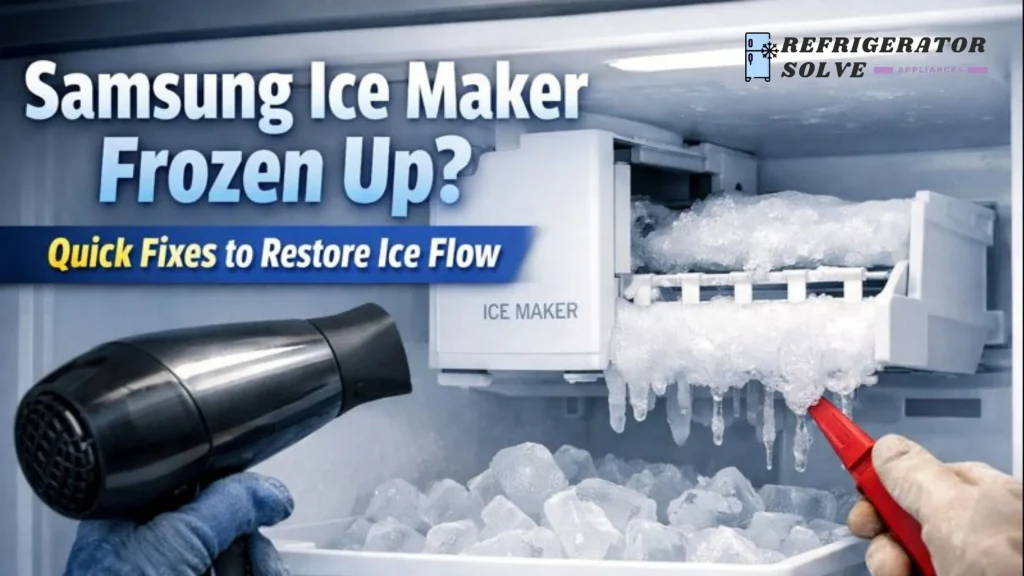
Is your Samsung ice maker frozen up again? It’s frustrating when you open the freezer, expecting fresh ice, only to find a solid block of ice stuck inside.
You rely on your ice maker every day, and when it stops working, it disrupts your routine and leaves you searching for solutions. But don’t worry—this problem is common, and you can fix it faster than you think. You’ll discover easy, step-by-step ways to thaw your frozen Samsung ice maker, prevent it from freezing up again, and understand when it’s time to call for service.
Keep reading, and get your ice maker back to working perfectly in no time!
Causes Of Ice Maker Freezing
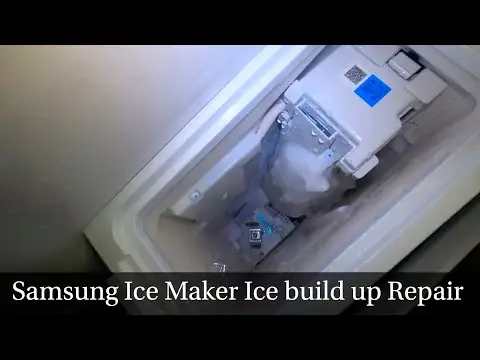
Samsung ice makers freezing up can cause frustration and disrupt your daily routine. Understanding the common causes helps prevent and fix the problem quickly. Several factors can lead to ice buildup and freezing issues in your Samsung ice maker.
Each cause affects the ice maker’s function differently. Identifying the root cause ensures proper repair and maintenance. Below are the main reasons why your Samsung ice maker may freeze up.
Faulty Water Inlet Valve
The water inlet valve controls water flow into the ice maker. A faulty valve may let too much water in or fail to shut off properly. This causes excess water to freeze and block the ice maker. Replacing a damaged valve often solves the freezing problem.
Blocked Water Line
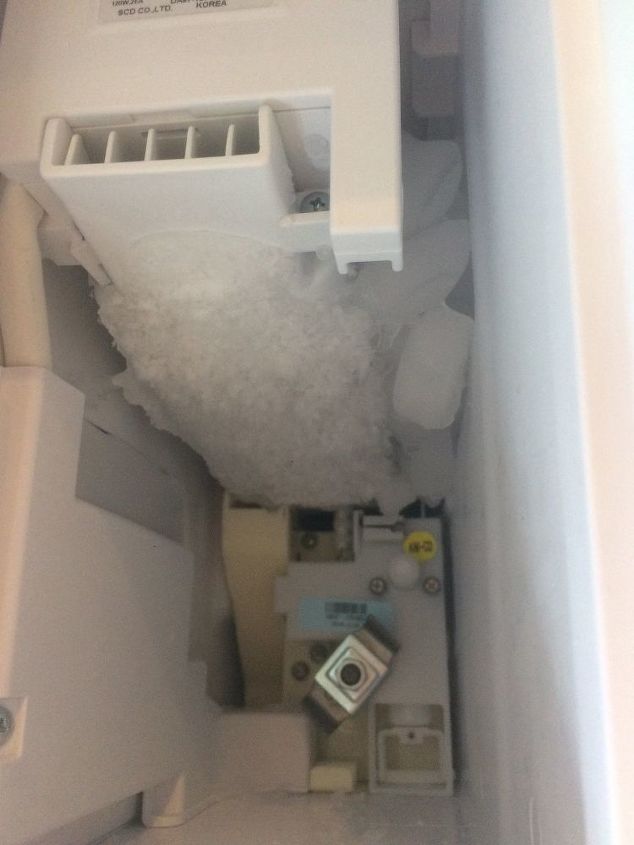
The water line supplies water to the ice maker. If it becomes clogged or frozen, water cannot flow smoothly. This blockage leads to ice buildup inside the ice maker. Clearing or replacing the water line removes the obstruction and stops freezing issues.
Thermostat And Heater Issues
The thermostat controls the ice maker’s temperature. A broken thermostat may cause the ice maker to become too cold. The heater prevents ice from freezing in unwanted areas. Heater failure leads to ice buildup and blockages. Checking these parts helps maintain proper ice maker function.
Ventilation Problems
Proper airflow keeps the ice maker from freezing solid. Blocked vents or poor ventilation trap cold air and cause ice buildup. Dust, dirt, or ice can block vents. Cleaning vents and ensuring good airflow prevents freezing and improves ice maker performance.
Credit: www.youtube.com
Signs Of A Frozen Ice Maker
Recognizing the signs of a frozen ice maker helps avoid bigger problems. Samsung ice makers can freeze up due to several reasons. Early detection saves time and repair costs. Watch for clear symptoms that show ice buildup or malfunction. These signs point to a frozen ice maker needing attention.
No Ice Production
The ice maker stops making ice completely. The ice tray stays empty for hours or days. The freezer may feel colder than usual. This means ice cannot form or release properly. A frozen ice maker blocks the normal ice cycle.
Ice Jams And Blockages
Clumps of ice block the ice chute or tray. Ice pieces get stuck and do not drop into the bin. The ice maker sounds like it is working but no ice falls out. Ice jams prevent fresh ice from pushing out old cubes. This causes irregular ice delivery.
Water Leakage
Water pools under or around the ice maker area. Melting ice drips due to thawing or blockage. Water leaks inside the freezer or outside the door. This happens because frozen parts crack or freeze water lines. Leakage signals a frozen or broken ice maker part.
Excessive Fan Noise
The freezer fan runs loudly or constantly. Strange noises come from the ice maker compartment. Ice buildup can block the fan or cause it to work harder. This makes more noise than usual. Loud fan sounds show the ice maker struggles to function.
Forced Defrost Method
The forced defrost method helps clear ice build-up in Samsung ice makers. It is a quick way to thaw frozen parts without waiting for natural melting. This method uses the refrigerator’s built-in controls to start a defrost cycle. It melts ice inside the ice maker automatically. This process restores normal ice production and prevents damage.
Using forced defrost saves time and effort. It avoids manual thawing which can be messy and slow. Follow the steps below to activate this useful feature safely and effectively.
Accessing The Control Panel
Find the control panel on your Samsung refrigerator. It is usually located on the front door or inside the fridge. Look for the buttons that control the ice maker and freezer functions. You may need to unlock the panel if it has a child lock. Check your model’s manual for exact details.
Activating Forced Defrost Mode
Press and hold the designated buttons for forced defrost. Common combos include holding the “Power Freeze” and “Ice Maker” buttons together. Keep holding for about 10 seconds until the display shows defrost mode. The ice maker will stop making ice and start melting ice build-up. Some models have a menu you can scroll through to select forced defrost.
What To Expect During Defrost
The refrigerator will pause ice production temporarily. Inside, the heater will warm the ice maker compartment. You may hear a faint sizzling or dripping sound. This is normal as the ice melts. The defrost cycle usually lasts 20 to 30 minutes. After completion, the ice maker will resume normal operation. Check if ice chunks have cleared to confirm success.
Credit: www.reddit.com
Manual Reset Process
The manual reset process is a simple way to fix a frozen Samsung ice maker. It helps clear ice jams and restarts the system. This can save time and avoid calling a technician. Follow these steps carefully to reset your ice maker manually.
Removing The Ice Bucket
First, open the freezer door fully. Gently pull out the ice bucket. Handle it with care to avoid damage. Set the bucket aside on a flat surface. This gives you clear access to the ice maker.
Pressing The Test Button
Locate the test button on the ice maker unit. It is usually small and may be labeled. Press and hold the button for about 5 seconds. You will hear a motor sound or see the ice maker start. This signals the reset process is active.
Resetting The Ice Maker
After pressing the test button, wait for the ice maker to cycle. It may take a few minutes to finish. Check for any remaining ice blockages and remove them. Slide the ice bucket back into place carefully. Close the freezer door and monitor the ice maker for normal operation.
Using A Steamer For Quick Thawing
Using a steamer is a fast way to thaw a Samsung ice maker that is frozen up. It helps melt the ice quickly without needing to turn off the refrigerator. This method saves time and effort compared to waiting for natural thawing. Steam can reach tight spots inside the ice maker where ice builds up. The warm moisture softens the ice, making it easier to remove. Proper use of a steamer can clear the ice without causing damage to the appliance.
Safety Precautions
Always unplug the refrigerator before starting. Keep the steamer nozzle away from electrical parts. Use gloves to protect your hands from hot steam. Avoid directing steam at plastic parts for too long. Work in a well-ventilated area to prevent moisture buildup. Keep children and pets away during the process. Follow the steamer manufacturer’s instructions carefully.
Step-by-step Thawing
First, unplug the refrigerator to ensure safety. Fill the steamer with clean water and let it heat up. Hold the steamer a few inches away from the ice maker. Move the steamer slowly over frozen areas to melt ice evenly. Use a soft cloth to wipe away melted water. Do not force ice removal to avoid breaking parts. Repeat until all ice is gone. Plug the refrigerator back in after finishing.
Preventing Damage
Do not use high steam pressure near delicate parts. Avoid using sharp tools to chip ice after steaming. Steam only the frozen areas to prevent excess moisture. Keep the steamer moving to avoid overheating one spot. Check the ice maker for cracks before and after thawing. Regularly clean the ice maker to reduce future freezing. Follow manufacturer guidelines for maintenance and care.
Troubleshooting Persistent Freezing
Persistent freezing in your Samsung ice maker causes ice blockages and stops ice production. Troubleshooting this issue involves checking key components that control heat and airflow. Proper maintenance helps avoid frequent ice buildup and keeps the system running smoothly.
Checking Heater Functionality
The heater prevents ice from building up inside the ice maker. Test the heater using a multimeter to check for continuity. No continuity means the heater is faulty and needs replacement. A working heater melts excess ice and keeps the ice maker clear.
Inspecting Blocked Vents
Blocked vents stop cold air from circulating properly inside the freezer. Look for any ice or debris blocking the vents near the ice maker. Clear all blockages to improve airflow. Good air circulation prevents ice from freezing over the ice maker parts.
Cleaning Coils
Dirty coils reduce cooling efficiency and cause frost buildup. Clean the condenser coils at least twice a year. Use a soft brush or vacuum to remove dust and dirt. Clean coils help maintain the right temperature and reduce ice freezing issues.
Legal Issues And Recalls
Samsung ice makers freezing up has caused concern among many users. Legal issues and recalls have followed these problems. This section discusses lawsuits and what they mean for owners. Understanding these matters helps users stay informed and protect their rights.
Lawsuit Allegations
The lawsuit accused Samsung of design defects in their ice makers. Customers reported ice dispensers freezing solid frequently. This led to water leaks inside the freezer. Excessive fan noise was also a common complaint. The defects caused damage to freezer components over time. Plaintiffs claimed Samsung ignored these issues for years.
Timeline And Outcome
The legal case began after many user complaints surfaced. Samsung issued recalls for certain refrigerator models. The company offered repairs or replacements to affected owners. After negotiations, Samsung settled the lawsuit out of court. The settlement included compensation and extended warranties. It aimed to resolve disputes fairly and quickly.
What It Means For Owners
- Owners with eligible models can get free repairs or parts.
- Settled claims mean affected customers receive compensation.
- Extended warranties cover ice maker problems longer than usual.
- Users should check if their refrigerator is part of the recall.
- Proper maintenance can help avoid ice maker freezing issues.
Next Steps For Affected Owners
Owners experiencing frozen ice makers in their Samsung refrigerators face several options. Taking quick, informed action can help avoid further damage. This section outlines practical next steps for affected users.
Contacting Samsung Support
Reach out to Samsung’s customer service for guidance. They can provide troubleshooting tips and warranty details. Keep your model number and purchase information ready. Support may offer repair options or replacement parts.
Seeking Legal Advice
Consider legal help if your ice maker’s issue caused damage or loss. Some Samsung models are part of ongoing lawsuits. A lawyer can explain your rights and possible compensation. Legal advice ensures you make informed decisions.
Considering Professional Service
Hire a certified technician for thorough inspection and repair. Professionals can fix water valve or thermostat problems causing freeze-ups. They use proper tools to prevent future issues. This option saves time and reduces risk of self-repair errors.
Credit: www.hometalk.com
Frequently Asked Questions
How Do I Unfreeze My Samsung Ice Maker?
Unfreeze your Samsung ice maker by forcing defrost: press and hold Power Freeze and Lighting buttons until “fd” appears. Alternatively, remove the ice bucket and press the Test button to reset. Use a steamer to melt ice quickly. Call service if freezing persists.
Why Is My Samsung Refrigerator Ice Maker Freezing Up?
Your Samsung ice maker freezes due to a faulty water inlet valve, blocked water line, or defective thermostat and heater. Perform a forced defrost via the control panel or manual reset to clear ice jams. Persistent freezing may require professional service for heater or vent issues.
How To Force Defrost A Samsung Icemaker?
To force defrost a Samsung icemaker, hold the Power Freeze and Lighting buttons until “fd” appears. Remove ice bucket, press Test button to reset. Use a steamer to melt ice if needed. Check for faulty heater or blocked vents if freezing persists.
What Is The Lawsuit About Samsung Refrigerator Ice Maker Freezing Up?
The lawsuit alleges Samsung refrigerators have defective ice makers causing over-freezing, water leaks, noise, and freezer damage. Plaintiffs claim widespread ice maker freezing issues. Samsung settled with some owners. Others may seek legal help or contact Samsung for support or repairs.
Conclusion
A frozen Samsung ice maker can disrupt daily routines. Regularly check for ice blockages and water flow issues. Manually defrosting can clear ice buildup quickly. Keep the ice maker’s thermostat and heater working properly. Timely maintenance prevents freezing problems and extends appliance life.
Simple steps often solve common ice maker faults. Stay attentive to signs of malfunction for best results. This helps maintain smooth ice production without interruptions.

Hi, I’m the lead researcher and appliance enthusiast behind RefrigeratorSolve. With years of hands-on experience troubleshooting cooling systems and testing home appliances, I am dedicated to bringing you honest reviews, energy-saving tips, and practical solutions to keep your refrigerator running perfectly.






2 Responses