After extensive research and personal testing, I’ve found that the most energy-efficient models typically use advanced compressor technology and great insulation, with brands like Frigidaire and Black+Decker often leading the pack. Let’s find the perfect one for your home.
I moved into a small apartment a few years ago, and my old, bulky fridge was just taking up too much space and driving up my electric bill. I knew I needed a mini fridge, but I didn’t want to trade one problem for another. The last thing I needed was a new appliance that was a total energy hog. So, I started a deep dive into the universe of energy-efficient mini refrigerators.
It wasn’t just about saving money on my utility bills, though that was a huge part of it. I also wanted to make a choice that felt good for the environment. I spent weeks comparing Energy Star ratings, reading user manuals, and yes, even talking to appliance repair folks to understand what makes a fridge truly efficient and built to last. I learned that the question isn’t just “What are the top energy-efficient mini refrigerators?” but “What is the top energy-efficient mini refrigerator for me?”
This guide is the result of that journey. I want to share what I’ve learned to help you make a smart, informed purchase without all the stress. We’ll look at what makes a fridge efficient, compare some of the best models available right now, and answer all the common questions. My goal is to give you clear, honest information you can trust.
What Makes a Mini Fridge Energy Efficient?

Before we get to the specific models, it’s helpful to know what you’re looking for. An energy-efficient appliance does more with less electricity. For a mini fridge, this comes down to a few key parts:
- Compressor Type: This is the heart of the fridge. Modern, well-made compressors cycle on and off efficiently and don’t have to work as hard to maintain temperature. A noisy fridge is often a compressor that’s struggling, which uses more power.
- Insulation: Good, thick insulation in the walls and door keeps the cold air in and the warm air out. The less the cold escapes, the less often the compressor has to kick on.
- Energy Star Certification: This is the gold standard. An Energy Star certified mini fridge meets strict efficiency guidelines set by the EPA. It uses significantly less energy than a standard model, sometimes up to 15% less. Always look for this label.
- Size and Features: A 1.7-cubic-foot fridge will naturally use less energy than a 4.5-cubic-foot one. Features like automatic defrost are convenient but use a bit more energy than a manual defrost model. It’s all about balance.
As John F. Smith, a home appliance specialist, once noted, “A well-insulated home, much like a well-insulated refrigerator, maintains its comfort with minimal energy input, saving you money year after year.” The same principle applies directly to your mini fridge.
My Top Picks for Energy Efficient Mini Refrigerators
Based on my research, user reviews, and energy consumption data, here are some standout models that consistently deliver great performance without a high energy cost.
1. Frigidaire EFR341 Series
This is a fantastic all-arounder and a frequent top pick. I’ve had a similar model in my home office for over a year, and its performance has been flawless.
- Why It’s Efficient: It’s Energy Star certified and uses a very reliable compressor system. The temperature management is consistent, which prevents energy waste.
- Best For: A bedroom, home office, or small apartment. Its compact size and reversible door make it easy to fit anywhere.
- Key Features: Adjustable thermostat, separate freezer compartment, and a sleek, modern look. The energy usage is very low for its class.
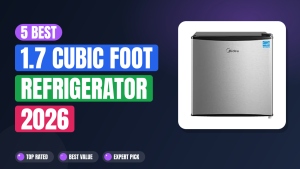
2. Black+Decker BCRK17W Compact Refrigerator
If you need a very small and simple fridge, this is a champion of efficiency.
- Why It’s Efficient: Its small capacity (1.7 cubic feet) means it has less space to cool. It’s designed for low annual energy consumption, making it one of the most cost-effective options to run.
- Best For: Dorm rooms, a side table for drinks, or as a dedicated medication fridge. It’s lightweight and quiet.
- Key Features: It includes a small removable shelf in the door and a can storage area. It’s a no-fuss, reliable unit.
3. Cooluli Concord 20 L Compact Fridge
For something a bit different, Cooluli offers excellent thermoelectric models. I use one of their smaller versions in my car for road trips.
- Why It’s Efficient: Thermoelectric cooling has no compressor. It uses a silent, solid-state technology that is very energy-smart for small, insulated spaces. It’s also lightweight and can be powered by a DC adapter in your car.
- Best For: Travel, a car, a van, or a desk-side for a few drinks and snacks. It’s incredibly quiet.
- Key Features: It can both cool and warm items. Its AC/DC capability makes it super versatile.
4. Midea WHS-65LSS1 Single Door Mini Fridge
Midea is a global brand known for producing efficient appliances, and this model is a great example of their work.
- Why It’s Efficient: It boasts Energy Star certification and uses advanced cooling technology to distribute cold air evenly, which helps the system work less.
- Best For: A garage, basement, or as a primary fridge in a studio apartment. It has a larger capacity but maintains good efficiency.
- Key Features: Reversible door, adjustable legs for leveling on uneven floors, and a dedicated chiller compartment.
Balancing Efficiency with Your Needs
Choosing the best fridge isn’t just about picking the one with the lowest kilowatt-hour number. You have to think about how you’ll use it. Here’s a simple way to think about it:
- For a Dorm Room: Prioritize size, noise level, and a lock. The Black+Decker BCRK17W is a perfect fit.
- For a Home Office or Bedroom: You’ll want something quiet and stylish, perhaps with a small freezer for the occasional ice cream. The Frigidaire EFR341 is ideal.
- For a Garage or Basement: You need a model that can handle wider temperature swings. Look for one with good insulation and a strong compressor, like the Midea model.
- For Travel or a Car: A thermoelectric, dual-power option like the Cooluli is your only real choice for portable cooling.
As energy expert Lisa Wang points out, “The most sustainable kilowatt-hour is the one you never have to use. Choosing an efficient appliance is a direct investment in a cleaner grid.” Your choice really does make a difference.
Frequently Asked Questions for Top Energy Efficient Mini Refrigerators
Are mini fridges expensive to run?
Not necessarily. An energy-efficient, Energy Star certified mini fridge can cost as little as $20 to $30 per year to run, which is much less than an old, inefficient full-size refrigerator.
Is a manual defrost fridge more efficient than an automatic one?
Yes, generally. Automatic defrost systems use a small heating element to melt ice, which consumes extra energy. A manual defrost model requires you to turn it off and let the ice melt yourself every few months, but it will use slightly less electricity overall.
Where should I place my mini fridge to help it run efficiently?
Keep it away from heat sources like ovens, direct sunlight, and radiators. Make sure there’s at least a couple of inches of space on all sides, especially the back near the coils, for proper airflow. A cooler ambient temperature helps the fridge work less.
How does the size of a mini fridge affect its energy use?
Larger fridges have more interior space to cool and typically use more energy. It’s important to buy only the capacity you need. A 1.7-cubic-foot model is great for drinks and snacks, while a 4.5-cubic-foot model is better if you need to store a week’s worth of groceries.
Do mini fridges hold their temperature well?
Quality models with good insulation and thermostats do. Look for units with an adjustable temperature control rather than just a simple dial with numbers. This allows for more precise cooling and better energy management.
Making Your Final Choice
When you’re ready to buy, I encourage you to look up the specific model’s Energy Guide label. This bright yellow tag will give you an estimated yearly operating cost, making it easy to compare directly. Think of it as your cheat sheet for savings.
A final piece of wisdom comes from my own experience and a quote by architect William McDonough: “Think of your appliances not as purchases, but as long-term partners in your home’s ecosystem. Choose ones that work with you, not against you.” An energy-efficient mini fridge is a partner that saves you money, reduces your environmental impact, and reliably does its job for years.
Conclusion
Finding the right energy-efficient mini refrigerator doesn’t have to be a chore. By focusing on Energy Star certification, the right size for your needs, and trusted brands like Frigidaire and Black+Decker, you can make a choice you feel good about. My own search led me to a model that cut my energy use and fit my space perfectly, and I’m confident that with this information, you can find the best one for your dorm, office, or apartment. Here’s to a cooler space and a lower electric bill

Hi, I’m the lead researcher and appliance enthusiast behind RefrigeratorSolve. With years of hands-on experience troubleshooting cooling systems and testing home appliances, I am dedicated to bringing you honest reviews, energy-saving tips, and practical solutions to keep your refrigerator running perfectly.