
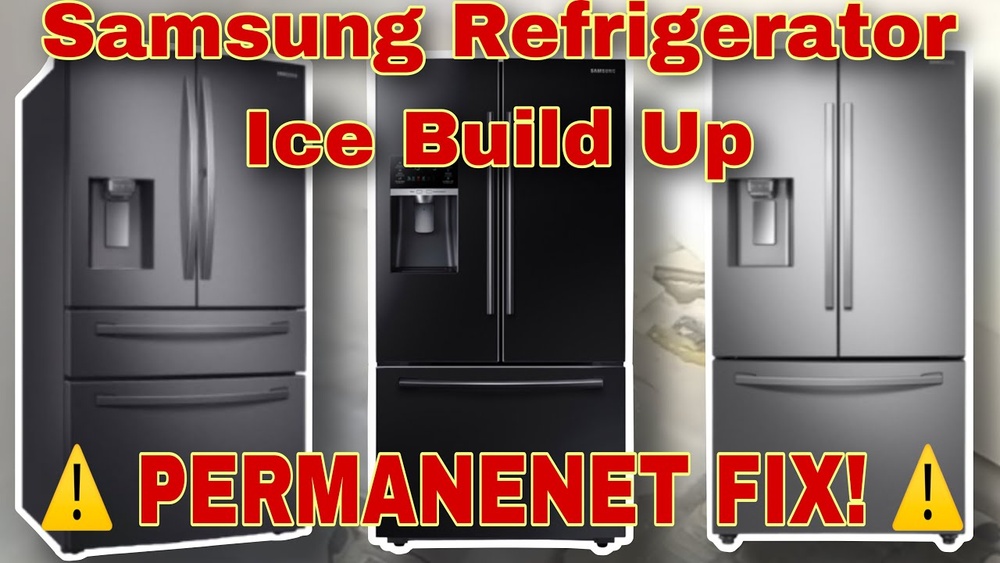
A Samsung refrigerator is a popular choice in many kitchens, but sometimes, even the best appliances face issues. One common problem is frost buildup in the freezer. When frost forms too much, it can cause food to stick together, block air vents, and even damage your fridge over time. If you open your freezer and see thick white ice or find it hard to close the door, you’re not alone. This issue can be frustrating, but most frost problems have clear causes—and solutions.
In this article, you’ll learn why frost buildup happens in Samsung freezers, how to fix it, and what you can do to prevent it from coming back. We’ll look at common mistakes, signs to watch for, and simple tips to keep your Samsung refrigerator running smoothly. Whether you’re a new owner or have had your fridge for years, these steps will help you protect your food and avoid costly repairs.
What Causes Frost Buildup In Samsung Freezers?
Frost does not appear by accident. There are specific reasons that trigger its formation inside your freezer:
- Warm air leaks inside: The main reason for frost is when warm, moist air enters the freezer. This air cools and water vapor turns into ice on surfaces.
- Door not sealing: If the freezer door gasket is damaged, loose, or dirty, it won’t seal well. Even small gaps let in moisture.
- Frequent door opening: Every time you open the door, warm air rushes in. If you open it often or leave it open too long, frost will build up faster.
- Overloading the freezer: Too much food can block air vents. This stops cold air from moving properly and leads to uneven cooling and ice formation.
- Blocked or broken defrost system: Samsung freezers have automatic defrost cycles. If heaters, timers, or sensors fail, frost is not removed as it should be.
- High room humidity: If your kitchen is humid, more moisture can get trapped inside each time the door opens.
- Improper temperature settings: Setting the freezer too cold makes it work harder and can increase frost buildup.
Key Insight 1
Many people miss this: A tiny crack in the door seal—even if you can barely see it—can let in enough air to cause serious frost in just a few days.
Key Insight 2
Frost can also form if you put warm or uncovered food directly in the freezer. Steam rises from warm food and quickly freezes on cold surfaces.
How To Identify Excessive Frost Buildup
Not all frost is bad. A thin layer is normal in most freezers. But if you notice any of these signs, you likely have a problem:
- Thick, hard ice layers (more than 1/4 inch)
- Frost covering vents or shelves
- Difficulty closing the door
- Water dripping or pooling under the freezer
- Strange noises as fans struggle against ice
If you see these, it’s time to act.
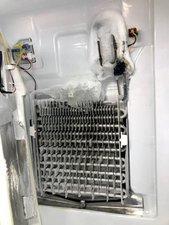
Credit: www.ifixit.com
Step-by-step Guide To Fix Frost Buildup
Solving frost buildup can be simple if you follow the right steps. Here’s how to clear the ice and stop it from coming back.
1. Unplug Your Refrigerator
Before starting, always unplug the fridge. This is important for your safety.
2. Remove All Food
Take out everything from the freezer. Place it in a cooler with ice packs to keep it safe.
3. Defrost The Freezer
There are two main ways to remove frost:
- Manual defrost: Leave the door open and let the ice melt naturally. Place towels to catch water.
- Speed up with warm water: Place bowls of hot (not boiling) water inside. The steam melts ice faster. Never use sharp tools to chip ice—this can damage the freezer.
Defrosting usually takes a few hours. Wipe out all water after the ice melts.
4. Clean The Interior
Use a soft cloth and mild soap. Make sure the inside is completely dry before turning the freezer back on.
5. Check The Door Seal
Inspect the gasket for cracks, tears, or dirt. Clean it with warm soapy water. If the seal is damaged, replace it.
6. Plug In And Reset
Plug the refrigerator back in. Wait for it to reach the right temperature (usually -18°C or 0°F) before adding food.
7. Restock The Freezer
Put your food back, but don’t overload. Leave space for air to circulate.
Common Causes Of Frost Buildup And How To Prevent Them
Knowing why frost forms helps you stop it before it starts. Here’s how different issues cause problems—and what to do about each.
| Cause | How It Happens | Prevention Tips |
|---|---|---|
| Poor Door Seal | Air leaks let in moisture | Clean and inspect gasket, replace if needed |
| Frequent Opening | Warm air enters each time | Open door less often, close quickly |
| Overloading | Blocks airflow, uneven cooling | Don’t pack freezer too full |
| Defrost System Failure | Ice never melts during cycle | Call a technician if frost returns often |
| High Humidity | Extra moisture each time door opens | Use dehumidifier in kitchen if needed |
| Warm Food | Steam creates new frost | Cool food before freezing |
The Role Of The Defrost System In Samsung Freezers
Modern Samsung freezers use automatic defrost. This system melts ice regularly with heaters. But if any part fails, frost comes back quickly.
Main Defrost System Parts
- Defrost timer: Tells the heater when to turn on.
- Defrost heater: Warms the coils to melt ice.
- Defrost thermostat: Monitors temperature, turns heater off at the right time.
- Defrost sensor: In some models, this sensor improves accuracy and prevents overheating.
If your freezer keeps icing up even after cleaning and good door seals, one of these parts might be broken.
Table: Common Defrost System Problems
| Part | Problem Signs | What to Do |
|---|---|---|
| Timer | Frost returns quickly, compressor always runs | Have a technician test/replace it |
| Heater | Thick ice on coils, freezer too cold | Replace heater if broken |
| Thermostat | Heater never turns on, ice stays | Replace thermostat |
| Sensor | Error codes, uneven defrost | Check manual, call for service |
Mistakes To Avoid When Dealing With Frost
Many people try to solve frost problems quickly but make errors that cause more harm:
- Using sharp objects: Never chip ice with knives or screwdrivers. This can puncture coils and ruin your freezer.
- Ignoring the door seal: Cleaning the seal takes only a few minutes but is often forgotten.
- Restarting before fully dry: Moisture left inside can freeze again, starting the problem over.
- Setting the temperature too low: Lower is not always better. Stick to the recommended setting.
- Not waiting for temperature to stabilize: If you refill the freezer before it’s cold enough, food can thaw and refreeze, creating more ice.

Credit: smartapplianceservices.com
Practical Tips For Preventing Frost Buildup
A few simple habits can keep your Samsung freezer frost-free for years:
- Check the door seal every month. Replace it if you notice cracks.
- Wipe away spills and crumbs so the gasket can close tightly.
- Let hot food cool before freezing. This reduces steam.
- Don’t block air vents. Cold air needs to move freely.
- Limit door openings, especially on humid days.
- Defrost manually once a year if your model doesn’t have auto-defrost.
Table: Recommended Freezer Settings
| Setting | Recommended Value | Why It Matters |
|---|---|---|
| Temperature | -18°C (0°F) | Best for food safety and less frost |
| Humidity | Low (30-50%) | Less moisture means less ice inside |
| Air Circulation | Unblocked vents | Even cooling prevents ice spots |
When To Call For Professional Help
Sometimes, frost keeps coming back even after you follow all steps. This usually means a part inside your Samsung refrigerator is faulty. If you notice:
- Frost returns within days of cleaning
- Freezer is always too cold or too warm
- You see error codes on the display
- You hear unusual noises
It’s time to call a Samsung service center or a trusted technician. They can test the defrost system, replace broken parts, and check for hidden leaks.
For more details on how frost forms and the physics behind it, you can visit Wikipedia’s Refrigerator page.

Credit: www.youtube.com
Frequently Asked Questions
Why Does My Samsung Freezer Keep Icing Up Even After Defrosting?
Repeated frost buildup usually means there’s a problem with the door seal or the automatic defrost system. Check the gasket for gaps and make sure vents aren’t blocked. If these are fine, a faulty timer, heater, or sensor could be the cause.
How Often Should I Manually Defrost My Samsung Freezer?
If your model doesn’t have auto-defrost, aim to defrost it when ice reaches about 1/4 inch thick. For most people, this is every 6-12 months. If you see frost more often, check for leaks or other problems.
Is It Safe To Use A Hair Dryer To Melt Freezer Ice?
A hair dryer can speed up defrosting, but use it carefully. Keep the dryer away from water, and don’t let hot air touch plastic parts for too long—this can cause melting. Never use sharp tools.
Does Frost In The Freezer Make My Samsung Fridge Use More Electricity?
Yes. Excess frost insulates the coils, making your fridge work harder to keep cold. This increases energy use and can shorten the life of your compressor.
What Temperature Should I Set My Samsung Freezer To Avoid Frost?
The best setting is -18°C (0°F). This keeps food safe and reduces frost buildup. Don’t set it lower unless you have a special reason.
Keeping your Samsung refrigerator’s freezer free from frost isn’t just about looks—it’s about efficiency, food safety, and long-term performance. With the right habits and a little attention to detail, you can stop frost before it starts and enjoy worry-free freezing for years to come.






2 Responses