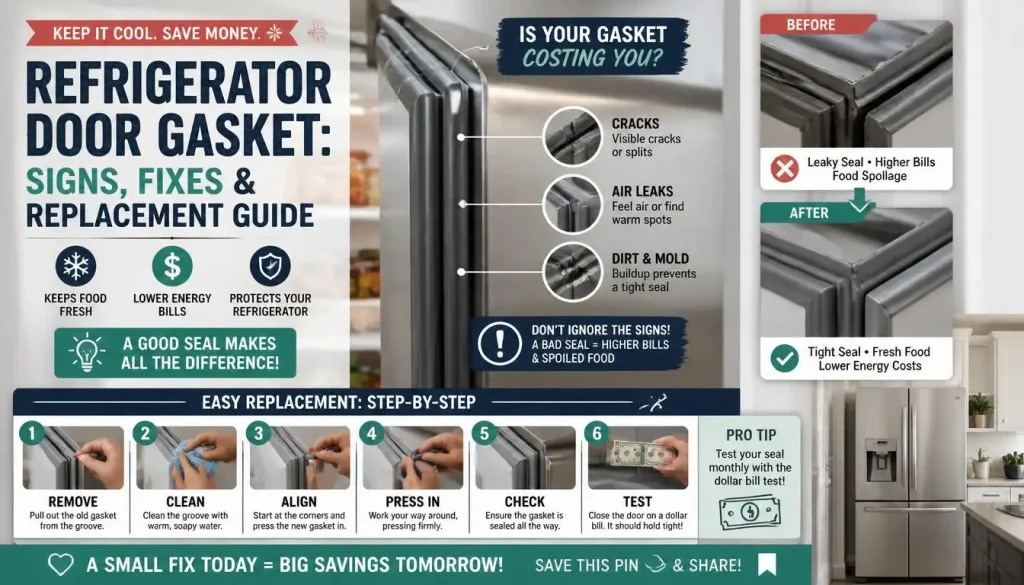
Refrigerator door gasket problems can lead to cold air leaks, higher energy bills, and spoiled food. If your refrigerator door seal is cracked, loose, or dirty, fixing or replacing it can restore cooling efficiency and help your appliance last longer.
A refrigerator is one of the hardest-working appliances in any home. Most homeowners focus on temperature settings, food organization, and cleaning shelves, but often overlook one small component that plays a massive role in performance: the refrigerator door gasket.
The refrigerator gasket is the flexible rubber seal that runs around the edge of the refrigerator door. Its job is simple but essential—keep cold air inside and warm air outside. When this seal fails, your refrigerator has to work harder to maintain proper temperatures, leading to higher energy consumption and potential food spoilage.
Many people don’t realize that a worn fridge gasket can increase compressor workload and shorten the appliance’s lifespan. The good news is that most refrigerator seal issues are easy to identify and often simple to fix.
In this guide, I’ll explain how a refrigerator door gasket works, common signs of failure, how to maintain it, when to replace it, and how modern refrigerators in 2026 are using improved gasket technology for better efficiency.
“Ninety percent of cooking success starts before you even touch the stove — it starts with how well your refrigerator works for you.”
— Julia Child, Legendary Chef & Author
Why a Refrigerator Door Gasket Matters
Your refrigerator door seal creates an airtight barrier between the inside of the fridge and your kitchen environment. Without a proper seal, cold air escapes continuously while warm air enters.
This may seem minor, but the consequences can become expensive.
According to the U.S. Department of Energy, proper refrigerator maintenance plays an important role in energy efficiency and long-term appliance performance. Energy-efficient refrigerators can save homeowners money while maintaining food safety standards.
Common problems caused by a damaged fridge door seal include:
- Increased electricity bills
- Food spoiling faster
- Excess moisture and condensation
- Frost buildup inside the freezer
- Overworked compressor
- Temperature fluctuations
Real-life signs homeowners often notice include:
- The refrigerator running almost constantly
- Water droplets around the door frame
- Milk and vegetables spoiling sooner than expected
- Ice buildup inside freezer compartments
A failing refrigerator gasket can also affect smart refrigerators that rely on sensors and AI cooling systems. Even advanced cooling technology cannot compensate for significant air leaks.
Many technicians consider the refrigerator door gasket one of the most important maintenance items because it directly impacts cooling performance and energy usage.
“A well-organized refrigerator is not a luxury — it is the foundation of a healthy, efficient kitchen.”
— Harold McGee, Food Science Author, On Food and Cooking
Best Solutions for Refrigerator Door Gasket Problems
If you suspect your refrigerator seal is failing, try these practical solutions.
1. Clean the Fridge Gasket Regularly
- Use warm water and mild dish soap.
- Remove grease, crumbs, and sticky residue.
- Dry thoroughly after cleaning.
Dirty seals often appear damaged when they simply need cleaning.
2. Perform the Dollar Bill Test
- Close the door on a dollar bill.
- Pull gently.
- If it slides out easily, the seal may be weak.
This is one of the easiest ways to check refrigerator gasket performance.
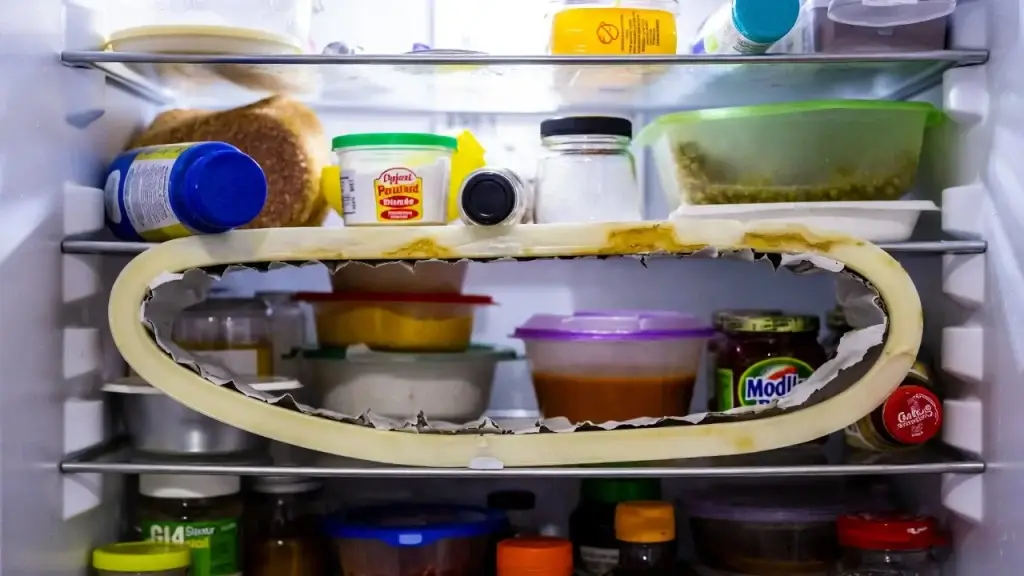
3. Inspect for Cracks and Tears
Look for:
- Splits in the rubber
- Warped corners
- Hardened sections
- Missing magnetic strips
4. Lubricate Dry Rubber
A small amount of food-safe silicone lubricant can help maintain flexibility.
5. Replace Severely Damaged Gaskets
Most modern refrigerator gaskets are model-specific and should match the appliance exactly. Universal replacements rarely provide the same sealing performance.
6. Improve Kitchen Organization
Proper kitchen organization prevents doors from staying open too long and reduces strain on seals.
7. Practice Refrigerator Maintenance
Regular refrigerator maintenance extends gasket life and improves overall efficiency.
Additional benefits include:
- Better food storage tips implementation
- Reduced energy waste
- Improved cooling consistency
- Longer compressor lifespan
- Better performance from energy-efficient appliances
For official refrigerator energy-saving recommendations, review guidance from the U.S. Department of Energy Energy Saver Program.
![Image of a modern side-by-side refrigerator with organized shelves and fresh food storage. Prompt: “A sleek, modern refrigerator with neatly organized shelves, fresh vegetables, beverages, meal prep containers, bright contemporary kitchen, photorealistic, ultra-detailed, high resolution”]
Step-by-Step Guide
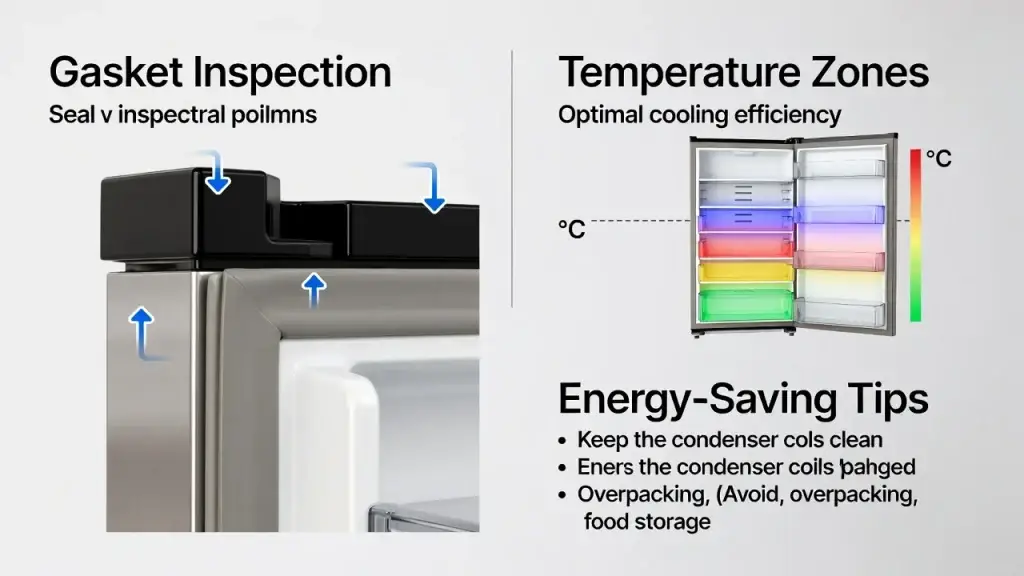
- Unplug the refrigerator.
- Open the door completely.
- Inspect the entire refrigerator door seal.
- Clean dirt and debris from gasket folds.
- Perform the dollar bill test around the perimeter.
- Check for cracks, tears, and warping.
- Apply food-safe lubricant if the rubber feels dry.
- Replace the gasket if significant damage is present.
When replacing a refrigerator gasket:
- Locate your model number.
- Order the exact replacement gasket.
- Warm the new gasket if folded during shipping.
- Install according to manufacturer instructions.
- Test the seal after installation.
Most homeowners can complete a refrigerator gasket replacement in less than one hour.
Expert Tips & Common Mistakes
Pro Tips
- Clean seals monthly to prevent mold buildup.
- Inspect corners carefully because leaks often begin there.
- Keep food containers clear of the door edge.
- Check seals seasonally during hot weather.
- Replace damaged gaskets early before compressor damage occurs.
Common Mistakes to Avoid
- Ignoring condensation around the door.
- Using harsh chemicals that damage rubber.
- Assuming all refrigerator gaskets are universal.
- Waiting until food spoilage becomes noticeable.
A surprising mistake many homeowners make is overfilling the refrigerator. Crowded shelves can prevent doors from closing properly, weakening the refrigerator seal over time.
Another common issue involves cleaning products. Experts recommend avoiding bleach and abrasive cleaners because they can damage gasket materials and shorten their lifespan.
For 2026 smart refrigerators, many manufacturers now include door-open alerts and seal-monitoring sensors that help detect cooling loss before major problems develop.
The refrigerator is perhaps the most important appliance in the modern kitchen — neglect it, and everything else falls apart.”— Alton Brown, Food Scientist & TV Host, Good Eats
FAQs
What is a refrigerator door gasket?
A refrigerator door gasket is a flexible rubber seal that surrounds the refrigerator door. It creates an airtight barrier that keeps cold air inside and prevents warm air from entering.
How do I know if my fridge gasket is bad?
Common signs include condensation around the door, frost buildup, higher electricity bills, food spoilage, and a failed dollar bill test.
Can I repair a refrigerator door seal instead of replacing it?
Minor issues such as dirt buildup or slight warping may be fixed through cleaning or reshaping. Torn or cracked gaskets typically require replacement.
How long does a refrigerator gasket last?
Most refrigerator gaskets last several years depending on usage, maintenance, humidity levels, and cleaning habits.
Are refrigerator gaskets universal?
No. Most refrigerator door seals are model-specific and should be matched to the exact appliance model.
Can a bad refrigerator seal increase energy bills?
Yes. Air leaks force the compressor to run longer, increasing energy consumption and operating costs.
How often should I clean my fridge door seal?
Monthly cleaning is recommended to prevent mold, maintain flexibility, and ensure an effective airtight seal.
Conclusion
A healthy refrigerator door gasket is one of the simplest ways to improve cooling performance, reduce energy costs, and protect your food. Whether you call it a fridge gasket, refrigerator gasket, fridge door seal, or refrigerator seal, its role remains critical.
Regular inspection, cleaning, and timely replacement can prevent expensive repairs and keep your appliance running efficiently for years. Modern 2026 refrigerators may feature smart sensors and AI-powered cooling systems, but they still depend on a strong refrigerator door seal to operate properly.
If you’ve noticed condensation, frost buildup, or rising utility bills, don’t ignore the warning signs. A quick gasket inspection today could save money and extend the life of your refrigerator tomorrow.

Hi, I’m the lead researcher and appliance enthusiast behind RefrigeratorSolve. With years of hands-on experience troubleshooting cooling systems and testing home appliances, I am dedicated to bringing you honest reviews, energy-saving tips, and practical solutions to keep your refrigerator running perfectly.