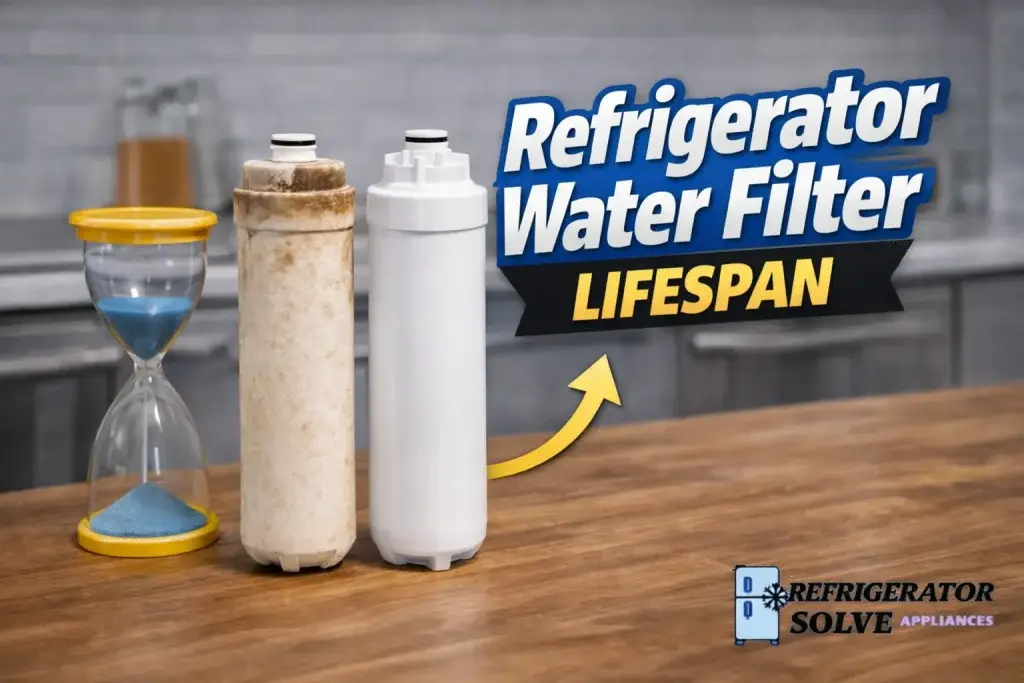
A refrigerator water filter typically lasts about 6 months or 200–300 gallons of water before it should be replaced. This ensures the filter continues removing contaminants and keeping water tasting clean. However, heavy usage or poor water quality can shorten its lifespan, so some households may need replacement sooner.
Refrigerator water filters help remove chlorine, sediment, and other contaminants from your drinking water and ice. But many homeowners don’t know how long these filters actually last.
Using an old filter can reduce water quality and even slow water flow from your fridge dispenser. Understanding the real lifespan of a refrigerator water filter helps you maintain clean water and avoid unnecessary problems.
In this guide, you’ll learn how long fridge filters last, what affects their lifespan, warning signs to watch for, and how to extend filter performance.
Why This Topic Matters
Many people forget to replace their refrigerator water filter on time. That can cause several issues:
- Water may start tasting or smelling strange.
- Filters can become clogged and reduce water pressure.
- Old filters may stop removing contaminants effectively.
Research shows most refrigerator filters are designed to last around six months under normal household use.
If they are not replaced regularly:
- Contaminants can build up inside the filter.
- Filtration performance decreases.
- Bacteria may begin to grow in saturated filters.
Key Facts / Observations
Most refrigerator filters use activated carbon technology to reduce chlorine, odors, and certain contaminants in drinking water.
Environmental and appliance experts note that filters have a service cycle based on months or gallons filtered, meaning performance declines after reaching that limit.
“Most manufacturers recommend replacing the filter every six months or after about 300 gallons.”
That recommendation exists because filtration media becomes saturated over time and cannot remove contaminants as effectively.

How long does a refrigerator water filter last?
Most refrigerator water filters last:
| Filter Type | Typical Lifespan |
|---|---|
| Standard fridge filter | ~6 months |
| High-capacity filter | 9–12 months |
| Reverse osmosis systems | 12–24 months |
Manufacturers typically recommend replacing the filter twice per year to maintain water quality.
Another common guideline is:
- Replace after 200–300 gallons of water have been filtered.
What affects refrigerator water filter lifespan?
1. Water quality
If your water contains more sediment or minerals, the filter will clog faster.
2. Household size
More people using water and ice means the filter reaches its capacity sooner.
Example estimate:
- 1–2 people: 6–9 months
- 3–4 people: 4–6 months
- 5+ people: 3–4 months
3. Filter type
Different filtration technologies have different durability levels.
4. Ice maker usage
Using ice frequently also consumes filtered water and shortens filter life.
What happens if you don’t replace the filter?
Using an old refrigerator filter can cause:
- Reduced water flow
- Bad taste or odor
- Contaminant buildup
- Reduced filtration performance
In some cases, clogged filters can even allow bacteria growth.
Signs your refrigerator water filter needs replacement
Watch for these warning signs:
- Water tastes strange
- Slow water flow from dispenser
- Ice smells or looks cloudy
- Filter indicator light turns on
- It has been more than 6 months
These are common indicators the filter has reached the end of its lifespan.
How to extend refrigerator water filter lifespan
Follow these simple tips:
- Replace filters on schedule
- Install a pre-filter if water contains sediment
- Avoid running extremely dirty water through the fridge
- Use certified replacement filters
These steps help maintain consistent filtration and improve filter longevity.
Pros & Cons
| Pros | Cons |
|---|---|
| Improves taste and odor of water | Requires regular replacement |
| Removes common contaminants | Replacement filters cost money |
| Easy to install in most fridges | Lifespan depends on water quality |
| Provides cleaner ice | Can clog if neglected |
Expert Recommendation
If you use your refrigerator water dispenser regularly, replace the filter every six months to maintain safe and clean drinking water.
However, if you live in an area with poor water quality or have a large family, consider replacing it every 3–4 months.
A simple reminder on your phone or calendar can prevent filtration problems.
Common Mistakes to Avoid
Waiting too long to replace the filter
Solution: Set a 6-month reminder.
Ignoring slow water flow
Solution: Check and replace the filter immediately.
Buying non-certified filters
Solution: Choose NSF-certified replacements.
Forgetting ice maker usage
Solution: Remember ice also uses filtered water.
Who This Is Best For / Not Ideal For
Best for
- Homes using refrigerator water dispensers
- Families wanting better tasting drinking water
- People concerned about chlorine and sediment
Not ideal for
- Homes that rarely use fridge water
- Houses already using whole-house filtration systems
FAQs
How often should I replace my refrigerator water filter?
Most manufacturers recommend replacing it every 6 months or after 200–300 gallons of water use.
Can a fridge filter last longer than 6 months?
Sometimes yes, especially with low usage, but filtration performance may decrease.
What happens if I never change the filter?
Contaminants may build up, water flow can slow, and water quality may decline.
Do all refrigerators use the same filter lifespan?
No. Lifespan varies depending on model, filter type, and water quality.
Does ice use the same filter?
Yes. Refrigerator ice makers also use filtered water.
Conclusion
A refrigerator water filter usually lasts around six months, but real lifespan depends on water quality, usage, and filter type. Replacing it on time keeps your water tasting fresh and ensures contaminants continue to be reduced. Watch for warning signs like slow flow or bad taste, and follow manufacturer recommendations for the best results.

Hi, I’m the lead researcher and appliance enthusiast behind RefrigeratorSolve. With years of hands-on experience troubleshooting cooling systems and testing home appliances, I am dedicated to bringing you honest reviews, energy-saving tips, and practical solutions to keep your refrigerator running perfectly.