Most refrigerator filters do not remove E. coli; use certified disinfection instead.
If you want a safe kitchen and clean ice, this topic matters. I test drinking water systems and help families pick the right gear. This guide answers the big question, will refrigerator filters remove e coli, with clear steps, real examples, and science you can trust. Read on to protect your home and make smart choices.

How refrigerator filters work
Most fridge filters are carbon blocks. They trap sand, rust, and some tiny bits. They also improve taste by reducing chlorine and odors.
This is great for taste and smell. But taste is not the same as safety. Carbon helps with many chemicals. It is not a stand-alone germ killer.
When people ask, will refrigerator filters remove e coli, the design of carbon filters is the first clue. These filters are not made to kill or fully remove live bacteria on their own.
What E. coli is and how it spreads
E. coli is a type of bacteria. Some strains are harmless. Others can make you very sick.
It gets into water through sewage, animal waste, or a broken pipe. A storm, a flood, or a main break can spike risk fast. You cannot see or taste E. coli in water. Only a test can confirm it.

Will a refrigerator filter remove E. coli?
Short answer: usually no. Most fridge filters are certified for taste and basic particles only. They often meet NSF/ANSI 42 and sometimes 53. These standards do not prove live bacteria removal.
E. coli cells are tiny. A carbon filter may catch some by chance. But it is not a safe plan. Worse, once chlorine is removed by the filter, bacteria can grow inside the filter over time.
Many readers type will refrigerator filters remove e coli into a search bar. The safest answer is no, unless your fridge has a tested system made for germs. Look for a unit certified for microbial reduction, not just for taste.
Certifications that matter for microbial safety
Look for these labels if germs are your concern.
- NSF/ANSI 42. Aesthetic effects. Taste, odor, and chlorine reduction. Not a germ claim.
- NSF/ANSI 53. Health effects for certain chemicals and cysts. Some filters reduce cysts like Giardia. This is not the same as bacteria removal.
- NSF/ANSI 401. Emerging compounds like some drugs and herbicides. Not bacteria.
- NSF/ANSI 244. Supplemental microbiological treatment for already treated public water. Shows reduction of bacteria under set conditions.
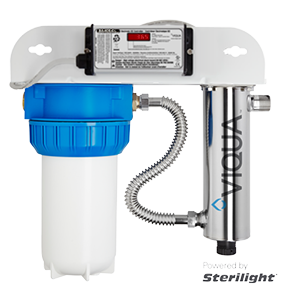
- NSF/ANSI 55 Class A. UV disinfection systems. Class A is sized to inactivate bacteria and viruses.
- NSF P231. A protocol for microbiological purifiers. Proves high log reduction of bacteria, viruses, and cysts.
If a label does not state a microbiological claim with one of these, assume it does not remove E. coli. When in doubt, ask the maker in writing. This is key if you keep asking, will refrigerator filters remove e coli.

What to do if you suspect E. coli or get a boil-water notice
Do not use the fridge water or ice. Make and drink boiled or bottled water. Toss all ice from the icemaker. Turn the icemaker off.
After the notice ends, flush your system. Run the water dispenser for a few minutes. Discard the first two full bins of ice. Replace the fridge filter.
If you still worry, add a certified UV unit or a point-of-use purifier. This is the sure way to stop asking, will refrigerator filters remove e coli, and start using a proven fix.

Real-world tips and mistakes to avoid
I once helped a family after a storm. Their tap had E. coli. They kept using the fridge for ice because it tasted fine. The filter hid the chlorine taste, but it did not make the water safe. They got sick.
Here are lessons you can use.
- Do not confuse taste with safety. Clear water can still carry germs.
- Replace filters on time. Old filters can grow bacteria.
- Check certifications before a crisis. Buy once, not twice.
- Keep a backup. Store a countertop purifier or a small UV unit.
If you ever ask yourself, will refrigerator filters remove e coli, stop and check the label before you drink.

How to read your filter label like a pro
Look for the NSF mark. Next, find the standard number. Then read the claims list.
- If you see only 42, think taste and odor.
- If you see 53, look for cyst reduction. That is not the same as bacteria.
- For bacteria, look for NSF 244, NSF 55 Class A UV, or NSF P231.
No clear claim means no safe claim. This simple check answers, will refrigerator filters remove e coli, for your exact model.
Maintenance and replacement best practices
Swap the filter at the maker’s set time, or sooner if flow slows. Wipe the dispenser area often. Clean slime or film you can see.
After a boil-water notice, always replace the filter. Then flush the line. These steps cut risk from trapped germs.
Set a reminder on your phone. Small steps keep your water safer and your filter working well.

When to upgrade beyond a fridge filter
If your water source is a private well, add more than a fridge filter. Consider a point-of-use UV light, a reverse osmosis system with a post-UV, or a purifier tested to NSF P231.
If you live in a city but face repeat boil notices, a UV unit under the sink is a smart add. It treats water for the fridge, sink, and ice. It stops the worry behind will refrigerator filters remove e coli.
Frequently Asked Questions of will refrigerator filters remove e coli
Will refrigerator filters remove e coli?
Most do not. Unless the filter or system is certified for microbiological reduction, it should not be trusted to remove E. coli.
How can I tell if my filter removes bacteria like E. coli?
Check for certifications such as NSF/ANSI 244, NSF P231, or a UV system with NSF/ANSI 55 Class A. If you only see NSF 42 or 53 without a microbial claim, it is not rated for bacteria.
Is reverse osmosis enough to handle E. coli?
RO membranes can block many microbes, but many systems pair RO with UV or a certified microbial stage. Look for systems tested for bacterial reduction for best safety.
What should I do with my icemaker during a boil-water notice?
Turn it off, discard all ice, and do not use the dispenser. After the notice ends, replace the filter, flush the line, and discard the first two bins of ice.
Can a carbon block filter make bacteria grow?
Yes, once chlorine is removed, bacteria can grow on the filter over time. This is why timely replacement and proper disinfection matter.
Why does water taste fine if it might contain E. coli?
Taste is not a safety test. E. coli has no taste or odor, so only lab tests and certified treatment can confirm safety.
Do all-in-one fridge filters ever remove E. coli?
A few advanced models include UV or have microbial certifications, but they are rare. Always confirm the exact certification and claim on the spec sheet.
Conclusion
Most fridge filters improve taste, not safety. For real protection against E. coli, look for clear microbial certifications or add UV or a tested purifier. If you face a boil notice, do not use the fridge water or ice, replace the filter after, and flush the system.
Take five minutes today to check your filter label and model. If it is not certified for germs, upgrade your setup. Want more help? Subscribe for step-by-step guides, or drop a question in the comments so I can help you pick a safe, simple solution.

Hi, I’m the lead researcher and appliance enthusiast behind RefrigeratorSolve. With years of hands-on experience troubleshooting cooling systems and testing home appliances, I am dedicated to bringing you honest reviews, energy-saving tips, and practical solutions to keep your refrigerator running perfectly.