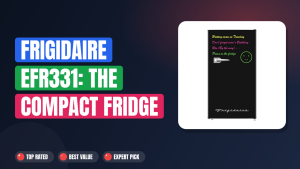
What are the pros and cons of mini fridges? In my experience, the pros include fantastic convenience and space-saving design, while the cons often involve energy use and limited storage capacity. It’s a trade-off between immediate access and long-term considerations like your electricity bill and kitchen space.
My Mini Fridge Love Affair (And a Few Reality Checks)
I’ll never forget my first mini fridge. It was a hand-me-down from my cousin when I moved into my college dorm, its hum a constant companion during late-night study sessions. It held my precious stash of sodas, leftover pizza, and, let’s be honest, a few forgotten science experiments. Since then, I’ve owned several more in home offices, a garage workshop, and now my bedroom for midnight water bottle refills without the trek downstairs.
I’ve learned a lot about these compact appliances. They seem simple, but deciding if one is right for you isn’t always straightforward. You might be a student in a dorm, a professional in a small apartment, or someone just wanting cold drinks while binge-watching your favorite show. I get it. The desire for that cold drink or a quick snack without a long walk is a real feeling.
So, let’s talk about it. Based on my years of using, buying, and sometimes struggling with these units, I’ve put together a honest look at the good, the bad, and the things you might not have considered. My goal is to help you figure out if a mini fridge will be your new best friend or just another thing taking up space.
The Sunny Side Up: The Pros of Mini Fridges
Let’s start with the fun part all the reasons you’ll probably love having one.
1. Unbeatable Convenience and Accessibility.
This is the number one reason people, including myself, adore mini fridges. That “grab-and-go” ease is a total lifesaver. Whether you’re working from home and don’t want to break your flow for a snack, or you’re cozy in bed and want a cold drink, having your essentials within arm’s reach is a small luxury that feels huge. It saves time and effort, plain and simple.

2. A Space-Saving Champion for Small Homes.
If you live in a studio apartment, a dorm room, or just have a small kitchen, a full-size refrigerator can dominate the space. A mini fridge, however, fits perfectly into tight corners. You can tuck it under a desk, in a closet, or on a countertop. For tiny living situations, it’s a practical solution that makes your home feel more functional without eating up your entire floor plan.

3. Perfect for Specialized Storage Needs.
Your main kitchen fridge is a communal space for family groceries. A mini fridge is your personal domain. You can use it for:
- Skincare Products: Keeping certain creams and serums cool can help preserve their potency.
- Baby Formula or Breast Milk: Having a dedicated, clean unit right in the nursery is a major help for middle-of-the-night feedings.
- Medications: Some prescriptions require consistent, cool temperatures.
- Your Favorite Beverages: Keep your sodas, craft beers, or white wine chilled and separate from the family’s orange juice and milk.

4. An Energy Efficiency Question, Answered Right.
Now, this one comes with a big “it depends.” An old, cheap mini fridge might use more energy than you’d think. But a modern, Energy Star-rated mini fridge can be surprisingly efficient, especially if it’s a newer model. Because its interior is small, it doesn’t have to work as hard to cool down as a large, half-empty fridge sometimes does. If you choose wisely, you can keep your energy costs low.
5. Budget-Friendly and Flexible.
Compared to a full-sized refrigerator, the initial purchase price of a mini fridge is generally much easier on your wallet. This makes it a great option for students, renters, or anyone on a tight budget. Furthermore, its portability is a huge plus. If you move apartments frequently, you can just unplug it, pack it in your car, and take it with you—no need to deal with the hassle of moving a giant appliance.
6. Extra Storage for Parties and Gatherings.
When you’re hosting a party, the main kitchen fridge is often packed with food. A mini fridge can be a hero, serving as a dedicated drink center in the garage or living room. This keeps traffic out of the kitchen and lets guests help themselves without crowding.
“The simplest tools often solve the most persistent problems. My mini fridge didn’t just hold my drinks; it gave me back my time and peace.” — David Chen, Home Organization Blogger
The Other Side of the Coin: The Cons of Mini Fridges
Okay, now for the reality check. To make a good choice, you need to know the potential downsides. These aren’t deal-breakers for everyone, but they’re important to think about.
1. Limited Food Storage Capacity.
This is the most obvious drawback. A mini fridge is, well, mini. You won’t be doing a weekly grocery haul for a family of four and fitting it all inside. It’s designed for snacks, drinks, and a few essentials. Storing a large pizza box can sometimes be a challenge! You have to be realistic about what you can fit and be prepared to shop for groceries more often.
2. The Annoyance of Noise and Heat.
All refrigerators generate a certain amount of noise and release heat as part of their cooling process. Because a mini fridge is often in your living space—like a bedroom or home office—that gentle hum or compressor kick-on sound can be distracting. If you’re a light sleeper or need absolute quiet to focus, this is a major factor to consider. They also need proper ventilation space around them, so cramming it into a totally enclosed cabinet isn’t a good idea.
3. Potential Impact on Your Electricity Bill.
I mentioned that an efficient model can be cheap to run, but the opposite is also true. An older, inefficient mini fridge, especially one that’s constantly opened and closed or set in a hot garage, can become a little energy vampire. This is a common customer pain point—the surprise of a slightly higher utility bill. Always look for the Energy Guide label to estimate yearly costs.
4. Condensation and Maintenance Issues.
Some mini fridge models, particularly the more basic ones, can be prone to condensation buildup inside or even leaking. This happens when there’s a difference between the internal cold temperature and the external room temperature. It means you might need to wipe down the interior every so often to prevent mold and keep things dry. It’s not a huge task, but it’s an extra bit of maintenance you don’t have with most modern full-size fridges.
5. Temperature Consistency Can Vary.
Not all mini fridges are created equal. Some cheaper models might struggle to maintain a consistent, safe temperature for storing perishable food like raw meat or dairy. The temperature might fluctuate more than in a standard refrigerator. For drinks and snacks, this is less critical, but if you plan to store anything that could spoil, you need a reliable unit with good reviews on its cooling performance.
6. It’s Another Appliance to Manage.
This sounds simple, but it’s worth remembering. A mini fridge is another item in your home that needs cleaning, defrosting (if it’s not frost-free), and will eventually need repair or disposal. It adds one more thing to your mental load and chore list.
“Convenience has a cost, but so does inconvenience. Weigh the price of the appliance against the value of your own comfort and time.” — Maria Rodriguez, Personal Finance Coach
Making Your Choice: A Simple Guide
Feeling stuck? Don’t worry. Here’s a straightforward way to think it through.
Ask yourself these questions:
- What is my primary use for it? (Drinks, skincare, baby food, office snacks?)
- How much space do I truly need? Measure your available spot and check the fridge’s dimensions.
- Where will I put it? Ensure there’s enough space around it for air to circulate.
- What’s my budget for both the purchase and my monthly energy cost?
- How important is noise level to me? Read user reviews specifically mentioning noise.
If you decide to get one, here are my tips for a happy experience:
- Look for Energy Star Certification: This is your best bet for keeping running costs low.
- Read User Reviews: Pay close attention to comments about noise, cooling performance, and reliability.
- Consider a Frost-Free Model: This saves you the hassle of manual defrosting.
- Don’t Overpack It: Good air circulation inside is key for consistent cooling.
- Place it Wisely: Keep it out of direct sunlight and away from heat sources like ovens or radiators.
Frequently Asked Questions for Pros and Cons of Mini Fridges
Are mini fridges expensive to run?
It really depends on the model and how you use it. A new, energy-efficient mini fridge might cost only $20-30 a year to run, while an old, inefficient one in a hot garage could cost much more. Always check the yellow EnergyGuide label.
Can I safely store perishable food like milk and meat in a mini fridge?
Yes, but you need to be confident in the appliance. Choose a quality model known for maintaining a safe temperature (below 40°F / 4°C). Avoid overpacking it and check the temperature periodically with a fridge thermometer.
What’s the average lifespan of a mini fridge?
With proper care, a good quality mini fridge can last between 5 to 10 years. This is often shorter than a full-size refrigerator, but the lower initial cost can balance this out.
Is a mini fridge or a compact refrigerator better?
The terms are often used interchangeably, but “compact refrigerator” sometimes refers to slightly larger units (like 4-5 cubic feet) that may include a tiny freezer compartment, while “mini fridge” often describes the very small, basic 1-3 cubic foot models. Your choice should be based on the space you have and the features you need.
“The best purchase is an informed one. Knowing both the benefits and the limitations of something as simple as a fridge turns a potential regret into a valued tool.” — James Wilson, Consumer Advocate
My Final Thoughts
So, after all this, what’s the verdict? From my perspective, a mini fridge is a fantastic investment if it solves a specific problem for you. The convenience it offers is real and tangible. It gave me back precious time and added a layer of comfort to my daily life that I now appreciate.
However, it’s not a necessity for everyone. The limited space, potential for noise, and impact on your electricity bill are real factors you have to weigh.
Think about your own daily habits and pain points. Is that trip to the kitchen a minor inconvenience or a major disruption? Is your countertop space more valuable than having cold drinks nearby? Your answers to these questions will guide you to the right choice. For me, the pros have consistently outweighed the cons, making my mini fridge a small but mighty part of my home. I hope my experience helps you decide if it will be the same for you.

Hi, I’m the lead researcher and appliance enthusiast behind RefrigeratorSolve. With years of hands-on experience troubleshooting cooling systems and testing home appliances, I am dedicated to bringing you honest reviews, energy-saving tips, and practical solutions to keep your refrigerator running perfectly.