Are you tired of your fruit going bad too quickly in the fridge? Storing fruit the right way can make a huge difference in keeping it fresh, tasty, and ready to eat.
Imagine opening your fridge and finding crisp apples, juicy berries, and sweet grapes that last for days longer. You’ll discover simple, practical tips to store your fruit so it stays fresh and delicious. Keep reading, and you’ll never waste fruit again!
Choosing Fruits For Refrigeration
Choosing fruits for refrigeration is key to keeping them fresh longer and tasty. Not all fruits do well in the cold. Some fruits last longer and stay crisp when kept in the fridge. Others lose flavor or spoil faster if chilled. Knowing which fruits need cold storage helps with prolonging fruit freshness and reduces waste.
Using the right fruit storage containers also makes a big difference in refrigerator fruit preservation. Understanding the fruit ripening process guides how to store fruits properly, whether in the fridge or on the counter.
Fruits That Thrive In Cold
Cold storage fruits handle low temperatures well and stay fresh longer in the fridge. These fruits are less sensitive to ethylene, a gas that speeds up ripening. Storing berries in fridge containers designed for airflow helps prevent mold and damage. Cold storage slows down the fruit ripening process, keeping fruits firm and tasty. Common fruits that thrive in cold include:
- Apples: Keep fresh up to several weeks in the fridge.
- Grapes: Store in perforated fruit storage containers to avoid moisture buildup.
- Berries: Blueberries, strawberries, and raspberries stay fresh longer when refrigerated.
- Cherries: Refrigerate to maintain firmness and sweetness.
- Kiwis: Last longer in cold storage but avoid freezing.
Using specialized fruit storage containers with vents can extend freshness by controlling humidity and airflow. Below is a simple table to summarize the best fruits for fridge storage:
| Fruit | Storage Tip | Shelf Life in Fridge |
|---|---|---|
| Apples | Keep in crisper drawer, away from strong-smelling foods | 3-4 weeks |
| Grapes | Store in ventilated container, do not wash until eating | 1-2 weeks |
| Berries | Use shallow container, lined with paper towels | 3-7 days |
| Cherries | Keep dry, store in plastic bag or container | 5-7 days |
| Kiwis | Wrap in paper towel, store in fridge | 1-2 weeks |
Keeping cold storage fruits separate from ethylene-sensitive fruits prevents early ripening and spoilage. Follow these fruit storage tips to get the most from your refrigerated fruits.
Fruits Better Left At Room Temperature
Certain fruits need room temperature fruit storage to develop flavor and texture properly. Refrigerating these can disrupt the fruit ripening process and cause a mealy texture or loss of sweetness. Ethylene-sensitive fruits often belong to this group. They ripen best outside the fridge and should be moved to cold storage only after ripening fully.
Here are some common fruits better left at room temperature:
- Bananas: Keep on the counter until fully ripe, then refrigerate to slow further ripening.
- Mangoes: Store at room temperature to ripen, then move to fridge to preserve.
- Peaches and Nectarines: Ripen on the counter, refrigerate after ripening to prolong freshness.
- Avocados: Store at room temperature until soft, then refrigerate.
- Tomatoes: Best at room temperature for flavor; refrigeration can cause dullness and mealy texture.
Below is a quick guide showing which fruits benefit from room temperature first, then fridge storage:
| Fruit | Ripening Storage | Post-Ripening Storage |
|---|---|---|
| Bananas | Room Temperature | Refrigerate |
| Mangoes | Room Temperature | Refrigerate |
| Peaches | Room Temperature | Refrigerate |
| Avocados | Room Temperature | Refrigerate |
| Tomatoes | Room Temperature (Best) | Refrigerate (Not Recommended) |
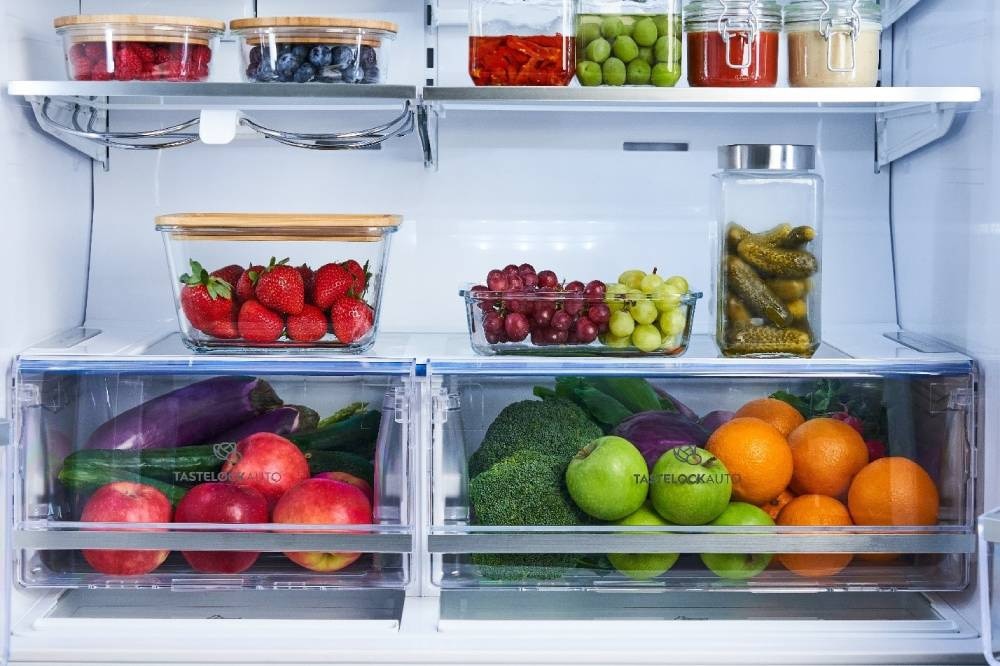
Storing these fruits at room temperature aids natural ripening and flavor development. Only refrigerate once ripe to slow down the fruit ripening process and extend shelf life. Use breathable fruit storage containers or bowls to avoid moisture buildup. Proper room temperature fruit storage protects texture and taste before moving fruits to cold storage.
Credit: www.electrolux.in
Preparing Fruits Before Storing
Preparing fruits before storing in the refrigerator is a key step to keep them fresh longer. Proper preparation helps slow down spoilage and preserves flavor and texture. By following simple Fruit Storage Techniques, you can extend fruit shelf life and enjoy crisp, delicious fruit every day. This section focuses on Washing Fruit Before Refrigeration and ways to prepare fruits for Cold Storage For Fruit.
Washing And Drying Tips
Washing fruit before refrigeration removes dirt, bacteria, and pesticides that can cause spoilage. Clean fruit also reduces the risk of mold growth in the fridge. Use cool running water and gently rub the fruit with your hands or a soft brush for best results. Avoid using soap or detergents as they may leave harmful residues.
- Wash fruit just before storing. Washing too early can add moisture and increase decay.
- Use a bowl of water with vinegar (1 part vinegar to 3 parts water) for extra cleaning, then rinse with fresh water.
- Dry fruit completely. Moisture causes fruit to spoil faster in the refrigerator.
Drying Fruit Tips: Use a clean kitchen towel or paper towels to pat fruit dry. For delicate fruits like berries, spread them on a towel and air dry for a few minutes. Proper drying reduces excess moisture and helps with Refrigerator Fruit Preservation.
| Fruit Type | Washing Method | Drying Method |
|---|---|---|
| Berries | Rinse gently under cold water | Pat dry with paper towel, air dry 5 mins |
| Apples, Pears | Rub under running water | Dry with clean cloth or paper towel |
| Grapes | Rinse in colander | Shake off water, pat dry |
Trimming And Packaging Methods
Trimming fruit for storage improves Fruit Freshness In Refrigerator and slows spoilage. Remove damaged or bruised parts before storing. Cut away leaves, stems, or cores that can cause moisture buildup or mold. This step helps with Refrigerator Fruit Preservation and Extending Fruit Shelf Life.
Packaging Fruit For Fridge is important to maintain freshness. Use containers or bags that allow airflow to prevent moisture buildup. Avoid airtight seals for fruits that need to breathe, like berries or peaches. Wrap sensitive fruits in paper towels to absorb excess moisture.
- Use perforated plastic bags or reusable mesh bags for most fruits.
- Store cut fruits in airtight containers lined with paper towels.
- Label packages with date to track freshness.
Cold Storage For Fruit works best with these Best Practices For Storing Fruit:
- Trim spoiled sections immediately.
- Place fruits in single layers to avoid crushing.
- Keep fruits separate from vegetables to reduce ethylene gas exposure.
Proper trimming and packaging help maintain texture and flavor. These simple steps support Refrigerator Fruit Preservation and make your fruit last longer and taste better.
Optimal Refrigerator Zones For Fruits
Storing fruit in the refrigerator requires careful attention to the right zones inside the appliance. Different areas have different temperatures and humidity levels, which affect how long fruit stays fresh. Knowing the optimal refrigerator zones for fruits helps in maintaining fruit freshness and preventing fruit spoilage. Proper refrigerator fruit organization ensures each fruit gets the right environment to stay tasty and safe to eat.
Crisper Drawer Benefits
The crisper drawer is designed to keep fruits fresh longer by controlling humidity. This crisper drawer advantage creates a perfect environment for many fruits. It balances moisture and air flow to slow down decay.
- High humidity setting helps keep fruits like apples, grapes, and pears crisp.
- Low humidity setting is good for fruits that release ethylene gas, like berries and cherries, to avoid spoiling.
The drawer also limits exposure to dry air from the fridge. This reduces fruit dehydration and browning. Storing berries in fridge inside the crisper drawer protects their delicate skin and flavor.
| Fruit Type | Recommended Crisper Setting | Benefits |
|---|---|---|
| Apples, Pears | High Humidity | Prevents shriveling and keeps them crisp |
| Berries, Grapes | Low Humidity | Reduces mold growth and decay |
| Citrus Fruits | High Humidity | Maintains juiciness and freshness |
Use the crisper drawer for most fruits to take advantage of optimal humidity for fruit. Keep fruits separated to reduce the effects of ethylene gas and fruit ripening. This prevents early spoilage and helps in prolonging fruit shelf life.
Avoiding Temperature Extremes
Temperature control for fruit is crucial to avoid damage. Some fruits get spoiled or lose flavor if stored too cold or too warm. The fridge has zones with varying temperatures, such as the door, shelves, and crisper drawer.
The door is the warmest spot. It suits condiments but not most fruits. Keep fruit on middle or lower shelves where the temperature stays steady. Avoid placing fruit near the freezer section to prevent freezing damage.
- Too cold: Fruits like bananas and tomatoes can turn mushy.
- Too warm: Berries and grapes spoil quickly.
- Stable temperature zones reduce stress on fruit cells.
Here is a simple guide for fruit storage tips by refrigerator zones:
| Zone | Temperature Range | Best For |
|---|---|---|
| Crisper Drawer | 32°F – 40°F (0°C – 4°C) | Most fruits needing humidity control |
| Middle Shelves | 36°F – 40°F (2°C – 4°C) | Hardy fruits like apples and citrus |
| Door | 45°F – 50°F (7°C – 10°C) | Not recommended for fruits, better for condiments |
Following these temperature zones helps in preventing fruit spoilage and prolonging fruit shelf life. Proper refrigerator fruit organization combined with temperature control improves fruit quality and taste.
Storage Containers And Materials
Storing fruit properly in the refrigerator helps keep it fresh longer and reduces waste. Choosing the right storage containers and materials plays a big role in fruit freshness in fridge. Using containers that allow air flow and prevent moisture buildup keeps fruit crisp and tasty. Different fruits need different care, but good containers and wraps improve refrigerator fruit preservation for almost all types. Understanding which materials work best helps with fridge fruit organization and fruit storage tips for everyday use.
Using Breathable Bags And Wraps
Breathable bags for fruit are an excellent choice for storing fresh fruit in the fridge. These bags allow air circulation, which slows down the decay process and reduces moisture buildup inside. Plastic bags trap moisture and cause fruit to spoil faster. Breathable bags keep fruit dry, maintaining its natural texture and flavor.
Common breathable materials include:
- Mesh bags: Great for apples, oranges, and pears.
- Paper bags: Suitable for berries and grapes.
- Cloth wraps: Reusable and eco-friendly options that work for many fruit types.
Use breathable bags to:
- Keep fruit dry and fresh.
- Allow air to circulate around the fruit.
- Prevent mold and soft spots.
| Fruit Type | Recommended Breathable Wrap | Reason |
|---|---|---|
| Apples | Mesh bags | Good airflow prevents moisture buildup |
| Berries | Paper bags | Absorbs moisture, reduces mold risk |
| Grapes | Cloth wraps | Allows breathability and protects from bruising |
Using breathable bags helps in preventing fruit moisture and avoiding fruit spoilage. These wraps are simple, affordable, and improve extend fruit shelf life.
Avoiding Moisture Buildup
Preventing fruit moisture is key for good refrigerator fruit preservation. Moisture causes fruit to rot and grow mold quickly. Proper containers and materials help control humidity inside the fridge.
Tips for avoiding fruit spoilage due to moisture:
- Use containers with ventilation holes: Let excess moisture escape.
- Line containers with paper towels: Absorb extra moisture.
- Do not wash fruit before storing: Wash right before eating to reduce moisture.
- Store fruit separately: Keep wet fruits like berries away from dry ones.
Here is an example of fruit moisture prevention setup:
Container: Plastic with lid and ventilation holes Lining: Paper towel at the bottom Storage method: Place unwashed fruit inside, close lid loosely These simple steps improve fruit freshness in fridge and help maintain quality. Proper fruit wrapping and containers are important for fruit storage tips that save money and reduce waste.
Extending Fruit Freshness
Proper Refrigerator Fruit Storage plays a key role in prolonging fruit shelf life. The cold environment slows down decay but does not stop it. Keeping fruit fresh longer needs smart steps that control ripening and spoilage. Fruit ripening control helps reduce waste and saves money. Using simple methods, anyone can enjoy fresh fruit for days or weeks after buying. Two main ways to extend fruit freshness are separating ethylene producers and regularly checking for spoilage. These steps lower damage and keep fruit tasty and healthy.
Separating Ethylene Producers
Ethylene gas fruits release a natural gas called ethylene. This gas speeds up ripening and spoilage of nearby fruits. Some fruits produce more ethylene than others. Placing these fruits together causes faster decay. Separating ethylene producers from sensitive fruits helps control ripening and slows down spoilage.
Common ethylene gas fruits include:
- Apples
- Bananas
- Avocados
- Peaches
- Pears
- Tomatoes
These should be stored apart from fruits that are sensitive to ethylene, such as:
- Berries
- Grapes
- Cherries
- Watermelon
- Pineapple
| Ethylene Producers | Ethylene Sensitive Fruits |
|---|---|
| Apples, Bananas, Peaches | Berries, Cherries, Grapes |
| Pears, Tomatoes, Avocados | Watermelon, Pineapple |
Fruit Storage Tips for separating ethylene producers:
- Use separate containers or drawers in the fridge.
- Store berries in ventilated containers to reduce moisture.
- Keep ethylene producers in paper bags or away from other fruits.
- Do not mix ripe and unripe fruits in the same area.
Separating ethylene producers helps slow down fruit ripening. This control extends freshness and reduces waste. It is especially important for storing berries in fridge, as they spoil quickly near ethylene.
Regularly Checking For Spoilage
Preventing fruit spoilage starts with frequent inspection. Spoiled fruit releases mold and smells bad. It can also spread decay to other fruits nearby. Checking fruit freshness every 2-3 days helps catch spoilage early. Removing bad fruit keeps the rest fresh longer.
Signs to watch for during checking fruit freshness:
- Soft or mushy spots
- Discoloration or dark patches
- Unpleasant odor
- Visible mold or fuzz
- Wrinkled skin or shriveling
Follow these steps for better fruit storage:
- Look at all fruit surfaces carefully.
- Touch fruits gently to detect softness.
- Smell fruits for any off odors.
- Remove spoiled fruits immediately.
- Clean storage areas regularly to avoid mold buildup.
Regular checks help avoid large spoilage problems. It keeps the fridge environment clean and fresh. This simple habit supports fruit ripening control and improves prolonging fruit shelf life. It works well with separating ethylene producers for best results.

Credit: www.lovelyluckylife.com
Common Mistakes To Avoid
Proper fruit storage in the refrigerator helps keep fruit fresh longer and reduces waste. Many people make common mistakes that shorten fruit life and spoil flavors. Knowing what to avoid improves fresh fruit handling and supports extending fruit shelf life. Avoiding errors like mixing incompatible fruits or neglecting fridge cleanliness ensures better refrigerator fruit preservation. These simple tips help maintain the best texture and taste for all your fruits.
Storing Incompatible Fruits Together
One major mistake in fruit storage tips is placing incompatible fruits together. Some fruits produce ethylene gas, which speeds up ripening. Others are sensitive to this gas and spoil quickly when stored nearby. Mixing these types causes uneven fruit ripening in fridge and reduces freshness.
Examples of ethylene-producing fruits:
- Apples
- Bananas
- Avocados
- Peaches
- Pears
Fruits sensitive to ethylene gas include:
- Strawberries
- Blueberries
- Leafy greens
- Tomatoes (if refrigerated)
Keep ethylene producers separate from sensitive fruits, especially when storing berries in refrigerator. Berries spoil fast if near apples or bananas. Use different drawers or containers to avoid cross-contamination of gases.
| Ethylene Gas Fruits | Ethylene Sensitive Fruits |
|---|---|
| Apples | Strawberries |
| Bananas | Blueberries |
| Avocados | Leafy Greens |
| Peaches | Tomatoes (refrigerated) |
| Pears |
Use this table as a quick guide for incompatible fruit storage. Separate ethylene producers from sensitive fruits. This method prevents early spoilage and keeps fruit fresher longer.
Ignoring Refrigerator Cleanliness
Fridge cleanliness for fruits is often ignored but vital for fruit preservation. Dirty refrigerators harbor bacteria and mold, which speed fruit decay. Regular cleaning prevents contamination and keeps fruits safe to eat.
Key cleaning tips for better fruit storage:
- Wipe shelves and drawers weekly with mild soap and water.
- Remove spoiled or moldy fruits immediately.
- Keep fruits dry; moisture promotes mold growth.
- Use clean containers or bags for storing fruits.
- Check and clean fridge seals to avoid dirt build-up.
Maintaining a clean fridge supports the best temperature for fruit storage and helps control humidity levels. This environment slows down bacteria and mold. It also reduces cross-contamination among different fruits.
Remember, a clean fridge is essential for fresh fruit handling and refrigerator fruit preservation. It improves fruit quality and extends shelf life effectively.
Credit: www.electrolux.in
Frequently Asked Questions
How Should I Prepare Fruit Before Refrigerating?
Wash fruit gently under cold water and dry thoroughly. Remove any damaged or bruised spots to prevent spoilage. Store fruits in breathable containers or perforated plastic bags to maintain freshness and avoid moisture buildup inside the refrigerator.
Which Fruits Last Longest In The Refrigerator?
Apples, pears, grapes, and berries tend to last longest when refrigerated. Keep them in the crisper drawer for optimal humidity. Avoid storing bananas and citrus fruits in the fridge as they may lose flavor or develop chilling injuries.
Can I Store Cut Fruit In The Fridge?
Yes, store cut fruit in airtight containers to prevent drying out and odor absorption. Use plastic wrap or resealable bags if containers aren’t available. Consume cut fruit within 2-3 days for best taste and safety.
Should Fruit Be Stored Together Or Separately In Fridge?
Store fruits separately based on ethylene sensitivity. Keep ethylene-producing fruits like apples away from ethylene-sensitive ones like berries. This prevents premature ripening and spoilage, extending overall fruit freshness in your refrigerator.
Conclusion
Storing fruit correctly helps keep it fresh and tasty longer. Keep fruits dry and separate from vegetables. Use proper containers or bags to avoid moisture. Remember, some fruits need cold, others do not. Check fruits often to remove any spoiling pieces.
Small changes make a big difference in freshness. Enjoy your fruit with less waste and more flavor. Simple steps lead to better fruit storage every time.

Hi, I’m the lead researcher and appliance enthusiast behind RefrigeratorSolve. With years of hands-on experience troubleshooting cooling systems and testing home appliances, I am dedicated to bringing you honest reviews, energy-saving tips, and practical solutions to keep your refrigerator running perfectly.