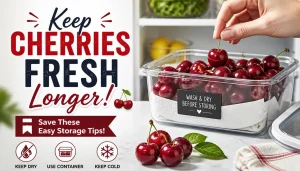
Keep citrus unwashed in a high-humidity crisper at 38–43°F with airflow.
If you want fruit that stays juicy and bright for weeks, you need a plan. Here, I show how to store citrus fruits in the refrigerator with the same method I use in test kitchens and at home. You’ll learn why cold storage works, the exact steps, the best containers, and the most common mistakes to avoid. Simple tips, big gains in shelf life and flavor.
Why the fridge works for citrus

Cold slows ripening and water loss. Citrus breathes less at 38–43°F, so it lasts longer. High humidity keeps the peel from drying and shriveling.
Citrus makes very little ethylene, but it still reacts to it. Keep it away from heavy ethylene makers like apples and bananas. This reduces peel pitting and off flavors.
Aim for these basics:
- Temperature: 38–43°F. Most home fridges run near 37–40°F, which is fine.
- Humidity: High. The crisper drawer holds more moisture than shelves.
- Airflow: Gentle flow is good. Stagnant air invites mold.
In produce storage research, cooler temperatures and higher humidity cut weight loss and decay. That is the backbone of how to store citrus fruits in the refrigerator with success.
Step-by-step: how to store citrus fruits in the refrigerator
- Sort and inspect. Remove bruised or moldy pieces. One bad fruit can spoil the rest. This first step is key in how to store citrus fruits in the refrigerator.
- Keep them dry. Do not wash before storing. If you must rinse, dry fully with a towel.
- Choose the right spot. Use the high-humidity crisper drawer. Set it to high if your drawer has a slider.
- Use a breathable bag or bin. A mesh bag, perforated bag, or vented bin works best. This is how to store citrus fruits in the refrigerator without trapping moisture.
- Avoid tight packing. Leave some space so air can move around the fruit.
- Separate by batch. Keep newer fruit behind older fruit. Use the older fruit first.
- Check weekly. Remove any soft or moldy pieces right away.
- Keep the peel clean. Wipe any juice drips in the drawer. Clean, dry drawers slow mold.
Follow these steps any time you ask how to store citrus fruits in the refrigerator and want steady results.
Best containers and setups
- Mesh produce bags: Breathable, reduce condensation, easy to sort.
- Perforated produce bags: Hold humidity while letting some air in and out.
- Vented produce bins: Great for drawers; keep fruit organized and off wet surfaces.
- Paper towel liner: One sheet under the fruit can catch droplets, then change as needed.
- Glass or plastic bins with vents: Use for neat stacking, but keep vents open for airflow.
Use containers that balance humidity and airflow. That simple gear choice is central to how to store citrus fruits in the refrigerator for longer life.

How long each citrus lasts in the fridge
Times vary with freshness at purchase and your fridge settings. These are typical ranges when you use best practices for how to store citrus fruits in the refrigerator:
- Lemons: 3 to 4 weeks. Thin-skinned Meyer lemons skew shorter.
- Limes: 3 to 4 weeks. They dry faster; high humidity helps.
- Oranges (navel, Valencia): 2 to 3 weeks. Navel can develop off flavors if held too long.
- Mandarins/tangerines/clementines: 1 to 2 weeks. Delicate and easy to bruise.
- Grapefruit: 3 to 4 weeks. Thick peel holds moisture well.
- Kumquats: 1 to 2 weeks. Small size dries out faster.
If you see mold, soft spots, or a sour, fermented smell, compost it. That is the safe call.
Whole, cut, or juiced: what changes in storage
Whole fruit keeps best. Once you cut it, the clock speeds up. Here is how to store citrus fruits in the refrigerator based on form:
- Halved lemons and limes: Store cut side down on a small plate or in an airtight container for 3 to 5 days. A small sealed jar with a splash of water can help, but change the water daily.
- Wedges and slices: Airtight container with a dry paper towel, 2 to 3 days.
- Zest: Airtight container, 3 to 5 days, or freeze for longer.
- Fresh juice: Sealed jar, 3 to 4 days. Fill to the top to limit air. For best flavor, use in 48 hours.
In my kitchen tests, an airtight jar kept lemon halves juicy for four days. A loose bag lost moisture by day two.
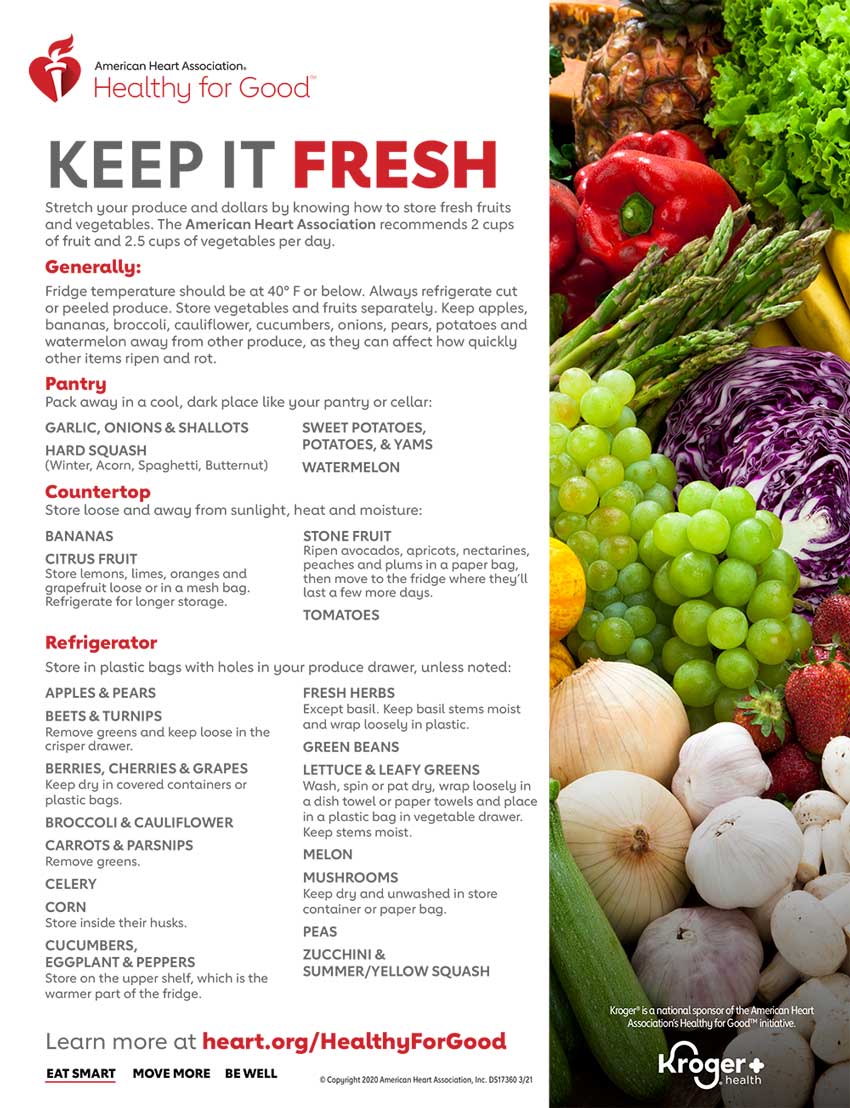
Common mistakes and easy fixes
- Washing before storage: Extra moisture speeds mold. Store unwashed, then rinse before use.
- Sealing wet fruit in plastic: Condensation builds. Dry the fruit and use vents or mesh.
- Overcrowding the drawer: No airflow, more decay. Give fruit space.
- Storing near apples or bananas: Ethylene speeds aging. Keep them apart.
- Ignoring the drawer: Leaks or rind oil can feed mold. Wipe the drawer monthly.
These fixes are the fastest way to master how to store citrus fruits in the refrigerator without waste.
:max_bytes(150000):strip_icc()/citrus-opener-102933716-horiz-0123-c4e0d75aa47348adb48106838e7f90dd.jpg)
Smart placement and produce pairing
- Use the high-humidity crisper for citrus. It locks in moisture.
- Keep citrus away from leafy greens if the greens wilt fast. Greens like high humidity too, but citrus oils can rub off.
- Do not stack under heavy produce. Mandarins bruise with weight.
- Keep a small airflow gap around bins.
Tight, clean organization is part of how to store citrus fruits in the refrigerator for both freshness and food safety.
Bonus: when the drawer overflows, prep for freezing
Sometimes you buy a big bag on sale. Use the fridge for the near term and freeze the rest.
- Juice and freeze in ice cube trays. Pop cubes into a freezer bag.
- Zest before juicing and freeze the zest flat in a bag.
- Peel and segment oranges or grapefruit; freeze on a tray, then bag.
Freezing is not the same as how to store citrus fruits in the refrigerator, but it saves flavor and cuts waste when you have too much.
Frequently Asked Questions of how to store citrus fruits in the refrigerator
Should I wash citrus before refrigerating?
No. Moisture on the peel can invite mold. Store it dry, and wash right before you use it.
Do lemons last longer in the fridge or on the counter?
In the fridge. Cold and humidity can triple their life compared to room temp.
Can I store citrus with other fruits?
Yes, but keep it away from high-ethylene fruits like apples and bananas. That helps reduce peel damage and off flavors.
What is the best temperature for citrus in the fridge?
Aim for 38–43°F. Most home fridges are near 37–40°F, which is within range.
How do I store cut citrus to keep it juicy?
Use an airtight container. For halves, place cut side down or use a small sealed jar.
Why do my mandarins mold faster than oranges?
The skin is thin and tears easily. Handle gently, keep them dry, and give them space.
Is it okay to keep citrus in a sealed plastic bag?
Only if the fruit is very dry and the bag has vents. Otherwise, use mesh or a vented bin.
Conclusion
You now know how to set the right temperature, manage humidity, pick smart containers, and spot early spoilage. Put these small steps into practice and you will waste less and enjoy brighter flavor every week. Start today: sort your fruit, line the crisper, and try one new storage upgrade. Want more quick kitchen wins? Subscribe for fresh tips or drop a question in the comments.

Hi, I’m the lead researcher and appliance enthusiast behind RefrigeratorSolve. With years of hands-on experience troubleshooting cooling systems and testing home appliances, I am dedicated to bringing you honest reviews, energy-saving tips, and practical solutions to keep your refrigerator running perfectly.