Have you ever wondered why so many people choose to install filters in their refrigerator ice makers? It’s not just about keeping things clean—your ice quality and even the health of your appliance depend on it. This is a key consideration when thinking about why do people install filters in their refrigerator.
When you rely on unfiltered water, you might be inviting unwanted tastes, odors, and even harmful contaminants into your ice. Plus, minerals and sediments can build up inside your machine, leading to costly repairs or replacements. By installing a filter, you’re taking a simple but powerful step to ensure every ice cube is fresh, pure, and safe.
Keep reading to discover exactly why adding that filter can make a big difference for you and your family.
Understanding why do people install filters in their refrigerator can help you appreciate the importance of clean ice.
Benefits Of Ice Maker Filters
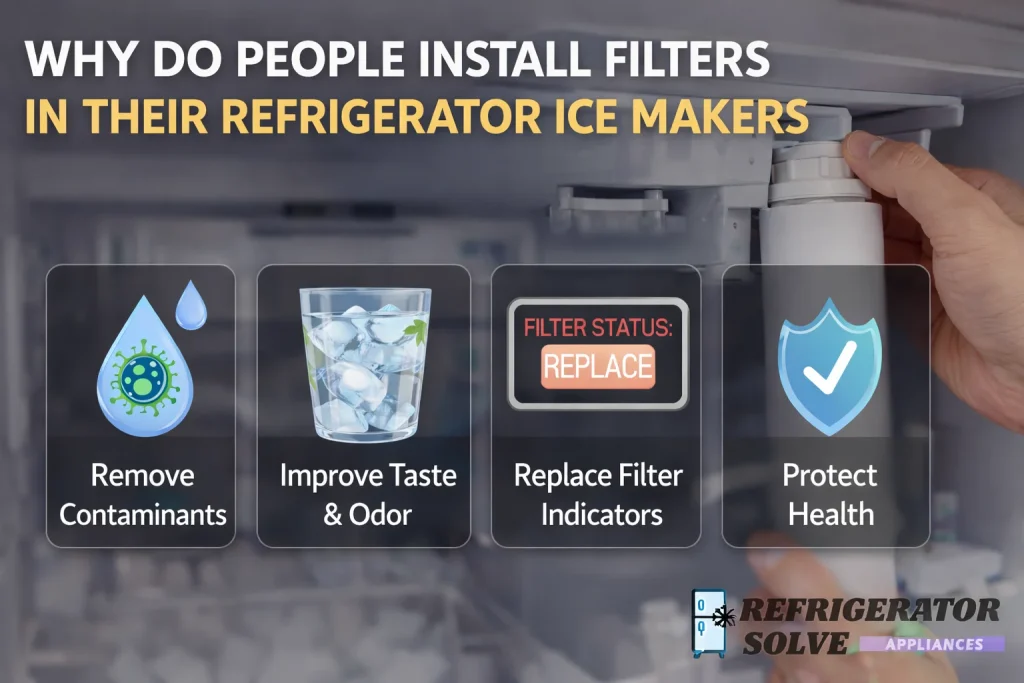
Installing filters in refrigerator ice makers offers clear advantages. These filters ensure cleaner, better-tasting ice. They protect the ice maker and improve the overall ice quality. Using a filter means safer ice for drinking and cooking. The benefits go beyond just taste and touch on health and maintenance.
Improved Ice Taste And Odor
Ice filters remove chlorine and other chemicals. These substances cause bad taste and smell. Filtered ice tastes fresh and pure. It enhances the flavor of drinks and food. No more strange odors in your ice cubes.
Removal Of Contaminants
Filters catch dirt, rust, and other particles. They block harmful contaminants from entering the ice maker. This keeps the ice clean and safe to use. It reduces the risk of health problems. Clean ice is important for family safety.
Prevention Of Bacterial Growth
Filtered water lowers bacteria buildup inside the ice maker. Bacteria grow fast in dirty, moist places. Filters help keep the ice maker clean and hygienic. This prevents bad odors and health risks. Safe ice means peace of mind.
Reduction Of Mineral Scale
Minerals in water cause scale buildup on ice maker parts. Scale clogs pipes and reduces efficiency. Filters reduce minerals and protect the machine. This extends the life of the ice maker. Less scale means fewer repairs and better ice flow.
Credit: fsv-rudolstadt.de
Impact On Ice Maker Performance
Installing filters in refrigerator ice makers greatly affects how well the machine works. Filters help keep the ice maker running smoothly and produce better ice. Clean water prevents damage and keeps the system efficient. The impact on ice maker performance shows in several important ways.
Extending Machine Lifespan
Filters trap dirt, minerals, and impurities from water. This stops buildup inside the ice maker parts. Without filters, minerals cause scale that blocks pipes and valves. Over time, this damage shortens the machine’s life. Clean water helps the ice maker last longer and need fewer repairs.
Maintaining Ice Clarity
Filters remove particles and chemicals that cloud ice. Clear ice looks more appealing and tastes better. Impurities cause ice to look foggy or yellowish. Using a filter ensures the ice stays fresh and pure. This improves the overall quality of the ice cubes.
Reducing Maintenance Frequency
Filtered water lowers the chance of clogs and scale buildup. This means the ice maker needs less cleaning and fixing. When the system stays clean, it runs without interruptions. Regular use of filters cuts down on costly and time-consuming maintenance.
Health And Safety Advantages
Installing filters in refrigerator ice makers offers clear health and safety benefits. Filters ensure the ice you consume is cleaner and safer. They remove harmful substances that may be present in tap water. This helps protect your family from potential health risks.
Eliminating Chemical Impurities
Filters reduce chemicals like chlorine and lead from the water. These substances can affect the taste and safety of ice. Chlorine, used to treat tap water, can leave an unpleasant flavor. Lead and other metals may come from old pipes and damage health over time. Using a filter helps remove these impurities, giving you fresh and clean ice.
Protecting Against Bacterial Contamination
Bacteria can grow in water or ice makers without proper filtration. Some bacteria cause stomach problems and infections. Filters trap bacteria and other harmful microorganisms before they reach your ice. This reduces the risk of illness. Clean ice supports better health, especially for children and older adults.
Filter Types And Technologies
Refrigerator ice makers use different filter types to keep ice clean and fresh. Each filter type targets certain impurities in water. Understanding these helps you choose the right filter for your needs. Filters improve ice taste and protect the ice maker from damage.
Activated Carbon Filters
Activated carbon filters remove chlorine and bad odors from water. They trap chemicals that affect taste and smell. These filters use tiny pores to capture impurities. Many refrigerators use this filter type for better-tasting ice. They also reduce some pesticides and volatile organic compounds.
Sediment Filters
Sediment filters catch dirt, rust, and sand particles. These filters stop visible debris from entering the ice maker. They prevent clogging and machine damage. Sediment filters usually work as a first step before other filters. This keeps water clearer and ice cleaner.
Combined Filtration Systems
Combined filtration systems use both activated carbon and sediment filters. They offer broader protection against many impurities. These systems remove chemicals, odors, and physical particles. This type ensures the cleanest water for ice making. Many modern refrigerators include combined systems for better results.
Maintenance And Replacement
Maintaining and replacing the filter in a refrigerator ice maker is crucial. It keeps ice clean and the machine running smoothly. Regular care prevents buildup of dirt and minerals. This ensures fresh-tasting ice and extends the ice maker’s life.
Recommended Replacement Intervals
Most refrigerator ice maker filters need changing every six months. This timing can vary by water quality and usage. Check the manufacturer’s guidelines for the best schedule. Replacing on time avoids clogged filters and poor ice quality.
Signs Of Filter Degradation
Cloudy or bad-tasting ice signals filter problems. Slow ice production can also mean the filter is blocked. Sometimes, unusual odors come from old filters. Watch for these signs to know when to replace the filter.
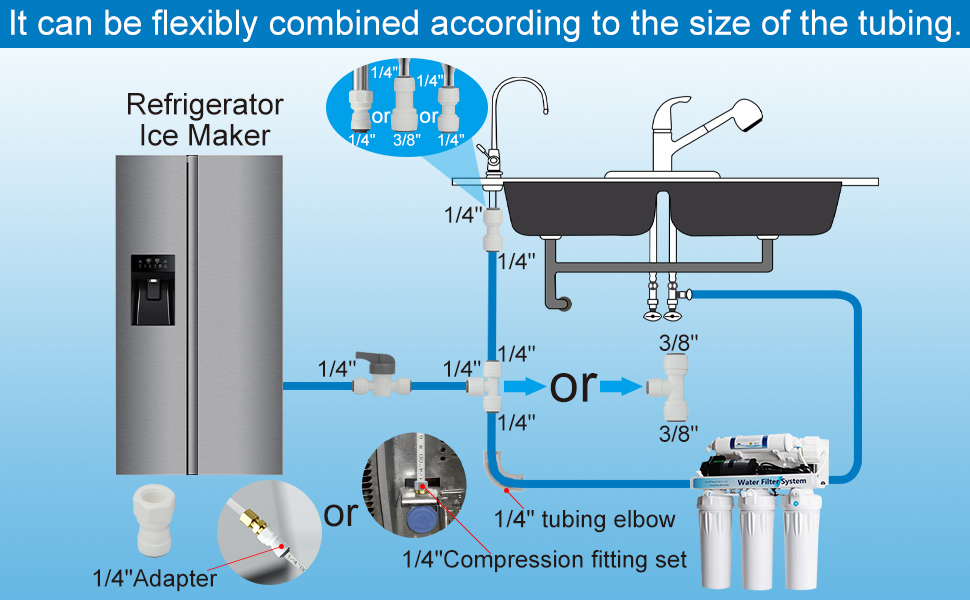
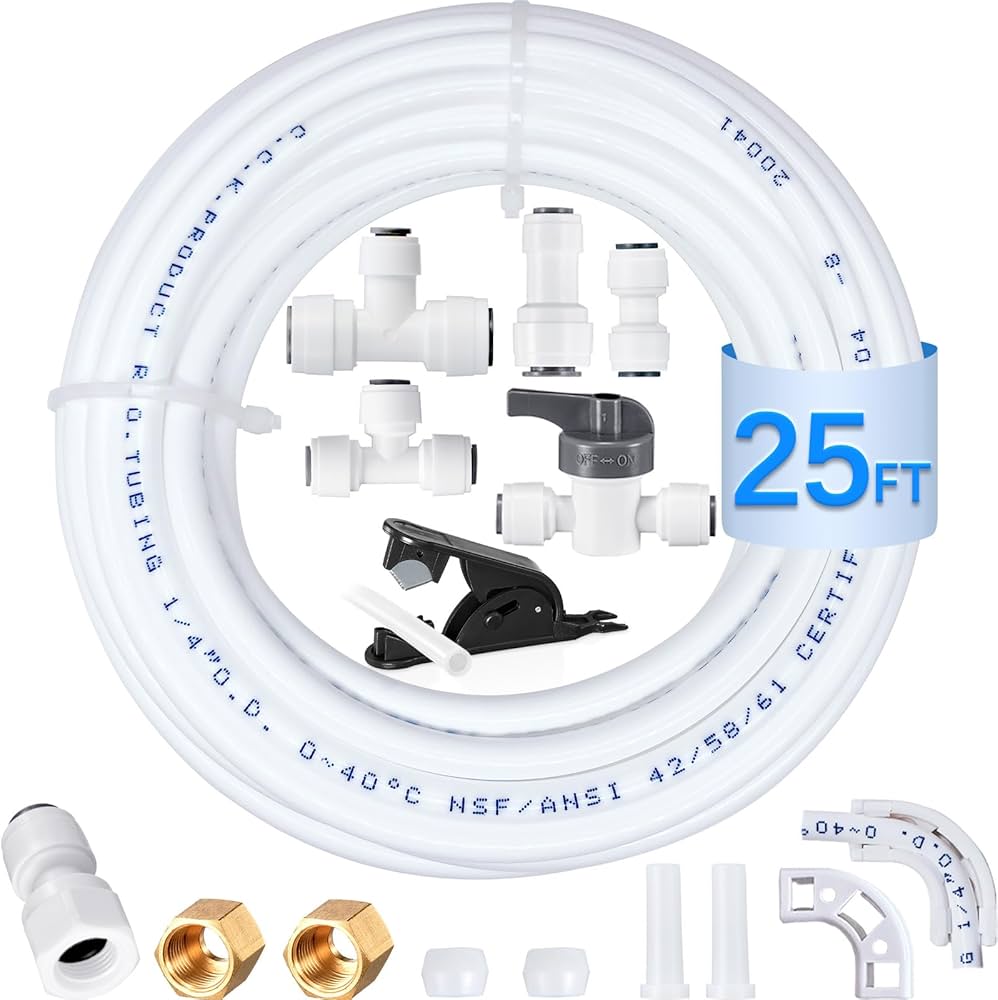
Proper Filter Installation
Install the filter correctly to avoid leaks and damage. Follow the instructions that come with the filter carefully. Make sure it fits snugly and locks into place. Proper installation keeps water flowing and ice tasting fresh.
Using Ice Makers Without Filters
Many people wonder about using ice makers without filters. Ice makers can work without filters, but the water is not cleaned. This may affect the ice quality and the machine’s performance. Understanding the risks and when it might be okay helps users make better choices. Following the manufacturer’s advice is also important for safe use.
Potential Risks And Downsides
Using an ice maker without a filter can cause mineral buildup inside the machine. This buildup may reduce the ice maker’s lifespan. Unfiltered water can carry impurities like chlorine, sediment, and bacteria. These impurities may affect the taste and safety of the ice. The ice could also develop strange odors or colors. Machines without filters may need more repairs over time.
When It Might Be Acceptable
Some situations allow using ice makers without filters. If the water supply is very clean and tested regularly, filters might not be needed. Temporary use without filters is possible during filter replacement. In places with soft water and low contamination risk, skipping the filter may be okay. Still, users should watch for any changes in ice quality or machine issues.
Manufacturer Recommendations
Most manufacturers recommend always using filters with ice makers. Filters protect the machine and keep ice safe to eat. They advise replacing filters every six months for best results. Ignoring these guidelines may void the warranty. Following instructions ensures longer machine life and better ice taste. Always check the manual before using the ice maker without a filter.
Credit: www.amazon.com
Frequently Asked Questions
Will A Refrigerator Ice Maker Work Without A Filter?
A refrigerator ice maker can work without a filter, but unfiltered water may cause scale buildup and affect ice quality. Filters improve taste, reduce impurities, and protect the machine. Regular filter replacement ensures cleaner, better-tasting ice and extends the ice maker’s lifespan.
Is A Water Filter Necessary For An Ice Maker?
A water filter improves ice quality by removing impurities and preventing mineral buildup. It protects the ice maker and ensures clean, fresh-tasting ice.
Does Ice Need To Be Filtered?
Yes, ice should be filtered to remove impurities, improve taste, and protect your ice maker from mineral buildup and damage.
How Often Should You Change Your Fridge Ice Maker Filter?
Change your fridge ice maker filter every six months to maintain fresh taste and prevent mineral buildup. Regular replacement ensures clean, safe ice.
Why Do People Install Filters In Refrigerator Ice Makers?
Filters remove impurities, chemicals, and odors from water. This improves ice taste and protects the ice maker from damage.
Can A Refrigerator Ice Maker Work Without A Filter?
Yes, it can work without a filter but ice quality may suffer. Unfiltered water can cause buildup and damage over time.
How Often Should You Replace Refrigerator Ice Maker Filters?
Filters should be replaced about every six months. Regular changes keep ice tasting fresh and prevent machine issues.
What Contaminants Do Refrigerator Ice Maker Filters Remove?
Filters remove chlorine, sediment, odors, and some bacteria. This leads to cleaner, safer, and better-tasting ice.
Does Filtered Ice Taste Better Than Unfiltered Ice?
Filtered ice tastes cleaner and fresher because it lacks chemicals and odors. Many people prefer the improved flavor.
Conclusion
People install filters in refrigerator ice makers to ensure clean, fresh ice. Filters remove chlorine, sediments, and odors that affect taste and safety. They prevent mineral buildup that can damage the machine over time. Changing filters regularly keeps ice clear and free from contaminants.
Clean ice tastes better and supports good health. Using a filter also extends the life of your ice maker. Simple maintenance leads to safer, better-quality ice every day. This small step makes a big difference in your kitchen.

Hi, I’m the lead researcher and appliance enthusiast behind RefrigeratorSolve. With years of hands-on experience troubleshooting cooling systems and testing home appliances, I am dedicated to bringing you honest reviews, energy-saving tips, and practical solutions to keep your refrigerator running perfectly.