3 energy saving tips for refrigerator users should follow are maintaining the correct temperature, keeping the refrigerator coils clean, and minimizing door openings. These simple habits can reduce energy consumption, lower electricity bills, and help your refrigerator run more efficiently for years.
Your refrigerator is one of the few appliances that runs 24 hours a day, 365 days a year. While modern refrigerators are more efficient than older models, they still account for a significant portion of household electricity usage.
Many homeowners are surprised to learn that small changes in refrigerator habits can lead to noticeable savings over time. Something as simple as adjusting temperature settings or cleaning condenser coils can improve performance while reducing energy waste.
If you’re looking for practical ways to cut utility costs without sacrificing food safety, you’re in the right place. The good news is that you don’t need to buy a new appliance to start saving energy.
In this guide, you’ll discover the 3 energy saving tips for refrigerator owners should know, plus expert advice, common mistakes to avoid, and modern 2026 energy-efficiency trends that can help you maximize savings.
“Ninety percent of cooking success starts before you even touch the stove — it starts with how well your refrigerator works for you.”— Julia Child, Legendary Chef & Author
Why Refrigerator Energy Efficiency Matters
A refrigerator never takes a day off. Unlike many household appliances that operate only when needed, your refrigerator continuously cycles on and off to maintain safe food temperatures.
According to ENERGY STAR, refrigerators can account for a significant share of home appliance electricity use. An inefficient refrigerator may consume far more energy than necessary, increasing monthly utility bills.
Common causes of wasted refrigerator energy include:
- Dirty condenser coils
- Incorrect temperature settings
- Frequent door openings
- Poor door seal performance
- Overcrowded shelves
- Aging appliance components
Beyond higher electricity bills, inefficient operation can also lead to food spoilage, inconsistent temperatures, and unnecessary wear on the compressor.
For homeowners focused on sustainability and reducing household expenses, improving refrigerator efficiency is one of the easiest energy-saving upgrades available.
The best part? Most energy-saving improvements require little to no financial investment.
“A well-organized refrigerator is not a luxury — it is the foundation of a healthy, efficient kitchen.”
— Harold McGee, Food Science Author, On Food and Cooking
3 Energy Saving Tips for Refrigerator Owners
1. Set the Correct Refrigerator Temperature
Many people mistakenly believe colder settings keep food fresher. In reality, excessively cold temperatures force the compressor to work harder.
Recommended settings:
- Refrigerator: 37°F to 40°F (3°C to 4°C)
- Freezer: 0°F (-18°C)
Benefits include:
- Lower energy consumption
- Improved food preservation
- Reduced compressor wear
- Better temperature stability
According to USDA food safety recommendations, these temperatures provide an ideal balance between safety and efficiency.
2. Clean the Condenser Coils Regularly
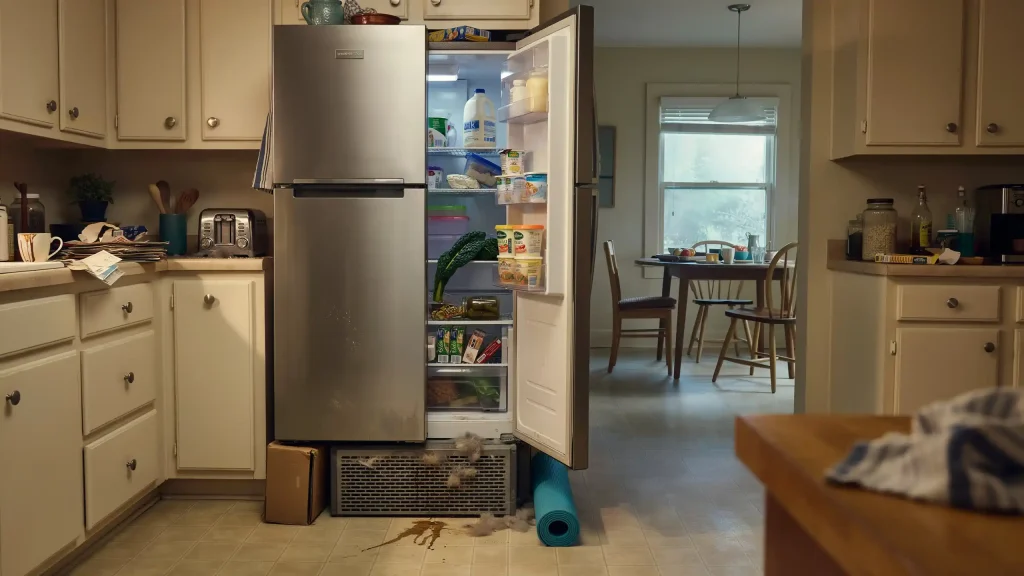
Condenser coils release heat generated by the refrigeration process. When dust and debris accumulate, the refrigerator must work harder to stay cool.
How often to clean:
- Every 6 months for most homes
- Every 3 months if you have pets
Benefits include:
- Improved cooling efficiency
- Reduced electricity usage
- Longer appliance lifespan
- Better overall performance
A simple coil brush and vacuum cleaner are usually all you need.
3. Minimize Refrigerator Door Openings
Every time the refrigerator door opens, cold air escapes and warm air enters.
To reduce energy waste:
- Decide what you need before opening the door.
- Keep frequently used items easily accessible.
- Organize shelves for quick access.
- Avoid standing with the door open.
Benefits include:
- Less compressor cycling
- Better temperature consistency
- Reduced energy consumption
- Improved food storage conditions
These three habits alone can make a measurable difference in refrigerator efficiency throughout the year.
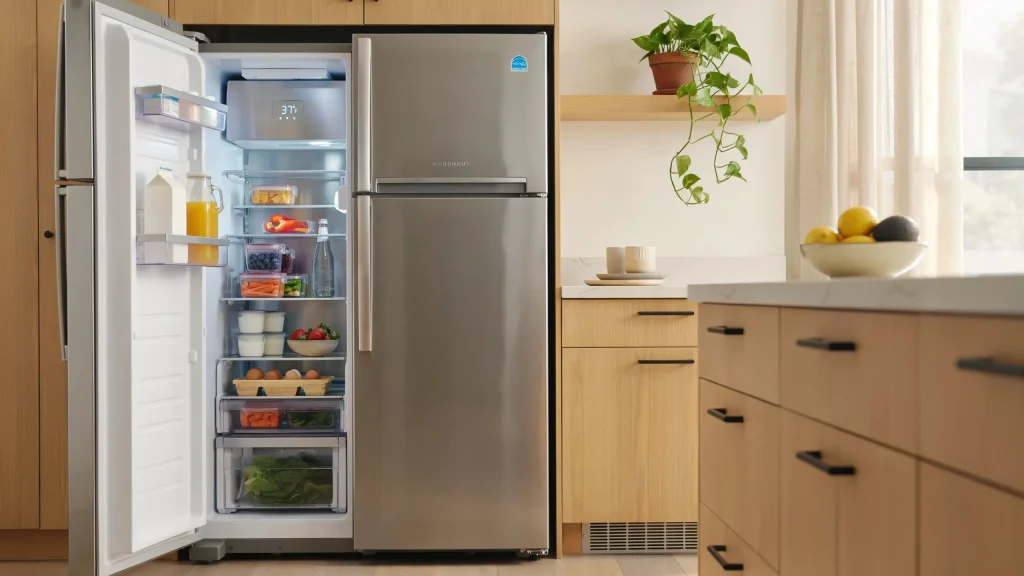
Step-by-Step Guide
- Check your refrigerator temperature using a refrigerator thermometer.
- Adjust settings to 37°F–40°F if necessary.
- Unplug the refrigerator before maintenance.
- Locate the condenser coils.
- Use a coil brush to remove dust and debris.
- Vacuum around the coils thoroughly.
- Organize refrigerator contents for quick access.
- Monitor energy usage and appliance performance monthly.
By following these simple steps, homeowners can improve refrigerator efficiency and potentially lower electricity costs throughout the year.
Expert Tips & Common Mistakes
Pro Tips
- Keep the refrigerator about 75% full for optimal cooling efficiency.
- Check door gaskets regularly for leaks.
- Allow hot food to cool before refrigerating.
- Use ENERGY STAR-certified appliances when replacing older units.
- Take advantage of smart refrigerator monitoring features available in newer models.
Common Mistakes to Avoid
- Setting temperatures too low.
- Ignoring dirty condenser coils.
- Overloading shelves and blocking airflow.
- Frequently opening the refrigerator without a plan.
Small improvements in daily refrigerator habits often produce significant long-term energy savings.
Smart refrigerators in 2026 are increasingly incorporating AI-powered energy monitoring, helping homeowners identify inefficiencies and optimize cooling performance automatically.
The refrigerator is perhaps the most important appliance in the modern kitchen — neglect it, and everything else falls apart.”— Alton Brown, Food Scientist & TV Host, Good Eats
FAQs
What are the 3 energy saving tips for refrigerator efficiency?
The most effective tips are setting the correct temperature, cleaning condenser coils regularly, and minimizing door openings to reduce compressor workload.
Does lowering the refrigerator temperature save energy?
Not necessarily. Setting the temperature too low often increases energy consumption because the compressor must run more frequently.
How often should refrigerator coils be cleaned?
Most manufacturers recommend cleaning condenser coils every six months, or more frequently if you have pets.
Does an organized refrigerator save electricity?
Yes. Proper organization improves airflow and helps users find items faster, reducing the amount of time the door stays open.
How much energy does a refrigerator use?
Usage varies by model, age, and size. ENERGY STAR-certified refrigerators typically use significantly less electricity than older units.
Are smart refrigerators more energy efficient?
Many modern smart refrigerators include energy monitoring, adaptive cooling systems, and efficiency features that can help reduce electricity consumption.
What is the ideal refrigerator temperature for energy savings?
The ideal temperature is generally between 37°F and 40°F for the refrigerator compartment and 0°F for the freezer.
Conclusion
Following these 3 energy saving tips for refrigerator performance can help reduce electricity bills, improve appliance longevity, and maintain better food preservation. By setting the correct temperature, cleaning condenser coils regularly, and reducing unnecessary door openings, homeowners can make their refrigerators operate more efficiently without spending money on expensive upgrades.
As energy costs continue to rise in 2026, simple refrigerator maintenance and smart usage habits are becoming increasingly important. Whether you own a traditional refrigerator or a modern smart appliance, these energy-saving practices can make a noticeable difference over time.
For even greater savings, consider combining these habits with regular refrigerator maintenance, proper food storage practices, and ENERGY STAR-certified appliance upgrades when it’s time for a replacement.

Hi, I’m the lead researcher and appliance enthusiast behind RefrigeratorSolve. With years of hands-on experience troubleshooting cooling systems and testing home appliances, I am dedicated to bringing you honest reviews, energy-saving tips, and practical solutions to keep your refrigerator running perfectly.