Smart refrigerators typically last 10 to 15 years, depending on brand quality, usage habits, and maintenance. While traditional refrigerators can last up to 20 years, smart models often have a slightly shorter lifespan due to complex electronics and connected components. Understanding how long do smart refrigerators last can help in making informed purchasing decisions.
Average Lifespan of Smart Refrigerators
On average:
When considering a smart refrigerator, it’s essential to think about how long do smart refrigerators last and how that fits into your long-term plans.
| Refrigerator Type | Average Lifespan |
|---|---|
| Traditional Refrigerator | 15–20 years |
| Smart Refrigerator | 10–15 years |
| High-End Premium Smart Models | 12–18 years |
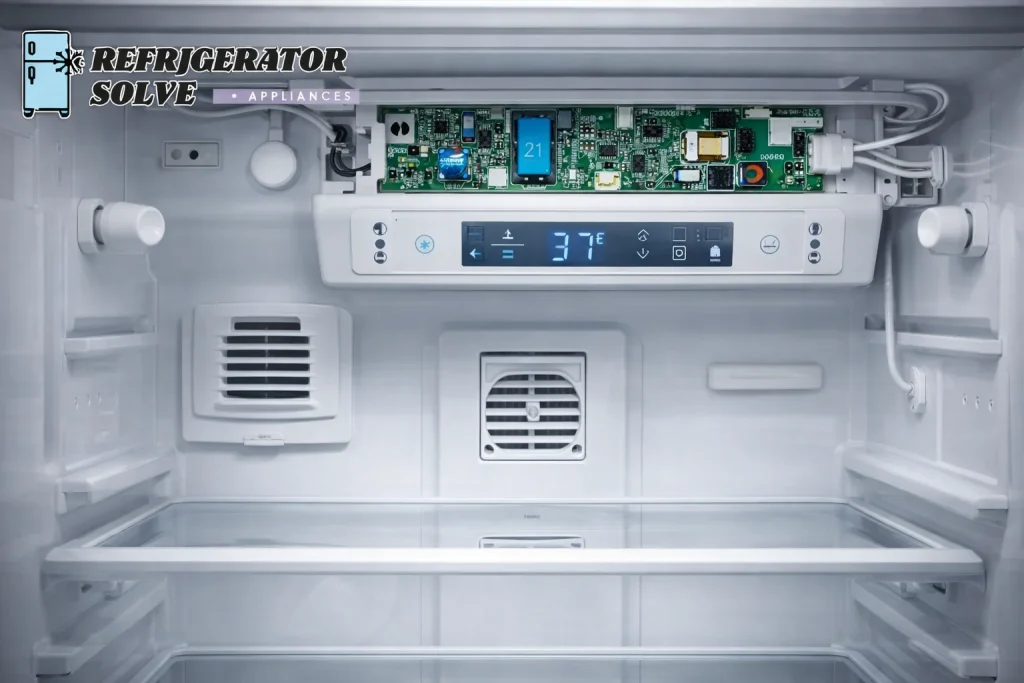
Smart refrigerators contain:
- Wi-Fi modules
- Touchscreen panels
- Internal cameras
- Advanced sensors
- Smart cooling boards
These additional components increase convenience — but also add potential failure points.
Why Smart Refrigerators Don’t Last as Long as Traditional Models
From my experience analyzing refrigerator reliability trends, the cooling system itself (compressor, evaporator, condenser) is usually durable. The electronics are what fail first.
Here’s why.
1. Complex Circuit Boards
Smart models use multiple control boards. If one fails, repairs can be expensive or impractical after warranty expiration.
2. Software & Connectivity Issues
Wi-Fi chips and firmware can become outdated. While the fridge may still cool, smart features may stop working.
3. Touchscreen Wear
Frequent use of the display panel can cause:
- Dead pixels
- Screen unresponsiveness
- Firmware glitches
Lifespan by Brand (General Industry Trends)
While performance varies by model and maintenance, industry data and technician reports suggest:
- Samsung smart refrigerators: 10–15 years
- LG smart refrigerators: 12–15 years
- Whirlpool smart models: 12–18 years
- GE Appliances smart refrigerators: 12–15 years
Build quality, compressor type, and usage matter more than branding alone.
Key Factors That Affect Smart Refrigerator Lifespan
1. Compressor Quality
Inverter compressors last longer because they run at variable speeds instead of cycling on/off constantly.
2. Maintenance Routine
Regular maintenance can extend lifespan by several years:
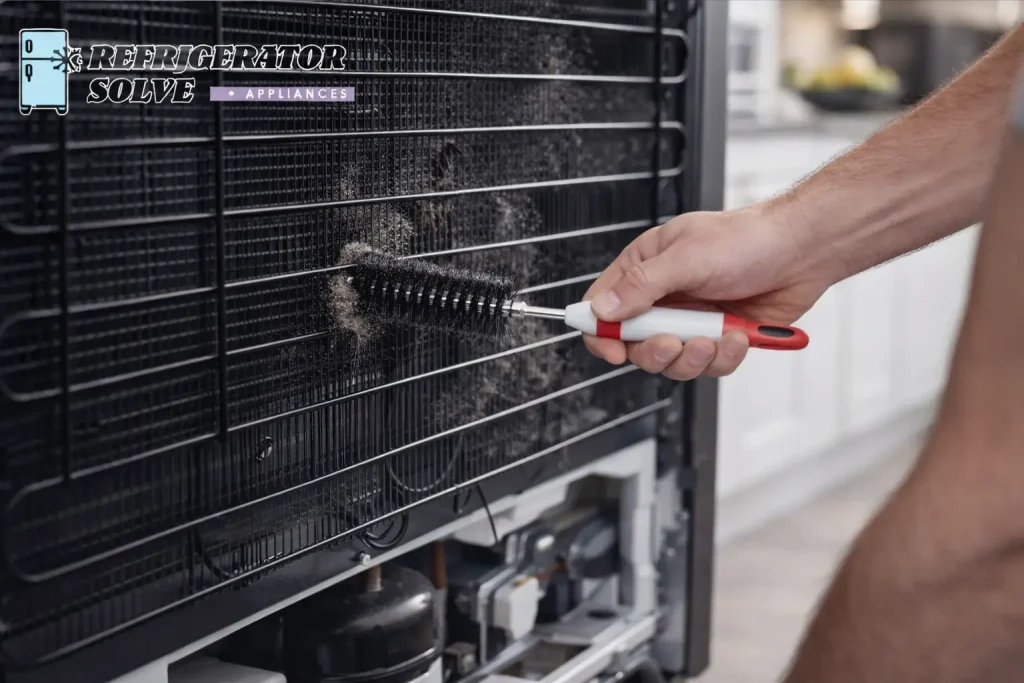
- Clean condenser coils twice per year
- Check door seals
- Avoid overloading shelves
- Ensure proper ventilation space
3. Power Stability
In areas with voltage fluctuations, smart boards are vulnerable. A surge protector can significantly reduce risk.
4. Climate & Usage
Heavy use, hot climates, and frequent door opening reduce overall lifespan.
Signs Your Smart Refrigerator Is Nearing the End
If your unit is over 10 years old and showing these signs, replacement may be more economical:
- Inconsistent cooling
- Compressor running constantly
- Touchscreen malfunction
- Wi-Fi not connecting
- Frequent repair needs
- Rising energy bills
When repair costs exceed 50% of replacement cost, upgrading is often smarter.
Pros and Cons of Smart Refrigerators
Pros
- Remote temperature control
- Internal cameras
- Energy monitoring
- Voice assistant integration
- Advanced diagnostics
Cons
- Higher repair costs
- Shorter average lifespan than traditional models
- Expensive replacement parts
- Software obsolescence
Expert Opinion
By Daniel Harper, Appliance Reliability Analyst
“In most cases, the refrigeration system lasts longer than the smart technology built around it. After 10–12 years, it’s usually the control board or display panel not the compressor that drives replacement decisions.”
Can You Extend the Life of a Smart Refrigerator?
Yes — and significantly.
Here’s what I personally recommend:
- Install a surge protector
- Keep firmware updated
- Clean condenser coils regularly
- Avoid blocking air vents
- Keep temperature between 35–38°F
- Don’t overload shelves
These steps can easily add 2–4 years to lifespan.
Frequently Asked Questions
Is it worth repairing a 12-year-old smart refrigerator?
Usually not, especially if the repair involves control boards or compressors. Replacement is often more cost-effective.
Do smart features stop working before cooling fails?
Yes. Connectivity and screen issues often appear before cooling system failure.
Are smart refrigerators more reliable than traditional ones?
Not necessarily. They offer convenience but include more electronic components that can fail.
What’s the most reliable part of a smart refrigerator?
The sealed cooling system (compressor and evaporator) is generally the most durable.
How do I know if mine is failing?
Monitor temperature consistency and listen for unusual compressor noise. A fridge thermometer can help verify accuracy.
Final Verdict: How Long Should You Expect Yours to Last?
You can realistically expect 10 to 15 years from a well-maintained smart refrigerator.
If properly maintained, high-quality models can approach 15+ years. However, electronic component failure is the most common limiting factor.
If yours is approaching the 10-year mark, it’s wise to:
- Monitor performance closely
- Budget for potential replacement
- Evaluate repair vs. replacement costs
Smart refrigerators are convenient but like all technology-driven appliances, they have a practical lifespan.

Hi, I’m the lead researcher and appliance enthusiast behind RefrigeratorSolve. With years of hands-on experience troubleshooting cooling systems and testing home appliances, I am dedicated to bringing you honest reviews, energy-saving tips, and practical solutions to keep your refrigerator running perfectly.