Are you tired of butter that’s hard to spread or quickly turns rancid in your fridge? How you store your butter can make a big difference in its taste, texture, and shelf life.
Getting it right means you’ll enjoy creamy, fresh butter every time you reach for it. You’ll discover simple, effective ways to keep your butter at its best. Keep reading to learn the proper way to store butter in the refrigerator and never deal with dry or spoiled butter again!
Butter Storage Basics

Storing butter safely is important to keep its flavor and texture fresh. Butter storage basics help avoid spoilage and maintain quality. Butter can absorb odors from other foods and can become hard or too soft if not stored correctly. Proper refrigerator butter storage balances temperature and humidity. Knowing butter storage best practices ensures butter stays fresh longer and tastes great every time you use it.
Ideal Temperature For Butter
The ideal butter temperature in the refrigerator is between 35°F and 40°F (1.7°C to 4.4°C). This range keeps butter firm but spreadable, preventing it from melting or becoming too hard. Butter stored at the right temperature preserves its flavor and extends butter shelf life.
Key points about ideal butter temperature:
- Below 35°F, butter can become too hard and difficult to spread.
- Above 40°F, butter may soften too much and develop off-flavors.
- Consistent temperature avoids condensation, which affects butter freshness.
| Temperature Range | Effect on Butter |
|---|---|
| Below 35°F | Too hard, difficult to spread |
| 35°F – 40°F | Ideal butter temperature for freshness and texture |
| Above 40°F | Too soft, risk of spoilage and odor absorption |
Refrigerator humidity for butter also matters. Butter keeps best at moderate humidity to prevent drying out. Use a sealed container to maintain moisture and protect butter from fridge odors.
Butter Packaging Options
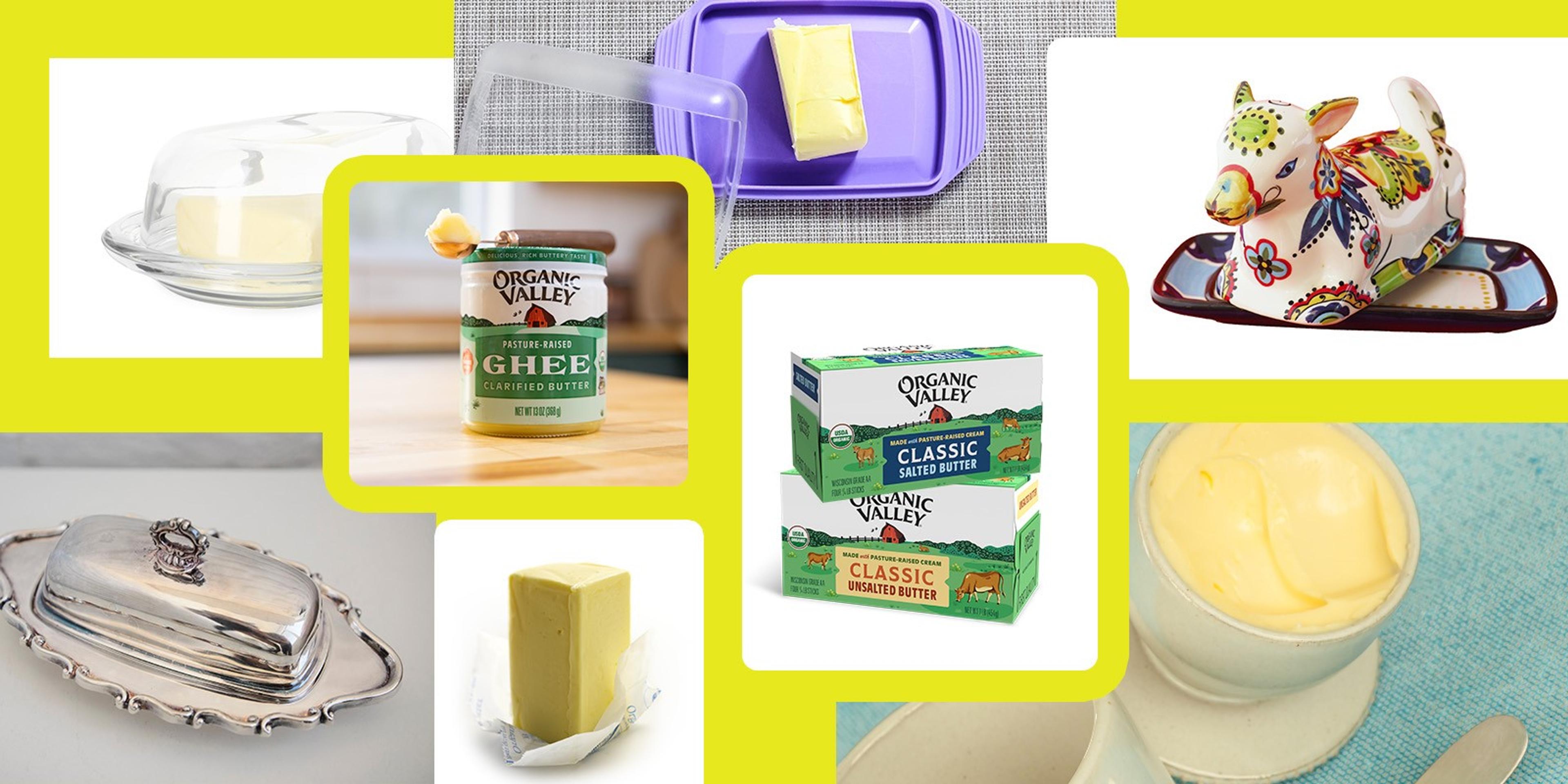
Choosing the right butter packaging types plays a big role in preserving butter freshness. Butter packaging options include wrapping, butter dishes, and specialized butter containers. Each method helps protect butter from air and odors in the refrigerator.
Common butter container options:
- Original Wrapping: Butter usually comes wrapped in foil or parchment paper. This wrapping blocks air but can tear easily.
- Butter Dishes: Ceramic or glass dishes with a lid provide good protection. They keep butter covered and easy to access.
- Plastic or Silicone Containers: Airtight containers prevent moisture loss and odor absorption. Ideal for long-term storage.
| Packaging Type | Benefits | Drawbacks |
|---|---|---|
| Foil/Parchment Wrap | Blocks air, easy to use | Tears easily, limited protection from odors |
| Butter Dish with Lid | Protects from air and fridge odors, reusable | Needs cleaning, takes fridge space |
| Airtight Plastic Container | Best for preserving freshness and moisture | Plastic may retain odors if not cleaned |
Following butter storage tips helps extend butter shelf life. Wrap butter tightly or use an airtight container. Store butter away from strong-smelling foods. These butter storage best practices keep butter fresh and tasty longer.
Credit: www.organicvalley.coop
Choosing The Right Container
Storing butter properly in the refrigerator ensures it stays fresh and safe to eat. Choosing the right container plays a key role in maintaining butter’s quality. The container affects butter temperature control, protects it from odors, and helps with butter freshness preservation. Using a suitable container also prevents unwanted air and moisture from spoiling the butter. This guide explains the best choices for dairy product storage focused on butter.
Using Butter Dishes
Butter dishes are classic choices for storing butter. They come in different materials like ceramic, glass, or plastic. A butter dish keeps the butter covered and somewhat insulated. This helps with butter softening methods and keeps the texture spreadable.
Benefits of butter dishes include:
- Protecting butter from fridge odors
- Allowing easy access for daily use
- Simple to clean and reuse
- Keeping butter at a steady temperature
However, butter dishes are not fully airtight. They let some air pass, which can reduce butter shelf life. To improve storage, some dishes come with lids that seal tightly. These help with preventing butter contamination by blocking bacteria and other kitchen smells.
| Butter Dish Type | Material | Best For |
|---|---|---|
| Classic Butter Dish | Ceramic or Glass | Everyday use, easy access |
| Lidded Butter Dish | Plastic or Glass | Better air protection, longer freshness |
Airtight Containers Benefits
Airtight containers offer superior protection for butter stored in the refrigerator. They are designed to seal tightly, limiting air exposure and moisture. This is essential for airtight butter storage and extends the butter’s life.
Using airtight containers improves butter freshness preservation by:
- Reducing oxidation that causes rancidity
- Preventing absorption of other food smells
- Maintaining consistent butter temperature control
- Protecting against bacteria and mold
Common airtight container types include plastic tubs with locking lids and glass jars with silicone seals. These containers are easy to stack in the fridge, saving space. For dairy product storage, airtight containers are often the best choice to keep butter fresh for weeks.
Here is a quick comparison of airtight container features:
| Container Type | Seal Type | Benefits | Considerations |
|---|---|---|---|
| Plastic Locking Lid | Snap-on seal | Lightweight, budget-friendly | May absorb odors over time |
| Glass Jar with Silicone Seal | Rubber gasket seal | Odor-resistant, durable | Heavier, fragile |
Placement Inside The Fridge
Proper Refrigerator Butter Placement plays a key role in Preserving Butter Flavor and extending its freshness. Butter is sensitive to temperature changes and odors from other foods. Storing it correctly inside the fridge helps avoid spoilage and keeps the texture smooth and creamy. Choosing the right Refrigerator Compartment For Butter ensures the butter stays fresh longer. Understanding where to place butter inside the fridge helps maintain its quality and taste.
Avoiding Door Storage
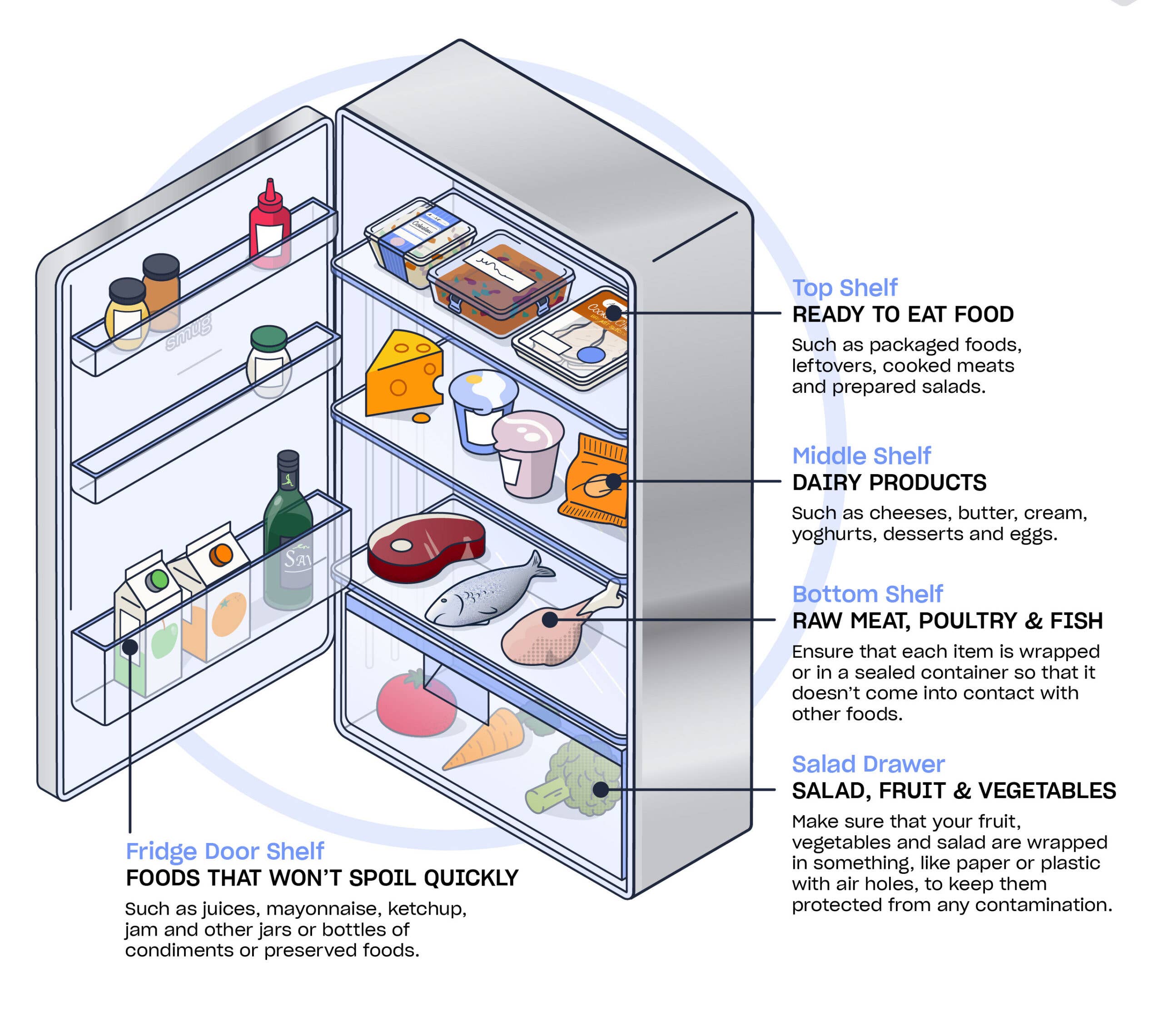
Avoiding Butter Spoilage starts with not placing butter in the refrigerator door. The door is the warmest part of the fridge. It experiences frequent temperature changes every time the door opens and closes. This makes the butter soft and increases the risk of spoilage. Butter stored here can absorb strong smells from other items, affecting its flavor.
- Door shelves expose butter to fluctuating temperatures.
- Butter may absorb odors from condiments like onions or garlic.
- Butter’s texture can become uneven or oily.
- Butter shelf life fridge decreases due to inconsistent cold.
Butter should be kept in a steady, cool environment to maintain its flavor. Use Butter Storage Containers with lids to block out smells and protect from air. These containers help in Storing Butter Freshness by keeping moisture and odors away.
| Fridge Location | Temperature Stability | Impact on Butter Quality |
|---|---|---|
| Door | Low | Softens butter, increases spoilage risk |
| Main Shelves | High | Keeps butter firm and fresh |
Optimal Shelf Location
Best Butter Storage Practices recommend placing butter on the middle or lower shelves. These areas maintain a more constant temperature, around 35-40°F, ideal for Butter Storage Temperature. The stable cold slows bacterial growth and keeps the butter fresh longer.
Keep butter away from strong-smelling foods. Placing it inside a dedicated butter dish or Butter Storage Containers enhances protection. These containers prevent moisture loss and block odors.
- Middle shelves keep butter cold but not frozen.
- Lower shelves have less temperature fluctuation than the door.
- Store butter in its original wrapping or airtight container.
- Check butter’s expiration date for Butter Shelf Life Fridge guidelines.
Following these Butter Storage Tips ensures butter stays creamy and flavorful. Proper placement inside the fridge helps in Preserving Butter Flavor and prevents spoilage. Butter kept on the right shelf lasts longer and tastes better.
Preventing Absorption Of Odors
Storing butter properly in the refrigerator helps keep its taste fresh and texture smooth. One key challenge is preventing butter odor absorption. Butter easily picks up smells from other foods, which affects its flavor. To keep butter’s original taste, it needs the right wrapping and careful placement inside the fridge. Proper storage also affects butter shelf life in refrigerator and butter freshness in fridge. The following tips focus on how to wrap and where to store butter to avoid unwanted odors.
Wrapping Techniques
Wrapping butter properly is the first step in maintaining its flavor and texture. Butter is porous and soft, so it absorbs odors if left exposed. Using the right wrapping materials creates a barrier against fridge smells.
- Use wax paper or parchment paper: These materials allow butter to breathe while protecting it from strong odors.
- Aluminum foil: Wrap butter tightly to block air and smells but avoid long storage as foil can cause slight metallic taste.
- Plastic wrap: Choose food-grade plastic wrap and seal butter completely for short-term storage.
- Reusable silicone bags or containers: These are eco-friendly and provide an airtight seal.
Below is a comparison of common wrapping options for refrigerator butter preservation:
| Wrapping Type | Odor Protection | Effect on Butter Texture | Best For |
|---|---|---|---|
| Wax/Parchment Paper | Good | Maintains softness | Medium-term storage |
| Aluminum Foil | Excellent | May harden butter | Short-term storage |
| Plastic Wrap | Good | Soft texture maintained | Short-term use |
| Silicone Bags/Containers | Excellent | Preserves texture well | Long-term storage |
Maintaining butter texture is easier with breathable wraps like wax paper. Avoid wrapping butter directly in plastic if storing for weeks. Replace wraps regularly to keep butter fresh. Wrapping butter properly also helps in butter shelf life in refrigerator and overall quality.
Storage Near Strong-smelling Foods
Butter stored near strong-smelling foods absorbs their odors quickly. This changes the butter’s flavor and reduces its quality. Proper placement inside the fridge is vital for preventing butter odor absorption.
Strong-smelling foods to watch out for include:
- Cheese
- Onions and garlic
- Fish and seafood
- Spices and herbs
Storing butter near cheese is common but requires care. Cheese has a strong aroma that can transfer to butter. Keep butter in a separate container or wrapped tightly to avoid this.
Follow these butter storage tips for fridge placement:
- Use a dedicated butter compartment or butter dish with a lid.
- Place butter away from the fridge door, where temperature changes are frequent.
- Keep butter on middle or lower shelves, away from strong-smelling foods.
- Use airtight containers for butter and strong-smelling foods separately.
Fridge temperature for butter should be steady, ideally between 35°F and 40°F (1.6°C and 4.4°C). This helps preserve butter freshness in fridge and slows odor absorption.
Organizing your fridge to separate butter and odor-heavy foods improves refrigerator butter preservation. A well-planned layout keeps butter tasting fresh longer and avoids flavor contamination.
Freezing Butter For Long-term Storage
Storing butter properly extends its freshness and flavor. While refrigerating butter in the refrigerator butter compartment works well for short-term use, freezing butter is best for long-term storage. Freezing butter slows down spoilage and keeps it fresh for months. Using the right butter preservation methods prevents freezer burn and maintains quality. This section explains how to freeze butter correctly and offers easy butter storage tips for thawing frozen butter safely.
How To Freeze Butter
Freezing butter is simple and effective. Start by wrapping the butter tightly in foil or plastic wrap to protect it from air exposure. Place the wrapped butter inside an airtight butter container or a resealable freezer bag. This extra layer keeps the butter fresh and prevents odors from the freezer from affecting its flavor.
Follow these steps for storing butter properly in the freezer:
- Use fresh butter to freeze. Check the butter shelf life before freezing.
- Cut butter into smaller portions, if needed, for easy use later.
- Wrap each piece tightly in plastic wrap or parchment paper.
- Place the wrapped butter in an airtight butter container or freezer bag.
- Label the container with the freezing date to track storage time.
- Store butter in the coldest part of the freezer, away from the door.
| Step | Action | Reason |
|---|---|---|
| 1 | Wrap butter tightly | Prevents air exposure and freezer burn |
| 2 | Use airtight container or bag | Keeps butter fresh and stops odor absorption |
| 3 | Label with date | Helps track butter shelf life |
| 4 | Store in coldest freezer spot | Maintains steady temperature for quality |
Following these butter storage tips improves butter freshness and extends usability up to six months or longer.
Thawing Tips
Thawing frozen butter correctly keeps its texture and taste intact. Move butter from the freezer to the refrigerator butter compartment at least 24 hours before use. This slow thawing avoids condensation that can affect butter quality. Avoid thawing butter at room temperature for long periods to prevent spoilage.
Here are the best ways for thawing frozen butter safely:
- Refrigerator thawing: Transfer frozen butter to the fridge. Leave it in the butter container or wrapped to keep it clean.
- Quick thawing: Place wrapped butter in a bowl of cold water for 30–60 minutes. Change water if needed.
- Microwave thawing: Use low power for a few seconds at a time. Monitor closely to avoid melting.
Keep these butter preservation methods in mind during thawing:
- Use thawed butter within a week for best flavor.
- Do not refreeze butter once thawed.
- Keep butter wrapped or in a butter container to prevent absorbing fridge odors.
Proper thawing keeps butter soft and ready for spreading or cooking. It also maintains the quality gained from freezing butter during long-term storage.
:max_bytes(150000):strip_icc()/Are-You-a-Person-Who-Leaves-Butter-on-the-Counter-FT-BLOG1022-f7ea69758fc64d75ba04234b95692e43.jpg)
Credit: www.foodandwine.com
Signs Of Spoiled Butter
Storing butter properly in the refrigerator is key to maintaining its flavor and texture. Knowing the signs of spoiled butter helps prevent using bad butter in your meals. Butter can spoil over time, even in cold storage, due to exposure to air, light, and moisture. Recognizing the early signs of spoilage improves food safety and ensures you enjoy fresh butter every time. Below are two main ways to spot spoiled butter: visual changes and off smell detection.
Visual Changes
Visual signs are often the first clue that butter has gone bad. Proper refrigerator butter storage helps slow down spoilage, but butter can still show changes over time.
- Color Changes: Fresh butter usually has a pale yellow or cream color. Spoiled butter may develop a darker yellow, orange, or even white spots.
- Mold Growth: Mold looks like green, blue, or black spots on the surface. This clearly indicates the butter is unsafe to use.
- Texture Changes: Butter should be smooth and creamy. Spoiled butter might become crumbly, hard, or overly soft and greasy.
- Surface Dryness: Dry patches or cracks can mean the butter has been exposed to air too long.
Use a butter storage container to protect butter from air and moisture. This helps in maintaining butter quality and butter texture preservation. Below is a table summarizing visual spoilage signs:
| Visual Sign | Description | Impact on Butter Quality |
|---|---|---|
| Color Change | Butter turns darker or develops white spots | Indicates oxidation or spoilage |
| Mold | Green, blue, or black spots appear | Unsafe to consume |
| Texture Change | Becomes crumbly, greasy, or hard | Loss of freshness and quality |
| Dry Surface | Cracks or dry patches on butter surface | Exposure to air, reduces quality |
Off Smell Detection
Smell is a strong indicator for detecting rancid butter. Fresh butter has a mild, creamy aroma. Changes in smell show that spoilage is underway or complete.
Butter odor changes can be subtle at first. Learn to identify these smells to avoid bad butter:
- Sour Smell: A sour or fermented odor means bacteria may have grown.
- Rancid Smell: A sharp, bitter, or metallic smell shows fat oxidation.
- Musty or Moldy Smell: Indicates mold presence even if not visible yet.
Using a butter storage container and sealing butter tightly slows down odor changes. It is important for butter shelf life and butter storage tips to keep butter in the coldest part of the fridge, away from strong-smelling foods.
Here is an easy checklist for off smell detection in butter:
- Smell the butter immediately after opening.
- Notice any sour, sharp, or off odors.
- Discard butter if smell is unpleasant or strong.
- Use fresh butter within recommended butter shelf life for best quality.
Credit: www.highspeedtraining.co.uk
Frequently Asked Questions
How Should Butter Be Stored In The Refrigerator?
Butter should be stored in its original wrapper or an airtight container. This prevents it from absorbing odors and keeps it fresh longer. Keep it on a middle shelf where temperature is stable, not in the fridge door.
Can You Store Butter Without Refrigeration?
Butter can be stored at room temperature for short periods if kept in a butter dish with a cover. However, refrigeration is best for longer freshness and to prevent spoilage, especially in warm climates.
Why Wrap Butter Tightly Before Refrigerating?
Wrapping butter tightly prevents exposure to air and moisture. This reduces the risk of it absorbing fridge odors and drying out. Proper wrapping helps maintain its texture and flavor for longer periods.
Does Salted Butter Last Longer In The Fridge?
Yes, salted butter lasts longer due to added salt acting as a preservative. It can stay fresh for 1 to 3 months refrigerated, while unsalted butter usually lasts about 1 month.
Conclusion
Storing butter correctly keeps it fresh and tasty longer. Use a covered dish or airtight container. Keep butter away from strong smells to avoid flavor changes. Store it in the coldest part of the fridge. Cut only what you need to keep the rest safe.
This simple care helps maintain butter’s quality and taste. Enjoy your butter every time you cook or bake. Good storage makes a big difference in your kitchen. Try these tips to keep butter fresh and ready to use.

Hi, I’m the lead researcher and appliance enthusiast behind RefrigeratorSolve. With years of hands-on experience troubleshooting cooling systems and testing home appliances, I am dedicated to bringing you honest reviews, energy-saving tips, and practical solutions to keep your refrigerator running perfectly.