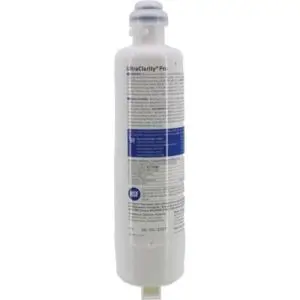
In most cases, you do NOT need to turn off the water to change a fridge filter, because modern refrigerators have built-in shut-off valves. However, turning off the water supply can reduce mess and risk, especially in older models or unfamiliar setups.
If you’ve ever stood in front of your fridge wondering, “Do I need to turn off water to change fridge filter?” you’re not alone. That small moment of hesitation often comes from one fear: what if water sprays everywhere?
I’ve changed dozens of refrigerator water filters over the years, both at home and while helping friends. The good news? It’s usually quick and safe but only if you understand how your fridge works.
In this guide, I’ll walk you through exactly when you need to shut off the water, when you don’t, and how to avoid leaks, damage, or wasted time.
Common Pain Points (And How to Fix Them)
1. Fear of Water Leaking Everywhere
Why it happens: Many people assume the filter is directly connected to full water pressure. In reality, most modern fridges have an internal valve that stops water flow when the filter is removed.
Solution you can use today:
- Check your fridge manual or filter housing
- Look for a push-in or twist-lock filter (these usually auto-seal)
- Keep a towel underneath just in case
Real-life example: In the US and Canada, brands like Whirlpool and GE almost always include auto shut-off valves. I’ve swapped filters without turning off water — zero leaks.
2. Not Knowing Your Fridge Type
Why it happens: Built-in filters, inline filters, and external filters all behave differently.
Solution:
- Internal filters (inside fridge): Usually safe without shutting water
- Inline filters (behind fridge): Turn off water supply
- Older models: Play it safe and shut off water
Example: In older UK homes, I’ve seen external inline filters behind the fridge. These definitely require turning off the mains water first.
3. Breaking the Filter Housing
Why it happens: Removing a filter under pressure can stress the housing if it’s stuck or poorly aligned.
Solution:
- Turn gently never force it
- If it’s stuck, turn off water and release pressure
- Replace O-rings if worn
Key takeaway: If something feels tight or unusual, stop and shut off the water.
When You DO NOT Need to Turn Off Water
In most modern refrigerators, you can safely replace the filter without touching the water supply.
Built-In Auto Shut-Off Systems
Most refrigerators sold in the USA, Canada, Australia, and newer UK models include this feature.
How it works:
- When you remove the filter, a valve closes automatically
- Water flow stops instantly
- You insert the new filter, and flow resumes
Common signs your fridge has this feature:
- Filter is inside the fridge compartment
- It twists or clicks into place
- No visible external tubing involved
Personal insight: I’ve replaced filters in Samsung and LG models without shutting off water — never had a leak.
Push-In or Quarter-Turn Filters
These are designed for easy, tool-free replacement.
Steps I follow:
- Place a towel under the filter
- Twist or push to remove
- Insert the new filter firmly
- Run water for 2–3 minutes to flush
Key takeaway: If your filter is inside the fridge and easy to access, you’re usually safe.
When You SHOULD Turn Off the Water
There are clear situations where turning off the water is the smarter move.
External or Inline Filters
These are installed in the water line behind the fridge.
Why you must turn off water:
- No internal shut-off valve
- Direct connection to household water pressure
- High risk of leaks or spraying
Example: In many Australian homes, inline filters are common for improving water quality. I always turn off the supply before touching them.
Older Refrigerator Models
Fridges older than 10–15 years may lack modern safety features.
Signs you have an older system:
- Filter is hard to access
- No click or locking mechanism
- Manual doesn’t mention auto shut-off
Best practice:
Turn off water at the nearest valve usually under the sink or behind the fridge.
If the Filter Is Stuck
This is more common than people admit.
What I do:
- Turn off water
- Dispense water to release pressure
- Try again gently
Key takeaway: Pressure + force = broken housing. Avoid that combo.
Step-by-Step: How I Change a Fridge Filter Safely
Here’s the exact process I use every time:
Step 1: Identify Your Filter Type
Check inside the fridge or behind it.
Step 2: Decide Whether to Turn Off Water
- Internal filter → usually no
- External filter → yes
- Unsure → safer to turn off
- Step 3: Remove the Old Filter
- Twist or pull gently
- Expect a few drops of water
Step 4: Install the New Filter
- Align properly
- Push or twist until secure
Step 5: Flush the System
Run water for 2–5 minutes to remove air and carbon particles.
Important: Skipping flushing can affect taste and performance.
Step 6: Reset the Filter Light
Most fridges have a reset button.
What Happens If You Don’t Turn Off Water?
In most cases, nothing bad happens if your fridge has a built-in valve.
But here’s what can go wrong:
- Small water drips
- Air trapped in the line
- Rare leaks if filter isn’t seated correctly
Expert insight:
“Most modern refrigerators are designed with user-friendly filter systems that prevent water leakage during replacement.” — Larry Ciufo, Test Engineer, Consumer Reports
Expert Advice You Can Trust
“Always consult your refrigerator manual before replacing the filter to understand whether a shut-off valve is present.” — Bob Vila, Home Improvement Expert
This advice matters because designs vary widely across brands and regions.
“Turning off the water supply is a simple precaution that can prevent costly water damage, especially in older systems.” — Mike Holmes, Professional Contractor
I follow this rule whenever I’m unsure it takes 30 seconds and removes risk.
Real-World Scenarios
Scenario 1: Apartment in New York (USA)
Modern fridge with internal filter → no need to turn off water. Quick 2-minute job.
Scenario 2: Older Home in London (UK)
Inline filter behind fridge → must turn off mains water first.
Scenario 3: Condo in Toronto (Canada)
Built-in filter, but stuck → turned off water before removing to avoid damage.
Scenario 4: House in Sydney (Australia)
External filtration system → always shut off supply before replacement.
If you want official safety guidance, the U.S. Environmental Protection Agency (EPA) provides useful information about drinking water systems and maintenance on their website
Frequently Asked Questions on Do I Need to Turn Off Water to Change Fridge Filter
Do all refrigerators have automatic shut-off valves?
No, not all models include this feature. Most modern fridges do, but older or external filter systems may not. Always check your manual.
Can I damage my fridge by not turning off the water?
Usually no, but forcing a stuck filter under pressure can damage the housing. If it feels tight, turn off the water first.
Why is water leaking after I changed the filter?
This often happens if the filter isn’t fully seated or the O-ring is misaligned. Remove and reinstall it carefully.
How long should I run water after replacing the filter?
Run water for 2–5 minutes. This clears air and removes carbon dust from the new filter.
Where is the water shut-off valve located?
It’s typically behind the fridge, under the kitchen sink, or near the main water line. Location varies by home.
Final Thoughts
So, do I need to turn off water to change fridge filter? In most modern fridges, you can safely skip it thanks to built-in valves. But in older models or with external filters, turning off the water is the safer option.
Here’s what matters most:
- Know your fridge type before starting
- Don’t force a stuck filter under pressure
- When in doubt, turn off the water — it’s quick and safe
Once you understand your setup, this becomes a simple 5-minute task you can handle with confidence.