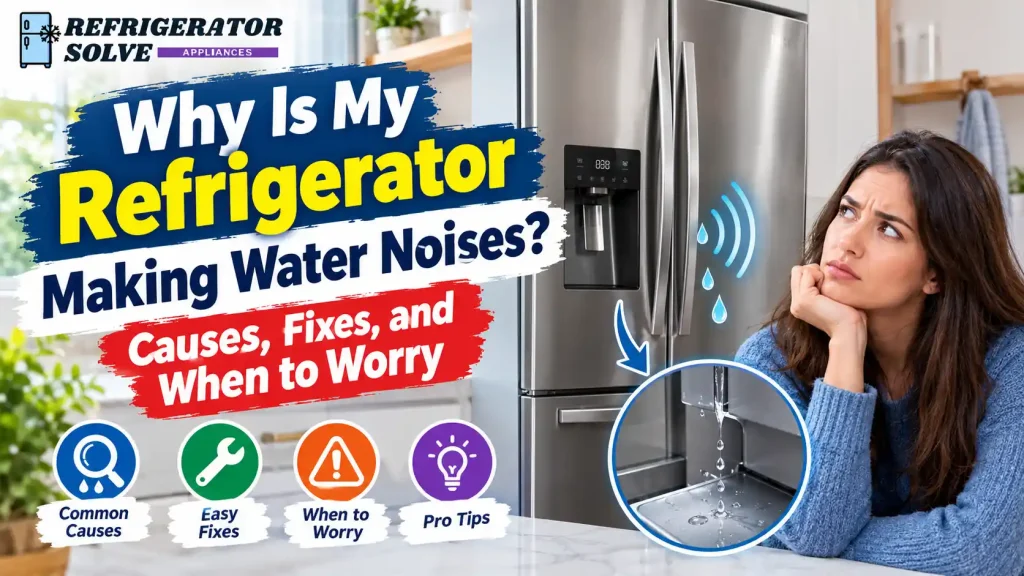
If your refrigerator suddenly sounds like water is running, dripping, bubbling, or gurgling inside it, you may immediately start looking for a leak. The good news is that most refrigerator water noises are completely normal.
A refrigerator can make water-like sounds when refrigerant moves through the cooling system, melted frost drains during an automatic defrost cycle, or an ice maker fills with water. You may even hear gurgling when the compressor stops or when you open and close the refrigerator door.
However, a water sound should not always be ignored. If it comes with a puddle on the floor, excessive frost, weak cooling, a malfunctioning ice maker, or a continuous loud noise, there may be a problem that needs attention.
This guide will help you figure out exactly why your refrigerator is making water noises, what each sound means, what you can safely check yourself, and when it is time to call a refrigerator technician.
Is It Normal for a Refrigerator to Make Water Noises?
Yes. Refrigerators are not silent appliances, and many of their normal operating sounds can easily be mistaken for running or dripping water.
You may normally hear:
- Gentle gurgling
- Bubbling
- Trickling
- Brief running-water sounds
- Dripping
- Hissing or sizzling
- A short buzz followed by water flow
- Occasional splashing into the drain pan
These sounds often appear and disappear as the refrigerator changes between cooling, defrosting, and ice-making cycles.
If your refrigerator is maintaining the correct temperature, there is no visible leak, and the sound is brief or occasional, it is usually not a reason to worry.
If you are hearing several other unusual sounds as well, this guide to what different refrigerator noises mean can help you narrow down the source.
Why Is My Refrigerator Making Water Noises? 8 Common Causes
There is no single source of every water-like refrigerator sound. The timing, location, and type of sound are the biggest clues.
Here are the most common causes.
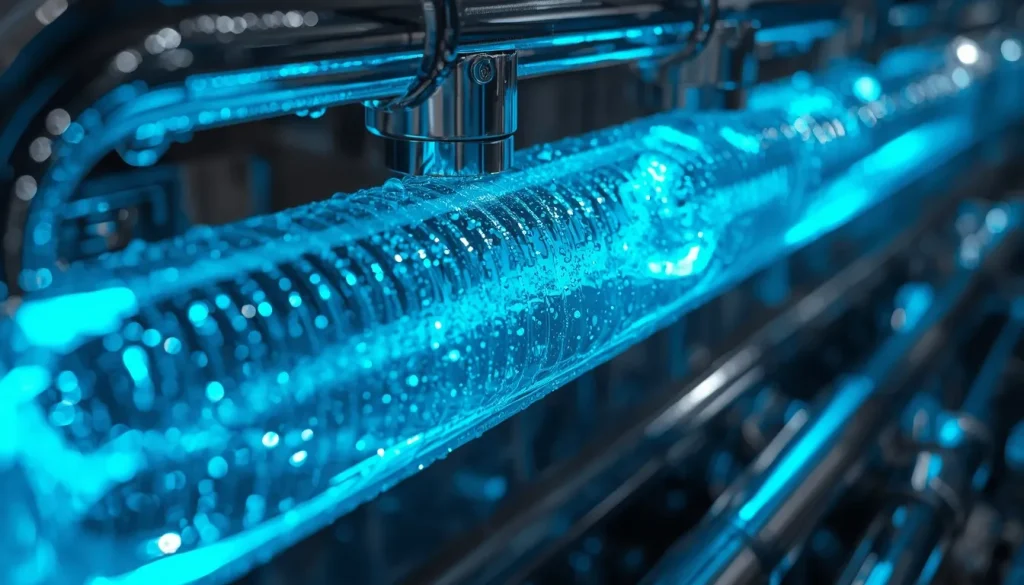
1. Refrigerant Is Flowing Through the Cooling System
One of the most common explanations has nothing to do with actual water.
Your refrigerator circulates refrigerant through a sealed system of tubing. As the refrigerant moves between areas of different temperature and pressure, it can sound like liquid flowing through a pipe.
You may describe the sound as:
- Gurgling
- Bubbling
- Trickling
- Light hissing
- Water flowing behind the refrigerator wall
This is especially noticeable when the compressor starts or stops.
If the refrigerator is cooling normally and you do not see a leak, refrigerant movement is usually a normal part of operation.
Do not attempt to open, cut, bend, puncture, or repair sealed refrigerant tubing yourself. Sealed-system repairs require proper equipment and professional training.
2. Water Is Draining During the Automatic Defrost Cycle
Most modern refrigerators periodically remove frost from the evaporator.
As that frost melts, the resulting water has to go somewhere. It normally travels through a defrost drain and tube before reaching a drain pan near the bottom of the refrigerator.
During this process, you may hear:
- Water dripping
- Trickling
- Gurgling
- Light splashing
- Sizzling or hissing
The sizzling sound can occur when defrost water reaches a warm component.
A short dripping or water-running sound during or shortly after defrost is usually normal.
The situation becomes more suspicious if water begins collecting inside the refrigerator, underneath freezer drawers, or on the floor.
3. The Ice Maker Is Filling With Water
If your refrigerator has an automatic ice maker, it periodically opens a water inlet valve to refill the ice mold.
You may first hear a short buzz or hum and then a few seconds of running water.
That sequence is usually normal:
Buzz → water flows → sound stops
You may hear it several times throughout the day depending on how much ice your household uses.
However, repeated buzzing with little or no water entering the ice maker can indicate:
- A closed household water valve
- A kinked supply line
- A restricted filter
- Low water flow
- A water inlet valve problem
- An ice maker that is turned on without a connected water supply
If the sound is more of a buzz than running water, see the full guide to refrigerator buzzing noises and their causes.
4. Water Is Moving Through the Refrigerator Supply Line
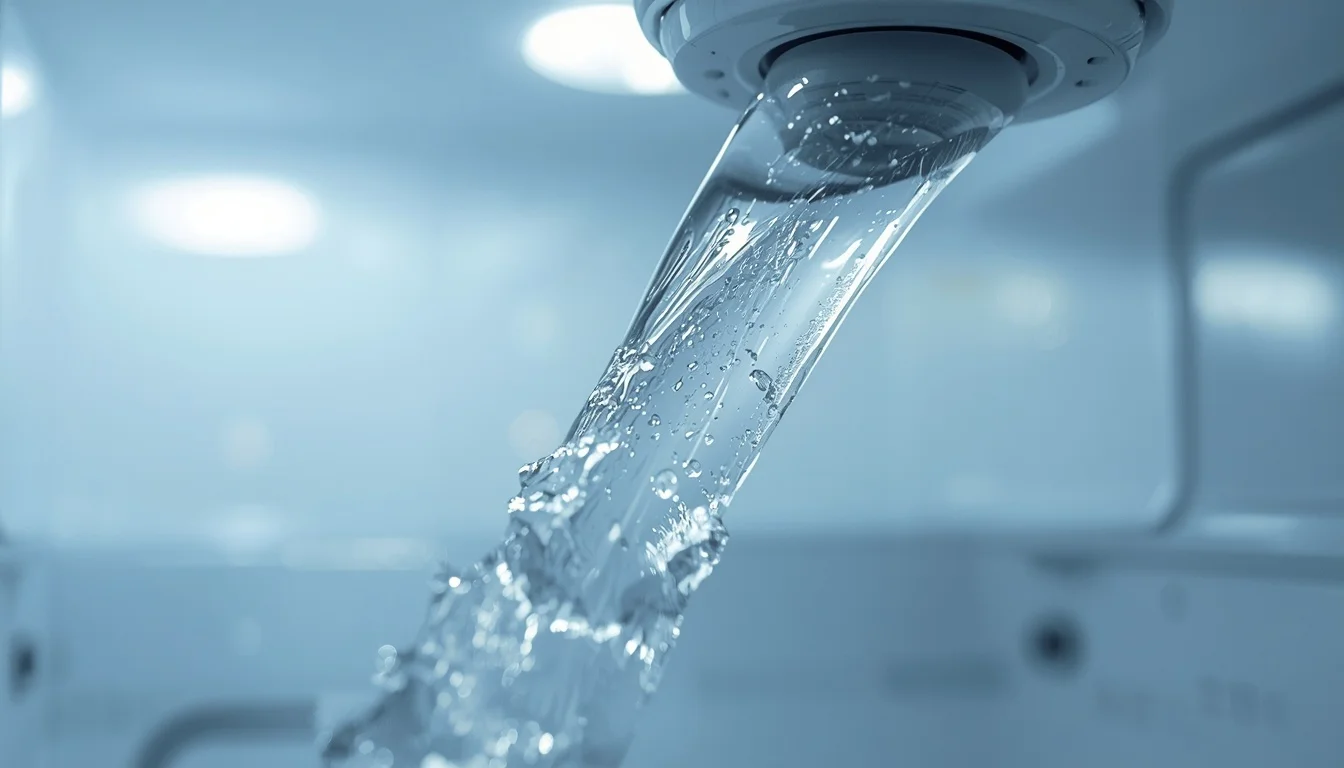
Refrigerators with a dispenser or ice maker are connected to a household water line.
Every time the dispenser is used or the ice maker calls for water, water moves through this tubing.
A brief rushing or flowing sound is expected.
You may notice a louder noise when:
- The supply tube touches the refrigerator cabinet
- The line is kinked
- Water flow is restricted
- The shutoff valve is not fully open
- The water filter is clogged
- The tubing moves when the inlet valve opens
Listen carefully to determine whether the sound happens only while dispensing water or filling the ice maker. If it does, the water-supply system is the most likely area to inspect.
5. Pressure Changes When the Compressor Starts or Stops
Does your refrigerator make a gurgling water sound immediately after the motor seems to stop?
That is often normal.
Pressure changes inside the refrigeration system as the compressor cycles. Refrigerant continues moving briefly through the tubing, which can create a bubbling, gurgling, or flowing-water sound.
It may last only a few seconds or a little longer before fading away.
This is generally harmless when:
- Cooling remains normal
- The noise is intermittent
- There is no visible leakage
- The compressor starts and stops normally
A gurgling sound by itself does not mean the compressor is failing.
If the noise from the lower rear of your refrigerator is much louder or more mechanical, learn how to check refrigerator compressor and fan noise before assuming the compressor needs replacement.
6. Air and Water Are Moving Through the Defrost Drain After the Door Closes
A strange gurgle can sometimes happen immediately after you open or close a refrigerator or freezer door.
Closing the door changes air pressure inside the cabinet. Air may move through the drain system, and a small amount of water in the drain tube can shift at the same time.
The result can sound like:
- A quick gurgle
- Bubbling
- Water moving through a straw
- A brief suction sound
This may be more noticeable in humid conditions because more moisture can enter the refrigerator and eventually become condensation or frost.
If the sound lasts only briefly after the door moves and everything else works normally, there is usually nothing to fix.
7. The Defrost Drain Is Partially Clogged
A normal defrost system should allow melted frost to drain freely.
If food particles, debris, or ice partially blocks the drain, water may move slowly and create more noticeable gurgling or trickling sounds.
A clogged drain becomes more likely if you also notice:
- Water underneath the crisper drawers
- A sheet of ice at the bottom of the freezer
- Water repeatedly freezing beneath a freezer basket
- A puddle under the refrigerator
- Unusual amounts of frost
- A sour or musty smell near standing water
This is different from an occasional normal defrost sound.
If your model has an accessible drain, follow the manufacturer’s instructions for clearing it. Avoid forcing sharp objects into the drain or using extremely hot water, as either can damage plastic components or nearby tubing.
8. The Drain Pan or Water Line Is Creating Extra Noise
At the bottom of many refrigerators is a pan that collects water from the automatic defrost system.
Normally, the water gradually evaporates.
If the drain pan is loose, incorrectly positioned, cracked, or vibrating against another component, normal water movement may sound much louder.
A water line can create a similar problem if it taps against:
- The rear cabinet
- A wall
- Flooring
- Another tube
- Nearby cabinetry
If the noise includes rattling or vibration rather than just water flow, you may also want to check the causes of refrigerator vibration noise.
What Different Refrigerator Water Noises Usually Mean
The character of the noise can tell you a lot.
| Sound You Hear | Common Explanation | Usually Normal? |
|---|---|---|
| Gentle gurgling | Refrigerant flow or defrost drainage | Yes |
| Bubbling | Refrigerant pressure changes | Usually |
| Light dripping | Automatic defrost water | Usually |
| Brief running water | Ice maker filling or defrost drainage | Usually |
| Buzz followed by water | Water inlet valve and ice maker | Usually |
| Short hissing or sizzling | Defrost water near a warm component | Usually |
| Gurgling after compressor stops | Refrigerant movement | Usually |
| Gurgling after door closes | Air/water moving through drain system | Usually |
| Loud bang when water stops | Water line movement or water hammer | Needs checking |
| Constant water sound with puddle | Leak or drainage problem | No |
| Water sound with poor cooling | Cooling or defrost problem | Needs diagnosis |
The most important distinction is not simply what the noise sounds like. Pay attention to what happens at the same time.
A refrigerator that occasionally gurgles while keeping food cold is very different from one that gurgles continuously while water pools underneath it.
Why Does My Fridge Sound Like Water Running When There Is No Leak?
This is one of the most confusing refrigerator noises because you can clearly hear liquid but cannot find any water.
In most cases, that is actually good news.
The sound may be coming from:
Refrigerant circulation
Refrigerant moving through sealed tubing can sound remarkably similar to running water.
Defrost drainage
Water may be flowing through the internal drain system and into the drain pan where you cannot see it.
Ice maker filling
A short refill cycle can happen even when no one is using the refrigerator.
Normal pressure changes
Refrigerant may continue moving briefly after the compressor switches off.
If you cannot find water on the floor, underneath drawers, around the water line, or near the dispenser, and the refrigerator is cooling correctly, an occasional water-flow sound is generally normal.
Why Does My Fridge Sound Like Water Running When It Has No Water Line?
A refrigerator does not need a household water connection to make a water-like sound.
This is an important distinction.
Even a refrigerator with no dispenser, no ice maker, and no connected water supply can produce gurgling and flowing noises because it still contains:
- Refrigerant
- A compressor
- An evaporator
- A defrost system
- A defrost drain
- A drain pan
So if you are hearing running water from a refrigerator with no water line, start by considering refrigerant movement and automatic defrost drainage.
Look for an actual leak only if you find visible water or another symptom.
Why Is My Refrigerator Making a Gurgling or Bubbling Water Sound?
Gurgling and bubbling are among the most common normal refrigerator sounds.
They often happen during three situations.
After a cooling cycle
When the compressor stops, refrigerant may continue moving as pressures begin to equalize.
During defrost
Melted frost may pass through the drain system and create a gurgle.
After opening or closing the door
Pressure changes may move air through a drain tube containing a small amount of water.
If the sound is gentle, temporary, and not accompanied by a leak or cooling problem, it generally does not require repair.
Why Do I Hear Water Dripping Inside My Refrigerator?
A light dripping sound does not automatically mean water is escaping where it should not.
During automatic defrost, frost on the evaporator melts and drains away. You may be able to hear individual drops even though no water is visible inside the food compartment.
Check further if dripping is accompanied by:
- Water underneath produce drawers
- Ice forming on the freezer floor
- Water running out of the door
- A wet floor around the appliance
- Repeated drain freezing
Those symptoms make a drainage problem more likely.
Why Does My Refrigerator Make Water Noises After I Close the Door?
If the sound begins immediately after the refrigerator or freezer door shuts, pressure equalization is a likely explanation.
The fast-moving door changes the air pressure inside the compartment. Air may then travel through the drain path, moving residual water with it.
You may hear a short:
- Gurgle
- Bubble
- Whoosh
- Suction-like sound
This should normally disappear quickly.
If the noise continues for a long time or is accompanied by a door that is difficult to close, excessive frost, or poor cooling, check the door seal and make sure nothing is preventing the door from closing properly.
Why Is My Refrigerator Making Water Noises When the Compressor Starts or Stops?
A water-flow or bubbling sound near the beginning or end of a cooling cycle is often caused by refrigerant.
You may notice it most clearly just after the compressor shuts down because the kitchen suddenly becomes quieter while refrigerant continues moving inside the system.
Normal signs include:
- Brief gurgling
- Gentle bubbling
- No change in refrigerator temperature
- No puddles
- No repeated electrical clicking
More concerning signs include:
- Repeated clicking with no cooling
- Very loud mechanical knocking
- Compressor starting and stopping every few seconds
- A refrigerator that is becoming warm
If your noise has become unusually loud rather than simply watery, follow the troubleshooting steps in how to fix a refrigerator making loud noise.
Why Is My Refrigerator Making a Banging or Water-Hammer Noise?
A sharp knock or bang is different from normal gurgling.
If your refrigerator is connected to a water supply, the sound may occur when the water inlet valve closes quickly. The sudden change in water flow can cause the supply line or household plumbing to move.
You may notice the bang:
- After the water dispenser stops
- When the ice maker finishes filling
- Immediately after a water valve closes
- From behind the refrigerator or inside a nearby wall
First check whether the water line is loose or striking the cabinet.
Also look for obvious kinks and confirm that the household water valve is fully open.
If the knocking appears to come from your plumbing rather than the refrigerator itself, household water pressure may need to be evaluated by a plumber.
For other possible mechanical causes, see the complete guide to refrigerator knocking noises.
Why Is My Refrigerator Making Noise After a Water Filter Change?
It is not unusual to notice different water-system sounds shortly after installing a new filter.
Possible reasons include:
- Air trapped in the water system
- A filter that is not fully seated
- Restricted water flow
- Incorrect filter installation
- Water moving through an initially empty filter
You may hear gurgling, sputtering, or irregular water flow while using the dispenser.
Check that the filter is the correct type for your refrigerator and is installed exactly as instructed by the manufacturer.
If your manufacturer requires the system to be flushed after filter replacement, follow the amount and procedure listed in the owner’s manual.
Persistent noise combined with weak dispenser flow may indicate a supply restriction rather than a normal filter-change effect.
What If the Ice Maker Is On but No Water Supply Is Connected?
This situation can cause noises that owners often mistake for a refrigerator problem.
If an automatic ice maker is switched on, it may periodically request water. The inlet valve can activate even though no usable water supply is connected.
You may hear:
- Buzzing
- Humming
- Clicking
- Pulsating
- Chattering
If your refrigerator is not connected to a water source, switch off the ice maker according to the instructions for your model.
If a water supply should be connected but the ice maker is still not filling, check the household shutoff valve, visible supply tubing, and filter before assuming that the ice maker itself has failed.
Where Is the Water Noise Coming From?
Locating the sound can eliminate several possibilities quickly.
Water Noise From the Freezer
A sound inside the freezer may come from:
- The evaporator area
- Refrigerant flow
- Defrost water
- An automatic ice maker
- The defrost drain
If you also see ice accumulating on the freezer floor, inspect the drainage system.
Water Noise From the Back of the Refrigerator
The rear area contains several possible noise sources, depending on the model:
- Refrigerant tubing
- Compressor
- Water inlet valve
- Supply tubing
- Drainage components
A brief gurgle is usually less concerning than constant knocking, buzzing, or water leaking onto the floor.
Water Noise From the Bottom of the Refrigerator
Check the drain-pan area if the sound seems to come from underneath the appliance.
Possible explanations include:
- Defrost water entering the pan
- A loose drain pan
- A vibrating water line
- An actual leak
Do not remove protective panels or reach near electrical components while the refrigerator is powered.
How to Find the Source of Refrigerator Water Noise
Instead of replacing parts based on the sound alone, use this simple diagnostic process.
Step 1: Describe the sound
Is it:
- Gurgling?
- Bubbling?
- Dripping?
- Running water?
- Hissing?
- Buzzing followed by water?
- Banging?
The description helps narrow the system involved.
Step 2: Locate it
Listen near the:
- Freezer
- Ice maker
- Water dispenser
- Back
- Lower rear
- Bottom of the refrigerator
Step 3: Notice when it happens
Ask yourself:
- Does it happen after the compressor stops?
- Does it happen after the door closes?
- Does it happen while making ice?
- Does it occur after using the dispenser?
- Does it appear during a defrost cycle?
- Is it happening continuously?
Timing is often more useful than volume.
Step 4: Look for water
Check:
- Around the refrigerator
- Underneath the appliance if safely visible
- Under crisper drawers
- On the freezer floor
- Around the dispenser
- Around accessible water-line connections
Step 5: Check cooling performance
If both compartments are maintaining their normal temperatures, occasional water sounds are less likely to represent a serious failure.
If the refrigerator is becoming warm, treat the noise as one symptom of a larger cooling problem.
Step 6: Isolate the water system
If the sound occurs only while the ice maker fills or water is dispensed, inspect the water-related components first.
Step 7: Check for vibration
Make sure the refrigerator is stable and not touching the wall or cabinetry.
A normal internal sound can become surprisingly loud when vibration transfers into surrounding surfaces.
How to Fix a Refrigerator Making Water Noises
You do not need to eliminate every water-like sound. Normal refrigerant and defrost noises should be left alone.
For abnormal sounds, start with the safest and simplest checks.
Check That the Refrigerator Is Level
An uneven refrigerator can:
- Increase vibration
- Cause tubing to touch the cabinet
- Make the drain pan rattle
- Affect door closing
Use the leveling procedure provided for your exact refrigerator model.
Move the Refrigerator Away From the Wall
If the appliance or water tubing touches the wall, ordinary vibration can turn a mild water-line noise into a loud rattle.
Leave the clearance specified by the manufacturer.
Inspect the Visible Water Supply Line
If your refrigerator has a water connection:
- Turn off the water supply before working on a connection.
- Look for kinks.
- Check for obvious leakage.
- Make sure excess tubing is not hitting the cabinet.
- Confirm the household supply valve is fully open when the system is returned to service.
Do not dismantle the inlet valve while the refrigerator remains connected to electricity and water.
Check the Water Filter
A heavily restricted or incorrectly installed filter can affect dispenser and ice-maker water flow.
Confirm:
- The filter is compatible
- It is properly seated
- It is not overdue for replacement
- The system was flushed as required after installation
Check the Ice Maker
If the ice maker is enabled but no water supply is connected, turn it off.
If water should be available but the ice maker repeatedly calls for water without filling, investigate the supply before replacing the ice maker.
Check for Defrost Drain Symptoms
Do not clear a drain merely because you hear gurgling.
Look for supporting signs such as:
- Standing water
- Ice on the freezer floor
- Repeated internal leaks
- Drainage that appears blocked
If you need to access internal panels to reach the drain, consult the service instructions for your model or use a professional technician.
Inspect the Drain Pan if It Is Safely Accessible
Check that the pan:
- Is seated properly
- Is not visibly cracked
- Is not rubbing another component
- Is not overflowing
Some refrigerators do not provide easy user access to the drain pan, so do not force panels apart.
Refrigerator Making Water Noise and Leaking Water
Water noise plus an actual leak changes the situation.
The most common areas to investigate are:
Defrost drain
A blocked or frozen drain can cause water to back up into the freezer or refrigerator compartment.
Water supply tubing
Check accessible tubing and connections for moisture.
Water filter or filter housing
A filter that is incorrectly installed may allow water to escape around the housing.
Water inlet valve
A valve or connection at the back of the refrigerator may leak when water is requested.
Ice maker
Water can overflow or freeze in the wrong location if filling is not occurring properly.
Drain pan
A damaged or displaced pan can allow defrost water onto the floor.
If you cannot identify the source, shut off the refrigerator’s water supply if applicable and arrange service before water damages flooring or cabinetry.
Refrigerator Making Water Noise but Not Cooling
A gurgling sound alone is often harmless. A gurgling refrigerator that is becoming warm deserves much more attention.
Possible issues may include:
- Heavy frost blocking airflow
- Evaporator fan problems
- Condenser fan problems
- Compressor start problems
- Defrost-system failure
- A sealed cooling-system fault
First check the basics:
- Make sure the doors close fully.
- Confirm that food is not blocking air vents.
- Check the temperature controls.
- Look for excessive frost.
- Listen for airflow.
- Listen for repeated clicking from the rear.
If your freezer remains cold while the fresh-food compartment becomes warm, see this guide on a refrigerator not cooling while the freezer still works for additional airflow and frost checks.
Do not attempt to repair the compressor or sealed refrigerant system yourself.
Why Does My Refrigerator Make Water Noises at Night?
Your refrigerator may not actually become noisier at night.
Your home simply becomes quieter.
During the day, conversations, televisions, traffic, appliances, and general household activity can mask normal refrigerator sounds. Late at night, the same cooling cycle may suddenly seem surprisingly loud.
You may notice:
- Refrigerant gurgling
- Ice maker filling
- Ice dropping into the bin
- Defrost water
- Compressor operation
The more useful question is whether the sound is new.
A sound that has always occurred but is easier to hear at night is usually less concerning than a sound that suddenly appeared yesterday and continues getting louder.
What About a New Refrigerator That Sounds Like Running Water?
A new refrigerator can sound very different from the appliance it replaced.
Modern refrigerators may use different compressors, fan speeds, refrigerant-flow patterns, and automatic controls.
During the first cooling period, you may notice:
- More frequent operation
- Gurgling
- Bubbling
- Hissing
- Water-like flow
- Ice-maker filling noises
If the refrigerator is cooling properly and no water is escaping, give yourself time to become familiar with its normal sound pattern.
The owner’s manual is especially useful because manufacturers often list the expected operating noises for each model.
Normal Water Noise vs. a Refrigerator Problem
Here is a simple rule of thumb.
Usually normal
- Brief gurgling
- Occasional bubbling
- Water flowing during defrost
- Short dripping sounds
- Water filling the ice maker
- Gurgling when the compressor stops
- A brief noise after the door closes
- Running-water sound without visible leakage
Needs investigation
- Water pooling inside the refrigerator
- A puddle on the floor
- Heavy or recurring ice buildup
- Water dispenser flow suddenly becoming weak
- Ice maker repeatedly trying to fill without water
- Loud banging every time water stops
- Noise becoming dramatically louder
- Refrigerator temperatures rising
- Continuous unusual hissing
- Repeated clicking with poor cooling
Stop using the refrigerator and seek help when appropriate
Electrical warning signs should not be treated as ordinary appliance noise.
Disconnect the refrigerator if it is safe to do so and arrange qualified service if you notice:
- Smoke
- A burning or melting smell
- Electrical sparking
- Repeated circuit-breaker trips
- Loss of power accompanied by abnormal electrical noises
How to Prevent Refrigerator Water and Drainage Problems
You cannot prevent normal refrigerant or defrost sounds, but a few simple habits can reduce avoidable problems.
Keep the refrigerator level
Proper leveling helps doors close correctly and reduces vibration.
Keep the water line free of kinks
Inspect visible tubing whenever the refrigerator is moved.
Replace the water filter as required
Follow the schedule and instructions for your specific model rather than waiting for dispenser flow to stop completely.
Keep doors sealing properly
Clean dirty gaskets and remove anything preventing the door from closing.
Watch for early signs of a blocked drain
Water under drawers or recurring ice on the freezer floor should be investigated before a larger leak develops.
Do not chip freezer ice with sharp tools
A screwdriver, knife, or similar object can damage internal panels or sealed refrigeration tubing.
Pay attention when the refrigerator’s sound changes
You do not need to memorize every noise your refrigerator makes. Just notice when something suddenly becomes louder, longer, or different.
Frequently Asked Questions
Why does my fridge sound like water is running?
The most common causes are refrigerant moving through the cooling system, water draining during automatic defrost, or an ice maker filling. If there is no visible leak and cooling is normal, a brief running-water sound is usually normal.
Is it normal to hear water running in a refrigerator?
Yes. Water can run through the defrost drain, and refrigerant movement can sound like flowing water even though it is not household water.
Why does my refrigerator sound like running water when it has no ice maker?
The sound may come from refrigerant circulation or automatic defrost drainage. Neither process requires an ice maker or external water connection.
Why does my refrigerator make a gurgling water noise?
Gentle gurgling commonly occurs as refrigerant moves through the cooling system or as defrost water passes through the drain. It may also happen after opening or closing a refrigerator door.
Why do I hear dripping inside my refrigerator?
Automatic defrost can produce dripping sounds as melted frost moves toward the drain pan. Investigate further if water is accumulating inside the appliance or leaking onto the floor.
Why does my fridge sound like water running but there is no leak?
Refrigerant can produce a flowing-water sound inside sealed tubing. Defrost water can also drain internally without appearing on the floor. Both can be normal.
Why does my refrigerator gurgle after I close the door?
Closing the door changes air pressure inside the refrigerator. Air moving through the drain tube can shift a small amount of water and create a brief gurgling sound.
Can a clogged defrost drain cause gurgling?
Yes. A partially restricted drain may make drainage louder or slower. Look for water accumulation, ice on the freezer floor, or repeated internal leaking before assuming the drain is blocked.
Why does my refrigerator make water noises when the compressor turns off?
Refrigerant continues moving as pressure changes after the cooling cycle ends. This can create temporary bubbling or gurgling.
Why is my ice maker making a water-filling noise?
The water inlet valve opens when the ice maker needs to refill. A brief valve sound followed by water flow is normally part of the ice-making cycle.
Why does my refrigerator make a banging sound after dispensing water?
A moving water line or sudden change in household water flow may create a knocking or water-hammer effect. Check that visible tubing is secure and not striking the cabinet.
Why is my refrigerator making noises after replacing the water filter?
Air in the system, a newly filled filter, incorrect installation, or restricted flow can cause temporary gurgling or sputtering. Confirm installation and follow your manufacturer’s flushing procedure.
Why does my new refrigerator sound like water is running?
New refrigerators often produce refrigerant, defrost, compressor, and water-system sounds that may be different from an older appliance. If cooling is correct and there is no leak, an occasional flowing-water sound is usually normal.
Should I unplug my refrigerator because it is making water noises?
Not for an occasional normal gurgle, drip, or water-flow sound. Consider disconnecting the refrigerator if you notice an electrical burning smell, smoke, sparking, repeated breaker trips, or another immediate electrical safety concern.
Final Thoughts
If you are wondering why your refrigerator is making water noises, start by looking for other symptoms before assuming something has failed.
Occasional gurgling, bubbling, dripping, and running-water sounds are often simply the result of refrigerant circulation, automatic defrost drainage, pressure changes, or an ice maker filling. These noises can happen even when your refrigerator has no external water line.
The key is to pay attention to where the sound comes from, when it happens, whether water is actually leaking, and whether the refrigerator is still cooling properly.
If there is no leak and temperatures remain normal, the sound will often require no repair at all. If the water noise is accompanied by a puddle, heavy frost, repeated banging, weak cooling, or another unusual symptom, use those clues to investigate the specific system involved rather than replacing parts at random.
A few minutes of careful observation can often tell you whether you are hearing a perfectly normal refrigerator doing its job—or an early warning that something needs attention.

Hi, I’m the lead researcher and appliance enthusiast behind RefrigeratorSolve. With years of hands-on experience troubleshooting cooling systems and testing home appliances, I am dedicated to bringing you honest reviews, energy-saving tips, and practical solutions to keep your refrigerator running perfectly.