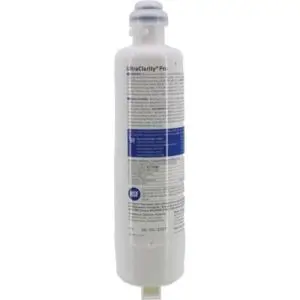
Refrigerator water filters work by trapping contaminants such as chlorine, sediments, and some metals through a combination of activated carbon and mechanical filtration as water passes through the filter media. This process improves water taste and quality while protecting ice maker and dispenser components.
However, no filter removes all possible contaminants, so performance varies by model and certification.
Understanding how refrigerator water filters work can help you maintain better water quality and know when to replace the filter. These filters are designed to remove unwanted particles and chemicals from water before it’s dispensed or turned into ice.
In this article, you’ll learn the basic mechanisms of refrigerator water filtration, what they commonly remove, how they’re certified, and how to choose and maintain them for your home. Whether your priority is taste, safety, or appliance longevity, this overview will clarify how these filters function and what limitations to expect.

Why This Topic Matters
- Many users don’t realize filters degrade over time, reducing effectiveness.
- Filters vary widely in performance; not all remove the same contaminants.
- Clogged filters can strain water dispensers and ice makers.
- Certifications (like NSF) indicate tested performance levels.
Good filtration not only improves taste but also helps protect internal refrigerator components and your household plumbing.
Key Facts
- Activated carbon media is the core of most fridge filters; it adsorbs chemicals like chlorine.
- Mechanical filtration removes sediments and particulates.
- Some advanced filters include ion exchange resins to reduce metals like lead.
- NSF International certifications (e.g., NSF 42, NSF 53) validate specific contaminant reduction claims.
“A refrigerator water filter is not just a taste enhancer—it’s a targeted contaminant reduction system whose effectiveness depends on design and certification.” — Water Quality Specialist

Main Content Sections
What Are Refrigerator Water Filters Made Of?
Refrigerator water filters typically contain:
- Activated carbon: adsorbs chlorine and organic compounds
- Mechanical mesh or pleated material: captures sediments
- Optional resins or specialty media: reduce metals and other contaminants
How Water Flows Through the Filter
- Incoming water enters through a pre-filter mesh.
- Larger particles and sediments are trapped.
- Water passes through activated carbon granules, which bind contaminants.
- Clean water exits toward the dispenser or ice maker.
This multi-stage action balances particle trapping and chemical reduction.

What Contaminants Do They Reduce?
Depending on design and certification, filters can reduce:
- Chlorine taste and odor
- Sediments (sand, rust, dirt)
- Certain metals (e.g., lead)
- Some volatile organic compounds (VOCs)
Note: Refrigerator filters do not make water sterile or remove all pathogens.
Filter Certifications and What They Mean
- NSF 42: Reduces chlorine, improves taste/odor.
- NSF 53: Reduces specific health-related contaminants (e.g., lead).
- Other standards may address particulates or specific chemical groups.
Certifications help consumers understand tested performance rather than assume universal removal.
When to Replace Your Refrigerator Water Filter
Common signals it’s time to replace:
- Reduced water flow
- Bad or chlorine-like taste
- Ice with off-colors or smells
- Manufacturer-recommended time (often every 6 months)
Regular replacement maintains both quality and appliance performance.

Pros & Cons
| Pros | Cons |
|---|---|
| Better taste and odor | Not all contaminants removed |
| Protects ice/dispenser parts | Needs regular replacement |
| Some models reduce metals | Effectiveness varies by model |
Expert Take
Choose a filter with NSF certification matching contaminants you care about (e.g., NSF 53 for lead). Always follow your manufacturer’s replacement interval, and keep a spare filter on hand. If water quality is a primary health concern, consider supplemental home filtration (e.g., under-sink systems) in addition to your refrigerator filter.
Common Mistakes to Avoid
- Skipping replacement schedules: old filters lose effectiveness.
- Assuming all filters remove all contaminants: read certifications.
- Using non-OEM filters without validation: may not meet claimed standards.
- Forgetting to flush new filters: necessary to clear carbon fines.
Who This Is Best For / Not Ideal For
Best For:
- Households that want better taste and odor control
- Users relying on refrigerator dispensers and ice makers
- People looking to reduce specific contaminants
Not Ideal For:
- Areas with severe water contamination issues
- Users needing full pathogen removal
- Homes without regular filter replacement habits
FAQs on How Refrigerator Water Filters Work
How does a refrigerator water filter remove impurities?
It uses mechanical filtration to catch particles and activated carbon to adsorb chemicals, improving taste and quality.
Do refrigerator filters remove bacteria?
No. Most fridge filters are not designed to remove microbes or sterilize water.
How often should I replace my refrigerator water filter?
Typically every 6 months, but it depends on usage and water quality.
Does a water filter affect ice quality?
Yes. A good filter reduces odors and tastes that would otherwise influence ice flavor.
Conclusion
Refrigerator water filters trap sediments and adsorb chemical contaminants as water flows through activated media. They improve water taste and help protect dispenser and ice mechanisms, but their effectiveness depends on design and certification. Regular replacement and correct selection help you get the best performance from your filter.