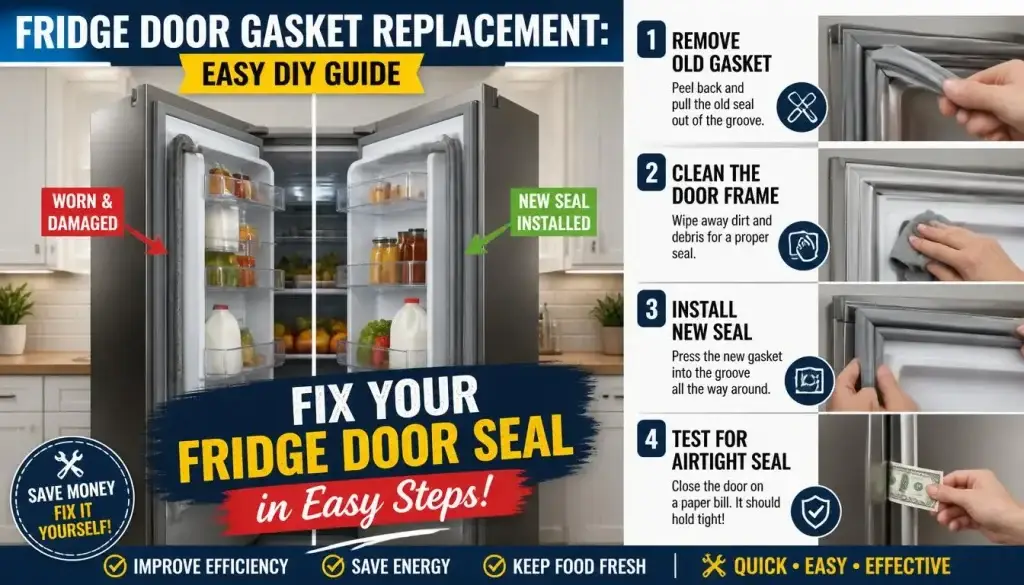
Fridge door gasket replacement — A fridge door gasket replacement fixes damaged or loose door seals that cause cold air leaks, higher energy bills, and food spoilage. Replacing the gasket helps your refrigerator maintain the right temperature, improve efficiency, and restore proper cooling performance.
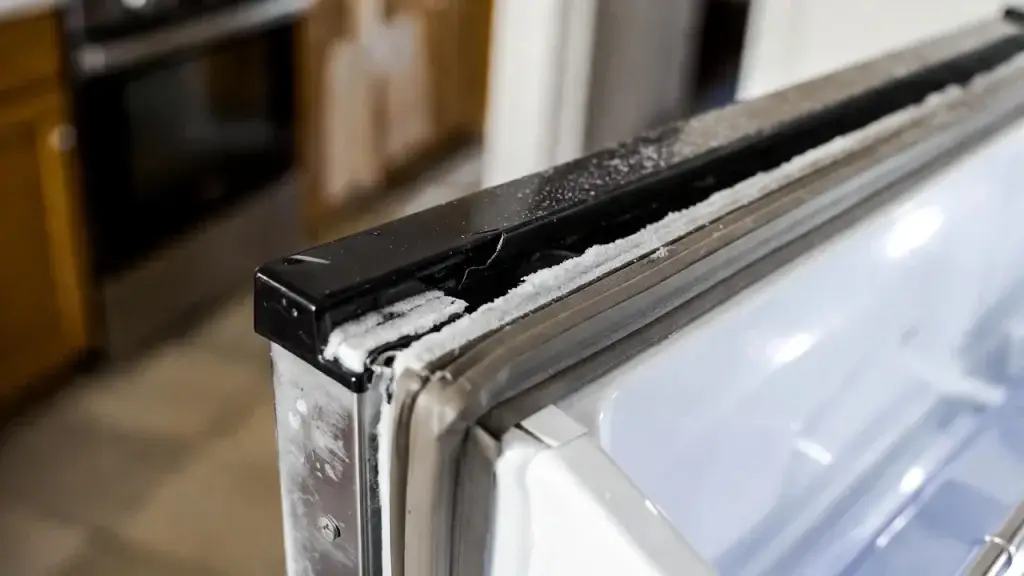
A refrigerator door that does not close tightly can create bigger problems than most homeowners realize. If you notice frost buildup, warm food, longer compressor running time, or moisture around the door, the issue may be a damaged fridge door gasket.
A worn-out seal allows cold air to escape while warm air enters the refrigerator. Over time, your appliance works harder to maintain temperature, which can increase electricity usage and reduce the lifespan of important components.
The good news is that a fridge door gasket replacement is one of the most practical refrigerator maintenance tasks many homeowners can handle themselves. With the right replacement seal and a few simple steps, you can restore your fridge’s performance without immediately calling a technician.
In this guide, you’ll learn how to identify a bad fridge seal, choose the correct replacement gasket, complete the installation process, avoid common mistakes, and keep your refrigerator running efficiently in 2026 and beyond.
Why Fridge Door Gasket Replacement Matters for Refrigerator Performance
Your refrigerator door seal may look like a small rubber strip, but it plays a major role in keeping your appliance efficient. The gasket creates an airtight barrier between the refrigerator interior and your kitchen environment.
When fridge door seals become cracked, hardened, stretched, or loose, they cannot trap cold air properly. This causes several common refrigerator issues:
- Food spoils faster because temperatures fluctuate.
- The compressor runs longer than necessary.
- Energy consumption increases.
- Ice buildup may appear inside the freezer.
- Moisture and condensation develop around the door.
According to the U.S. Department of Energy, refrigerators account for a significant portion of household energy use, and maintaining proper operation helps reduce unnecessary electricity consumption.
Many homeowners ignore small gasket problems because the refrigerator still “works.” However, a leaking seal forces the appliance to compensate continuously.
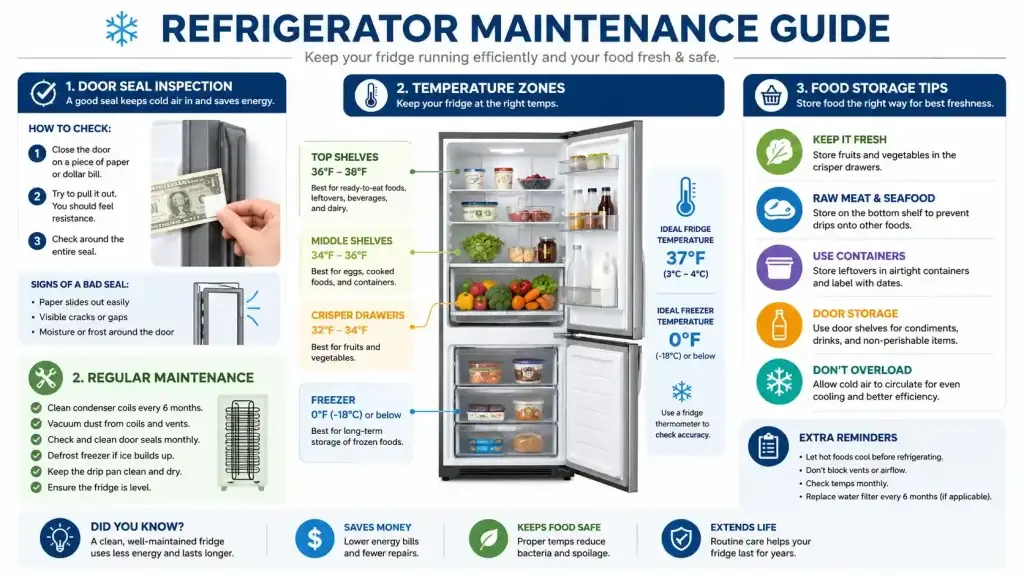
A simple test can help identify a damaged gasket:
- Close the refrigerator door on a piece of paper.
- Try pulling the paper out.
- If it slides out easily, the seal may not be tight enough.
A proper fridge seal replacement can improve cooling consistency and prevent future repair costs.
Modern refrigerators in 2026 also include smarter cooling systems, digital sensors, and energy-saving technology. However, even the most advanced appliance depends on a properly functioning door seal.
Best Solutions for Fridge Seal Replacement and Door Gasket Problems
Replacing a damaged refrigerator seal is usually the best solution when cleaning and adjustment no longer improve the door seal performance.
Here are the most effective solutions:
1. Choose the Correct Replacement Gasket
The most important step in fridge gasket replacement is buying the correct model-specific seal.
Check:
- Refrigerator brand
- Model number
- Door size
- Freezer or refrigerator compartment type
A universal gasket may not always provide a perfect fit.
2. Inspect the Current Fridge Door Seals
Before replacing the gasket, check the condition:
- Look for cracks or tears.
- Check for hardened rubber.
- Inspect corners for gaps.
- Feel for cold air escaping.
Small damage often becomes worse over time.
3. Clean the Door Surface Before Installation
A dirty installation area can prevent a new gasket from sealing properly.
Use:
- Warm water
- Mild soap
- Soft cloth
Avoid harsh chemicals that may damage rubber materials.
4. Improve Refrigerator Organization
A poorly arranged refrigerator can create extra pressure on the door.
Follow better food storage tips:
- Avoid overpacking shelves.
- Keep containers away from the door seal.
- Maintain airflow around cooling vents.
5. Consider Energy-Efficient Appliance Maintenance
Regular refrigerator maintenance improves performance.
Include:
- Cleaning condenser coils
- Checking temperature settings
- Inspecting fridge door seals
- Replacing damaged parts quickly
6. Adjust the Refrigerator Door Alignment
Sometimes the gasket is fine, but the door is slightly misaligned.
Check:
- Loose hinges
- Uneven leveling
- Door closing problems
A properly aligned door helps the new gasket last longer.
7. Upgrade Old Refrigerator Parts
If your refrigerator is older, replacing worn parts can improve efficiency.
Modern appliances often include:
- Smart temperature monitoring
- Energy-saving compressors
- Better insulation systems
Step-by-Step Guide: How to Replace a Fridge Door Gasket
Follow these steps for a successful fridge door gasket replacement:
Step 1: Purchase the Correct Gasket
Find the exact replacement seal based on your refrigerator model number.
Step 2: Turn Off Power
Unplug the refrigerator before starting the repair for safety.
Step 3: Remove the Old Gasket
Carefully pull back the old seal.
Most gaskets are attached using:
- Screws
- Retaining strips
- Plastic channels
Step 4: Clean the Door Area
Remove dirt, grease, and old adhesive residue.
Step 5: Prepare the New Seal
Soak the gasket in warm water for a few minutes if it is folded or stiff.
This helps restore flexibility.
Step 6: Install the New Gasket
Place the gasket evenly around the door edge.
Make sure:
- Corners sit properly.
- No sections are twisted.
- The seal sits flat.
Step 7: Check the Door Seal
Close the door and perform the paper test again.
Look for gaps or uneven areas.
Step 8: Monitor Cooling Performance
After replacement:
- Check temperature stability.
- Watch for moisture.
- Confirm the compressor is not running excessively.
Expert Tips & Common Mistakes During Fridge Gasket Replacement
Professional appliance technicians recommend paying attention to small details during installation.
Expert Tips
- Warm the gasket before installation to make it easier to shape.
- Clean the surface completely before attaching the new seal.
- Check door alignment before assuming the gasket is faulty.
- Inspect corners carefully because leaks often start there.
- Replace damaged seals early to protect refrigerator efficiency.
Common Mistakes to Avoid
- Installing the wrong gasket model — A poor fit creates air leaks.
- Skipping cleaning — Dirt prevents proper sealing.
- Pulling the old gasket too aggressively — This may damage the door liner.
- Ignoring freezer door seals — Freezer leaks can also affect performance.
A fridge gasket replacement is simple, but accuracy matters. A small installation mistake can reduce the effectiveness of a new seal.
FAQs
How often should I replace my fridge door gasket?
Most fridge door seals last several years, but replacement depends on usage, cleaning, and refrigerator condition. Replace the gasket when you notice cracks, gaps, poor sealing, frost buildup, or increased energy usage.
Can I do a fridge door gasket replacement myself?
Yes. Many homeowners can replace fridge door seals using basic tools. The process mainly requires removing the old gasket, cleaning the surface, and installing the new one correctly.
How much does fridge seal replacement cost?
The cost depends on the refrigerator brand and gasket type. DIY replacement usually costs less than hiring a repair technician.
Why is my refrigerator door seal not sticking properly?
Common causes include dirt buildup, incorrect installation, damaged gasket material, or a misaligned refrigerator door.
How do I know if my fridge gasket is bad?
Signs include warm food, condensation, frost buildup, visible cracks, loose sections, and a refrigerator that runs constantly.
Are universal fridge door seals worth buying?
Universal seals may work for some models, but manufacturer-specific replacement gaskets usually provide a better fit and longer-lasting performance.
Can a damaged fridge door seal increase electricity bills?
Yes. A leaking seal allows cold air to escape, forcing the compressor to work harder and increasing energy consumption.
Conclusion
A fridge door gasket replacement is one of the easiest ways to improve refrigerator efficiency, reduce energy waste, and protect stored food. A damaged door seal may seem like a small issue, but it can create cooling problems and increase operating costs over time.
By choosing the correct gasket, installing it properly, and following regular refrigerator maintenance habits, you can extend your appliance’s lifespan and maintain better performance.
For reliable refrigerator care, always check common problem areas like door seals, temperature settings, and airflow.

Hi, I’m the lead researcher and appliance enthusiast behind RefrigeratorSolve. With years of hands-on experience troubleshooting cooling systems and testing home appliances, I am dedicated to bringing you honest reviews, energy-saving tips, and practical solutions to keep your refrigerator running perfectly.