Are you ever unsure about how to store your leftovers so they stay fresh and safe to eat? You’re not alone.
Storing food the right way isn’t just about keeping it tasty—it’s about protecting yourself and your loved ones from harmful bacteria. You’ll discover simple, practical tips on how to cool, store, and reheat your leftovers safely. Whether you want to avoid food waste or keep your meals delicious for later, knowing the best methods can make all the difference.
Keep reading to learn how small changes in your kitchen routine can help you enjoy your leftovers without worry.
Cooling Leftovers Quickly
Cooling leftovers quickly is essential for safe food storage. Hot food left at room temperature too long allows bacteria to grow. This can cause food poisoning. Proper cooling stops this risk and keeps your food fresh. Follow these simple steps to cool leftovers fast and safely.
Divide Into Portions
Large portions take longer to cool. Divide leftovers into smaller portions. This helps heat escape faster. Smaller amounts cool evenly and quickly. Use clean bowls or plates to separate food. Cooling in smaller portions reduces bacteria growth risk.
Use Shallow Containers
Deep containers hold heat longer. Use shallow containers instead. They spread food out to cool faster. Food in shallow containers reaches safe temperature quickly. This method also helps avoid soggy leftovers. Cover containers with lids or wrap to keep food moist and safe.
Storing Leftovers Safely
Storing leftovers safely helps prevent foodborne illnesses. Proper storage keeps food fresh longer. It also stops harmful bacteria from growing. Follow simple steps to protect your health and enjoy your meals.
Choose Airtight Containers
Use airtight containers to store leftovers. These containers keep air and moisture out. They prevent bacteria from contaminating food. Airtight containers also stop odors from mixing. Choose containers that seal tightly and fit your food well.
Wrap Food Properly
Wrap food with plastic wrap or aluminum foil. Ensure the wrap covers all exposed parts. Proper wrapping keeps food moist and fresh. It also protects food from fridge odors. Use clean wrap to avoid contamination.
Maintain Proper Fridge Temperature
Keep your fridge at or below 40°F (4°C). This temperature slows bacterial growth. Use a fridge thermometer to check the temperature. Adjust settings if the fridge is too warm. Proper temperature is key to safe food storage.
Correct Shelf Placement
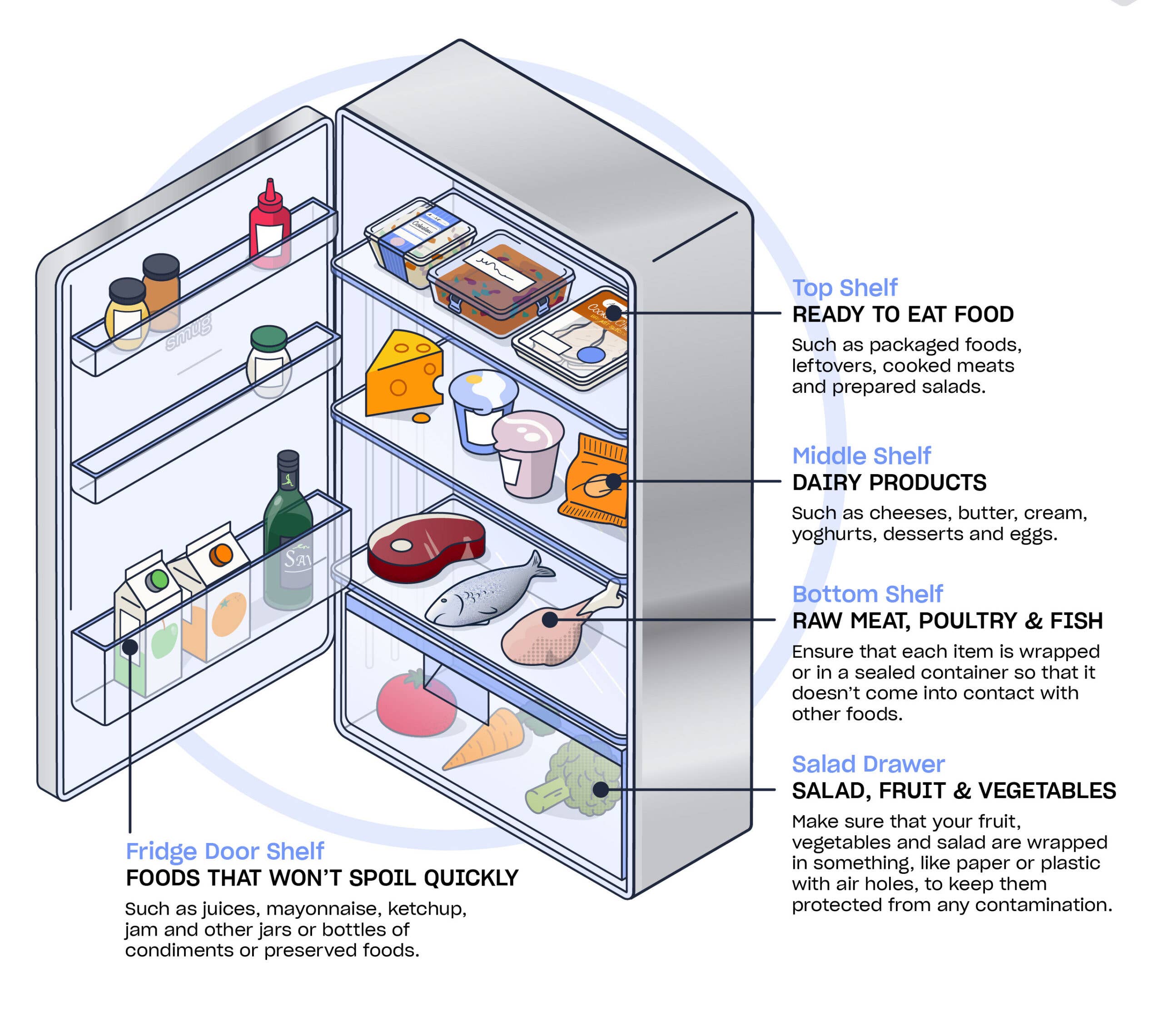
Store leftovers on the top shelves of the fridge. Keep raw meats on the bottom shelves. This prevents drips from contaminating cooked food. Place ready-to-eat foods above raw items. Proper placement reduces food safety risks.
Freezing And Reheating Tips
Freezing and reheating leftovers is a smart way to reduce food waste and save time. Proper techniques keep food safe and tasty. Follow simple steps to freeze and reheat meals without risking health. This section covers key tips for freezing and reheating your leftovers safely.
Freeze For Longer Storage
Freeze leftovers in airtight containers or freezer bags. Remove as much air as possible to prevent freezer burn. Label each package with the date and contents. Freeze leftovers within two hours after cooking for safety. Use frozen food within three months for best quality. Thaw frozen leftovers in the fridge or microwave before reheating.
Reheat Thoroughly
Reheat leftovers until they reach 165°F (74°C). This temperature kills harmful bacteria. Use a food thermometer to check the heat. Stir food during reheating to heat evenly. Avoid reheating more than once to keep food safe. Eat reheated leftovers immediately and do not leave them out.
Avoid Slow Cookers For Reheating
Slow cookers heat food slowly, which can keep food in unsafe temperature zones. These zones allow bacteria to grow quickly. Use microwave, oven, or stovetop for reheating instead. These methods heat food faster and more evenly. Always check that food is hot all the way through before eating.

Credit: www.nbcnews.com
Timing And Temperature Rules
Storing leftovers safely depends largely on timing and temperature. Keeping food out too long or storing it improperly can cause harmful bacteria to grow. Following specific rules helps maintain food safety and freshness.
Temperature control is essential. Food should not stay in the danger zone between 40°F (4°C) and 140°F (60°C) for long. This range allows bacteria to multiply quickly. Acting fast keeps leftovers safe to eat later.
Follow The Two-hour Rule
Leftovers should be refrigerated within two hours after cooking. This rule limits the time food spends at unsafe temperatures. If the room temperature is above 90°F (32°C), reduce this to one hour.
Leaving food out too long increases the risk of food poisoning. Always check the clock and store leftovers promptly. This simple step protects you and your family.
Let Food Cool Before Refrigerating
Hot food should cool slightly before placing it in the fridge. Putting very hot food directly in the fridge can raise its temperature. This affects other stored items and may allow bacteria to grow.
Divide large portions into smaller, shallow containers. This helps food cool faster and evenly. Avoid stacking containers when hot. Cool food faster to keep it safe.
Using Aluminum Foil Safely
Using aluminum foil to store leftovers is common in many kitchens. It offers convenience and helps cover food quickly. Yet, knowing how to use foil safely is important. Proper use keeps your food fresh and safe to eat.
When Foil Works For Short-term
Aluminum foil works well for short-term storage. It keeps food covered and prevents air contact. Use foil to wrap food for a few hours or overnight. It is good for storing dry foods or baked items. Foil also helps retain heat when transporting food.
Why Foil Is Not Ideal Long-term
Foil is not the best choice for long-term storage. It does not seal airtight like plastic containers. Moisture and air can still get in, causing food to spoil. Over days, foil can tear or puncture easily. It also does not prevent odors from mixing in the fridge.
Risks Of Chemical Leaching
Aluminum foil can leach chemicals into food under certain conditions. Acidic or salty foods increase this risk. Heat also raises the chance of aluminum transfer. Eating food stored in foil too long might expose you to aluminum. Use foil carefully and avoid wrapping acidic leftovers for long periods.

Credit: www.nbcnews.com
Better Storage Alternatives
Choosing the right containers helps keep leftovers fresh and safe. Proper storage stops bacteria growth and preserves flavor. Using better storage options also reduces waste and saves money. Here are some practical alternatives to store your leftovers safely.
Glass Containers
Glass containers are sturdy and do not absorb odors. They resist stains and are easy to clean. You can safely heat leftovers in glass containers in the microwave or oven. Most glass containers come with airtight lids to seal in freshness. They last long and are eco-friendly compared to plastic.
Plastic Containers
Plastic containers are lightweight and come in many shapes and sizes. Choose BPA-free plastics to avoid harmful chemicals. They are great for storing dry or cold foods. Avoid heating food in plastic containers unless labeled microwave-safe. Always use containers with tight-fitting lids to keep food fresh.
Silicone Covers
Silicone covers fit over bowls and dishes of different sizes. They create a tight seal to keep air and moisture out. Silicone is flexible, reusable, and easy to clean. These covers reduce the need for plastic wrap or aluminum foil. They help keep food fresh without waste.
Preventing Cross-contamination
Preventing cross-contamination is essential for storing leftovers safely. Cross-contamination happens when harmful bacteria spread from one food item to another. This risk increases when raw and cooked foods mix. Keeping foods separate helps stop bacteria from spreading and keeps your family safe.
Separate Raw And Cooked Foods
Always store raw foods away from cooked items. Raw meat, poultry, and seafood carry bacteria that can contaminate cooked food. Use different containers and wrap raw foods tightly. This prevents juices from leaking onto ready-to-eat leftovers.
Store Ready-to-eat On Top Shelves
Place ready-to-eat foods on the top shelves of your fridge. Keep raw meats and seafood on lower shelves. This arrangement stops raw juices from dripping down onto cooked foods. It helps keep your leftovers clean and safe to eat.
Common Leftover Mistakes
Storing leftovers safely is important to avoid foodborne illnesses. Many people make simple mistakes that cause food to spoil quickly or become unsafe. Understanding these common errors can help you keep food fresh longer and protect your health.
Leaving Food Out Too Long
Leaving leftovers at room temperature for hours lets bacteria grow fast. Food should not sit out more than two hours. In warm places, the time is even shorter. Cool food quickly by dividing it into small portions. Then put it in the fridge or freezer.
Overpacking The Fridge
Stuffing too many leftovers in the fridge blocks air circulation. Poor airflow makes the fridge warmer and slows cooling. This helps bacteria grow on your food. Arrange containers with space between them. Use shallow containers for faster cooling. Keep the fridge organized to store leftovers safely.
Ignoring Expiration Times
Many ignore how long leftovers stay safe to eat. Even refrigerated food can spoil after a few days. Always check the date and smell food before eating. Throw away leftovers kept over 3-4 days. Keeping track prevents eating spoiled food and food poisoning.
Credit: www.highspeedtraining.co.uk
Frequently Asked Questions
What Is The Safest Way To Store Leftovers?
Store leftovers in shallow, airtight containers. Cool food to room temperature within two hours. Refrigerate promptly at or below 40°F. Place leftovers on top shelves, away from raw meats. Reheat thoroughly before eating.
What Is The 2 2 4 Rule For Leftovers?
The 2-2-4 rule means refrigerate leftovers within 2 hours, eat within 2 days, or freeze if keeping longer than 4 days.
Should You Let Leftovers Cool Down Before Refrigerating?
Let leftovers cool slightly before refrigerating to avoid raising fridge temperature. Cool large portions in shallow containers for faster cooling. Refrigerate within two hours to prevent bacteria growth and ensure food safety.
Is Aluminum Foil Safe In The Refrigerator?
Aluminum foil is safe for short-term fridge storage if food cools first. Avoid acidic foods to prevent aluminum leaching. Airtight containers remain better.
Conclusion
Storing leftovers safely keeps your food fresh and healthy. Use shallow, airtight containers to cool food quickly. Place leftovers on the top fridge shelf, away from raw meats. Refrigerate within two hours to stop bacteria growth. Reheat leftovers thoroughly before eating.
Avoid keeping food out too long. Following these simple steps helps prevent foodborne illness and reduces waste. Safe storage means tasty meals for later. Stay mindful and enjoy your leftovers with confidence every time.

Hi, I’m the lead researcher and appliance enthusiast behind RefrigeratorSolve. With years of hands-on experience troubleshooting cooling systems and testing home appliances, I am dedicated to bringing you honest reviews, energy-saving tips, and practical solutions to keep your refrigerator running perfectly.