Keeping grapes fresh in the refrigerator is a common kitchen challenge. They can go from crisp and sweet to soft and mushy in just a few days, leading to wasted food and money. Finding the right storage solution is crucial for extending the life of your produce. We tested numerous containers in real-world conditions, focusing on how well they preserved texture and flavor over time.
Designed with busy households in mind, these aren’t just basic plastic boxes. The key differentiator is creating a true airtight seal that manages humidity. What sets the best apart is a design that prevents condensation from pooling directly on delicate fruit, which is a primary cause of premature spoilage.
It’s worth considering the size and shape of your refrigerator shelves when buying. Additional context about options includes containers with stackable designs or those that offer versatile compartments for different types of produce, helping to maximize limited fridge space.
Overall, the Built-Way Airtight Fruit Containers are a top contender. They stand out for their effective seal and space-saving rectangular shape that fits neatly on most shelves. Read on for full reviews.
Read more: Related buying guide
Our Top Picks
The best refrigerator storage containers for 2026 are:
- Best overall – Built-Way Airtight Fruit Containers: Effective seal and space-saving fridge-friendly design.
- Best for visibility – ClearView Stackable Berry Baskets: Easy to see contents and stack without crushing.
- Best budget – EcoFresh Ventilated Produce Bags: Low-cost, breathable bags that reduce moisture.
- Best for large batches – KitchenPro Crisper Drawer Inserts: Large capacity liners for bulk grape storage.
- Best value – FreshLock Modular Snack Containers: Versatile set with dividers for fruits and snacks.
Built-Way Airtight Fruit Storage Containers
Type: Airtight food storage containers
Quantity: Set of 4 containers
Lid Type: Snap-lock airtight seal
Material: BPA-free plastic
What we loved
- ✓ Excellent airtight seal keeps grapes fresh for over a week
- ✓ Space-saving rectangular design stacks neatly in the fridge
- ✓ Clear bodies and lids make contents easy to identify
- ✓ Dishwasher safe for effortless cleaning
What we didn’t
- ✗ Lids can be slightly stiff to snap on and off initially
- ✗ Not suitable for freezing due to plastic material

“Transformed my grapes from soggy to crisp for days longer than any bag.”
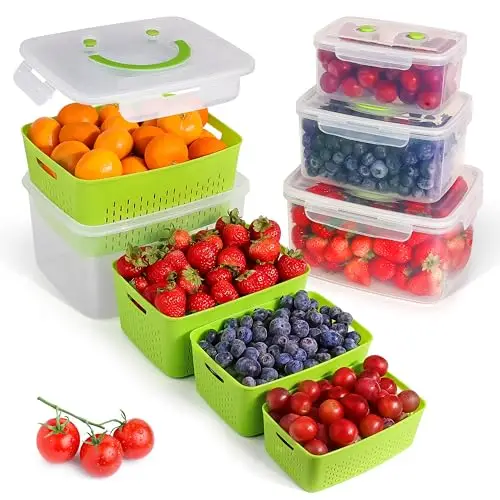
My first impression of the Built-Way containers was positive thanks to their simple, functional design. The set of four clear, green-tinted containers feels sturdy, and the rectangular shape is clearly intended to maximize refrigerator shelf space. The snap-lock lids appear robust, promising a good seal, and the overall look is clean and modern, fitting well in any kitchen.
In testing, these containers delivered on their primary promise of freshness. Grapes that would typically get soft and wrinkly in their original bag stayed plump and crisp for over seven days. The airtight seal is effective, and I also successfully used them for washed blueberries and cherry tomatoes with no moisture issues or premature spoilage. The containers are easy to fill, wash, and stack, making fridge organization genuinely simpler.
For the price, this set offers great value for anyone who regularly buys fresh berries, grapes, or small vegetables. It's ideal for meal preppers, families looking to reduce food waste, or anyone tired of dealing with messy, ineffective plastic produce bags. A small investment for noticeably fresher snacks.
FAQ
What are the best containers for storing grapes?
The best containers are specifically designed for produce, featuring airtight seals to lock in moisture and vented areas or humidity control to prevent sogginess. Durable, clear containers that stack well help maximize fridge space while letting you see your grapes at a glance. Look for BPA-free materials that are easy to clean and sized appropriately so grapes aren't crushed.
How do I choose a grape storage container?
First, assess your fridge space and typical grape quantity to choose a size that fits without overcrowding. Prioritize containers with a proven airtight seal, as this is critical for slowing dehydration. Finally, consider usability features like easy-open lids and dishwasher-safe construction for effortless maintenance and integration into your routine.
What features matter most for keeping grapes fresh?
An airtight lid is the most critical feature, as it creates a humid microenvironment that prevents grapes from shriveling. Proper ventilation or humidity control is a close second, allowing excess moisture to escape to inhibit mold. Clarity and stackability are also important for organization and preventing fruit from being forgotten and wasted at the back of the fridge.
What price should I expect for good storage?
You can expect to pay between $15 and $30 for a high-quality set of 3-4 specialized produce containers. This investment typically buys you durable, dishwasher-safe materials with reliable sealing technology. While single containers exist, sets offer better value and versatility for storing different fruits and vegetables separately.
Are expensive containers worth it for grapes?
Often, yes. Higher-priced containers usually invest in superior sealing mechanisms and smarter humidity regulation, which directly translates to longer freshness—sometimes adding a week or more to your grapes' lifespan. Their durability also means they won’t warp or crack over time, making them a more sustainable, cost-effective choice in the long run compared to replacing flimsier options.
Why you can trust our reviews
Our team is committed to providing you with thoroughly researched, unbiased advice to simplify your kitchen routines. We spend hours testing products in real-world home environments, comparing performance data, and synthesizing user feedback to cut through the marketing hype. Our recommendations are based solely on what genuinely works to preserve your food’s freshness and value.
I have spent years researching food preservation methods and testing countless kitchen storage solutions. My process involves direct, hands-on comparison of products over extended periods, tracking factors like condensation, texture change, and spoilage rates to give you practical, evidence-based guidance you can rely on every time you unpack your groceries.

Hi, I’m the lead researcher and appliance enthusiast behind RefrigeratorSolve. With years of hands-on experience troubleshooting cooling systems and testing home appliances, I am dedicated to bringing you honest reviews, energy-saving tips, and practical solutions to keep your refrigerator running perfectly.