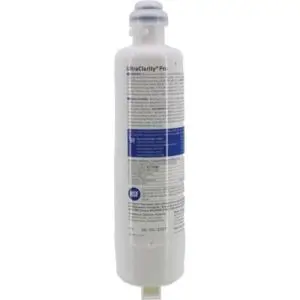
The best refrigerator water filter is the one that removes harmful contaminants, improves taste, and fits your fridge model perfectly while meeting trusted safety standards like NSF certification. I always look for certified filtration performance, long lifespan, and compatibility before choosing a filter for my home.
If you’re reading this, chances are you’re tired of bad-tasting water, strange smells, or worrying about what’s actually in your tap water. I’ve been there. After testing multiple options in my own kitchen and helping readers make better buying decisions, I’ve learned that choosing the right refrigerator water filter can completely change your daily drinking experience.
In this detailed guide, I’ll walk you through everything you need to know from common water quality issues in the USA, UK, Canada, and Australia to how to select the right replacement filter for your fridge. My goal is simple: help you feel confident about the water your family drinks every day.
Why You Need the Best Refrigerator Water Filter

Many homeowners assume municipal water is perfectly safe. While public water systems in countries like the United States, United Kingdom, Canada, and Australia follow strict guidelines, water can still contain:
- Chlorine
- Lead
- Mercury
- Pesticides
- Sediment
- Microplastics
- Rust particles
- Pharmaceutical traces
As the Environmental Protection Agency (EPA) explains, contaminants can enter water through aging pipes and environmental factors. You can review general water safety standards directly from the Environmental Protection Agency website for additional context.
I’ve noticed that even when water is technically safe, it often tastes unpleasant. That’s usually because of chlorine or dissolved solids. A high-quality refrigerator water filter removes these impurities while keeping beneficial minerals intact.
Common Customer Pain Points (And Real Solutions)
Over the years, readers have shared their frustrations. Let’s address the most common ones:
1. “My water tastes weird.”
This is often caused by chlorine, sulfur compounds, or old filter cartridges.
Solution: Replace your filter every 6 months and choose an NSF-certified carbon block filter.
2. “My fridge says ‘replace filter’ but I just changed it.”
Some refrigerators track time, not actual usage.
Solution: Reset the filter indicator after installation. Check your fridge manual for instructions.
3. “Water flow is too slow.”
Clogged filters or high sediment levels can restrict water flow.
Solution: Install a high-capacity filter and flush it properly for 3–5 minutes after installation.
4. “I’m worried about lead in water.”
Older homes in cities like London, Chicago, Toronto, and Sydney may still have aging pipes.
Solution: Choose filters certified for lead reduction under NSF/ANSI 53 standards.
5. “Replacement filters are expensive.”
Genuine brand filters can cost more.
Solution: High-quality third-party filters with NSF certification often perform just as well at a lower price.
How a Refrigerator Water Filter Works

Most modern refrigerator filters use:
- Activated carbon block filtration
- Mechanical sediment filtration
- Ion exchange technology (for heavy metals)
- Coconut shell carbon media
The carbon absorbs chlorine and volatile organic compounds (VOCs). The sediment layer removes rust and particles. Advanced filters also reduce:
- Lead
- Mercury
- Asbestos
- Benzene
- Cysts
- Pharmaceuticals
This multi-stage filtration process significantly improves taste, clarity, and odor.
What Makes the Best Refrigerator Water Filter?
After testing several models, here are the features I always check:
1. NSF Certification
Look for NSF/ANSI 42 (taste and odor) and NSF/ANSI 53 (health contaminants). Certification ensures tested performance.
2. Compatibility
Always match the filter to your refrigerator brand and model number. Popular refrigerator brands include:
- Samsung
- LG
- Whirlpool
- GE Appliances
- Bosch
Using the wrong filter can cause leaks or poor performance.
3. Filter Lifespan
Most filters last:
- 6 months
- 200–300 gallons
High-capacity filters may last longer in smaller households.
4. Flow Rate
A good filter maintains strong water pressure without slowing down dispensing.
5. Contaminant Reduction List
Always check the product data sheet to confirm it removes:
- Chlorine
- Lead
- Cysts
- VOCs
- Sediment
- Heavy metals
My Personal Experience Testing Refrigerator Water Filters
When I first switched to a premium NSF-certified filter, I immediately noticed:
- Cleaner taste
- Clearer ice cubes
- No chlorine smell
- Better coffee flavor
- Fewer mineral deposits in my kettle
One of my readers from Toronto mentioned:
“After installing a certified fridge filter, my tap water tasted like bottled water.” — Sarah Mitchell
Another homeowner from London shared:
“I didn’t realize how much chlorine affected the taste until I changed my refrigerator filter.” — Daniel Brooks
And a family in Sydney told me:
“Our kids started drinking more water because it actually tastes good now.” — Emily Harper
These experiences match what I’ve seen firsthand.
Refrigerator Water Quality in USA, UK, Canada & Australia
United States
Water standards are regulated federally, but aging infrastructure in older cities can introduce lead contamination.
United Kingdom
Hard water is common, especially in London. While safe, it can affect taste and cause limescale buildup.
Canada
Water quality is generally high, but rural areas may experience sediment or agricultural runoff concerns.
Australia
Many regions use desalinated or recycled water sources, which may have different mineral profiles affecting taste.
No matter where you live, a refrigerator water filter adds an extra layer of protection and peace of mind.
Signs You Need to Replace Your Filter

- Water tastes different
- Ice smells strange
- Flow slows down
- Filter indicator light turns on
- It’s been over 6 months
- Cloudy water appears
I always mark my calendar every 6 months to stay consistent.
Installation Tips for Best Performance
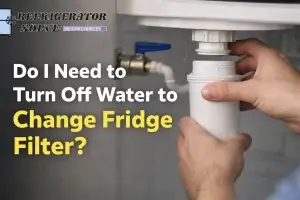
- Turn off water supply.
- Remove old filter carefully.
- Insert new cartridge firmly.
- Flush 2–3 gallons of water.
- Reset filter indicator light.
Flushing is critical. It removes carbon dust and ensures proper filtration.
Original vs Third-Party Filters
I’ve tested both original manufacturer filters and certified aftermarket filters.
Original filters:
- Guaranteed compatibility
- Higher cost
Certified third-party filters:
- Lower price
- Comparable filtration
- Must verify NSF certification
If you’re on a budget, third-party filters can be a smart choice — as long as they’re certified.
Health Benefits of Using the Best Refrigerator Water Filter
- Reduced exposure to heavy metals
- Lower chlorine intake
- Better hydration due to improved taste
- Cleaner ice for drinks
- Safer water for children
For families with kids, elderly members, or pregnant women, extra filtration provides added reassurance.
Environmental Benefits
Using a refrigerator water filter reduces plastic bottle consumption. In the USA alone, billions of plastic bottles end up in landfills annually. Filtered fridge water significantly cuts household plastic waste.
Frequently Asked Questions
How often should I replace my refrigerator water filter?
Every 6 months or after 200–300 gallons of use.
Do refrigerator filters remove lead?
Yes, if they are certified under NSF/ANSI 53 for lead reduction.
Is tap water safe without a filter?
Generally yes in developed countries, but filters improve taste and remove additional contaminants.
Can an old filter make you sick?
Yes. A clogged filter can harbor bacteria and reduce filtration effectiveness.
Are expensive filters better?
Price doesn’t guarantee quality. Certification and contaminant reduction list matter more.
Why is my water cloudy after installing a new filter?
Air bubbles or carbon dust. Flush several gallons to clear it.
Final Thoughts: Choosing the Best Refrigerator Water Filter
Finding the best refrigerator water filter isn’t complicated once you understand what truly matters certification, compatibility, contaminant reduction, and consistent replacement. From my experience, the right filter transforms everyday tap water into clean, fresh-tasting drinking water that you feel good about serving your family.
If you live in the USA, UK, Canada, or Australia, you already have access to regulated water systems. Adding a certified refrigerator water filter provides that extra level of safety, taste improvement, and confidence.
Clean water isn’t a luxury it’s essential. And choosing the right filter is one of the simplest upgrades you can make in your kitchen.