
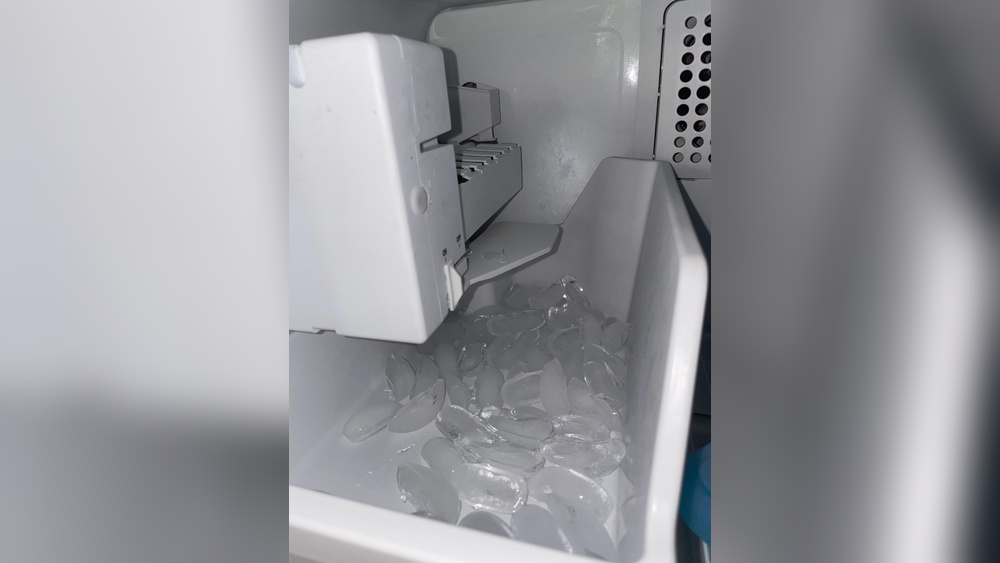
A working ice maker is a small but important part of your kitchen. If you have a Samsung refrigerator and notice it’s making small ice cubes, you might feel annoyed or worried. Maybe drinks aren’t as cold, or the ice melts too fast. Many people face this problem, and while it seems simple, the reasons are often not obvious. Understanding why your Samsung ice maker is making small cubes can help you fix it quickly and keep your fridge working well.
This guide explains the possible causes, shows you how to troubleshoot, and shares tips to help you get full-sized ice cubes again. We’ll cover everything from water supply issues to freezer temperature, filter problems, and even design quirks of some Samsung models. If you’re tired of tiny ice cubes, you’ll find clear advice here.
Why Are My Samsung Ice Cubes So Small?
Before fixing the problem, it’s good to know why it happens. Samsung ice makers work by filling a mold with water, freezing it, and then dropping the ice into a bin. When cubes are smaller than normal, one or more steps might be going wrong.
Common causes include:
- Low water pressure to the refrigerator
- Clogged or old water filter
- Incorrect freezer temperature
- Ice maker settings
- Water line issues
- Faulty ice maker components
Let’s look at each cause and how to check for it.
Water Pressure: The Most Overlooked Factor
Water pressure is the force that moves water through your home’s pipes and into your fridge. Samsung ice makers need a certain pressure to fill the ice mold completely. If the pressure is too low, your ice cubes will be small or hollow.
Checking Your Water Pressure
Samsung recommends at least 20 psi (pounds per square inch) for the ice maker to work properly. Here’s how you can check:
- Turn off the water supply to your fridge.
- Disconnect the water line from the back of the refrigerator.
- Hold the line over a bucket, and turn the water back on for a few seconds.
- If water flows quickly and strongly, pressure is probably good.
- If water only trickles or is slow, your pressure may be too low.
For a more exact check, use a water pressure gauge (available at hardware stores). Attach it to the water line and check the reading.
Causes Of Low Water Pressure
- Clogged water filter
- Kinked or bent water line
- Old or narrow pipes
- Shared water supply with other appliances
If you find low pressure, try these solutions:
- Change the water filter
- Straighten any kinks in the line
- Make sure no other appliances (like washing machines) are using water at the same time

Credit: www.youtube.com
Water Filter Problems
A water filter keeps your ice clean and safe to eat. But when it becomes old or clogged, water can’t flow freely to the ice maker. This leads to small or thin cubes.
Signs Your Water Filter Needs Replacement
- Ice cubes are getting smaller
- Ice tastes or smells bad
- Filter has not been changed in over 6 months
- Indicator light on your fridge shows “Replace Filter”
Samsung recommends replacing the filter every 6 months or when you notice problems.
How To Change The Filter
- Locate the filter (inside the fridge or at the bottom front)
- Turn the filter counterclockwise and pull it out
- Insert the new filter and turn clockwise to lock
- Run a few glasses of water through the dispenser to clear air and loose carbon
Many people forget this simple step, but a new filter often solves the small ice cube problem.
Freezer Temperature Settings
The freezer temperature affects how water freezes in the ice mold. Too warm, and cubes freeze slowly or only partly. Too cold, and parts may freeze unevenly.
Samsung suggests keeping the freezer at 0°F (-18°C) for best ice production.
How To Check And Adjust
- Use a thermometer inside the freezer to check temperature accuracy.
- Adjust the control panel to set the temperature to 0°F.
- Allow several hours for the freezer to reach the new setting.
Pro Tip: If your freezer is packed full, air can’t circulate well. This may cause uneven freezing and small cubes. Make sure there’s space for air to move.

Credit: www.reddit.com
Ice Maker Settings And Functions
Some Samsung fridges have settings like Ice Plus, Power Freeze, or Ice Off. These affect how the ice maker works.
Common Ice Maker Settings
- Ice Off: Turns off the ice maker. Make sure this is not selected.
- Power Freeze: Speeds up ice making by lowering freezer temperature.
- Ice Plus: Increases ice production for a short time.
If you accidentally turn off the ice maker or use a fast-freeze setting for too long, you may get smaller cubes. Check your control panel and user manual to be sure.
Water Line Issues
The water line is the tube that brings water from your home’s supply to the fridge. Even a small problem here can cause small ice cubes.
Common Water Line Problems
- Kinks or bends: These block water flow.
- Frozen sections: Sometimes, the line inside the fridge freezes.
- Leaks: Water escaping before it reaches the ice maker.
How To Inspect
- Unplug the fridge and move it away from the wall.
- Examine the water line for visible bends or damage.
- If you suspect freezing, gently warm the line with a hairdryer (keep safe distance).
- Look for water pooling behind or under the fridge.
If you find damage, the line may need to be replaced.
Faulty Ice Maker Components
If you’ve checked water pressure, filter, temperature, and water line, but still get small cubes, your ice maker parts may be failing.
Common Part Failures
- Water inlet valve: This part controls the flow of water into the ice maker. If it’s weak or clogged, you get less water.
- Ice mold thermostat: If it reads the temperature wrong, cubes may not freeze properly.
- Control board: Rare, but possible. Electronics can fail.
Repairing these parts can be difficult. If you’re not comfortable, call a Samsung technician or a qualified appliance repair service.
Comparing Small Vs. Normal Ice Cubes
It helps to know what you’re aiming for. Here’s a quick comparison:
| Feature | Normal Cubes | Small Cubes |
|---|---|---|
| Size | 1 inch (2.5 cm) per side | Half or less |
| Melting Time | Slow, keeps drinks cold | Melts quickly, weak cooling |
| Shape | Solid, full cube | Thin, hollow, or broken |
| Common Causes | All systems normal | Water or freezing issues |
If your cubes look much smaller than usual, it’s a sign something isn’t right.

Credit: www.reddit.com
Steps To Fix Small Ice Cubes In Samsung Ice Makers
Now, let’s get practical. Here’s how you can solve the problem step by step:
- Check the water filter: If older than 6 months, replace it.
- Inspect water pressure: Make sure it’s above 20 psi.
- Look at the water line: Straighten any bends or kinks.
- Set freezer to 0°F (-18°C): Use a thermometer for accuracy.
- Check ice maker settings: Make sure “Ice Off” is not selected.
- Test water dispenser: Weak flow can mean a filter or pressure problem.
- Inspect for leaks: Look behind and under the fridge.
- Reset the ice maker: Some Samsung models have a reset button. Hold for 10 seconds.
- Wait: After making changes, allow 24 hours for results.
- If all else fails, call a technician.
How Often Should You Replace Samsung Ice Maker Filters?
A dirty filter is one of the most common reasons for small ice cubes. But how often should you change it?
Samsung and most experts suggest every 6 months. However, if your water is hard (high mineral content) or you use a lot of ice, you may need to change it more often.
Here is a simple schedule:
| Water Usage | Recommended Filter Change |
|---|---|
| Normal use, soft water | Every 6 months |
| High use, hard water | Every 3-4 months |
| Low use, very clean water | Up to 12 months |
Always check your fridge’s indicator lights and your own water quality.
Unique Samsung Ice Maker Features That Affect Ice Size
Samsung refrigerators often include unique ice maker designs. Some models use a “flex tray” (a flexible mold that twists to drop ice), while others use a more traditional tray.
How Design Can Affect Ice Size
- Flex tray models: If slightly bent or damaged, these may not fill evenly, making some cubes smaller.
- Dual ice makers: Some Samsung fridges have two separate ice makers (one in the door, one in the freezer). If only one makes small cubes, compare the two.
- Automatic sensors: Some models sense when the ice bin is full and pause production. If the sensor is dirty or blocked, it may stop early, leaving half-formed cubes.
If you have a special Samsung feature, check your manual for notes about ice production.
Common Myths And Mistakes
Many people try to fix small ice cubes by defrosting the freezer or resetting the whole fridge. But these methods rarely work unless you have a frozen water line.
Myths To Avoid
- Adding more water manually: Never pour water into the ice maker. This can flood the system.
- Breaking up ice with sharp tools: You risk damaging the ice maker.
- Ignoring the water filter: Even if water seems clear, the filter can still be clogged.
Non-obvious Insight: Water Softener Effects
If your home uses a water softener, salt from the softener can build up in the ice maker and reduce cube size over time. Rinse the ice maker and change filters more often in this case.
Non-obvious Insight: Power Outages
After a power outage, the ice maker may take several cycles to make normal-sized cubes again. Be patient, and check settings before calling for repairs.
When To Call A Professional
If you’ve tried all the steps above and still have small ice cubes, it may be time for expert help. A repair technician can:
- Test water inlet valves
- Check electrical problems
- Replace broken parts
Some repairs are covered by Samsung’s warranty, so check your paperwork or the official Samsung Support page for details.
Frequently Asked Questions
Why Are My Samsung Ice Cubes Hollow Or Have Holes?
Hollow ice cubes are a sign of low water pressure or a clogged filter. The mold fills only part way, so the cube forms a shell with air inside. Change your filter and check the water line.
How Long Does It Take For A Samsung Ice Maker To Make Full-sized Cubes After Fixing An Issue?
It usually takes 24 hours for the ice maker to return to normal after fixing problems like filter changes or pressure adjustments. The first few batches may still be small.
Should I Use Distilled Water In My Samsung Ice Maker?
No, distilled water is not recommended. The ice maker’s sensors may not detect it properly, and it can lead to slow ice production.
Can A Samsung Ice Maker Be Adjusted For Cube Size?
Most Samsung models do not let you change the cube size directly. Ice size is controlled by water fill and freezing time. Fixing water and temperature issues is the best way to get normal cubes.
What If Only One Of My Samsung Fridge’s Ice Makers Is Making Small Cubes?
If you have a dual ice maker model and only one side makes small cubes, compare water lines and filters for each. The problem is likely in the line or filter serving the affected ice maker.
Getting your Samsung ice maker back to normal is possible with a little patience and the right steps. Regular filter changes, good water pressure, and correct freezer settings will keep your ice cubes full-sized and your drinks perfectly chilled. If you ever get stuck, professional help is always an option.


One Response