If you notice water pooling under the crisper in your Samsung refrigerator, you are not alone. Many homeowners experience this annoying problem. At first, it may just look like a few drops, but over time, the water collects and can cause a mess. Sometimes, you might even find vegetables or fruits sitting in water, which can spoil your food quickly.
This issue often seems small, but ignoring it can create bigger problems. Water leaks may lead to bad smells, mold, or damage to your refrigerator’s parts. The good news is that you can usually fix it yourself, once you understand the common causes. This article will guide you step by step through the reasons for water under your crisper, how to fix it, and how to keep it from happening again. If you want your Samsung refrigerator to work well and last longer, read on to find out what you need to know.
Why Water Pools Under The Crisper In Samsung Refrigerators
Most modern refrigerators, including Samsung models, use a system to remove water that forms during cooling. When this system fails, water can collect under the crisper. Here are the main reasons:
- Clogged Defrost Drain: The most common reason for water under the crisper is a blocked defrost drain. When your fridge goes through its automatic defrost cycle, water needs to drain away. If the drain is blocked by food, ice, or debris, water will overflow and settle at the bottom.
- Drain Tube Freezing: Sometimes, the drain tube itself freezes. If the temperature is set too low or if there’s a problem with the door gasket, water in the drain tube can freeze and block the passage. This causes water to back up and leak under the crisper.
- Loose or Damaged Drain Pan: If the drain pan under your fridge is loose, cracked, or misplaced, water can spill out instead of evaporating.
- Leaky or Disconnected Water Line: If your Samsung refrigerator has a water dispenser or ice maker, a problem in the water line or connection can lead to leaks near the bottom of the fridge.
- Excess Condensation: If the refrigerator door is not closed properly, warm air can enter and cause more condensation inside. This extra moisture will eventually collect at the bottom.
- Faulty Door Seals: Old or damaged door seals (gaskets) allow warm air to enter, leading to excessive moisture and water pooling.
Understanding these causes is the first step to solving the problem. Next, let’s look at how to fix each one.
Step-by-step Solutions: How To Fix Water Pooling Under The Crisper
1. Clearing A Clogged Defrost Drain
A blocked defrost drain is the most frequent cause. Here’s how to handle it:
- Empty the Refrigerator: Take out the crisper drawers and any items at the bottom.
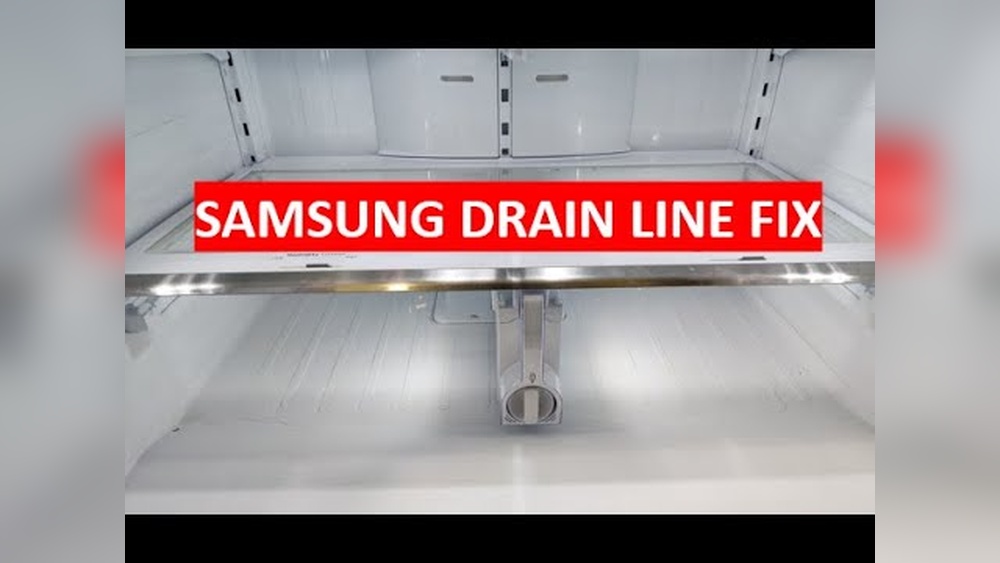
- Locate the Drain Hole: You’ll usually find a small hole at the back wall, just above where the water collects.
- Clean the Drain: Use a pipe cleaner, turkey baster, or a flexible brush to remove debris. Sometimes pouring a small amount of warm water into the hole helps clear the blockage.
- Check for Ice: If ice is blocking the drain, melt it with warm water. You can also use a hairdryer on a low setting (be careful not to melt any plastic).
2. Defrosting A Frozen Drain Tube
A frozen drain tube often needs manual defrosting.
- Unplug the Refrigerator: Always unplug before starting.
- Melt the Ice: Use a hairdryer or pour warm water through the tube until water flows freely.
- Test the Drain: Pour a small cup of water into the drain to make sure it flows to the pan beneath the fridge.
3. Inspecting And Fixing The Drain Pan
The drain pan collects water and lets it evaporate.
- Access the Pan: Find it beneath the refrigerator, usually behind a front grille or panel.
- Check for Cracks or Misplacement: Replace if cracked. If it’s just out of position, slide it back carefully.
- Clean the Pan: Wipe any mold or residue to prevent odors.
4. Checking Water Lines And Connections
If your Samsung refrigerator has a water dispenser or ice maker, leaks can come from the water line.
- Turn Off the Water Supply: Before checking, turn off water to the fridge.
- Inspect Tubing: Look for kinks, cracks, or loose fittings.
- Tighten or Replace: Tighten connections or replace damaged tubing as needed.
5. Reducing Condensation
To minimize condensation:
- Check Door Closure: Make sure nothing blocks the door from closing fully.
- Limit Door Opening: Don’t leave the door open for long periods.
- Store Food Properly: Use containers with lids to reduce moisture inside the fridge.
6. Replacing Faulty Door Seals
Old gaskets can let in warm air.
- Inspect Seals: Look for gaps, cracks, or sticky residue.
- Clean or Replace: Clean with soapy water if dirty. Replace if damaged. New gaskets can be ordered online or from Samsung.

Credit: homefixated.com
How To Prevent Water Pooling In The Future
Fixing the problem is good, but stopping it from returning is even better. Here are practical prevention tips:
- Clean the Defrost Drain Regularly: Once every 3-6 months, check and clear the drain hole.
- Keep the Fridge Level: If your fridge tilts forward, water may not drain properly. Use a spirit level and adjust the feet if needed.
- Don’t Overfill: Packed fridges block airflow, causing uneven cooling and more condensation.
- Monitor Temperature Settings: Set the fridge between 37°F and 40°F (3–4°C) and the freezer at 0°F (-18°C).
- Check Door Seals: Clean and inspect door gaskets every few months.
Samsung Refrigerator Maintenance Checklist
Maintaining your refrigerator helps avoid leaks and keeps it efficient. Here’s a simple checklist:
- Defrost Drain Cleaning: Every 3-6 months
- Door Gasket Inspection: Every 3 months
- Water Line Check (if present): Every 6 months
- Drain Pan Cleaning: Once a year
- Interior Wipe Down: Every month
How To Identify The Source Of Water: Practical Tips
Sometimes, water can appear in more than one place. Here’s how to locate where the leak starts:
- Look for Water Trails: Use a flashlight to check for water marks on the inside back wall.
- Check the Crisper Drawers: Is water only under one drawer or both? This can help trace the leak’s path.
- Inspect the Freezer: Sometimes leaks start in the freezer compartment and flow down.
- Place Paper Towels: After cleaning, place paper towels under the crisper. Check after a few hours to see if water is collecting again. This tells you if the leak is fixed.
Differences Between Samsung Models
Not all Samsung refrigerators are the same. Here’s a comparison of common types and their leak risks:
| Model Type | Defrost Drain Location | Water Line Presence | Leak Risk Level |
|---|---|---|---|
| Top Freezer | Bottom of fridge, back wall | Optional | Medium |
| Side-by-Side | Behind drawers | Usually present | High |
| French Door | Under crisper | Always present | High |
| Single Door | Bottom rear | Not present | Low |
If you own a French Door or Side-by-Side Samsung refrigerator, you are more likely to see water issues because of the complex water and drain systems.

Credit: www.reddit.com
When To Call A Professional
Most pooling problems can be solved at home, but sometimes you need expert help. Consider calling a technician if:
- You can’t find the drain hole or access the drain pan
- The problem returns after cleaning
- You notice a strong plastic or burning smell
- There is visible mold or black residue inside the fridge
- You see large amounts of water every day
A professional has the tools to check for hidden blockages, electrical faults, or deeper plumbing problems.
Common Mistakes To Avoid
People often repeat certain mistakes while trying to fix refrigerator leaks:
- Using too much force: Don’t force tools into the drain, or you may damage parts.
- Ignoring door seals: Many think only about drains, but leaky doors are a big cause of water issues.
- Forgetting to unplug: Always unplug before working inside the fridge.
- Skipping regular checks: Waiting for a problem to appear can lead to bigger repairs later.
Real-world Example
Let’s look at a real case. Maria, a Samsung refrigerator owner, noticed water under her crisper after a year of use. She cleaned her fridge but the problem returned. When she checked the defrost drain, she found it blocked by food particles.
After cleaning it with warm water and a pipe cleaner, the leak stopped. She now checks the drain every three months. This simple habit saved her time and money.
Quick Reference: Troubleshooting Steps
If you find water under your crisper, try these steps:
- Remove drawers and wipe water.
- Check the defrost drain for clogs.
- Melt any ice in the drain tube.
- Inspect the drain pan for cracks.
- Examine door seals and water lines.
- Adjust fridge settings and ensure it is level.
Following these steps will solve the issue in most cases.
Comparison Of Diy Fixes Vs. Professional Repair
Here is a quick overview of what you can handle yourself and when to call an expert.
| Problem | DIY Possible? | Professional Needed? | Estimated Cost (USD) |
|---|---|---|---|
| Clogged Drain | Yes | No | 0-20 |
| Frozen Drain Tube | Yes | No | 0-10 |
| Broken Drain Pan | Yes | Sometimes | 20-50 |
| Faulty Water Line | Sometimes | Yes | 50-150 |
| Electrical Issues | No | Yes | 100-300 |
Extra Tips For Samsung Owners
- Use a water filter: A clean filter reduces sediment that can clog drains.
- Register your appliance: Samsung offers support and updates if your fridge is registered.
- Check for recalls: Sometimes leaks are due to manufacturer defects. You can find recalls on the official Samsung website or U.S. Consumer Product Safety Commission.

Credit: www.youtube.com
Frequently Asked Questions
Why Does My Samsung Refrigerator Keep Leaking Water Under The Crisper?
Usually, the cause is a clogged defrost drain or frozen drain tube. When water cannot exit properly, it pools at the bottom. Sometimes, broken door seals or water line leaks are responsible.
How Do I Find The Defrost Drain In My Samsung Fridge?
Check the back wall inside the fridge, just above the crisper drawers. In most models, there’s a small hole or slit. If unsure, check your user manual for diagrams.
How Often Should I Clean The Defrost Drain?
To prevent water buildup, clean the drain every 3–6 months. If you live in a humid area or open the fridge often, consider checking it more frequently.
Can I Use Chemicals To Clean The Drain Tube?
Do not use harsh chemicals. Warm water or mild soap is enough. Chemicals can damage plastic parts or leave dangerous residues inside your fridge.
What If Water Pooling Continues After Cleaning The Drain?
If water keeps coming back, check the door seals, drain pan, and water lines. If you cannot find the cause, call a professional technician to inspect for hidden issues.
Keeping your Samsung refrigerator dry under the crisper is important for food safety and the life of your appliance. With the right steps and regular care, you can avoid most leaks and keep your fridge running smoothly for years.