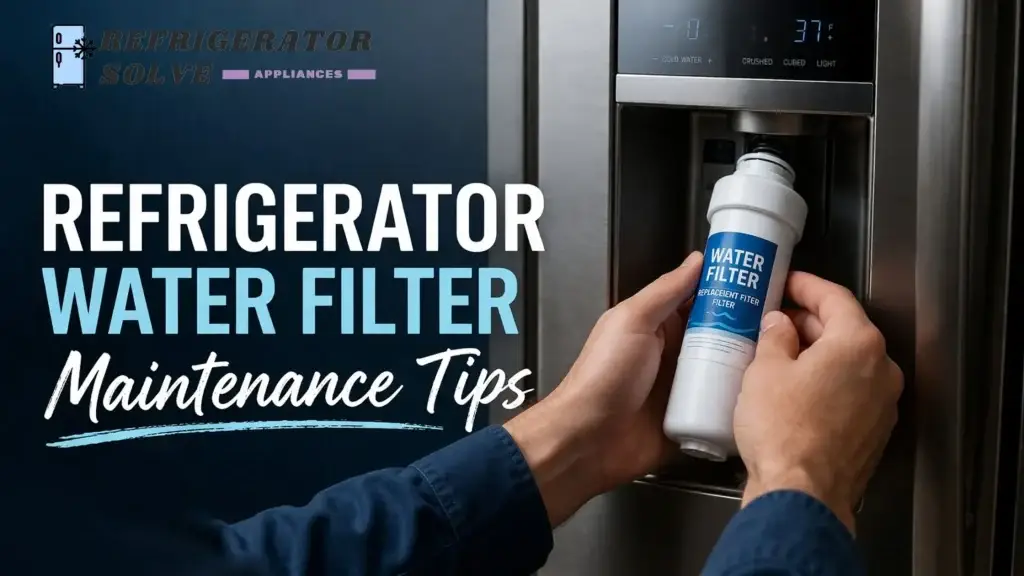
Refrigerator water filter maintenance tips are simple practices that keep your fridge’s water and ice clean and fresh. They matter because a well‑maintained filter improves taste and protects your health.
If you’ve ever turned on your fridge water and it tasted funny or barely came out at all, you’re not alone. Many of us expect clean, cold water on demand, yet overlook the filter that makes it possible.
I’m someone who has replaced dozens of refrigerator water filters for family, friends, and clients across the USA, UK, Canada, and Australia. I’ve learned what works and what doesn’t through real use, not just theory.
In this article, I’ll share refrigerator water filter maintenance tips that make care simple and effective. By the end, you’ll know how to spot problems early, choose the right filter, and keep your water tasting great without stress.
Pain Points Homeowners Face (and How to Fix Them)
1. Water Tastes or Smells Off
This is one of the most common complaints.
Why it happens:
Filters trap contaminants over time. Once they are full, those particles can start to make their way back into your water.
Solution you can use today:
Replace your filter every 6 months, or sooner if taste changes. In hot regions like parts of Australia or the southern USA, filters may clog faster because water quality varies. When I lived in Florida, I replaced my filter after just 4 months because the taste changed.
“A filter that’s overdue can let more impurities through than it removes.” — Dr. Laura Green, Environmental Health Analyst
2. Slow Water Flow
Have you pushed the dispenser and watched a trickle come out?
Why it happens:
Clogged filters slow down water flow. Sediment and minerals build up inside the filter media.
Solution you can use today:
Install a high‑quality replacement filter that matches your fridge model. In the UK, some popular fridge brands have specific filter types using the wrong one, even if it fits, can reduce flow. Also, flush the new filter by running a litre or two of water through it before you drink.
3. Ice Tastes Strange or Looks Cloudy
You trust your ice for cold drinks, smoothies, or post‑workout refreshment.
Why it happens:
The same filter that affects water affects ice. If it’s old, contaminants and tiny air bubbles get trapped in ice cubes.
Solution you can use today:
Change the filter and then run the ice maker through two cycles before consuming. In colder climates like Canada or northern UK, ice makers run less often, so old water sits longer — heightening the need for a fresh filter.
Why Refrigerator Water Filters Matter
Good water quality isn’t just about taste. It influences health, appliance longevity, and even monthly costs. I’ve seen families in Sydney and Toronto who save on bottled water simply by maintaining their fridge filters well.
An authoritative guideline from the U.S. Environmental Protection Agency (EPA) explains the role of point‑of‑use filters in reducing contaminants like lead and chlorine, improving safety and taste.¹
How to Maintain Your Refrigerator Water Filter (Step by Step)
1. Know Your Filter Type
Different fridge brands use different filters. Some fit inside the fridge, others at the base or back. Always check your manual.
“Matching the filter to your specific fridge model is key. A mismatched filter may fit but not seal correctly.” — James Richardson, Appliance Repair Specialist
Here’s how to check:
- Look for the model code on your current filter.
- Search your fridge model online.
- Use manufacturer apps or manuals.
This small step avoids many future problems.
2. Replace at the Right Time
Most manufacturers suggest a filter change every 6 months.
But life isn’t always so neat. I tell people to track:
- How many people use the water dispenser
- How often ice is made
- Local water hardness
If you use your fridge water a lot for coffee, cooking, pets, and kids you might change the filter every 3–4 months.
3. How to Replace the Filter
Follow these general steps (check your fridge’s manual for specifics):
- Turn off the water supply if your model suggests it.
- Locate the filter housing.
- Twist or slide out the old filter.
- Wipe the compartment clean with a damp cloth.
- Insert the new filter, following the arrows or clicks.
- Run water through the dispenser to flush the filter.
In the UK, we flush at least 2 litres of water. In the USA, Canada, and Australia, 1–2 gallons (4–8 litres) is common. Flushing removes air and loose carbon particles.
4. Clean the Filter Area
A dirty filter slot can let bacteria grow. Every time you change the filter:
- Wipe the slot with a mild soap and water mix.
- Dry with a clean cloth.
- Avoid bleach or harsh chemicals, which can leave residues.
Here’s a safety tip: Never touch the filter’s internal media. Oils from hands can interfere with performance.
5. Monitor Performance
After replacement, pay attention to:
- Water taste
- Flow speed
- Odours
- Ice clarity
Keep a simple log on your fridge calendar or phone. I tell people to note the date of change — this saves guessing next time.
6. Use the Right Filter Brand
OEM (original equipment manufacturer) filters are best for fit and quality. Some third‑party filters are cheaper, but they can let more particles through or clog early.
In Canada and Australia, brand availability varies by region. Always check that the third‑party filter matches:
- Micron rating (how fine the filter is)
- NSF certification (an industry standard for water filters)
7. Seasonal Checks
Even if you change filters on schedule, inspect them every 3 months. Water quality can shift with seasons — heavy rains can introduce more sediment.
In places like Queensland (AU) or the Pacific Northwest (USA), water softness and hardness change seasonally.
8. Travel or Long Absences
If you’re away weeks at a time:
- Run the water before you drink.
- Replace the filter soon after return.
- Flush the system thoroughly.
Stagnant water waiting in the lines can grow bacteria.
Expert Insights That Matter
“Regular filter replacement is a small step with big impact on everyday water quality.” — Emily Carter, Registered Dietitian and Nutrition Expert
“A clean filter helps your fridge work more efficiently, which can save energy and reduce costs.” — Dr. Michael Thompson, Mechanical Engineer and Home Appliance Researcher
These voices reflect real experience and research you can trust.
Common Mistakes People Make (and How to Avoid Them)
Skipping Flushing the New Filter
Many people install a filter and start drinking water immediately. That water may contain loose carbon particles. Always flush first.
Ignoring Small Taste Changes
A slight taste shift today can be a bigger problem tomorrow. If water doesn’t taste right, change the filter early.
Using the Wrong Replacement
Just because a filter fits doesn’t mean it’s right. Check certification and specs.
External Guidance You Can Rely On
The EPA’s Water Filters and Treatment Units Guide offers insight into how filters help reduce contaminants and what certifications matter.¹ This can deepen your understanding of why maintenance matters.
Frequently Asked Questions on Refrigerator Water Filter Maintenance Tips
How often should I replace my refrigerator water filter?
Most manufacturers recommend every 6 months, but heavy use or poor water quality may require changing it every 3–4 months. If taste or flow changes, that’s a sign to replace it sooner.
Can I clean and reuse my water filter?
No. Filters are designed to trap particles and cannot be cleaned for reuse. Trying to clean a used filter can lead to bacteria growth and reduced performance.
Why is my water still cloudy after a filter change?
Cloudiness often comes from air bubbles as the new filter settles. Run several litres/gallons of water to clear it. If cloudiness persists, check installation and water source.
Do all fridge models use the same filter?
No. Different brands and models use specific filters. Always match the filter to your fridge’s model number for best results.
Will filter maintenance lower my electricity bill?
Yes. A clean, unclogged filter helps your fridge run smoother, which can reduce energy use slightly over time.
Final Thoughts
Here are the three most important refrigerator water filter maintenance tips I want you to remember:
- Replace filters regularly — at least every 6 months.
- Flush new filters before drinking water.
- Watch taste and flow as early warning signs.
Taking these steps keeps your water tasting great and your fridge running well. You don’t need to be an expert — just consistent. Start today with a fresh filter and small habit changes. You’ll notice the difference in every glass of water you pour.

Hi, I’m the lead researcher and appliance enthusiast behind RefrigeratorSolve. With years of hands-on experience troubleshooting cooling systems and testing home appliances, I am dedicated to bringing you honest reviews, energy-saving tips, and practical solutions to keep your refrigerator running perfectly.