I have used many refrigerators over the years in homes across the USA, UK, Canada, and Australia—small apartments, family houses, and even rental properties. One thing that always confuses people is refrigerator temperature control numbers. Friends, relatives, and readers often ask me the same question: “What number should my fridge be on?”
In this guide, I will explain everything in simple language, based on real use, food safety standards, and common customer pain points. My goal is to help you keep food fresh, avoid waste, and stop guessing every time you open the fridge.
Why Refrigerator Temperature Control Numbers Matter
Refrigerator temperature control numbers are not decoration. They control how cold air flows inside your fridge and freezer. If the setting is wrong, food can spoil early, vegetables can freeze, milk can smell bad, and electricity bills can rise.
From my experience, most people face these problems:
- Food going bad before the expiry date
- Fruits and vegetables freezing in the back
- Milk smelling sour too quickly
- Ice cream too soft or rock hard
- Confusion about number settings
All of these issues are linked to refrigerator temperature control numbers.

How Refrigerator Temperature Control Numbers Work
Most refrigerators use a dial or digital panel with numbers instead of exact degrees. These numbers control the cooling level, not a fixed temperature.
In general:
- Lower numbers = warmer
- Higher numbers = colder
For example:
- Setting 1 or 2 means less cooling
- Setting 5 or 6 means stronger cooling
However, the actual fridge temperature depends on:
- Brand and model
- Room temperature
- How full the fridge is
- Door opening habits
This is why two fridges set on “4” may not feel the same.
Common Refrigerator Temperature Control Number Scales
1 to 5 Scale
This is common in older models and budget fridges.
- 1 = warmest
- 3 = medium cooling
- 5 = coldest
From my use, setting 3 or 4 works best for daily home use.
1 to 7 Scale
Very common in LG, Samsung, Whirlpool, and Bosch refrigerators.
- 1–2: Low cooling
- 3–5: Normal use
- 6–7: Very cold
I usually keep it on 4, which balances food safety and freshness.
1 to 9 Scale
Seen in some European and premium models.
- 1–3: Light cooling
- 4–6: Normal family use
- 7–9: High cooling
For this type, 5 is often ideal.
What Is the Ideal Refrigerator Temperature?
Food safety experts in the USA, UK, Canada, and Australia agree on one rule:
- Fridge temperature: about 37°F (3°C)
- Freezer temperature: about 0°F (-18°C)
Most refrigerator temperature control numbers are designed to reach this range at the middle setting.
According to the U.S. Food & Drug Administration, keeping your fridge below 40°F helps slow bacteria growth.

Best Refrigerator Temperature Control Number for Daily Home Use
Based on my long-term use:
- Small households: 3–4
- Family homes: 4–5
- Hot climate areas (summer): one step higher
- Cold winter areas: one step lower
For homes in Texas, Florida, Australia, or warmer parts of Canada during summer, slightly higher cooling helps maintain safe food storage.
Freezer Temperature Control Numbers Explained
Some refrigerators share one control for both fridge and freezer. Others have separate controls.
If shared:
- Higher number = colder freezer and fridge
If separate:
- Keep freezer at mid to high setting
- Avoid max setting unless freezing large quantities
Too cold freezers cause freezer burn and energy waste.
Real-Life Mistakes People Make With Temperature Numbers
I have made these mistakes myself, and I see others do the same:
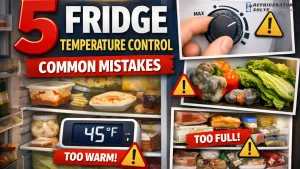
- Setting the fridge to the coldest number thinking food will last longer
- Changing numbers too often without waiting 24 hours
- Blocking air vents with containers
- Ignoring seasonal changes
- Trusting the dial without using a thermometer
These mistakes cause uneven cooling and food waste.
How to Test If Your Refrigerator Temperature Is Correct
Here is what I personally do:
- Place a fridge thermometer in the middle shelf
- Leave it for 24 hours
- Check if it reads around 37°F (3°C)
- Adjust the number slightly if needed
This simple step solves most problems.

Food Placement Matters More Than the Number
Even with the right refrigerator temperature control numbers, food placement is key.
From my kitchen habits:
- Top shelf: leftovers, drinks
- Middle shelf: dairy, cooked food
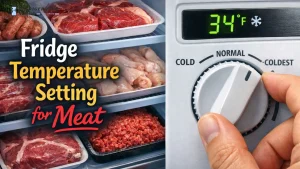
- Bottom shelf: raw meat (coldest area)
- Crisper drawer: fruits and vegetables
- Door: sauces, butter, juice
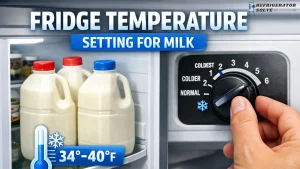
Avoid storing milk in the door—it warms quickly.
Seasonal Adjustment Tips
In winter:
- Lower cooling slightly
- Reduce condensation
In summer:
- Increase cooling by one level
- Keep door openings short
This works well in countries like the UK, Canada, and Australia where seasons change clearly.
Energy Use and Temperature Numbers
Higher numbers mean:
- More compressor work
- Higher electricity bills
Using the middle setting saves energy while keeping food safe. This is important for households managing monthly costs.
Smart Refrigerators and Digital Controls
Newer refrigerators show actual temperatures instead of numbers. Still, many models include number-based controls in menus.
Even with smart features:
- The safe temperature rules remain the same
- Middle range settings work best
Technology helps, but basics still matter.
Quotes From Trusted Voices
“Safe refrigerator temperatures are one of the easiest ways to protect your family’s food.” — Dr. Lisa Young, Nutrition Expert
“Most food waste at home happens because fridge temperatures are set incorrectly.” — Dana Gunders, Food Waste Researcher
“A simple thermometer tells you more than any dial.” — Tom Silva, Home Improvement Specialist
Frequently Asked Questions
What number should my refrigerator be set at?
From my experience, setting 3 or 4 works best for most homes.
Is a higher number colder on a fridge?
Yes, in most refrigerators, higher numbers mean colder temperatures.
Why is my food freezing on setting 4?
Cold air vents may be blocked, or the fridge may be overfilled.
Should I change settings in summer?
Yes, raising the number slightly helps maintain safe cooling.
How long after changing the number should I wait?
Always wait 24 hours before adjusting again.
Customer Pain Points and Practical Solutions
Pain: Food spoils too fast
Solution: Use mid-range settings and check with a thermometer
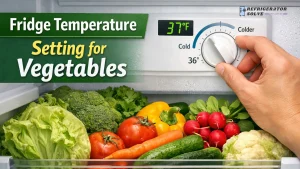
Pain: Vegetables freeze
Solution: Lower the number slightly and avoid back-wall contact
Pain: High electric bills
Solution: Avoid max cooling unless needed
Pain: Confusing number system
Solution: Remember: middle numbers are usually best
Final Thoughts From My Personal Experience
Refrigerator temperature control numbers do not need to be confusing. After years of real use, I can confidently say that simple habits work better than extreme settings. Keep the dial near the middle, adjust with seasons, use a thermometer, and place food properly.
If you follow these steps, your food will stay fresh longer, your fridge will run efficiently, and you will stop guessing every time you open the door.
This approach works well for homes in the USA, UK, Canada, London, and Australia—and it has worked consistently in my own kitchen.