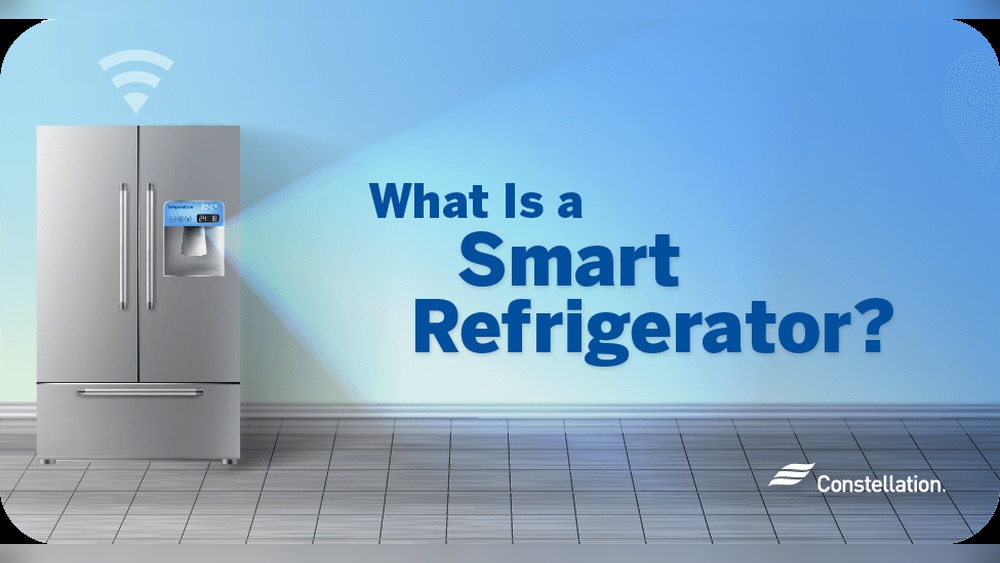
Thinking about upgrading your kitchen with a smart refrigerator? You might be wondering if it’s truly worth the extra cost and hassle.
After all, a fridge’s main job is simple: keep your food cold. But smart fridges promise much more—they offer convenience, high-tech features, and even energy savings. Before you dive into this tech trend, it’s important to weigh what you really get versus what you pay for.
You’ll discover the real benefits and hidden drawbacks of smart refrigerators, helping you decide if this modern appliance fits your lifestyle—and your budget. Ready to find out if a smart fridge is a smart buy for you? Let’s get started.
Smart Fridge Features
Smart refrigerators offer several features that aim to improve your kitchen experience. These fridges combine technology with traditional cooling to provide added convenience and control. Understanding key features helps decide if a smart fridge fits your needs.
Activity Tracking
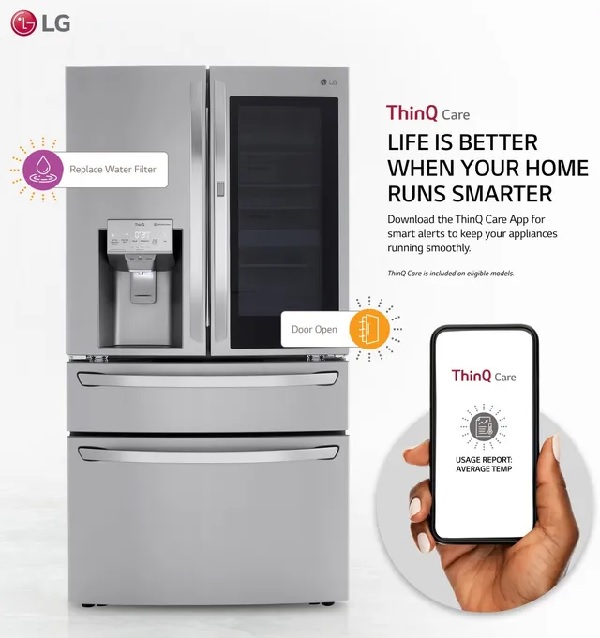
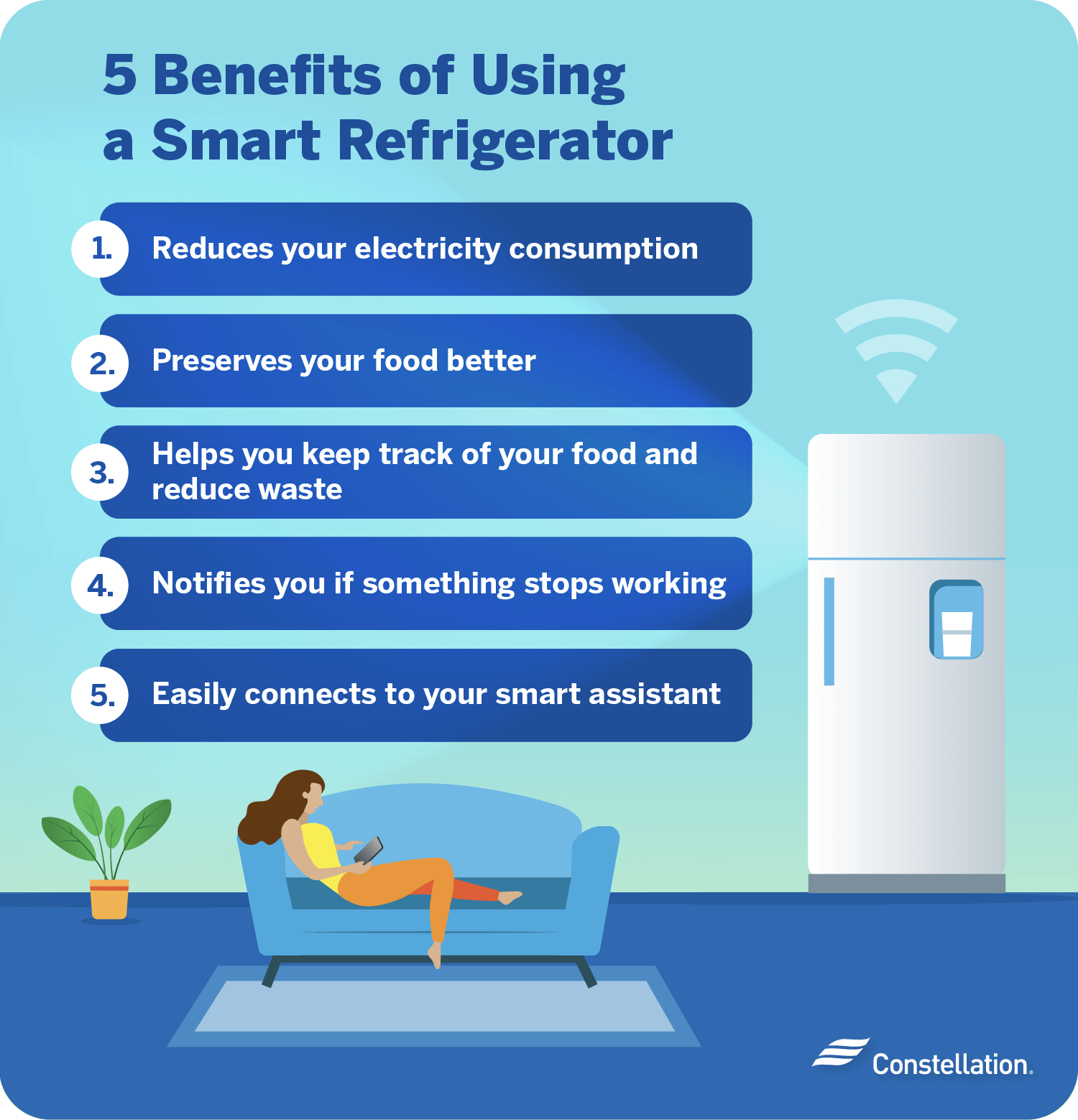
Smart fridges track door openings and usage patterns. This feature helps monitor how often you access the fridge. It can alert you if the door stays open too long. Tracking activity can reduce food spoilage and save energy.
Remote Temperature Control
You can adjust fridge and freezer temperatures from your phone. This control lets you optimize cooling without being near the appliance. It helps maintain ideal conditions for different foods. Remote access also allows quick changes if you forget to adjust settings.
Inventory Management
Some smart fridges offer inventory tracking through cameras or barcode scanning. They keep a list of stored items and their expiration dates. This feature helps reduce food waste by reminding you what to use soon. It can also create shopping lists automatically.
Energy Efficiency
Smart refrigerators use sensors to optimize energy use. They adjust cooling based on door activity and internal temperature. These fridges often have energy-saving modes that lower power use. Better efficiency can lead to lower electricity bills over time.
Cost Considerations
Cost is a major factor in deciding if a smart refrigerator is worth buying. These appliances come with unique expenses beyond traditional fridges. Understanding these costs helps you weigh the value against the price. Consider all aspects before making a decision.
Initial Purchase Price
Smart refrigerators cost much more than basic models. Prices often start two to three times higher. This is due to advanced features like touchscreens, cameras, and Wi-Fi. The higher price may not fit every budget. Think about how much you want those extra functions before paying more.
Repair Expenses
Repairs on smart fridges can be costly. Technology parts like screens or sensors may break. Fixing these parts often needs special technicians. Repairs may take longer than simple fridge problems. You might pay more for service or replacement parts. Keep this in mind before choosing a smart fridge.
Software Updates And Obsolescence
Smart fridges rely on software to work properly. Updates keep features running and fix bugs. Sometimes updates stop after a few years. This can make smart functions stop working. The fridge may still cool, but smart features become useless. Obsolescence can reduce the overall value of the appliance.
Technology And Reliability
Smart refrigerators bring advanced technology to your kitchen. They offer convenience and new features. But their reliability can be a concern. Understanding the technology behind them helps decide if they are worth it.
These appliances combine traditional cooling with digital components. This mix creates more points where problems can happen. Let’s explore common issues like malfunctions, connectivity, and software glitches.
Potential Malfunctions
Smart fridges have many electronic parts. Sensors, touchscreens, and cameras add complexity. These parts can fail or break more often than simple fridges. Repairing them requires special skills and can be expensive. Mechanical parts still work well, but extra tech increases risks of problems.
Connectivity Dependence
Most smart refrigerators rely on Wi-Fi. Many features need constant internet connection. Without Wi-Fi, functions like remote control or grocery tracking stop working. Internet outages or slow connections affect usability. Setting up the fridge may also need app access and updates, which can confuse some users.
Software Glitches
Smart fridges run on software that can have bugs. Firmware updates fix issues but can cause new problems too. Sometimes, the fridge may freeze or disconnect from the network. These glitches can interrupt normal use. Over time, software support may end, making smart features less useful.
Credit: www.donsappliances.com
Security And Privacy
Smart refrigerators offer many new features, but security and privacy remain big concerns. These devices connect to the internet and collect data, which can create risks for users. Understanding these risks helps you decide if a smart fridge is worth the investment. Below are key security and privacy issues to consider.
Hacking Risks
Smart refrigerators connect to your home Wi-Fi network. This connection can open a path for hackers. If a hacker gains control, they might access other devices on your network. Weak passwords or outdated software increase these risks. Regular updates and strong security settings reduce the chance of hacking.
Data Collection Concerns
Smart fridges collect data about your habits and food preferences. Companies use this data to improve services or for marketing. Some users worry about how much information is shared and stored. Reading privacy policies helps you understand what data is collected and how it is used. You can often control some data-sharing options in the settings.
Camera And Microphone Issues
Many smart refrigerators have cameras and microphones inside or outside. These features help with inventory or voice commands. But they also pose privacy risks. Unauthorized access could let someone spy on your kitchen. Check if your fridge allows you to disable these features. Covering cameras when not in use adds extra protection.
User Experience
Understanding the user experience of a smart refrigerator helps decide if it fits your needs. This appliance combines technology with everyday use. It aims to make kitchen tasks easier and more efficient. Here we explore key aspects like ease of use, feature utilization, and the learning curve.
Ease Of Use
Smart refrigerators usually have touchscreens and app controls. These interfaces are designed to be simple and clear. Many models offer voice commands for hands-free operation. Basic tasks like adjusting temperature or checking contents are quick to learn. Still, some users might find advanced options overwhelming at first.
Feature Utilization
These fridges come with features like inventory tracking and recipe suggestions. Some users enjoy these innovations daily. Others use only the basic cooling and storage functions. The usefulness of features depends on personal habits. Regular use improves the value you get from the smart tech.
Learning Curve
Getting comfortable with a smart refrigerator takes time. First steps involve setting up Wi-Fi and syncing apps. Learning to navigate the screen and use features can take a few days. Users with limited tech experience may need extra patience. Over time, the new skills can make kitchen work smoother.
Pros Of Smart Refrigerators
Smart refrigerators offer several advantages that appeal to modern households. Their advanced features improve daily routines and help manage kitchen tasks efficiently. These benefits make them an interesting option for many buyers.
Convenience Benefits
Smart refrigerators let you check inside without opening the door. You can see the contents using your phone, saving time and energy. Some models allow voice commands to set temperatures or alarms. They can connect to your smart home system for easier control. These features simplify kitchen management and reduce hassle.
Energy Savings
Smart fridges monitor energy use and adjust settings automatically. They optimize cooling based on usage patterns and door openings. Many have energy-efficient compressors and LED lighting. Alerts notify you if the door stays open too long. These functions help reduce electricity bills and lower environmental impact.
Enhanced Food Management
Built-in cameras track your groceries and expiration dates. Some models suggest recipes based on what you have. You can create shopping lists and get reminders for restocking. These tools help minimize food waste and keep your fridge organized. Managing food becomes easier and more efficient.
Cons Of Smart Refrigerators
Smart refrigerators offer many modern features but also come with downsides. These drawbacks might affect your decision to invest in one. Understanding the cons helps you weigh the real value of a smart fridge before buying.
High Upfront Cost
Smart refrigerators cost much more than regular fridges. The advanced technology raises the price significantly. This high initial cost can deter many buyers. You pay extra for features you may not fully use.
Repair Complexity
Repairs on smart fridges are often complicated and expensive. Integrated screens, Wi-Fi modules, and sensors require specialized technicians. Fixing these parts costs more than repairing simple mechanical issues. Service may take longer due to the advanced technology involved.
Potential Feature Redundancy
Many smart features might not add real value to daily use. Some functions remain unused or become outdated quickly. Software updates might stop after a few years, making smart features useless. This redundancy can make the extra cost feel wasted.

Credit: www.cupindy.com
Common Problems
Smart refrigerators offer modern convenience but face several common problems. These issues may affect daily use and overall satisfaction. Understanding these challenges helps decide if a smart fridge suits your needs.
Firmware Failures
Firmware controls the smart features of the fridge. Sometimes it can crash or freeze. Updates may fail, causing the fridge to act unpredictably. This can disrupt functions like touchscreens or notifications. Fixing firmware issues often requires professional help or waiting for patches.
App Connectivity Issues
Smart refrigerators rely on apps for remote control and monitoring. Poor Wi-Fi signals cause the app to disconnect frequently. Syncing problems can prevent you from checking contents or adjusting settings remotely. These connectivity issues reduce the convenience of having a smart fridge.
Temperature Control Errors
Temperature sensors in smart fridges can malfunction. This causes incorrect cooling or freezing cycles. Food spoilage risk rises if the temperature is unstable. Sometimes, the fridge may not alert users about these errors. Regular manual checks are still important to ensure food safety.
Top Smart Refrigerator Models
Smart refrigerators blend technology with daily convenience. They offer features like touchscreens, voice control, and inventory tracking. Choosing the right model depends on your priorities. Some focus on advanced tech, others on saving energy or cost.
Below are top smart refrigerator models, categorized to help find the best match for your needs.
Best For Tech Enthusiasts
These models showcase the latest in smart technology. Expect large, responsive touchscreens and integration with home assistants. Features include internal cameras, recipe suggestions, and Wi-Fi connectivity. They offer a futuristic kitchen experience for those who enjoy new gadgets.
Best For Energy Efficiency
Energy-saving models reduce electricity bills and environmental impact. They use smart sensors to optimize cooling and adjust settings automatically. These refrigerators often have Energy Star ratings and innovative compressors. Ideal for eco-conscious buyers who want smart features with low power use.
Best Value Options
These refrigerators balance price and smart functionality. They include essential smart features like app control and temperature monitoring. While not packed with extras, they provide good performance at a lower cost. Suitable for buyers seeking smart tech without a high price tag.
Is It Worth Buying?
Deciding whether a smart refrigerator is worth buying depends on many factors. These include cost, convenience, and how much you will use its features. Smart fridges offer advanced technology, but they come at a higher price. Understanding these points helps you make the best choice for your home and budget.
Cost Vs. Benefits Analysis
Smart refrigerators cost significantly more than standard models. The price difference can be hundreds or even thousands of dollars. You pay extra for features like touchscreens, Wi-Fi, and internal cameras. These benefits include better food management and remote control. However, not everyone uses these features fully. Consider if the added functions will improve your daily life enough to justify the cost.
Ideal User Profiles
Smart refrigerators suit tech-savvy users who enjoy convenience. Busy families may benefit from features like grocery tracking and meal planning. People who often forget food inside the fridge can check contents remotely. Those who like connected home devices find smart fridges useful. If you prefer simplicity and low maintenance, a traditional fridge might be better.
Long-term Savings
Energy-efficient smart fridges can lower electricity bills over time. They adjust cooling based on usage and contents, saving power. Alerts about open doors or spoiled food reduce waste and cost. Repairs may be expensive, but fewer food losses can offset this. Think about how much you spend on groceries and energy yearly. Smart features may help you save money in the long run.
Credit: blog.constellation.com
Frequently Asked Questions
What Are The Disadvantages Of A Smart Fridge?
Smart fridges cost more upfront and have expensive repairs. They depend on Wi-Fi, face software glitches, and risk security breaches. Features may become outdated quickly, and non-tech users might find them confusing or unnecessary.
What Is The Point Of A Smart Fridge?
A smart fridge monitors food, adjusts temperature, and lets you control settings remotely. It improves convenience and reduces waste.
What Are Common Smart Fridge Problems?
Common smart fridge problems include connectivity issues, touchscreen glitches, sensor malfunctions, software bugs, costly repairs, and privacy concerns.
What Is The Best Smart Refrigerator To Buy?
The best smart refrigerator combines reliable cooling, energy efficiency, user-friendly features, and strong connectivity. Brands like Samsung, LG, and Whirlpool lead in innovation and quality. Choose one with features matching your lifestyle and budget for optimal performance and convenience.
Conclusion
Smart refrigerators offer useful features, but they come with drawbacks. They cost more than regular models and may need expensive repairs. Their tech can fail or become outdated quickly. Internet connection issues can limit smart functions. Privacy and security concerns also matter.
Think about your needs and budget before buying one. Traditional refrigerators still work well without extra tech. Choose what fits your lifestyle best. Smart fridges can be helpful, but not always worth the cost.

Hi, I’m the lead researcher and appliance enthusiast behind RefrigeratorSolve. With years of hands-on experience troubleshooting cooling systems and testing home appliances, I am dedicated to bringing you honest reviews, energy-saving tips, and practical solutions to keep your refrigerator running perfectly.