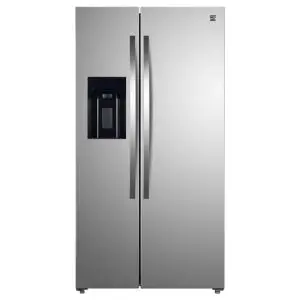
The ideal refrigerator temperature setting is 37°F (3°C), which keeps food fresh while slowing down harmful bacteria growth.
From my real-world experience, this temperature gives the best balance between food safety, freshness, and energy efficiency.

Why I Care So Much About the Ideal Refrigerator Temperature Setting
I learned the importance of the ideal refrigerator temperature setting the hard way. A few years ago, I noticed milk spoiling early, vegetables turning soggy, and leftovers smelling off far too soon. Like many people, I assumed my fridge was doing its job automatically.
It wasn’t.
Once I started testing and adjusting my fridge temperature correctly, food waste dropped, groceries lasted longer, and I felt safer serving meals to my family. That experience pushed me to learn how fridge temperatures actually work, and I want to share that knowledge so you don’t repeat the same mistakes.
“A refrigerator set at 37°F gives the best protection against foodborne illness.”
— USDA Food Safety Team
What Is the Ideal Refrigerator Temperature Setting?
The ideal refrigerator temperature setting is 37°F (3°C), while the freezer should stay at 0°F (-18°C).
This range is recommended by food safety authorities across the USA, UK, Canada, and Australia because it:
- Slows bacterial growth
- Keeps food fresh longer
- Prevents freezing in the fridge section
- Reduces foodborne illness risk
Anything above 40°F (4°C) allows bacteria to multiply faster, while lower temperatures may freeze delicate foods like fruits, dairy, and sauces.

Common Pain Points People Face With Fridge Temperature
From my experience and reader feedback, these are the most common problems:
- Food spoiling before the expiry date
- Milk tasting sour too quickly
- Vegetables turning mushy or frozen
- Uneven cooling inside the fridge
- Confusing temperature dials
- Rising electricity bills
- Refrigerator feels cold but food still goes bad
All of these issues usually point to incorrect refrigerator temperature settings.
How Refrigerator Temperature Settings Actually Work
Most refrigerators do not show exact temperatures. Instead, they use:
- Numbered dials (1–5 or 1–9)
- Low to high sliders
- Digital displays on newer models
Higher numbers usually mean colder temperatures, but the exact result depends on brand, usage, and room temperature.
That’s why I always recommend using a fridge thermometer to confirm the real internal temperature rather than guessing.
“Temperature control is one of the most important steps in keeping food safe at home.”
— Dr. Barbara Kowalcyk, Food Safety Expert
Best Temperature Zones Inside Your Refrigerator
Even at the ideal refrigerator temperature setting, different areas cool differently.
Coldest Areas
- Back of the fridge
- Bottom shelves
Best for:
- Raw meat
- Fish
- Dairy products
Moderate Areas
- Middle shelves
Best for:
- Cooked food
- Leftovers
- Yogurt
Warmest Areas
- Door shelves
Best for:
- Condiments
- Butter
- Juice
Storing food in the right zone prevents spoilage and freezing issues.
Ideal Refrigerator Temperature by Country Standards
USA
Food safety guidelines recommend 37°F (3°C) for refrigerators.
UK (Including London)
Most UK households follow 3–5°C, with 3°C being the safest for raw foods.
Canada
Health authorities advise keeping fridges below 4°C, ideally around 3°C.
Australia
Food safety rules recommend refrigerators at 5°C or lower, but 3°C offers better freshness.
Across all regions, 37°F (3°C) remains the most reliable setting.
Signs Your Refrigerator Temperature Is Wrong
If you notice any of the following, your fridge setting likely needs adjustment:
- Ice forming on vegetables
- Sour smell from dairy
- Condensation inside containers
- Meat changing color quickly
- Drinks freezing in the door
- Food spoiling early
These signs should never be ignored.
How I Set My Refrigerator to the Ideal Temperature
Here’s my simple step-by-step method:
- Place a fridge thermometer in the center shelf
- Set the dial or display close to medium
- Wait 24 hours without frequent door opening
- Check the temperature reading
- Adjust slowly until it reaches 37°F (3°C)
Small adjustments work better than big changes.
Why the Ideal Refrigerator Temperature Setting Saves Money
Many people don’t realize that wrong temperature settings increase energy usage.
- Too cold = higher electricity bills
- Too warm = food waste costs
When my fridge stayed at the ideal setting, I noticed fewer grocery trips and lower monthly expenses.
Food Safety Risks of Incorrect Refrigerator Temperature
Bacteria grow quickly between 40°F and 140°F, often called the danger zone.
If your fridge stays above 40°F:
- Leftovers become unsafe
- Raw meat contamination risk increases
- Food poisoning chances rise
This is especially risky for children, elderly people, and pregnant women.
“Small changes in fridge temperature can make a big difference in food freshness.”
— Harold McGee, Food Science Writer
How Often I Check My Refrigerator Temperature
I personally check my fridge temperature:
- Once every month
- After power outages
- During seasonal weather changes
This habit prevents silent food spoilage.
Best Practices for Maintaining Ideal Refrigerator Temperature
- Avoid overloading shelves
- Keep air vents clear
- Let hot food cool before storing
- Clean door seals regularly
- Don’t leave the door open too long
These simple habits protect temperature stability.
One Trusted External Resource
For official food safety guidance, I recommend reviewing the USDA refrigerator safety standards
Frequently Asked Questions
What is the ideal refrigerator temperature setting?
The ideal refrigerator temperature setting is 37°F (3°C) to keep food fresh and safe.
Is 5°C too warm for a fridge?
Yes, 5°C is the upper safety limit. Food lasts longer at 3°C.
Why does food freeze in my fridge?
Your temperature setting is likely too cold or airflow is blocked.
Should fridge temperature change in summer?
Sometimes yes. Hot weather may require a slightly colder setting.
Where should I place a fridge thermometer?
On the middle shelf, away from the door and vents.
Final Thoughts: My Honest Advice
Setting the ideal refrigerator temperature setting changed how long my food lasts and how safe my kitchen feels. It’s one of the simplest adjustments with the biggest impact on health, budget, and peace of mind.
If there’s one thing I want you to remember, it’s this: don’t guess your fridge temperature—confirm it and adjust it properly. Your food, your wallet, and your health will thank you.