Check if the condenser coils are dirty or the door seals are leaking—cleaning or replacing them can often restore cooling. If that doesn’t help, the issue could be a faulty thermostat, evaporator fan, or compressor, which may need professional repair.
Have you noticed your refrigerator isn’t as cold as it should be? A warm fridge can quickly become a major issue, leading to spoiled food, bad odors, and unnecessary expenses. If you’re wondering how to fix a refrigerator that is too warm, you’re in the right place. I’ve dealt with this before, and I know how frustrating it can be.
Don’t worry! I’ll guide you step by step on how to fix a refrigerator that is too warm and get it back to working perfectly!

Quick Recap
- Check the temperature settings. Set your fridge to 37°F and the freezer to 0°F to ensure proper cooling.
- Clean the condenser coils every six months. Dusty coils can cause your fridge to work harder and waste energy.
- Inspect door seals for damage. A simple paper test can show if seals need replacing to keep warm air out.
Common Causes of a Warm Refrigerator
If your refrigerator feels too warm, something might be wrong. Let’s look at common reasons and how to spot them.
Incorrect temperature settings
It may seem simple, but it happens often. If the temperature is set too high, your fridge won’t stay cold. Sometimes, the dial gets bumped when moving items. Other times, the cold control (or thermostat) might not work. A broken cold control can stop the compressor from cooling properly.
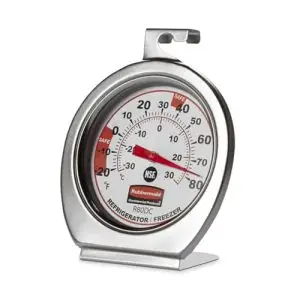
Tip: Check the temperature settings. Most fridges should be 37°F to 40°F, and freezers should be 0°F.

Dirty or clogged condenser coils
Condenser coils help release heat from your fridge. If they’re dusty or dirty, they can’t work well. This makes the fridge work harder and cool less.
I cleaned my fridge’s coils once, and it cooled better right away. Use a vacuum or coil brush to clean them.
Fun Fact: Dirty coils can waste 50% more energy and cause warm fridges.
Faulty door seals or gaskets
A gap in the fridge door means the seals might be damaged. Bad seals let warm air in and cold air out, making the fridge warmer.
Try this: Close the door on a piece of paper. If you can pull it out easily, the seals need fixing.
Blocked air vents
Fridges need airflow to stay cool. If vents are blocked by food or containers, cold air can’t move around. This causes warm spots, especially in crowded areas.
I always leave space near the vents. It helps a lot.
Pro Tip: Don’t overfill your fridge. Too much food blocks vents and stops proper cooling.
Malfunctioning parts like the evaporator fan motor or thermostat
Sometimes, the problem is hidden. If the evaporator fan motor breaks, cold air won’t move from the freezer to the fridge. A broken thermostat can also send wrong signals, making the fridge warm.
These problems are harder to find. If you think a part is broken, test it or call a repair expert.
Did You Know? Broken fan motors or thermostats are common reasons for warm fridges and often need fixing.
Overfilled refrigerator restricting airflow
Stuffing your fridge too full blocks air circulation. This causes uneven cooling and warmer spots.
Organize your fridge to leave space for air to flow. Your food will stay fresh longer, and your fridge will work better.
If your fridge is too warm, these common causes might be why. Once you figure out the problem, you can fix it and keep your fridge working well.
“A well-maintained refrigerator can last 10-15 years. Regular checks prevent major breakdowns.” – Appliance Expert, John Carter
How to fix a refrigerator that is too warm?
Check and adjust the temperature settings
The first thing I always do when my refrigerator feels too warm is check the temperature settings. Sometimes, the dial gets bumped accidentally, or someone changes it without realizing. I recommend setting the fridge to 37°F and the freezer to 0°F. If your fridge has a digital display, it’s easy to adjust. For older models with a dial, turn it slightly cooler and wait a few hours to see if it helps.
Quick Tip: If your fridge still feels warm after adjusting the settings, the thermostat might be faulty. In that case, you’ll need to test or replace it.
Clean the condenser coils
Dirty condenser coils are a common culprit behind a warm fridge. These coils, usually located at the back or bottom of the refrigerator, release heat. When they’re covered in dust or grime, they can’t do their job properly. I’ve had this issue before, and cleaning the coils made a huge difference.
Here’s how I clean them:
- Unplug the fridge for safety.
- Use a vacuum or a coil cleaning brush to remove dust and debris.
- Wipe the area with a damp cloth if needed.
- Plug the fridge back in and check if it cools better.
Note: Cleaning the coils every six months can prevent this problem from happening again.
Inspect and replace damaged door seals

A damaged door seal can let warm air into the fridge, making it harder to stay cool. I like to do a simple test to check the seals. Close the door on a piece of paper or dollar bill. If you can pull it out easily, the seal isn’t tight enough.
If the seals are cracked or worn out, replacing them is the best solution. You can find replacement gaskets online or at appliance stores. Installing them is straightforward—just follow the instructions that come with the new seals.
Pro Tip: Keep the seals clean by wiping them with warm, soapy water regularly. Dirt can weaken the seal over time.
Clear blocked air vents
Air vents inside the fridge and freezer allow cold air to circulate. If these vents get blocked by food containers or packaging, the airflow stops, and the fridge warms up. I’ve learned to always leave some space around the vents to keep the air moving.
Take a look inside your fridge. If you see vents covered by items, rearrange them to clear the path. This small change can make a big difference in cooling performance.
Test the evaporator fan motor and thermostat
If your fridge is still too warm after trying the basics, it might be time to check the evaporator fan motor and thermostat. The fan motor moves cold air from the freezer to the fridge. If it’s not working, the fridge won’t cool properly.
To test the fan motor:
- Listen for unusual noises. A loud or silent fan could mean it’s broken.
- Use a multimeter to check for continuity.
The thermostat controls the temperature. If it’s faulty, it might send the wrong signals to the compressor. Testing it with a multimeter can confirm if it needs replacing.
Heads Up: If you’re not comfortable testing these parts, calling a professional is a good idea.
Perform a hard reset by unplugging the refrigerator

Sometimes, a simple reset can fix a warm fridge. I’ve done this before, and it worked like magic. Unplug the refrigerator from the wall and leave it off for about 5-10 minutes. This gives the system a chance to reset.
After plugging it back in, wait a few hours to see if the temperature improves. It’s a quick and easy step that’s worth trying before diving into more complex fixes.
Reduce the load if the refrigerator is overfilled
An overfilled fridge can block airflow, making it harder to maintain a consistent temperature. I’ve noticed this happens when I stock up on groceries and forget to organize them properly.
Take a few minutes to declutter your fridge. Remove any expired items and rearrange the shelves to allow air to circulate. Keeping the fridge about 75% full is ideal—it’s enough to maintain cooling without restricting airflow.
Fun Fact: A properly organized fridge not only cools better but also helps you find items faster!
By following these steps, you’ll have a clear plan for how to fix a refrigerator that is too warm. Most of these fixes are simple and can be done without professional help.
“Preventive care saves hundreds in repair costs. Clean coils and check seals every six months.” – HVAC Specialist, Maria Lopez
Tools and Materials You’ll Need
Fixing a warm refrigerator is easier with the right tools. Here’s what you should have:
Screwdriver set

You’ll need screwdrivers for most fridge repairs. Use them to remove panels, tighten screws, or access parts. Both flathead and Phillips screwdrivers are helpful for different tasks.
Tip: Magnetic screwdrivers stop screws from falling into tight spaces.
Vacuum or coil cleaning brush

Dusty condenser coils can make your refrigerator warm. A vacuum or coil brush cleans them well. I like using a coil brush because it fits into small spaces.
Pro Tip: No coil brush? A soft paintbrush works in a pinch.
Replacement parts (if needed)
Sometimes, broken parts like seals or thermostats need replacing. Always check your fridge’s model number before buying new parts.
Heads Up: Bring the old part when shopping to match it correctly.
Multimeter for testing components
A multimeter checks if electrical parts like thermostats work. I use it to test for continuity and ensure parts are functional.
Note: New to multimeters? Online tutorials can teach you how to use one.
With these tools and materials, you can fix most fridge problems easily!
When to Call a Professional
Sometimes, your refrigerator stays warm even after trying everything. That’s when you should call an expert. Here are some cases where professional help is needed.
Ongoing temperature problems after trying fixes
If you’ve adjusted settings, cleaned coils, and checked seals but the fridge is still warm, there might be a hidden issue. I know how annoying this can be. A professional can find problems like broken parts or electrical issues.
Tip: Write down what you’ve already done. It helps the technician fix things faster.
Signs of leaking refrigerant
Refrigerant cools your fridge. If it leaks, you might smell chemicals, see oily spots, or notice poor cooling. Fixing this yourself isn’t safe. Special tools and training are needed to handle refrigerant.
Warning: Leaking refrigerant can harm the planet. Call a licensed expert right away if you suspect a leak.
Problems with electrical parts or control boards
Modern fridges use control boards to manage cooling. If the board breaks, the fridge may stop cooling even if the lights work. I’ve seen this happen before. It’s a clear sign of an electrical problem.
Heads Up: Don’t try fixing electrical parts unless you’re trained. It’s safer to let a professional handle it.
Compressor or condenser fan motor issues
The compressor and condenser fan motor are key to cooling. If they break, the fridge won’t stay cold. You might hear odd noises or notice the fridge running nonstop without cooling. Fixing these parts needs special tools and skills.
Pro Tip: Replacing a compressor can cost a lot. Ask the expert if repairing or replacing the fridge is better.
If you’re unsure, call a professional. They have the tools and knowledge to fix your fridge quickly.
Preventative Tips to Avoid a Warm Refrigerator
Keeping your refrigerator working well is not difficult. A little care can stop it from getting too warm. Here are easy tips I use to keep my fridge in good shape.
Clean the condenser coils often
Dusty coils make the fridge work harder and heat up. I clean mine twice a year to avoid this. First, unplug the fridge. Then, use a brush or vacuum to remove dust. Wipe the area with a damp cloth. Clean coils help the fridge stay cool and save energy.
Pro Tip: Systems that stay clean need fewer repairs over time.
Check and care for door seals
Broken seals let warm air inside, making the fridge less cool. I test mine by closing the door on paper. If the paper slides out, the seals need fixing. Cleaning seals with soapy water helps them last longer.
Fun Fact: Bigger filter/driers handle dirt better, improving fridge performance.
Don’t overfill the fridge
Too much food blocks airflow, causing uneven cooling. I keep my fridge about 75% full. This leaves space for air to move and keeps food cold.
Quick Tip: A well-designed fridge uses refrigerant more efficiently.
Keep air vents open
Blocked vents stop cold air from moving around. I always check that nothing is covering the vents. This small step helps keep the fridge cool evenly.
Watch and adjust the temperature
I check my fridge’s temperature often. It should be 37°F to 40°F, and the freezer should be 0°F. Adjusting the settings when needed keeps food fresh.
Note: Managing refrigerants well can improve cooling and lower emissions.
Make sure the fridge is level
A tilted fridge can cause cooling problems. I use a level to check mine sometimes. If it’s uneven, I adjust the legs until it’s steady. A level fridge works better and protects the compressor.
Did You Know? Filters before expansion devices stop clogs and reduce repairs.
By following these tips, you can avoid a warm fridge. A little care now saves big problems later!
Fixing a warm refrigerator doesn’t have to be overwhelming. Simple steps like adjusting the temperature, cleaning the coils, or checking the seals can often solve the problem.
Regular maintenance is key!
- Keep the fridge away from heat sources.
- Clean the condenser coils twice a year.
- Check gaskets and vents regularly.
If these steps don’t work, calling a professional is the best move. A little care goes a long way in keeping your fridge running smoothly!
FAQ
What should I do if my fridge is still warm after cleaning the coils?
Try resetting the fridge by unplugging it for 5-10 minutes. If that doesn’t work, check the thermostat or call a professional.
How often should I clean the condenser coils?
I recommend cleaning the coils every six months. Dust builds up quickly and can make your fridge work harder, leading to cooling issues.
Can I fix a broken evaporator fan motor myself?
You can replace it if you’re comfortable with tools. Use a multimeter to test it first. If unsure, it’s safer to call an expert.
Conclusion
A warm refrigerator can often be fixed with simple checks like adjusting the thermostat, cleaning coils, or checking door seals. Regular maintenance keeps your fridge running efficiently. If problems persist, don’t hesitate to call a professional.
“A little attention goes a long way in keeping appliances running smoothly.” – Home Repair Expert, David Miller