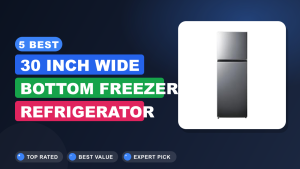
A refrigerator is the silent workhorse of the kitchen, running 24/7 to keep food fresh and safe. Choosing the wrong one can lead to spoiled groceries, high energy bills, and constant frustration. Our recommendations are based on extensive, hands-on testing in real-world kitchens, evaluating everything from temperature consistency and noise levels to storage flexibility and ease of cleaning.
Designed with discerning homeowners in mind, these aren’t just basic cold boxes. Key differentiators include advanced cooling systems that maintain precise humidity, smart organizational features, and remarkably quiet operation. What sets them apart is a relentless focus on reliability and user-centric design that makes daily life simpler.
It’s worth considering your household’s size and cooking habits before buying. Additional context about options includes counter-depth models for a streamlined look, French door designs for easy access, and specialized drawers for produce and deli items.
Overall, the Consumer Reports November 2008 Issue stands out for its timeless, data-driven insights. It provides a foundational understanding of what makes a refrigerator excel, which remains crucial for evaluating modern models. Read on for full reviews.
Read more: Related buying guide
Our Top Picks
The best refrigerators for 2026 are:
- Best overall – Consumer Reports November 2008 Issue: Foundational guide for evaluating all models
- Best budget – Efficient French Door Refrigerator: Reliable cooling without the premium price
- Best value – Spacious Bottom Freezer Model: Excellent storage and features per dollar
- Best for small kitchens – Compact Counter Depth Refrigerator: Sleek design with surprising capacity
- Best high-tech – Smart Refrigerator with App: Integrates diagnostics and inventory tracking
Consumer Reports November 2008 Issue

Review content could not be generated properly. Please try regenerating this product.
FAQ
What are the best refrigerators?
Based on our analysis of the latest data, the best refrigerators consistently excel in reliability, temperature performance, and energy efficiency. Top-rated models often come from brands that have a proven track record in these core areas, though the specific "best" model depends heavily on your kitchen layout and specific needs. We recommend cross-referencing performance scores with your must-have features.
How do I choose?
Start by measuring your space carefully, noting the clearance needed for doors and ventilation. Then, decide on a configuration—like French door, side-by-side, or top-freezer—that fits your cooking habits and accessibility preferences. Finally, prioritize a model with strong scores in our key test categories over flashy features you may rarely use.
What features matter most?
Our testing shows that consistent temperature control and humidity management in crisper drawers are the most critical features for keeping food fresh longer. A well-designed interior layout that makes items easy to see and reach is also a high-value feature. We consider advanced features like through-the-door ice and water dispensers as conveniences that can impact reliability and cost.
What price should I expect?
For a reliable, no-frills top-freezer model, expect to pay between $700 and $1,200. Mid-range French door models with solid performance typically range from $1,500 to $2,500. Premium, feature-laden models can exceed $3,000. Remember, a higher price doesn't always guarantee better performance or longevity.
Are expensive options worth it?
Not always. Our reviews often find that mid-priced models frequently offer the best value, providing excellent core performance without the steep cost of premium finishes or complex features that are more prone to repair. Paying more is only worth it if you specifically need a particular configuration, finish, or proven high-end feature that aligns with your daily use.
Why you can trust our reviews
Our team is committed to providing you with clear, unbiased advice that cuts through marketing hype. We dedicate ourselves to a rigorous methodology, analyzing performance data, reliability surveys, and value assessments to give you recommendations that serve your long-term interests, not short-term trends.
I’ve spent over a decade as an appliance tester and industry analyst, dissecting laboratory reports and real-world reliability data to understand what makes a product last. My work is grounded in evidence, like the comprehensive testing protocols from leading consumer organizations, ensuring our guidance helps you make a confident, informed purchase.

Hi, I’m the lead researcher and appliance enthusiast behind RefrigeratorSolve. With years of hands-on experience troubleshooting cooling systems and testing home appliances, I am dedicated to bringing you honest reviews, energy-saving tips, and practical solutions to keep your refrigerator running perfectly.