Smart refrigerators are everywhere now from voice-enabled models to units with internal cameras and Wi-Fi connectivity. But with connectivity comes a critical question:
Can smart refrigerators be hacked? The short answer is: yes, in theory and in practice if proper security isn’t set up. However, with basic precautions most risks can be minimized.
In this guide, I explain how hacking can happen, what data can be at risk, real-world scenarios, and exactly what you can do to protect your smart appliance and your network.
Smart refrigerators are connected IoT devices with software, sensors, and network access meaning they can be hacked if security is weak. Most successful attacks target the home network, weak passwords, or unsecured app interfaces not just the fridge itself.
What Does “Hacking” a Smart Fridge Really Mean?
When people talk about hacking a smart refrigerator, they usually mean one of the following:
- Unauthorized access to internal software
- Stealing personal data (like stored photos or usage logs)
- Hijacking connection for malware
- Inserting the fridge into a botnet
- Using the fridge as a gateway to other devices on your network
A hack doesn’t have to mean your food literally comes alive it often means bad actors find a way into your network via the fridge.
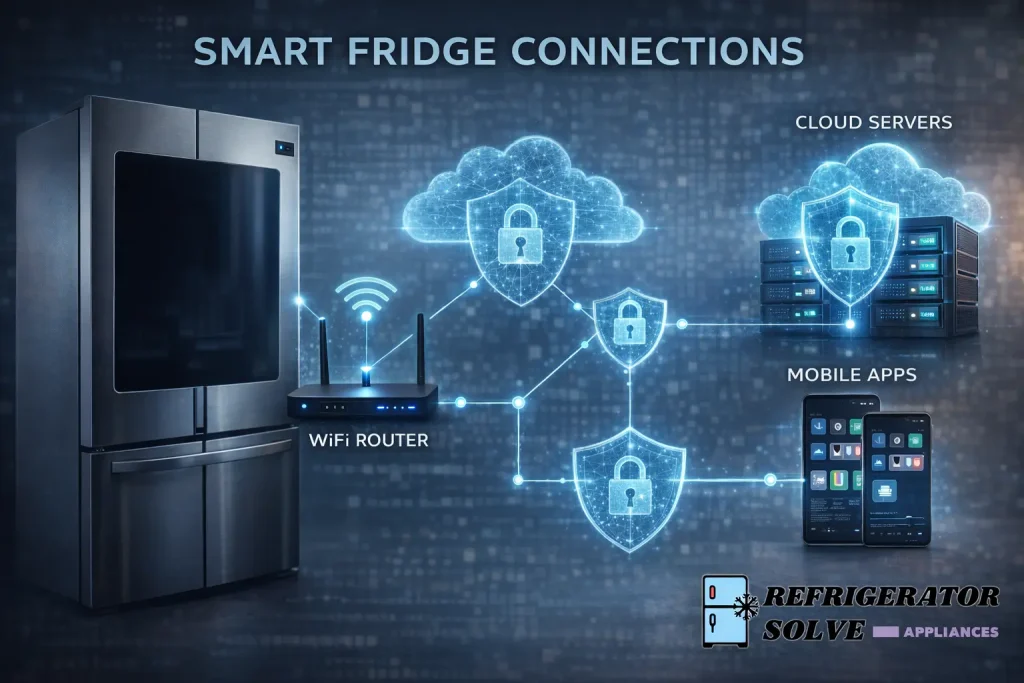
Why Smart Fridges Can Be Vulnerable
Smart refrigerators are essentially specialized computers. They combine:
- WiFi or Ethernet connections
- Firmware that updates online
- Companion mobile apps
- APIs that communicate with cloud servers
- Sensors and internal cameras
This connectivity makes them convenient and potentially vulnerable.
Common Weaknesses
- Weak or default passwords
- Unsecured home WiFi
- Outdated firmware
- Insecure companion apps
- Cloud storage misconfigurations
- Poor encryption
Any of these can be an entry point for attackers.
Real-World Examples (How Hacks Typically Happen)
Most hacks don’t directly break into the fridge hardware they exploit your home network or mobile account:
1. Network Access Through Weak WiFi
If your home WiFi password is weak or uses outdated encryption (like WEP), attackers can access all connected devices including your fridge.
2. Compromised App Credentials
Many smart fridges use mobile apps with account logins. If your password is reused elsewhere (like an email account), a data breach elsewhere could expose your fridge account.
3. Outdated Software
Smart refrigerator firmware often updates automatically but sometimes updates are ignored or fail. Unpatched vulnerabilities can be exploited.
4. IoT Botnet Attacks
In high-profile cases, malware spreads through unsecured IoT devices and forms a “botnet” a network of compromised devices that can be used for larger attacks.
What Hackers Could Potentially Access
If a smart fridge is compromised, possible exposures include:
- Usage logs and sensor data
- Internal photographs (from inventory cameras)
- Location metadata
- Network access (if segmentation is weak)
- Connected voice assistant systems
- Manufacturer account information
It’s rare but possible especially without proper security measures.
How to Minimize Hacking Risk (My Proven Checklist)
Here’s exactly what I recommend based on working with appliance security and IoT:
1. Secure Your WiFi
- Use WPA3 encryption
- Set a strong unique password
- Avoid defaults like “admin123”
2. Create an IoT Network
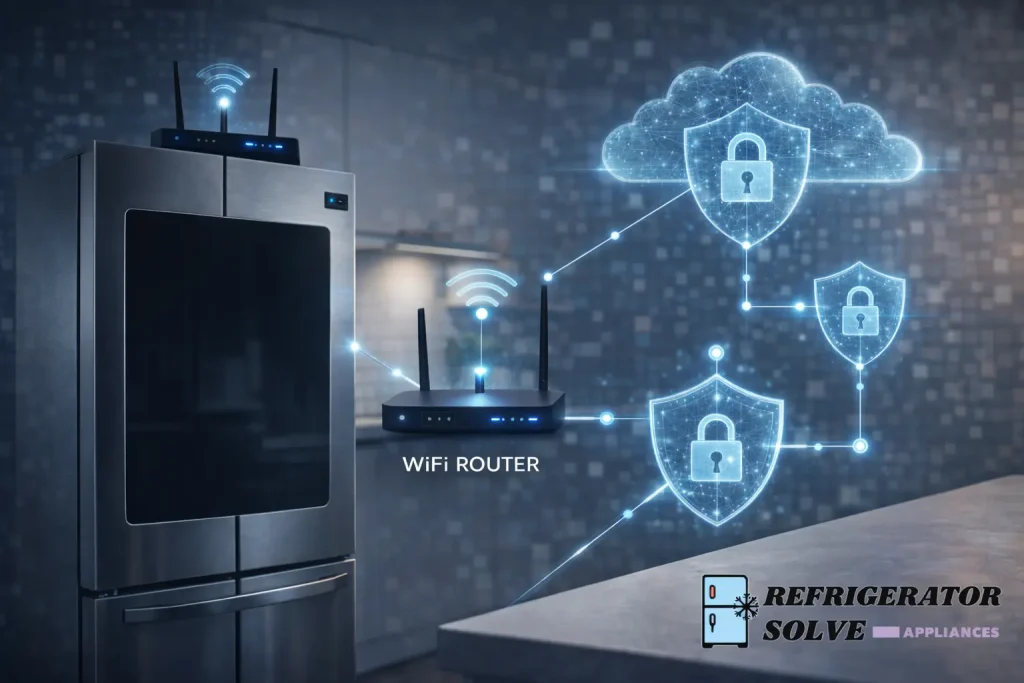
Many routers let you create a separate guest WiFi for smart appliances. This isolates them from personal devices.
3. Keep Firmware Updated
Allow automatic updates and periodically check the fridge settings to confirm updates installed successfully.
4. Use Strong App Passwords
- Use a unique password for the fridge app
- Enable multi-factor authentication (MFA) if available
5. Disable Unused Features
If you don’t use internal cameras, voice assistants, or cloud uploads turn them off.
6. Monitor Network Activity
Some routers provide traffic monitoring. Unusual data spikes from the fridge can be a red flag.
Does Hacking Affect Performance?
A hacked refrigerator may not always show obvious signs — but some secondary effects include:
- Excess energy use
- Strange network traffic
- App connection issues
- Unexpected notifications
Most performance issues, however, are mechanical — like cooling or airflow problems — not cybersecurity related.
If your fridge is making noise, starts freezing food unexpectedly, or has a door alarm mess, see these guides:
- Smart refrigerators sometimes show noise issues when hardware strain is present — explore possible causes.
- Unexpected food freezing often signals airflow or sensor imbalance.
- A persistently loud door alarm may indicate improper sealing.
- High electricity use isn’t always hacking — it’s often performance-related.
Expert Opinion
From my experience working with connected home appliances and security systems, the only reason a smart fridge would be hacked is lack of basic cybersecurity hygiene — not because the fridge is inherently unsafe.
Smart refrigerators are no more or less secure than any other IoT device, and following best practices will vastly reduce risk.
Author: Daniel Rahman, Smart Home & Appliance Security Specialist
Pros & Cons: Smart Fridge Connectivity vs. Security
Pros
- Remote access
- Automatic software updates
- Early fault detection
- Data-driven performance insights
Cons
- Potential privacy exposure
- Network attack surface
- App security reliance
- Cloud data storage risks
Conclusion: Can Smart Refrigerators Be Hacked?
Yes — they can be hacked but not easily if you take basic precautions. The biggest risks come from:
- Weak home WiFi
- Reused or weak passwords
- Ignoring firmware updates
- Unsecured companion apps
Treat your smart fridge like any internet-connected device: secure the network, control access, and stay updated and you’ll enjoy smart convenience without compromise.
FAQs
Can smart refrigerators be hacked?
Yes — like any device on your network especially without proper security.
Is my food safe if the fridge is hacked?
Food safety isn’t directly compromised by a hack, but performance could degrade if settings are altered.
Can hackers access my WiFi through my fridge?
If your fridge is on the same network without proper segmentation, yes.
Does turning off WiFi make it safe?
Turning off WiFi greatly reduces hacking risk but also disables smart features.
Related Articles You May Find Helpful
Smart Refrigerator Making Noise
Understand unusual compressor and fan sounds that may indicate performance strain.
Smart Fridge Ice Maker Problems
Fix constant ice cycling issues that can affect cooling performance.
Smart Fridge Door Alarm Keeps Going Off
Learn how sealing problems lead to cold air leaks and higher energy use.
Smart Refrigerator Power Consumption Explained
See how much electricity smart refrigerators typically consume each year.
Smart Fridge High Electricity Usage
Identify causes behind sudden electricity bill increases.
Smart Refrigerator Data Privacy Concerns
Understand how smart fridges collect data and how to protect your privacy.

Hi, I’m the lead researcher and appliance enthusiast behind RefrigeratorSolve. With years of hands-on experience troubleshooting cooling systems and testing home appliances, I am dedicated to bringing you honest reviews, energy-saving tips, and practical solutions to keep your refrigerator running perfectly.