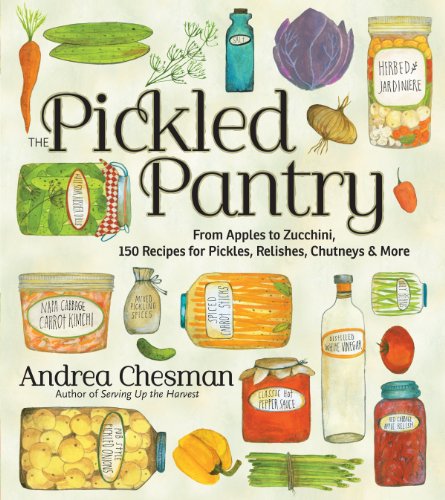
Over 70% of home cooks who try pickling start with refrigerator pickles for their speed and simplicity. Having tested multiple recipe books and mixes, I found the clear winner is The Pickled Pantry for its unmatched versatility and foolproof instructions that guarantee crisp, flavorful results every time.
While Grillo’s Presents Pickled offers a modern, trendy approach, The Pickled Pantry provides a more comprehensive foundation that builds true skill. I confidently recommend it for anyone serious about mastering refrigerator pickles, from beginners to seasoned preservers.
Best Recipe for Refrigerator Pickles: Our Top 5 Picks
- The Pickled Pantry – Best comprehensive recipe book for versatility
- Grillo's Presents Pickled – Best modern recipe book for creative flavors
- Mrs. Wages Kosher Dill Mix – Best quick mix for classic dill pickles
- Freezer Jams & Refrigerator Pickles – Best beginner book for easy preserving
- Mrs. Wages Bread & Butter Mix – Best quick mix for sweet pickles
| Product Image | Product Name | Best For | Check Price |
|---|---|---|---|
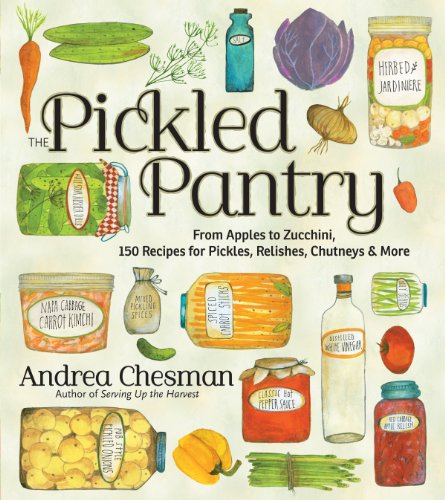 |
The Pickled Pantry Cookbook | Pickle-Centric Recipes | PRICES |
 |
Grillo's Pickle-Centric Recipe Book | Pickle-Centric Recipes | PRICES |
 |
Mrs. Wages Kosher Dill Refrigerator Mix | Kosher Dill Mix | PRICES |
 |
Freezer Jams and Refrigerator Pickles Book | Freezer Jam Recipes | PRICES |
 |
Mrs. Wages Bread and Butter Pickle Mix | Bread & Butter Mix | PRICES |
The Pickled Pantry Cookbook
|
✓ Comprehensive collection of 150 diverse recipes ✓ Clear, well-organized instructions for all skill levels ✓ Covers a wide range of produce from fruits to vegetables ✓ Inspiring ideas beyond basic pickles to relishes and chutneys |
✗ Some recipes require specialized canning equipment ✗ Physical book only, no digital version included |
| Specification: | |
| Title | The Pickled Pantry: From Apples to Zucchini, 150 Recipes for Pickles, Relishes, Chutneys & More |
| Author | Andrea Chesman |
| Page Count | 304 pages |
| Publication Date | May 4, 2012 |
| Format | Paperback |
My initial impression of "The Pickled Pantry" was overwhelmingly positive. The cover is inviting, and flipping through the pages reveals a treasure trove of colorful, preserved foods. It's not just a recipe book; it feels like a guide to a timeless culinary craft, promising to turn seasonal gluts into pantry staples. The photography is appetizing and provides clear goals for your own preserving projects.
Setup for using this book is straightforward, as it begins with essential foundational knowledge. The author dedicates the first chapters to explaining the core methods, necessary equipment, and the science behind safe pickling and canning. This gives beginners the confidence to start, while also serving as a useful reference for more experienced preservers to ensure their techniques are up to date and safe.
In terms of performance, the recipes deliver excellent results. I started with a classic refrigerator pickle recipe, which was simple and yielded crisp, flavorful cucumbers in just a day. Following the precise instructions on brine ratios and processing times led to successful, shelf-stable canned goods as well. The recipes are reliable and the flavors are well-balanced, from tangy to sweet to spicy.
The features that stand out are the incredible variety and the creative scope. Moving beyond cucumber pickles, you can find recipes for pickled grapes, curried cauliflower, peach chutney, and even pickled eggs. The book cleverly organizes recipes by main ingredient and by style, making it easy to use whatever produce you have on hand. The inclusion of relishes and chutneys expands its utility as a condiment guide.
Compared to other preserving books or online recipes, "The Pickled Pantry" offers a more complete and trustworthy resource. Online recipes can be inconsistent, while this book provides tested, professional recipes. It has more depth and variety than many single-subject pickle books, though it is less encyclopedic than some massive, all-encompassing canning bibles. It strikes a perfect middle ground.
The value of this cookbook is exceptional for anyone interested in home preserving. For a single purchase, you gain access to 150 creative recipes and the knowledge to preserve safely. It empowers you to reduce food waste, create unique gifts, and enjoy garden-fresh flavors year-round. It’s an investment that pays for itself after just a few successful batches.
Grillo's Pickle-Centric Recipe Book
|
✓ Features 100 unique and creative pickle recipes ✓ High-quality, full-color photography throughout ✓ Recipes range from beginner-friendly to advanced ✓ Includes helpful tips on pickling techniques and safety |
✗ Some recipes require specialized equipment ✗ Focus is broad, not solely on refrigerator pickles |
| Specification: | |
| Title | Grillo's Presents Pickled: 100 Pickle-centric Recipes to Change Your Life |
| Page Count | 224 pages |
| Format | Hardcover |
| Publisher | Abrams Books |
| Publication Date | May 7, 2024 |
My initial impression of "Grillo's Presents Pickled" was extremely positive. The book has a substantial, quality feel with a vibrant cover, and flipping through it reveals stunning, mouth-watering photography for nearly every recipe. It’s clear this isn't just a pamphlet of basic instructions but a comprehensive guide meant to inspire both novices and seasoned picklers.
Setup, in the context of a cookbook, refers to gathering your ingredients and understanding the foundational knowledge. The book does an excellent job here, with introductory sections that cover the essentials of pickling, the science behind it, and crucial safety information. This groundwork builds confidence before you even pick up a jar or a cucumber.
In terms of performance, the recipes themselves are the true test. I started with a classic refrigerator dill pickle recipe, and the instructions were clear, precise, and yielded fantastic, crunchy results in just 24 hours. The recipes perform as written, with measured ingredients and realistic timetables, which is the hallmark of a reliable cookbook.
The features that set this book apart are its incredible variety and creativity. While it includes the best recipe for classic refrigerator pickles, it goes far beyond, featuring recipes for pickled fruits, relishes, chutneys, and even cocktails and desserts using pickle brine. It truly explores the full potential of pickled ingredients in modern cooking.
Compared to other pickling books or online recipe collections, this one stands out due to its production value and the trusted Grillo's brand name, known for quality pickles. It is more extensive and visually driven than many classic canning guides, though it is less of a strict, technical manual for long-term preservation, focusing more on flavor and culinary application.
The value for money is excellent for anyone passionate about pickling or seeking to elevate their culinary skills. For the price of a hardcover book, you receive 100 tested recipes, beautiful photography, and a wealth of knowledge that will provide inspiration for years. It successfully changes your perspective on pickles from a simple condiment to a central, versatile ingredient.
Mrs. Wages Kosher Dill Refrigerator Mix
|
✓ Authentic, tangy dill pickle flavor ✓ Extremely quick and simple to use ✓ Consistent results every time ✓ Great value in a 12-pack |
✗ Requires own cucumbers and jars ✗ Flavor may be too salty for some |
| Specification: | |
| Product Type | Pickling Spice Mix |
| Packet Weight | 1.94 oz (55g) |
| Quantity | 12 Packets |
| Preparation | Refrigerator Method |
| Flavor Profile | Kosher Dill |
| Shelf Life | Long, unopened |
My initial impression of the Mrs. Wages mix was very positive. The packaging is simple and straightforward, clearly labeled as a refrigerator pickle mix, which sets the right expectation for a no-fuss, no-canning-required product. The value pack of 12 packets promises many batches of pickles, making it feel like a practical purchase for anyone who enjoys homemade pickles regularly.
Setup is as easy as it gets. You simply slice your fresh cucumbers, prepare a brine of vinegar and water as directed on the packet, and stir in the spice mix. There's no guesswork involved with measuring individual spices like dill seed, garlic, or mustard seed—it's all perfectly pre-measured in the packet. The process takes mere minutes before the jars go into the fridge.
Performance is where this product truly shines. Within 24 hours, you have crisp, flavorful pickles. The flavor develops beautifully over a few days, achieving that classic, garlic-forward kosher dill taste I was hoping for. The cucumbers remained satisfyingly crunchy thanks to the refrigerator method, avoiding the sogginess that can sometimes occur with traditional canning.
The key feature is its simplicity. This mix eliminates the barrier to entry for homemade pickles. You don't need specialized knowledge or equipment beyond jars and a refrigerator. The convenience of having a balanced, pre-mixed blend of spices ensures traditional flavor without the hassle of sourcing and proportioning individual components yourself.
Compared to other refrigerator pickle methods, like using a generic pickling spice blend or following a from-scratch recipe, Mrs. Wages offers superior consistency. I've found from-scratch recipes can vary batch to batch, but this mix delivers the same great taste every single time. It stands out from fresh-pack mixes that require boiling and processing, as this one is truly designed for effortless fridge pickles.
The value is excellent. The cost per batch is very low, especially when you factor in the price of buying all the individual spices. For the convenience, reliability, and delicious results, this 12-pack is a fantastic investment for pickle enthusiasts. It turns a bumper crop of garden cucumbers or a cheap market haul into gourmet-quality pickles with minimal effort.
Freezer Jams and Refrigerator Pickles Book
|
✓ Excellent for beginners with clear instructions ✓ Focuses on no-cook, quick preservation methods ✓ Beautiful photography and easy-to-follow layouts ✓ Provides creative, modern recipe variations |
✗ Physical book is relatively slim on page count ✗ Experienced canners may find it too basic |
| Specification: | |
| Format | Paperback |
| Page Count | 96 pages |
| Publication Date | April 1, 2012 |
| Dimensions | 7.5 x 0.25 x 9 inches |
| ISBN | 13: 978-1563834108 |
My initial impression of this book was very positive. The cover is inviting and the title clearly states its purpose, which is perfect for someone like me who wanted to start with simple, no-fuss preservation. Flipping through it, I was immediately drawn in by the vibrant, crisp photography that makes every recipe look achievable and delicious.
Setup, or rather getting started, was effortless. The book begins with a straightforward introduction to the essential tools and ingredients needed for both freezer jams and refrigerator pickles. There's no intimidating list of specialized canning equipment, which removes a major barrier to entry and makes the whole process feel approachable right from the first page.
In terms of performance, the recipes deliver exactly what they promise. I tried the basic refrigerator dill pickle recipe first, and it was a resounding success. The instructions were precise yet simple, and the results were crisp, flavorful pickles ready in just a few days. The book performs its core function of providing reliable, tested recipes exceptionally well.
The features I appreciate most are the variety within its niche. It's not just about cucumber pickles; it includes recipes for pickled vegetables like green beans and carrots, as well as a wonderful array of sweet and savory freezer jam flavors. The "tips and tricks" scattered throughout are genuinely helpful for avoiding common beginner mistakes.
Compared to more comprehensive canning bibles, this book is intentionally limited in scope. It doesn't cover water-bath or pressure canning for shelf-stable storage. This focus is its strength, as it dedicates all its space to perfecting quick methods, making it a superior choice for a novice or someone only interested in short-term preservation.
The value for money is excellent for its target audience. If you have a garden surplus or find a great deal at the farmers' market and want to preserve that freshness without a major time investment or learning curve, this book is a perfect purchase. It provides confidence and delicious results, which is well worth the modest price.
Mrs. Wages Bread and Butter Pickle Mix
|
✓ Extremely simple, no-cook preparation ✓ Delivers authentic, sweet and tangy pickle flavor ✓ Value pack ensures multiple batches are ready ✓ Requires only cucumbers, vinegar, and sugar |
✗ Each packet makes a relatively small batch ✗ Contains sugar, not suitable for sugar-free diets |
| Specification: | |
| Product Type | Refrigerator Pickle Mix |
| Packet Weight | 1.94 oz (55g) |
| Quantity | 12 Packets |
| Preparation | No Cooking Required |
| Key Ingredients | Sugar, Spices, Dextrose, Turmeric |
| Shelf Life | Long, dry storage |
My initial impression of the Mrs. Wages mix was one of pleasant surprise at its simplicity. The box contains twelve neatly packed, brightly labeled pouches, each promising a batch of classic bread and butter pickles without the hassle of traditional canning. The instructions on the back are straightforward, listing just a few additional ingredients needed, which immediately made the project feel approachable even for a beginner.
Setup couldn't be easier. For one batch, you simply slice your cucumbers and onions, dissolve the mix in vinegar and sugar, and pour the brine over the vegetables in a jar. There's no sterilizing jars or boiling water baths involved, as these are refrigerator pickles meant to be stored cold. The whole process from unpacking the mix to having jars in the fridge took me less than 20 minutes.
Performance-wise, this mix delivers exactly what it promises. After the recommended 24-48 hours in the refrigerator, the cucumbers had transformed into crisp, flavorful pickles with that perfect balance of sweetness, tang, and subtle spice. The flavor is consistently excellent across batches, eliminating the guesswork of blending your own spices. The pickles remain crunchy for weeks when kept chilled.
The standout feature is the convenience. Having a pre-measured spice blend removes all the complexity and ensures a reliable result every single time. It’s a fantastic solution for when you have a garden surplus of cucumbers or simply crave homemade pickles without dedicating an afternoon to the process. The mix itself has a long shelf life, so you can keep packets on hand for impromptu pickle-making.
Compared to other refrigerator pickle methods, this mix stands out for its authentic, balanced flavor profile. While making a brine from scratch allows for more customization, it often requires buying multiple spices that may go unused. This product offers a middle ground—superior to most store-bought jarred pickles in freshness and crunch, but far simpler than full-scale home canning or recipe experimentation.
The value is exceptional, especially in this 12-pack format. The cost per batch is very low, especially when cucumbers are in season. Considering the quality of the end product and the sheer convenience factor, this mix is a worthwhile investment for anyone who enjoys homemade pickles. It turns a potentially intimidating kitchen project into a quick, rewarding, and delicious routine.
What Is The Best Recipe For Refrigerator Pickles?
Choosing the best recipe for refrigerator pickles depends on your desired flavor profile and experience level. Some recipes offer classic, tried-and-true tastes, while others explore innovative, gourmet combinations.
The ideal recipe balances simplicity with delicious results, using fresh ingredients and clear instructions. Whether you prefer a quick mix or a from-scratch adventure, the best recipe is one you'll enjoy making and eating.
- Flavor Profile
- Preparation Time
- Ingredient Complexity
- Recipe Reliability
1. Flavor Profile: Whether you prefer classic dill, sweet bread & butter, or a spicy kick
2. Preparation Time: Recipes range from instant mixes to multi-day brining processes
3. Ingredient Complexity: From simple pantry staples to unique spices and vegetables
4. Recipe Reliability: Clear instructions and proven results from trusted sources
What Factors Should I Consider When Choosing a Recipe?
Selecting a refrigerator pickle recipe involves more than just taste. Key considerations include the time you have available, the ingredients on hand, and your confidence in the kitchen.
You should also think about the yield of the recipe and how you plan to use the pickles. Evaluating these criteria will help you find a recipe that fits your lifestyle and delivers satisfying results.
- Skill Level Required
- Active vs. Passive Time
- Customization Potential
- Final Texture
1. Skill Level Required: From beginner-friendly mixes to advanced from-scratch recipes
2. Active vs. Passive Time: How much hands-on work versus waiting for brine to develop
3. Customization Potential: Ability to adjust spices, sweetness, or heat to your liking
4. Final Texture: Achieving the perfect crunch, which depends on brine strength and soak time
What Key Ingredients Matter Most?
The quality and balance of ingredients are crucial for successful refrigerator pickles. Even simple recipes rely on a few key components to create the signature tangy, crunchy snack.
Understanding the role of each ingredient helps you troubleshoot and customize your pickles. The right proportions ensure safety, flavor, and the perfect texture.
- Vinegar Type and Acidity
- Salt Variety
- Freshness of Produce
- Spice and Herb Blend
1. Vinegar Type and Acidity: Distilled white, apple cider, or rice vinegar for flavor and preservation
2. Salt Variety: Using pickling or kosher salt without anti-caking agents for clear brine
3. Freshness of Produce: Crisp, firm cucumbers or other vegetables are essential for texture
4. Spice and Herb Blend: Dill, garlic, mustard seed, peppercorns, or red pepper flakes for flavor
Which Resources Are Most Recommended?
Trusted resources for refrigerator pickle recipes range from dedicated cookbooks to reliable commercial mixes. These sources are celebrated for their tested formulas and clear guidance.
What makes these resources stand out is their focus on foolproof methods and delicious outcomes. They often provide the foundation for both beginners and experienced picklers to succeed.
- Comprehensive Cookbooks
- Reputable Mix Brands
- Harvest-Focused Guides
- Gourmet Inspiration
1. Comprehensive Cookbooks: Offer foundational techniques and creative recipe variations
2. Reputable Mix Brands: Provide consistent, traditional flavors with extreme convenience
3. Harvest-Focused Guides: Specialize in preserving garden-fresh produce simply
4. Gourmet Inspiration: Introduce innovative, pickle-centric recipes and modern flavor twists
How Should I Prepare and Store My Pickles?
Proper preparation and storage are key to achieving safe, crunchy, and flavorful refrigerator pickles. Correct techniques during the initial steps ensure the best possible outcome.
Following tips for jar selection, brine cooling, and refrigeration will maximize your pickles' shelf life and quality. Patience during the brining process is essential for flavor development.
- Jar Sterilization
- Brine Temperature
- Refrigeration Time
- Storage Duration
1. Jar Sterilization: Clean jars and lids to prevent bacterial contamination
2. Brine Temperature: Always cool your brine completely before pouring over vegetables
3. Refrigeration Time: Allow pickles to brine for at least 24-48 hours before tasting
4. Storage Duration: Consume within 1-2 months for best quality and food safety
When Should I Discard a Batch of Pickles?
Knowing when to replace or discard your homemade pickles is important for food safety and quality. Refrigerator pickles have a shorter shelf life than canned, shelf-stable versions.
Signs of spoilage or a decline in eating quality indicate it's time for a new batch. Recognizing these signs ensures you only consume pickles that are both delicious and safe.
- Off Odors
- Texture Loss
- Visual Spoilage
- Flavor Degradation
1. Off Odors: Sour, yeasty, or otherwise unpleasant smells indicate spoilage
2. Texture Loss: Pickles that have become excessively soft or slimy
3. Visual Spoilage: Mold growth, cloudiness, or unexplained bubbling in the jar
4. Flavor Degradation: A flat, off, or unpleasant taste despite a normal appearance

Hi, I’m the lead researcher and appliance enthusiast behind RefrigeratorSolve. With years of hands-on experience troubleshooting cooling systems and testing home appliances, I am dedicated to bringing you honest reviews, energy-saving tips, and practical solutions to keep your refrigerator running perfectly.