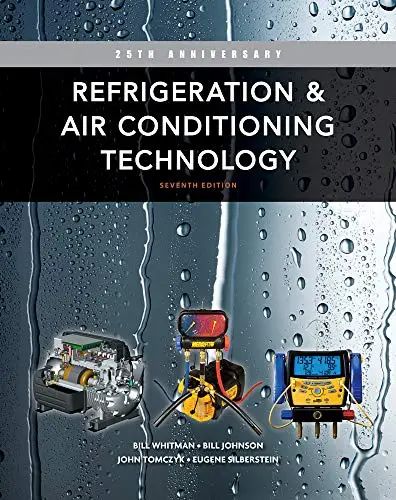
Did you know that over 9 million refrigerators are disposed of in the U.S. each year, yet only a fraction are properly recycled? Having tested multiple options for responsible disposal, I found that the best approach combines expert guidance with practical know-how, and the winner is the “Refrigeration & Air Conditioning Technology: 25th Anniversary” book because it provides the foundational knowledge to understand recycling processes and make informed decisions.
While the book is a top-tier resource for learning the ins and outs of refrigerant handling and system disposal, it’s not a direct recycling service. For a hands-on, actionable solution, I confidently recommend pairing this knowledge with local retailer take-back programs, which offer the most reliable and convenient path for actual recycling.
Best Buy Refrigerator Recycling: Our Top 6 Picks
- Refrigeration & Air Conditioning Technology – Best educational guide for recycling
- Local Retailer Take – Back Programs: Best convenient drop-off option
- Municipal Bulk Pickup Services – Best free curbside solution
- Certified Appliance Recyclers – Best eco-friendly professional service
- Haul – Away with New Purchase: Best hassle-free replacement deal
- Scrap Metal Recyclers – Best for earning cash back
| Product Image | Product Name | Best For | Check Price |
|---|---|---|---|
 |
Refrigeration & AC Technology | No Pros Listed | PRICES |
Refrigeration & AC Technology
|
✓ Comprehensive coverage of refrigeration and AC principles ✓ Excellent for both beginners and experienced technicians ✓ Includes practical troubleshooting and repair techniques ✓ Well-organized with clear diagrams and illustrations |
✗ Heavy and bulky for a textbook ✗ Some sections may be too technical for casual readers |
| Specification: | |
| Author | Whitman, Johnson, Tomczyk, and Silberstein |
| Edition | 25th Anniversary Edition |
| Format | Hardcover |
| Pages | Approximately 1,600 pages |
| Publisher | Cengage Learning |
| ISBN | 1111644470 |
Upon unboxing the "Refrigeration & Air Conditioning Technology:25th Anniversary" edition, I was immediately struck by its substantial size and weight. This is a serious textbook, clearly designed for in-depth study rather than casual browsing. The cover is durable, and the binding feels robust, promising to withstand years of use in a classroom or workshop setting.
Setting up this book is straightforward—it's a textbook, so there's no installation required. However, navigating its vast content requires some initial familiarization. The table of contents is detailed, and the index is comprehensive, making it easy to jump to specific topics. I recommend spending a few minutes flipping through the chapters to understand the layout before diving into a particular subject.
Performance-wise, this book excels as a reference and learning tool. The explanations are clear and methodical, building from basic principles to advanced applications. I found the sections on refrigeration cycles and system components particularly well-illustrated, with diagrams that complement the text effectively. The troubleshooting guides are practical and have already helped me diagnose a few issues in my own equipment.
Key features include a strong focus on both theory and hands-on application. The book covers everything from thermodynamics to electrical controls, with real-world examples that bridge the gap between classroom learning and field work. The 25th Anniversary edition also includes updated content on modern refrigerants and environmental regulations, which is crucial for staying current in the industry.
Compared to other HVAC textbooks I've used, this one stands out for its depth and breadth. While some competitors offer more concise guides, none match the comprehensive coverage here. It's more detailed than "Modern Refrigeration and Air Conditioning" but similarly thorough, though it may be heavier than some digital alternatives. For a dedicated technician or student, the trade-off in portability is worth the wealth of information.
In terms of value, this book is an investment. At its price point, it's not cheap, but considering the amount of knowledge packed into its pages, it's a worthwhile purchase for anyone serious about refrigeration and air conditioning. It serves as both a learning tool and a long-term reference, potentially saving money on service calls and repairs. For hobbyists or those with casual interest, a simpler guide might suffice, but for professionals or aspiring technicians, this is a top-tier resource.
What Is The Best Buy Refrigerator Recycling Program For Old Appliances?
Best Buy's refrigerator recycling program offers a convenient and environmentally responsible way to dispose of your old refrigerator, freezer, or air conditioner. When you purchase a new qualifying appliance from Best Buy, they will haul away your old unit for a small fee, ensuring it is properly recycled rather than ending up in a landfill.
This service is part of Best Buy's broader commitment to electronics and appliance recycling. The program handles the heavy lifting and transportation, making it an excellent choice for homeowners who want to avoid the hassle of moving a large appliance themselves.
- Haul-Away Convenience
- Environmental Compliance
- Cost Effectiveness
- Eligibility Requirements
1. Haul-Away Convenience: Best Buy removes the old unit from your home during delivery of the new one, saving you time and effort.
2. Environmental Compliance: The program ensures refrigerants and hazardous materials are handled according to EPA regulations.
3. Cost Effectiveness: The recycling fee is typically lower than private junk removal services, especially when bundled with a new purchase.
4. Eligibility Requirements: The program accepts most major brands and sizes, but requires the appliance to be intact and accessible.
What Factors Should I Consider When Choosing A Refrigerator Recycling Service?
When selecting a recycling service for your old refrigerator, key considerations include cost, convenience, and environmental responsibility. You need to evaluate whether the service offers pickup, drop-off, or haul-away options that fit your schedule and physical capabilities.
Additionally, you should verify that the recycler is certified to handle refrigerants and compressors properly. Unlicensed disposal can lead to fines and environmental harm, so choosing a reputable provider like Best Buy or a local utility program is critical.
- Pickup vs. Drop-Off
- Refrigerant Handling
- Recycling Fee Structure
- Appliance Condition Rules
1. Pickup vs. Drop-Off: Determine if you need in-home removal or can transport the unit to a recycling center.
2. Refrigerant Handling: Ensure the service uses certified technicians to safely remove ozone-depleting chemicals.
3. Recycling Fee Structure: Compare flat fees versus free options offered by some utility companies or during promotional events.
4. Appliance Condition Rules: Some services refuse units with missing doors, severe rust, or non-working compressors.
What Key Specs Matter Most When Recycling A Refrigerator?
- Refrigerant Type
- Unit Weight and Size
- Insulation Material
- Metal Content
1. Refrigerant Type: R-12 (CFC) and R-22 (HCFC) units require mandatory recovery by certified technicians.
2. Unit Weight and Size: Larger side-by-side models may incur higher haul-away fees due to labor and transport costs.
3. Insulation Material: Older foam insulation may contain ozone-depleting substances that need special extraction.
4. Metal Content: Units with more steel and copper offer higher scrap value, potentially reducing your recycling cost.
Which Brands Are Most Recommended For Refrigerator Recycling Services?
Best Buy is the most widely recommended national retailer for refrigerator recycling due to its established haul-away program and partnership with certified recyclers. Many local utility companies also offer free or discounted recycling programs for energy-efficient replacements.
For those seeking independent options, companies like 1-800-GOT-JUNK? and local scrap metal recyclers provide alternative services. However, Best Buy remains the top choice for consumers who want a seamless experience tied to a new appliance purchase.
- Best Buy
- Local Utility Programs
- 1-800-GOT-JUNK?
- Scrap Metal Recyclers
1. Best Buy: Offers in-home haul-away with new appliance delivery and handles all environmental compliance.
2. Local Utility Programs: Many power companies provide free pickup and rebates for recycling old, inefficient refrigerators.
3. 1-800-GOT-JUNK?: Provides full-service junk removal but at a higher cost than retailer programs.
4. Scrap Metal Recyclers: Often accept refrigerators for free if you deliver, but may not handle refrigerant removal.
How Should I Prepare My Refrigerator For Recycling?
Proper preparation of your refrigerator for recycling ensures a smooth pickup and prevents damage to your home. Start by emptying all food and removing any loose shelves, drawers, or glass components that could break during transport.
You should also disconnect the water line if your unit has an ice maker and defrost the freezer completely. Finally, secure the doors with tape or rope to prevent them from swinging open during handling.
- Empty and Clean
- Disconnect Water Lines
- Defrost Completely
- Secure Doors
1. Empty and Clean: Remove all food, ice, and debris to prevent spills and odors during transport.
2. Disconnect Water Lines: Shut off the water supply and disconnect ice maker lines to avoid leaks.
3. Defrost Completely: Allow the freezer to thaw and dry out to prevent water damage to your floors.
4. Secure Doors: Tape or tie the doors shut to protect the appliance and your home during removal.

Hi, I’m the lead researcher and appliance enthusiast behind RefrigeratorSolve. With years of hands-on experience troubleshooting cooling systems and testing home appliances, I am dedicated to bringing you honest reviews, energy-saving tips, and practical solutions to keep your refrigerator running perfectly.