
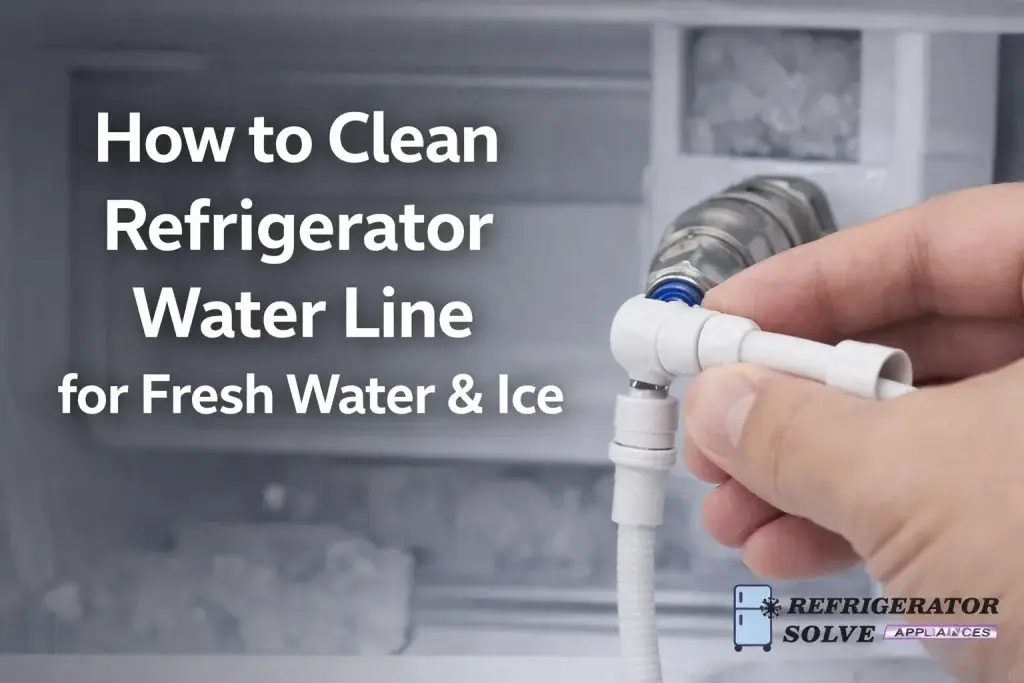
How to clean refrigerator water line” means a process for flushing and sanitising the tubes that deliver water to your fridge’s dispenser and ice maker. It matters because buildup of minerals, sediment, or bacteria can affect taste, flow, and safety.
Have you ever poured a glass of water from your fridge only to notice an odd taste, smell, or slow flow? I get it — that sluggish stream or funky flavour is frustrating and makes you question whether your fridge is really giving you clean water. I’m someone who’s helped dozens of homeowners and renters across the USA, UK, Canada, and Australia tackle this very issue. You don’t need complicated tools or professional help to fix it.
In this article, I’ll show you exactly how to clean refrigerator water line step by step, including why it matters and how often to do it. By the end, you’ll feel confident inspecting, flushing, and keeping that water line fresh — just like sipping water should be.
Common Problems and Simple Solutions
1. Bad Taste or Smell from Water or Ice
What’s happening:
Sediment, minerals, and stale water can accumulate in the water line over time. Even with a filter, these particles can cling to the tubing, especially behind the scenes.
Quick solution:
Clean the water line with a vinegar or gentle cleaning solution flush. A few cups of distilled white vinegar run through the line will help dissolve buildup and improve taste immediately. Clamp off and let it soak (10–20 minutes), then rinse thoroughly.
Real‑world example:
In parts of Canada where hard water is common, people often notice this issue sooner because mineral deposits build up faster.
2. Slow Water Flow from the Dispenser
What’s happening:
Mineral deposits or debris can clog up narrow sections of the line or even the fridge’s internal reservoir.
Quick solution:
Disconnect the line and flush it thoroughly using a funnel or turkey baster filled with cleaning solution. Rinse with clean water until flow returns to normal.
Regional tip:
In the USA, municipal water often has chlorine and minerals that can speed up buildup if not cleaned periodically. In the UK and Australia, water hardness varies by region, so check more often if you notice slow flow.
3. Unpleasant or Cloudy Ice
What’s happening:
Your ice maker pulls from the same water line, so any buildup or stale water impacts ice quality too.
Quick solution:
After cleaning and flushing your water line, run 1–2 batches of ice and discard them to clear out residual cleaning solution or stale water.
Real‑world example:
Friends in Sydney told me cloudy ice stopped after they deep‑cleaned their line and replaced their filter — a double win.
What You Need to Know Before You Start
“Every home water system is slightly different, so match your fridge model’s instructions with general cleaning steps to avoid damage.” — Michael Rubino, Indoor Air Quality Expert
Cleaning the water line is not just about taste, it’s about maintaining hygiene and performance. Water that stagnates or sits too long in plastic tubing can encourage bacteria or mold growth if ignored.
Tools and Supplies You’ll Need
- Bucket or bowl
- Screwdriver or wrench
- Distilled white vinegar or gentle water line cleaner
- Plastic funnel or turkey baster
- Clean cloths and towels
- A few gallons of clean water for rinsing
Step‑by‑Step Guide: How to Clean Refrigerator Water Line
1. Turn Off Power and Water
Safety first — switch off the fridge at the plug and shut off the water supply. This stops leaks and avoids electrical issues.
2. Disconnect the Water Line
Locate the water shut‑off valve (often behind your fridge or under the sink), turn it off, then detach the line at the fridge’s inlet. Place a bucket underneath to catch residual water.
If you live in a small apartment in London or Melbourne, the shut‑off might be tucked under a nearby cabinet rather than behind the fridge.
3. Prepare Your Cleaning Solution
Mix equal parts distilled white vinegar and warm water. Vinegar is safe, food‑grade, and dissolves mineral deposits well. You can also use a non‑toxic bicarbonate‑based cleaner if you prefer.
4. Flush the Line With Cleaning Solution
Attach your funnel or use a turkey baster to push the cleaning solution through the line. Seal the ends with clamps and let it sit for about 10–20 minutes so the vinegar breaks down buildup.
5. Rinse Thoroughly
Release the clamp and let the vinegar run out into your bucket. Then flush with clean water until water runs clear and tastes normal. Typically, you’ll run 1–2 gallons (Australia/UK: 4–8 litres) of water for a complete rinse.
6. Reconnect and Test
Reattach the water line, turn the water back on, plug in the fridge, and run the dispenser. Throw out the first few glasses and batches of ice before drinking or using.
“Regular cleaning and inspection of appliance water lines can extend service life and prevent costly repairs due to blocked or contaminated tubing.” — Melissa Maker, Cleaning Expert and Founder, Clean My Space
How Often Should You Clean Your Water Line?
Most experts recommend cleaning your refrigerator water line every 6–12 months depending on use and water quality in your area. If your water smells or tastes off sooner, clean earlier.
In homes with hard water in Calgary or Brisbane, you might clean more often. In areas with very soft municipal water (some parts of the UK), issues may arise less frequently.
Don’t Forget the Filter
Your fridge’s water filter plays a key role in reducing contaminants that end up in the line. Check and replace it regularly as recommended by the manufacturer. According to data from NSF International, independently certified filters help ensure the water you drink meets safety standards.
Tip: Always start with a fresh filter before flushing the line to avoid reintroducing contaminants back into your cleaning routine.
Signs It’s Time to Clean or Check Your Water Line
- Strange taste or smell in water or ice
- Slow flow from water dispenser
- Cloudy or spotted ice cubes
- Visible buildup at water nozzles
- Filter overdue for replacement
Frequently Asked Questions
How often should I clean my refrigerator water line?
Cleaning every 6–12 months is recommended, but if you notice strange tastes, smells, or slow flow sooner, clean earlier. Regular maintenance keeps water fresh and reduces bacteria risks.
Is vinegar safe to use in the water line?
Yes — distilled white vinegar is a food‑safe cleaning agent that dissolves mineral buildup without harsh chemicals. Rinse thoroughly afterwards.
Will cleaning the water line affect the water filter?
No — as long as you rinse completely and run clean water through the system after cleaning, your filter will continue working as intended.
Can I use bleach or strong chemicals?
It’s best to avoid bleach or harsh cleaners in water lines, as residues can be hard to flush out and may taste unpleasant. Vinegar or mild cleaners are safer options.
Should I hire a professional?
If you’re unsure of your fridge’s water system or suspect leaks and corrosion, consider a professional service from a qualified appliance technician. Professionals can handle tricky setups safely.
Final Thoughts
Here are the three most important points to remember about how to clean refrigerator water line:
- Turn off power and water before disconnecting your fridge line.
- Use vinegar or a gentle solution to flush and dissolve buildup.
- Rinse thoroughly and replace the filter for best water quality.
A clean water line means better‑tasting water, clearer ice, and a healthier home. Once you try this simple cleaning, you’ll notice the difference every time you pour a glass. Take a moment this weekend your future self (and your family) will thank you.

Hi, I’m the lead researcher and appliance enthusiast behind RefrigeratorSolve. With years of hands-on experience troubleshooting cooling systems and testing home appliances, I am dedicated to bringing you honest reviews, energy-saving tips, and practical solutions to keep your refrigerator running perfectly.






2 Responses