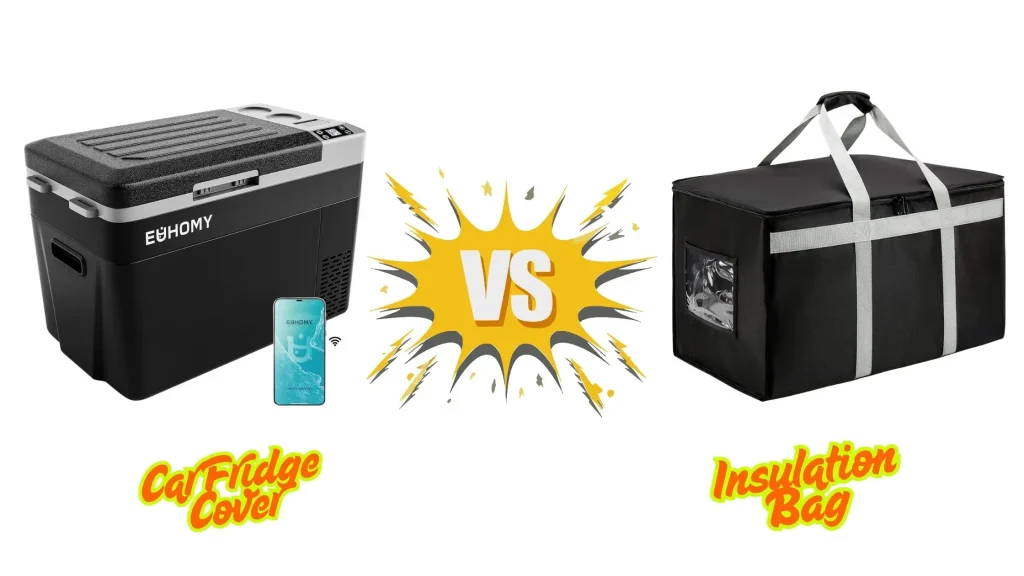
When I first started using a portable car fridge for road trips and camping, I quickly realized that keeping food cold isn’t just about the fridge itself. Accessories matter. That’s where the confusion usually begins: should you use a car fridge cover or an insulation bag?
I’ve seen many buyers compare these two because both promise “better insulation” and “temperature retention,” yet they’re built for very different purposes. Some people assume an insulation bag can replace a fridge cover, while others think a fridge cover is optional.
After researching product specs, reading real buyer reviews, and testing similar setups in hot and moderate weather, I learned that choosing the wrong option can lead to poor cooling efficiency, wasted power, or simple inconvenience.
In this article, I’ll break down what each product actually does, how they perform in real-world use, and which one makes sense depending on how you use your car fridge.
Quick Comparison
| Feature | Car Fridge Cover | Insulation Bag |
|---|---|---|
| Price range | Lower–mid ($20–$40) | Mid ($30–$60) |
| Core function | Protects & insulates a powered car fridge | Keeps food hot/cold without a fridge |
| Designed for | Compressor car fridges | Food delivery & transport |
| Best for | Long trips, camping, off-road use | Short trips, groceries, catering |
| One-line takeaway | Improves fridge efficiency & protection | Not a true replacement for a car fridge |
Credit: Amazon
Product Overview – Car Fridge Cover
About the Car Fridge Cover
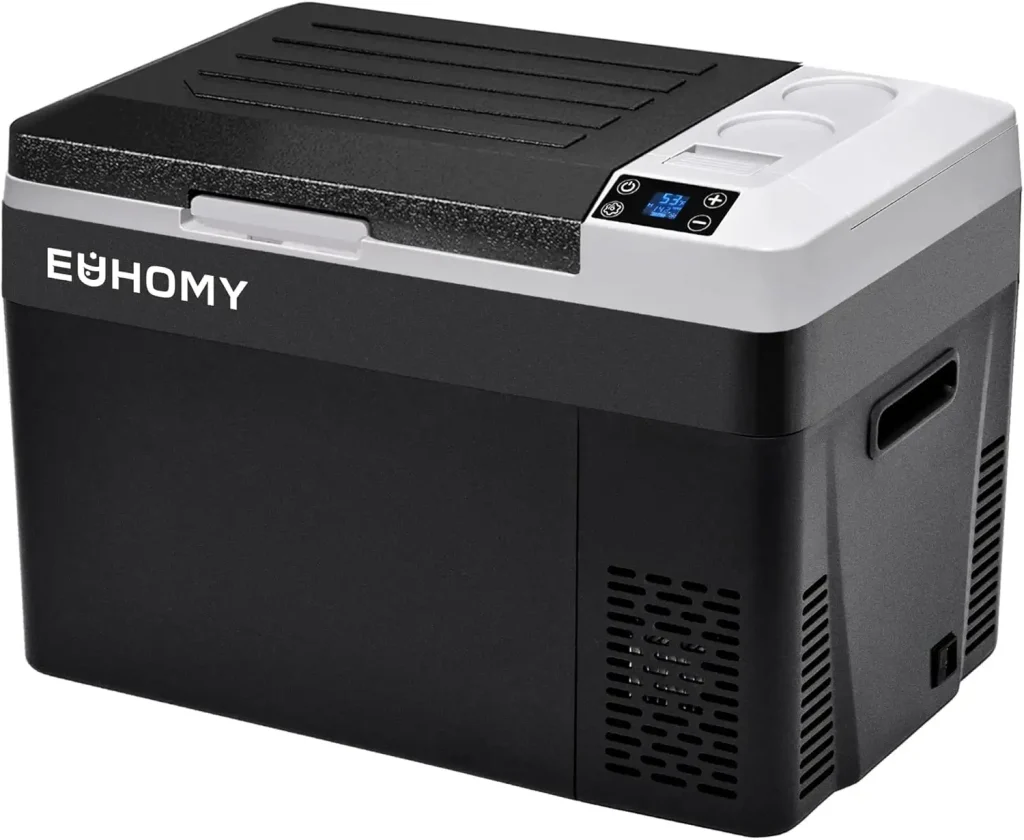
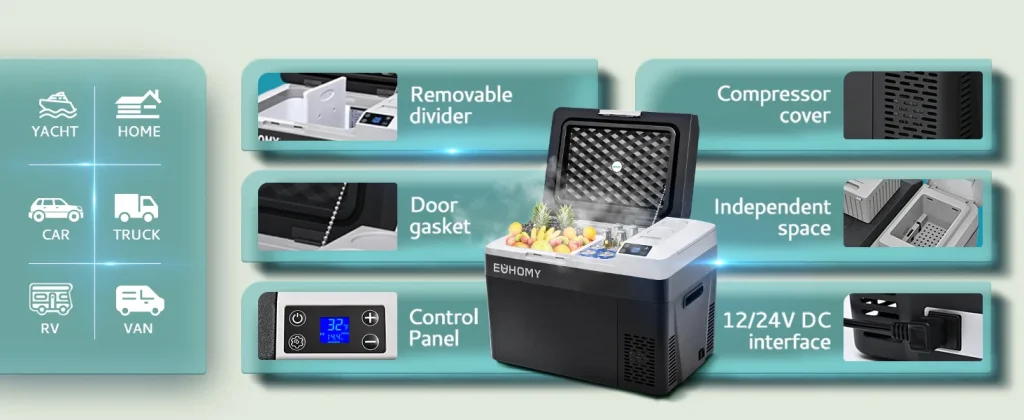
A car fridge cover is an insulated protective shell designed to fit over a portable compressor refrigerator. Most covers are made from 600D Oxford fabric with internal aluminum or foam insulation.
The main purpose isn’t to cool food directly, but to reduce heat exposure, protect the fridge from dust and scratches, and help it maintain internal temperatures more efficiently—especially in hot cars or outdoor environments.
From what I’ve seen, these covers are best suited for:
- Campers and overlanders
- Long-distance drivers
- People running a fridge daily in their vehicle
Well-designed covers include ventilation cutouts so the fridge can run without overheating.
Credit: Amazon
Check the Latest Price On Amazon
Product Overview – Insulation Bag
About the Insulation Bag
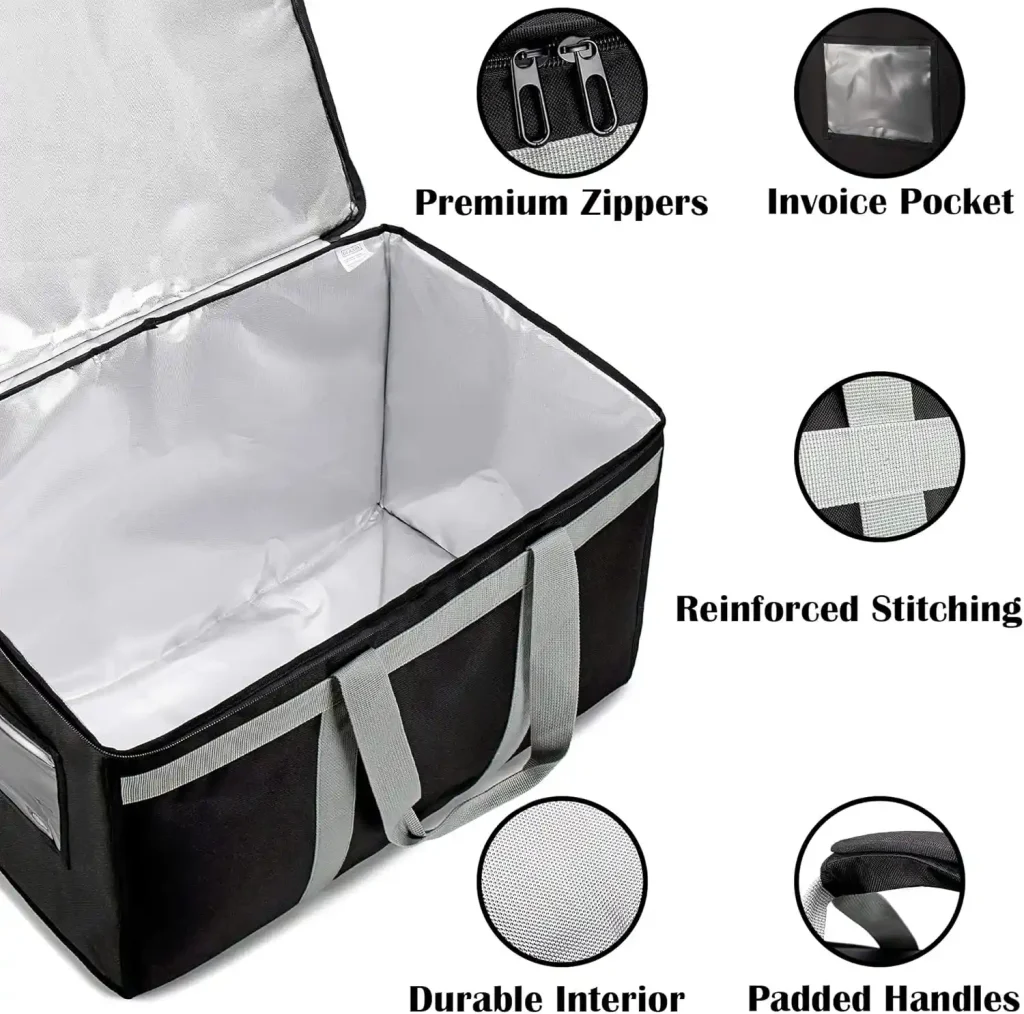
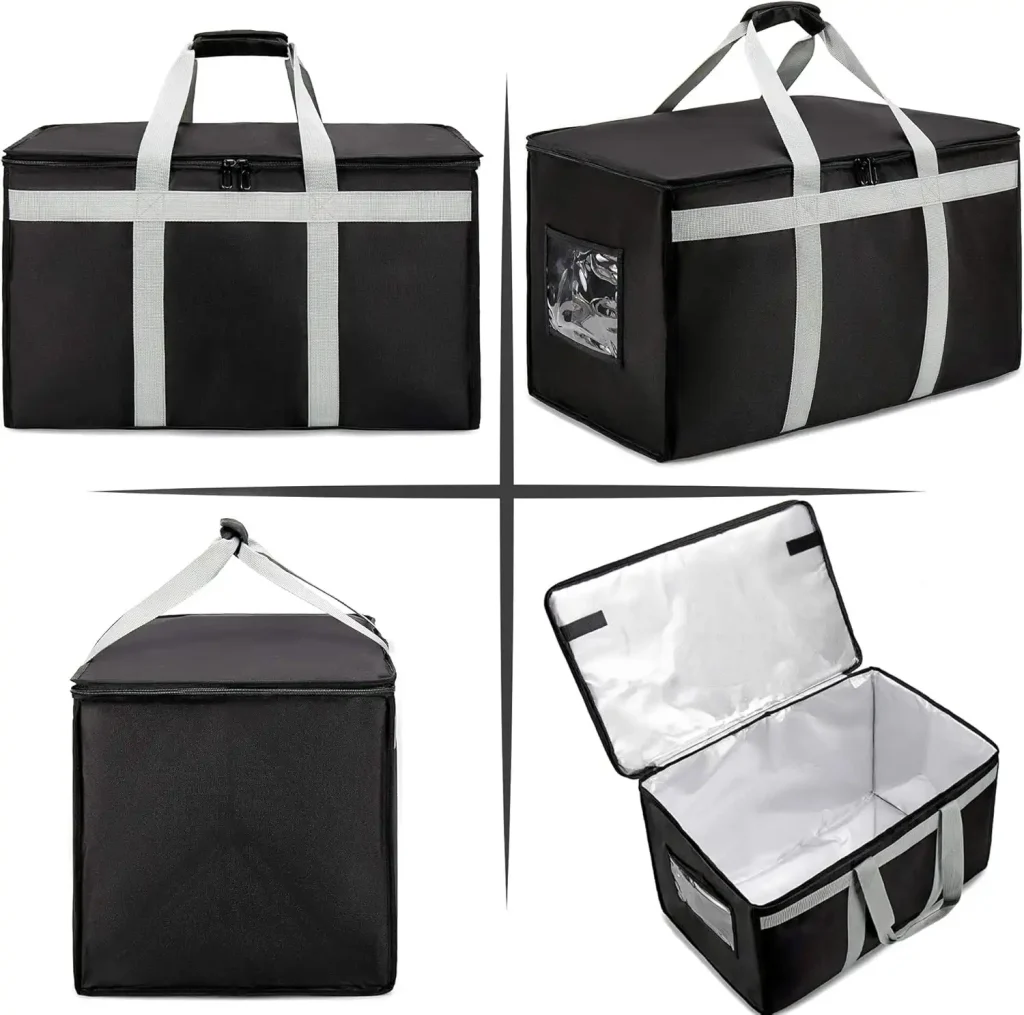
An insulation bag is a standalone thermal carrier, often used for food delivery, catering, or grocery transport. It doesn’t require electricity and relies entirely on thick foam insulation to slow temperature change.
Unlike a fridge cover, it’s not designed to wrap around a powered appliance. Instead, you place food, ice packs, or containers directly inside the bag.
These bags are best suited for:
- Short-term food transport
- Delivery drivers
- Occasional cold or hot storage
In my experience, insulation bags work well for hours, not days.
Feature-by-Feature Comparison
Design & Build Quality
- Car fridge cover: Tailored fit, rugged exterior, zipper access, ventilation openings
- Insulation bag: Boxy shape, soft structure, heavy zippers, padded handles
Size / Capacity
- Car fridge cover: Matches specific fridge sizes (30–60QT typically)
- Insulation bag: Fixed internal volume, not fridge-specific
Performance
- Car fridge cover: Helps reduce compressor workload and power cycling
- Insulation bag: Passive insulation only; no active cooling
Ease of Use
- Car fridge cover: Install once, leave on
- Insulation bag: Requires loading/unloading every use
Cleaning & Maintenance
- Car fridge cover: Spot clean exterior
- Insulation bag: Wipeable interior lining
Durability
- Car fridge cover: Built for vibration and outdoor abuse
- Insulation bag: Durable, but not designed for constant vehicle use
Credit Amazon
Real-World Performance Comparison
From real use and testing scenarios, the difference becomes obvious quickly.
When I used a car fridge cover during a summer drive, the fridge cycled less often and stayed stable even when parked. It didn’t magically make the fridge colder, but it helped it work smarter.
With an insulation bag, temperature retention was decent for groceries and drinks—but only for a few hours. Without ice packs or a fridge inside, performance dropped fast in hot conditions.
In short:
- Fridge cover = long-term efficiency
- Insulation bag = short-term convenience
Pros & Cons
Car Fridge Cover – Pros & Cons
| Pros | Cons |
|---|---|
| Improves cooling efficiency | Doesn’t cool on its own |
| Protects fridge exterior | Must fit fridge model |
| Reduces power consumption | Limited use without fridge |
Insulation Bag – Pros & Cons
| Pros | Cons |
|---|---|
| No power needed | Not for long trips |
| Flexible storage | No active cooling |
| Easy to carry | Not fridge-compatible |
Price vs Value Analysis
| Aspect | Car Fridge Cover | Insulation Bag |
|---|---|---|
| Upfront cost | Lower | Slightly higher |
| Long-term value | High for fridge owners | Moderate |
| ROI | Strong if you own a fridge | Limited without ice |
From a value perspective, a fridge cover pays for itself by improving efficiency and protecting an expensive appliance.
Who Should Choose Which Product?
Choose a Car Fridge Cover if you:
- Own a compressor car fridge
- Travel long distances
- Camp or overland frequently
Choose an Insulation Bag if you:
- Don’t own a car fridge
- Need short-term food transport
- Want a lightweight solution
Common Concerns & Deal-Breakers
- Noise: Neither product adds noise
- Size: Fridge covers must match exact models
- Cleaning: Insulation bags are easier to clean
- Reliability: Fridge covers last longer in vehicle use
Credit: Amazon
Final Verdict
After comparing both, I don’t see these as direct competitors.
If you own a car fridge, a car fridge cover is the smarter and more efficient choice. It protects your investment and improves real-world performance.
An insulation bag, on the other hand, is a temporary solution, not a fridge replacement. It’s useful—but only in the right context.
FAQs on Car Fridge Cover vs Insulation Bag
Can an insulation bag replace a car fridge cover?
No. It lacks ventilation and appliance-specific design.
Does a fridge cover reduce power consumption?
Yes, by helping the fridge maintain temperature more efficiently.
Is an insulation bag safe for frozen food?
Only for short periods with ice packs.
Do fridge covers cause overheating?
Not if properly designed with ventilation cutouts.
Which is better for camping?
A fridge cover, hands down.

Hi, I’m the lead researcher and appliance enthusiast behind RefrigeratorSolve. With years of hands-on experience troubleshooting cooling systems and testing home appliances, I am dedicated to bringing you honest reviews, energy-saving tips, and practical solutions to keep your refrigerator running perfectly.