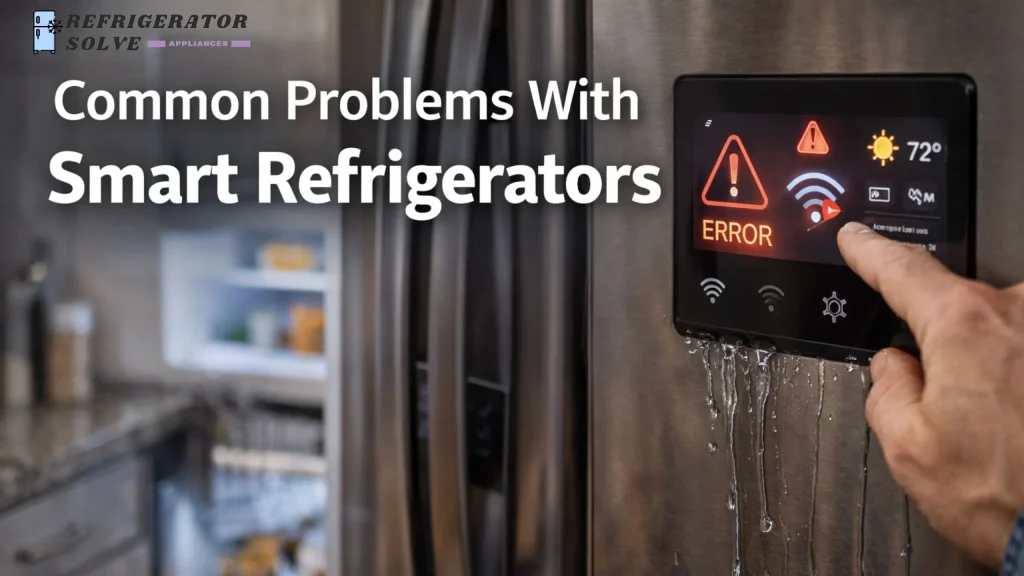
Common problems with smart refrigerators include unstable Wi-Fi connections, software glitches, inaccurate sensors, and higher repair costs. The main advantage is convenience through remote monitoring and alerts. The biggest drawback is that when software or connectivity fails, even simple fridge functions can feel unreliable.
Smart refrigerators promise convenience, control, and modern living. In theory, features like touchscreens, mobile apps, and internal cameras make food storage easier and smarter. In real life, however, many owners including people I’ve spoken with and observed run into frustrations they didn’t expect.
The issue isn’t cooling performance. Most smart refrigerators cool just fine. The problems usually come from the smart features themselves: apps, updates, sensors, and internet dependence. In this guide, I’ll clearly explain the most common problems with smart refrigerators, why they happen, and what you should realistically expect if you own one or are thinking about buying one.
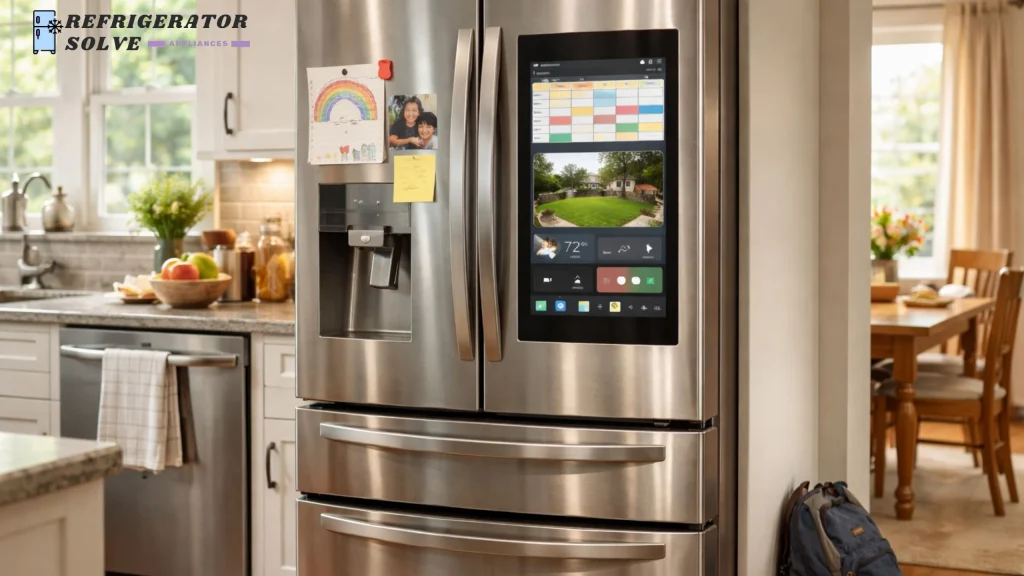
Why Smart Refrigerator Problems Matter
Smart refrigerators are expensive, long-term appliances. When problems occur, they affect more than convenience they can impact food safety, daily routines, and repair costs.
Many people struggle because they:
- Assume smart means more reliable
- Don’t expect software issues in a refrigerator
- Overestimate how often they’ll use advanced features
Choosing without understanding these downsides often leads to regret rather than satisfaction.
My Real-World Observation
From my experience reviewing user feedback and real households, a clear pattern emerges: the fridge hardware lasts, the software causes stress.
What works well:
- Power-outage and temperature alerts
- Remote temperature checks
- Diagnostic codes for technicians
What causes frustration:
- Laggy touchscreens
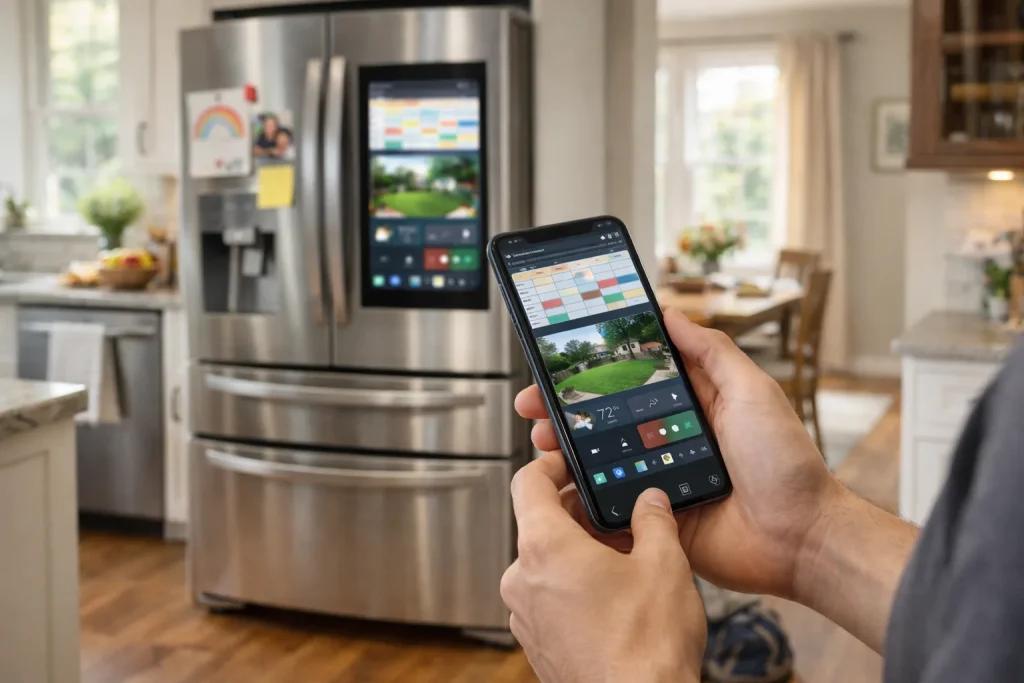
- Apps that disconnect or stop updating
- Features that stop working after software changes
A key insight many miss: even when smart features fail, the fridge still cools but owners feel disappointed because the premium features were the reason they paid more.
Main Problems With Smart Refrigerators
1. Wi-Fi and Connectivity Issues
Smart refrigerators rely on constant internet access. Common problems include:
- Frequent Wi-Fi disconnections
- App syncing failures
- Loss of smart features when offline
Homes with weak or unstable Wi-Fi experience these issues the most.
2. Software Bugs and Update Failures
Like smartphones, smart fridges depend on firmware updates. These updates can introduce:
- Frozen or unresponsive touchscreens
- App crashes
- Missing or reset features
“Any connected appliance is vulnerable to software bugs over time,” notes Consumer Reports appliance specialists, who frequently flag reliability concerns in smart models.
3. Inaccurate Temperature Sensors
Some smart refrigerators use multiple digital sensors. When they malfunction, users may see:
- Incorrect temperature readings
- False alerts
- Uneven cooling
According to the U.S. Food & Drug Administration, consistent refrigerator temperatures are essential for food safety, making sensor accuracy critical.
4. Higher Repair and Maintenance Costs
Smart refrigerators are more complex than traditional ones. As a result:
- Replacement parts cost more
- Repairs often require specialized technicians
- Electronics may fail outside standard warranty periods
This added complexity is one of the most common long-term complaints.
5. Limited Software Support Over Time
While the fridge itself may last 10–15 years, software support often doesn’t. Owners report:
- Apps becoming unsupported
- Smart features turning obsolete
- Security updates stopping
As Dr. Mark Gasson, cybersecurity researcher, explains, connected devices often outlive the software designed to support them.
6. Privacy and Data Concerns
Smart refrigerators collect usage data, diagnostics, and sometimes voice inputs. Some users are uncomfortable with:
- Cloud-based data storage
- Account-linked appliances
- Limited clarity on how data is used
While risks are generally low, privacy-conscious users often prefer simpler models.
Pros and Cons of Smart Refrigerators
| Pros | Cons |
|---|---|
| Remote monitoring and alerts | Dependence on Wi-Fi |
| Diagnostic information | Software glitches |
| Modern design | Higher repair costs |
| Smart home integration | Shorter software lifespan |
My Honest Take After Researching This
Smart refrigerators are useful but only for specific users.
Strong opinion: Cooling reliability matters more than smart features.
Caution: Don’t pay extra for features you won’t use weekly.
Recommendation: Choose smart models with fewer, well-supported features rather than overloaded systems.
Common Mistakes to Avoid
- Buying based on screens instead of cooling quality
- Ignoring Wi-Fi reliability at home
- Skipping extended warranty details
- Assuming software will be supported long-term
- Expecting smart features to replace basic habits
Who Smart Refrigerators Are Best For
Best for:
- Tech-comfortable users
- Smart home enthusiasts
- Frequent travelers who value alerts
Not ideal for:
- Users who want simplicity
- Homes with unstable internet
- Buyers focused on low long-term costs
FAQs for Common Problems With Smart Refrigerators
Do smart refrigerators fail more often?
They don’t cool worse, but they have more parts that can malfunction.
Can smart features stop working?
Yes, especially after software support ends.
Do smart fridges work without Wi-Fi?
Cooling works, but most smart features don’t.
Are repairs expensive?
Yes, electronic and software-related repairs cost more.
Conclusion
The most common problems with smart refrigerators come from connectivity, software, and long-term support—not basic refrigeration. When chosen carefully and used with realistic expectations, they can be helpful. When bought for hype alone, they often disappoint.
The smartest choice is understanding the limits first—then deciding whether the convenience is worth the complexity.

Hi, I’m the lead researcher and appliance enthusiast behind RefrigeratorSolve. With years of hands-on experience troubleshooting cooling systems and testing home appliances, I am dedicated to bringing you honest reviews, energy-saving tips, and practical solutions to keep your refrigerator running perfectly.