Have you ever wondered which fridge setting is the coldest? Many people do. Understanding which fridge setting is coldest is essential for optimal food storage.
Knowing the coldest setting helps keep your food fresh and safe.
This guide will explain fridge settings in a simple way. You will learn how to choose the best temperature.
In this guide, we will specifically address the question: Which Fridge Setting is Coldest, helping you choose the best temperature for your fridge.

What Are Fridge Settings?
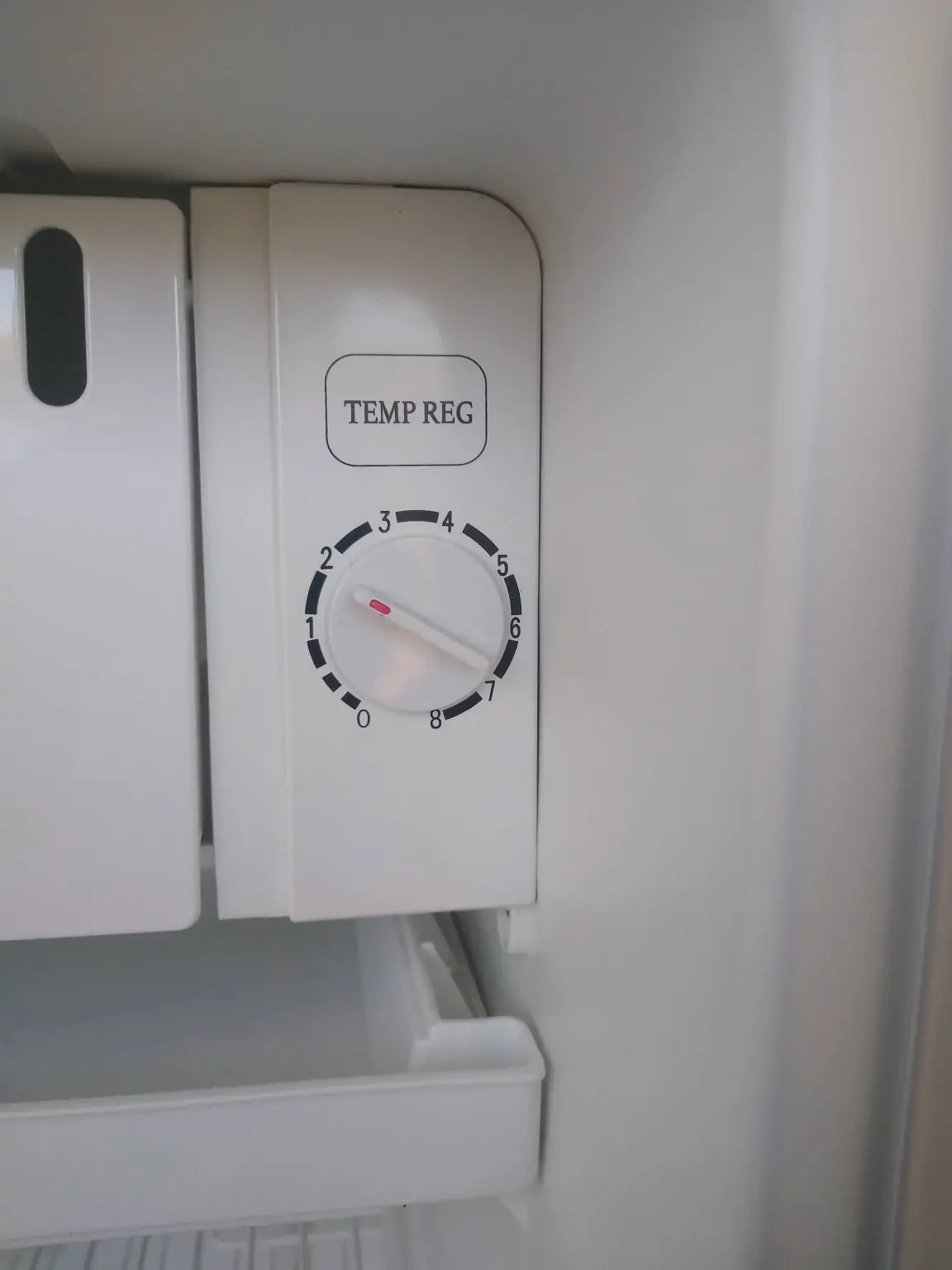
Most fridges have a control dial or buttons to set temperature.
Some show numbers, others use words or symbols like snowflakes.
These settings tell the fridge how cold to be inside.
Numbers On The Dial
The numbers usually go from 1 to 5 or 1 to 7.
A low number means a warmer fridge.
A high number means a colder fridge.
For example, setting 1 is the warmest, and 5 or 7 is the coldest.
Words And Symbols
Some fridges use words like “Cold,” “Colder,” and “Coldest.”
Others use snowflake symbols to show cold levels.
More snowflakes mean colder temperature.
Why Does the Coldest Setting Matter?
Food safety is the main reason.
If your fridge is too warm, bacteria grow fast.
This can spoil food and make you sick.
But too cold can freeze some foods and change taste or texture.
So, the coldest setting is not always the best.
What is the Ideal Fridge Temperature?
The ideal fridge temperature is between 35°F and 38°F (1.7°C and 3.3°C).
This keeps most foods fresh and safe.
Freezing usually starts at 32°F (0°C).
Going below this can freeze fresh vegetables or fruits.
Credit: www.whybuy.com.au
How to Find the Coldest Setting on Your Fridge
Look at your fridge dial or buttons.
If there are numbers, the highest number is the coldest.
If there are words or symbols, “Coldest” or the most snowflakes mean coldest.
| Control Type | Cold Level | Meaning |
|---|---|---|
| Numbers (1-5 or 1-7) | 5 or 7 | Coldest setting |
| Words | Coldest | Maximum cold |
| Symbols (snowflakes) | Most snowflakes | Coldest |
Tips for Using the Coldest Setting
- Use the coldest setting if your fridge is in a warm room.
- Check food often to avoid freezing fresh items.
- Do not set fridge too cold if you want to save energy.
- Keep the fridge door closed to keep the cold inside.
How to Check Your Fridge Temperature
You can buy a fridge thermometer for a few dollars.
Place it in the middle shelf, not near the door.
Check the temperature after 24 hours.
If it is above 38°F, turn the dial colder.
If food starts to freeze, turn it warmer.
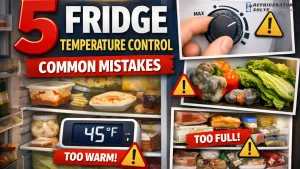
Common Mistakes About Fridge Settings
- Thinking the coldest setting is always best.
- Setting the dial to the highest number without checking.
- Ignoring the fridge temperature for weeks.
- Placing hot food inside, which raises temperature.
- Opening the door too often or leaving it open.
How Different Fridges Show Settings
Every fridge brand is different.
Some show numbers, others words or icons.
Reading the fridge manual helps a lot.
If you lost the manual, look online using your fridge model.
Example Of Fridge Settings
| Setting | Description | Temperature Range (°F) |
|---|---|---|
| 1 (Lowest) | Warmest, not cold enough for fresh food | Above 40°F |
| 3 (Medium) | Good for normal use | 35°F to 38°F |
| 5 or 7 (Highest) | Coldest setting, near freezing | 32°F to 34°F |
How Temperature Affects Food Storage
Cold slows bacteria and mold growth.
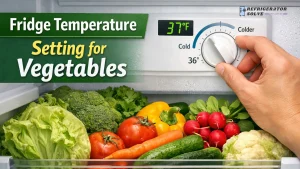
Too cold freezes some fruits and vegetables.
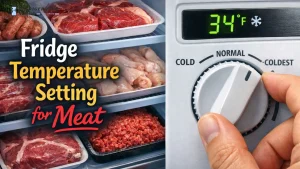
Meat should be kept cold but not frozen in the fridge.
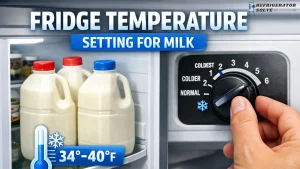
Dairy products last longer at the right cold level.
Adjusting Your Fridge for Different Seasons
Summer is warmer, so you might need a colder setting.
Winter is cooler, so a medium setting works well.
Always check the temperature with a thermometer.
Credit: www.reddit.com
Signs Your Fridge is Too Cold
- Ice forms on fresh vegetables or fruits.
- Milk or juice freezes inside the fridge.
- Food texture changes and becomes hard.
Signs Your Fridge is Too Warm
- Food spoils faster than usual.
- Milk smells sour.
- Condensation or water droplets inside the fridge.
Final Thoughts
The coldest fridge setting is usually the highest number or “Coldest.”
But coldest is not always best for every food type.
Check your fridge temperature with a thermometer.
Keep it between 35°F and 38°F for safety and freshness.
Adjust settings based on the season and room temperature.
Remember, a well-set fridge saves food and money.
Frequently Asked Questions
Is A Fridge Colder On 1 Or 5?
A fridge set on 5 is colder than on 1. Higher numbers increase cooling power and lower the temperature.
Should I Set My Fridge To 3 Or 4?
Set your fridge to 4 for colder temperatures and better food preservation. Setting it to 3 keeps it slightly warmer and less cold. Choose 4 to maintain optimal freshness and safety.
Is 7 The Coldest Setting On A Fridge?
No, 7 is usually the coldest setting on most fridges. Higher numbers mean colder temperatures. Always check your fridge manual for exact settings.
Which Is Colder, 1 C Or 7 C In The Fridge?
1°C is colder than 7°C in the fridge. Lower numbers indicate colder temperatures. Keep your fridge at 1-4°C for optimal food safety.