In the summer, I suggest setting your refrigerator to a colder setting to keep up with the warmer kitchen air. A good target is between 37°F (3°C) and 40°F (4°C), which may mean turning your dial to a higher number.
The Summer Fridge Struggle is Real. Let’s Fix It Together.
I get it. You open your fridge on a hot day, and the milk feels… suspiciously warm. The lettuce is wilting faster than usual, and you’re left wondering if you’re imagining things or if your trusty appliance is slacking off. You’re not imagining it. That summer heat doesn’t just affect you, it puts a real strain on your refrigerator.
For years, I used to just set my fridge and forget it. Summer, winter, it didn’t matter. Then I faced a summer of soggy vegetables and a surprisingly high energy bill. That’s when I decided to figure this out for good.
After talking with appliance repair folks, digging into manufacturer guides, and a lot of personal trial and error, I learned that a simple seasonal adjustment makes all the difference. It saves food, saves money, and gives you peace of mind. So, let’s talk about what fridge setting you should use in summer and why it matters so much.

Why Your Fridge Works Harder When It’s Hot
First, let’s clear up a common point of confusion. Your refrigerator doesn’t create cold. It removes heat from inside its insulated box and dumps it into your kitchen. Think of it like a pump for warmth. On a 75°F (24°C) day, that’s a fairly easy job. But on a scorching 95°F (35°C) day? It’s trying to pump heat from a cool space into an already very hot room. That’s a much tougher task.
To keep the inside at your set temperature, the compressor (the fridge’s main motor) has to run longer and more often. This leads to three big problems for you:
- Food Safety Risks: If the internal temperature creeps above 40°F (4°C), bacteria starts to multiply much faster. Your dairy, meats, and leftovers become unsafe quicker.
- Food Quality Loss: Even if it’s still safe, food spoils faster. Your berries get mushy, your greens wilt, and everything loses its fresh taste.
- Higher Electricity Bills: That compressor running constantly is the biggest user of energy in your kitchen. More runtime equals a bigger bill.
The good news? A small, informed adjustment to your settings can solve all three.
Finding Your Fridge’s “Sweet Spot” This Summer
The universal safe zone for a refrigerator is at or below 40°F (4°C), with 37°F (3°C) being ideal. The freezer should be at 0°F (-18°C). Summer is the time to aim for the colder end of that fridge range.
But here’s the tricky part: most fridge dials don’t show degrees. They show numbers, usually 1 through 5, or 1 through 7, or sometimes just a sliding bar from “Cold” to “Colder.”
This causes so much confusion! I’ve had friends swear that 1 is coldest, others insist 7 is. Let’s settle this once and for all.
For the vast majority of refrigerators: A higher number on the dial means a colder temperature setting. So, if you have a dial numbered 1 to 5 or 1 to 7, turning it towards 7 makes it colder. Setting 1 is the warmest, setting 7 (or 5) is the coldest. You can find a very helpful visual guide on what these numbers mean at Refrigerator Solve’s explanation of fridge temperature setting 1 to 7.
“An appliance is only as good as its environment. Helping it cope with seasonal changes is key to longevity and efficiency.” – James Hobbs, Appliance Technician
So, your summer move is simple: Turn the dial to a higher number than you use in winter. If you normally keep it on 3, try moving it to 4 or 5 when the heatwave hits.
Crucial Tip: Don’t just crank it to the max (7) and leave it there. That can freeze items in your fridge compartment. The goal is a slight adjustment to compensate for the heat, not to create a deep freeze.
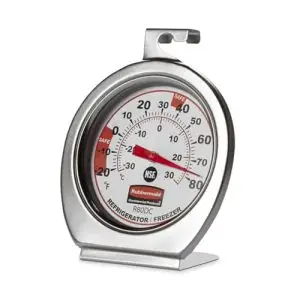
Always use a simple, standalone appliance thermometer to check! Place it in a glass of water in the center of the fridge for the most accurate reading of your food’s actual temperature.
Your Action Plan for a Cool, Efficient Summer Fridge
Changing the dial is step one. To really help your fridge, a few supportive habits make a huge difference.
- Location, Location, Location: Make sure your fridge has breathing room. If it’s crammed against a wall or cabinets, the hot air from its coils can’t escape, making it work even harder. Clean those condenser coils (usually at the back or bottom front) with a vacuum brush attachment, this alone can improve efficiency by 30%.
- Keep the Door Closed: It sounds obvious, but in summer, every time you open that door, a flood of hot, humid air rushes in. The fridge then has to work to cool and dehumidify it. Be decisive when getting things out.
- Cool Your Leftovers: Never put piping hot pots directly into the fridge. Let food cool to room temperature first (but don’t leave it out for more than 2 hours). This prevents the fridge from having to fight a huge heat load, which raises the temperature of everything else inside.
- Organize for Airflow: Don’t overpack your fridge. Cold air needs to circulate around items to keep them chilled. Blocking the vents with food is a surefire way to create warm spots.
A Quick Note on Freezers
Your freezer is part of this system, too. While its setting often changes in tandem with the fridge compartment, it’s good to check it with a thermometer as well. That 0°F (-18°C) target is non-negotiable for long-term food safety and quality.
A fuller freezer actually runs more efficiently than an empty one, as the frozen items help retain the cold. If yours is looking sparse, fill some spaces with bags of ice or ice packs.

Understanding Your Specific Model
While the “higher number = colder” rule is standard, some older or specific models can be different. The best source of truth is always your user manual. If you’ve lost it, a quick online search for your model number and “temperature control” will usually find a digital copy.
For a deep look into how these controls work, the article on refrigerator temperature control numbers is an excellent resource.
Frequently Asked Questions for What Fridge Setting Should Use in Summer
I have a French door or side-by-side fridge with digital controls. What should I do?
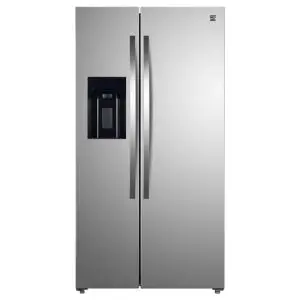
You’re in luck! These models are simpler. Just use the digital panel to set the fridge compartment to 37°F (3°C) and the freezer to 0°F (-18°C). You might find it needs to be set a degree or two lower in peak summer to maintain that temp.
Does a colder fridge setting in summer use more electricity?
It can, but it’s a necessary trade-off. A slightly colder setting helps the fridge maintain a safe temperature without the compressor cycling on and off in an extreme, inefficient way. The tips above (cleaning coils, keeping the door shut) are your best bets to offset any small increase.
What about during a power outage in summer?
Keep the doors closed! An unopened fridge will keep food cold for about 4 hours; a full freezer for about 48 hours (24 if half-full). Having a few freezer packs you can move to the fridge section can help extend this time.
I live in the UK/Australia where we use Celsius. Does the advice change?
Not at all! The science is the same. Your targets are 3°C for the fridge and -18°C for the freezer. The principle of adjusting the dial to a higher number in warmer weather is identical, whether you’re in London, Sydney, Toronto, or Los Angeles.
Is 1 or 7 colder on a fridge? I’m still confused!
This is the most common question. For clarity, on nearly all modern fridges with a numbered dial, 7 is the coldest setting. You can see a great comparison on this common question at is fridge colder on 1 or 7.
“The most reliable tool in your kitchen isn’t your knife or your stove—it’s your thermometer. Trust it, not the dial.” – Sarah Peters, Home Food Safety Specialist
Conclusion: A Small Change for Big Peace of Mind
So, what fridge setting should you use in summer? Think of it as giving your fridge a little summer help. By turning that dial to a slightly higher number aiming for that 37°F (3°C) sweet spot, you’re working with your appliance, not against it. You’ll protect your groceries, avoid waste, and help your fridge run as efficiently as it can during the toughest season.
“A well-maintained home isn’t about perfection; it’s about small, smart habits that prevent big problems later.” – Michael Unger, Home Efficiency Expert
It takes just a moment to make this change, but the benefits last all season. Grab a thermometer, check your dial, and enjoy the confidence that comes with knowing your food is safely chilled. Your fridge (and your wallet) will thank you.
For more information on energy-efficient appliance use, you can check the guidelines from the U.S. Department of Energy’s Energy Star program.
I’d love to hear from you! Did adjusting your fridge setting make a noticeable difference this summer? Do you have any other warm-weather kitchen tips? Share your thoughts in the comments.