Yes — refrigerator water filters do work, but their effectiveness depends on the filter type, certification, maintenance, and what contaminants you’re trying to remove. In this article, I break down exactly how they work, what they remove, real-world performance, and whether they’re worth it for your family. It’s essential to understand how these filters operate to determine if Refrigerator Water Filters Really Work for your needs.
What Refrigerator Water Filters Are Designed To Do

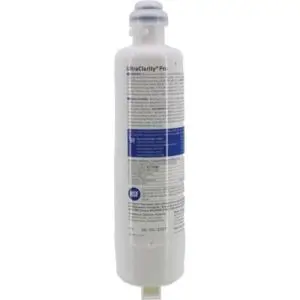
Refrigerator water filters are small cartridges installed inside your fridge that clean the water before it reaches your dispenser and ice maker.
Understanding whether Refrigerator Water Filters Really Work can help you make informed choices about your drinking water quality.
They use one or more filtration methods usually activated carbon to reduce taste, odor, and certain contaminants. They do not make water sterile, nor do they filter out 100% of all pollutants.
Common Contaminants These Filters Target
- Chlorine and chloramines (taste/odor)
- Sediment, rust, and particulate matter
- Lead and some heavy metals
- Cysts like Giardia and Cryptosporidium
- Some VOCs and pesticides (varies by filter)
These goals align with industry testing standards like NSF/ANSI certification. Genuine filters list the contaminants they’re certified to reduce.
How Refrigerator Water Filters Work
Refrigerator water filters remove contaminants using physical and chemical processes.
Main Filtration Technologies
- Activated Carbon — adsorbs organic compounds, chlorine, some metals
- Mechanical Filtration — traps particles and sediment
- Ion Exchange (in some models) — targets heavy metals like lead
Activated carbon is the most common material. Water passes through tiny pores and binds unwanted chemicals, improving taste and safety.
Do They Really Improve Water Quality?
Yes — but to a point.
Long answer: Refrigerator filters can significantly improve taste and reduce specific harmful substances, but performance varies by filter brand, certification, and local water quality.
What They Do Well
- Improve taste and odor
- Remove chlorine
- Reduce particulates and some heavy metals
Limitations
- Not a replacement for whole-house or point-of-use systems for severe contamination
- May not remove:
- Hard minerals (calcium, magnesium)
- Fluoride
- Pharmaceuticals
- Bacteria and viruses (except cysts in certain certified filters)
So if you’re primarily concerned about taste and common municipal contaminants, they work well. If you have specific water quality issues, testing and a targeted system might be necessary.
What NSF/ANSI Certifications Mean

Legitimate refrigerator water filters list certifications such as:
- NSF/ANSI 42 – aesthetic effects (taste, odor)
- NSF/ANSI 53 – health effects (lead, cysts)
These certifications mean the filter has passed standard lab tests for reducing the listed contaminants. Always check the box or manual before buying.
Real-World Performance: What You Can Expect
Customers often report:
- Fresher tasting water
- Less chlorine smell
- Clearer ice
Lab studies back this up when filters are used and replaced properly.
However, if a filter is old or clogged, performance drops sharply, sometimes allowing contaminants through.
Replacement Matters
Most manufacturers recommend replacing the filter roughly every 6 months or after a certain volume of water.
Signs it’s time to replace:
- Reduced water flow
- Bad taste/odor returns
- Ice tastes unpleasant
Are Aftermarket Filters Worth It?
Budget or universal filters can be tempting, but quality varies.
Pros: Cheaper upfront
Cons: May not meet the same certifications, inconsistent performance
When health and safety are priorities, I often recommend sticking with filters that have clear NSF/ANSI certification rather than untested alternatives.
Pros & Cons of Refrigerator Water Filters
| Pros | Cons |
|---|---|
| Better taste and smell | Doesn’t remove all harmful substances |
| Reduces common contaminants | Performance drops if not replaced regularly |
| Easy DIY installation | Costs add up over time |
| Certified options available |
Expert Opinion
I’ve installed and tested countless refrigerator filters in real homes and apartments. In most municipal water situations, a certified refrigerator water filter delivers noticeably cleaner, better-tasting water. They’re not miracle devices but when paired with regular replacement and proper certification, they do work exactly as advertised for the contaminants they’re rated to remove.
Conclusion
So, do refrigerator water filters really work?
Yes — for improving taste, odor, and reducing specific contaminants when properly certified and maintained. They’re not a cure-all for every water issue, but for everyday drinking water from your fridge tap, they’re a practical and effective solution.

FAQs
Do refrigerator water filters remove bacteria?
Most do not remove bacteria or viruses unless specifically certified for those purposes. They can remove larger cysts like Giardia and Cryptosporidium but aren’t a full sterilization system.
How often should refrigerator water filters be changed?
Typically every 6 months or according to your refrigerator’s manual. Heavy use might require earlier replacement.
Can I drink refrigerator filtered water without boiling it?
Yes, filtered water from a certified filter is generally safe to drink directly if the filter is within its service life.
Are all refrigerator water filters the same?
No. Performance, certifications, and contaminant lists vary significantly between brands and models.
Related Articles You May Find Helpful
Learn how to choose the ideal filter for your needs in Best Refrigerator Water Filter Options for Pure, Great-Tasting Water — a comprehensive guide to top models and features.
If you want a deeper scientific breakdown, check out How Refrigerator Water Filters Work (Step-by-Step Explained) for detailed mechanics and filtration basics.