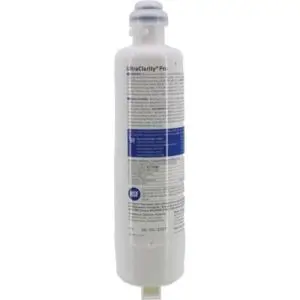
Refrigerator water filter types determine how clean your water and ice are. Choosing the right filter can improve taste, protect your health, and extend your fridge’s lifespan.
Why Refrigerator Water Filter Types Matter
Water filters inside refrigerators are more than accessories, they protect you from contaminants like chlorine, lead, and sediment. Understanding the different types helps you pick the best one for your home.

What Do Refrigerator Water Filters Do?
Every refrigerator water filter is designed to:
- Remove contaminants
- Improve taste
- Protect ice makers
- Reduce odors
Common Types of Refrigerator Water Filters
Here are the main types you’ll encounter when shopping or replacing your water filter:

1. Carbon Block Filters
Carbon block filters are among the most popular.
How They Work
- Pressurized water passes through compressed carbon.
- Contaminants stick to the carbon surface.
Benefits
- Excellent chlorine and odor removal
- Good taste improvement
- Removes many organic contaminants
Best For
- General home use
- Households that want better flavor
Limitations
- Not as effective on heavy metals without added media
2. Activated Carbon Filters
Activated carbon is similar to carbon block but less dense.
How They Work
- Water flows through loose granules of carbon.
Pros
- Inexpensive
- Effective for chlorine taste/odor
Cons
- Less contact time, so slightly lower performance
- Not ideal for heavy particulate removal
3. Reverse Osmosis (RO) Cartridge Filters
Reverse osmosis is highly effective.
How It Works
- Water is forced through a semipermeable membrane.
- Removes dissolved solids and contaminants.
Benefits
- Removes heavy metals, fluoride, and many chemicals
- Very clean water output
Drawbacks
- More expensive
- Typically requires a separate RO system
- Not every refrigerator supports RO cartridges
4. Inline Fridge Filters
Inline filters attach to the water line before entering the fridge.
Advantages
- High capacity
- Long lifespan
- Works with multiple appliances
Disadvantages
- Requires installation skill
- More space needed under the sink
Filter Materials Explained
Understanding filter materials helps you compare performance.
| Material | Removes Chlorine | Removes Lead | Improves Taste | Cost |
|---|---|---|---|---|
| Carbon Block | ✔️ | ⚠️ Some | ✔️ | $$ |
| Activated Carbon | ✔️ | ❌ | ✔️ | $ |
| RO Membrane | ✔️ | ✔️ | ✔️ | $$$ |
| Inline Multi‑Stage | ✔️ | ✔️ | ✔️ | $$$ |
How to Know Which Filter Type You Need
Answer these questions:
- Is taste your main priority? → Carbon filters excel here.
- Are contaminants like lead a concern? → Look for RO or multi‑stage filters.
- Do you want a long‑lasting filter? → Inline options are robust.
- Is cost a major factor? → Basic activated carbon filters are budget‑friendly.
Signs You Need to Replace Your Refrigerator Water Filter
Look out for these indicators:
- Slow water flow
- Bad taste or smell
- Ice with odd odor/color
- Manufacturer‑recommended time reached
How Long Do Refrigerator Water Filters Last?
Most filters last 6 months, but usage matters. Heavy usage can shorten life.
Expert Opinion
As someone who has tested dozens of refrigerator water filters, I can tell you that the filter type matters more than the brand when it comes to performance. A high‑quality carbon block filter often outperforms cheaper alternatives, and investing in a good filter not only improves taste but protects your health over time.
— By Habib khan, Refrigerator Water Filtration Specialist
Pros & Cons of Different Filter Types
| Filter Type | Pros | Cons |
|---|---|---|
| Carbon Block | Great taste and odor removal | Limited heavy metal filtration |
| Activated Carbon | Affordable | Lower overall performance |
| Reverse Osmosis | Best contaminant reduction | Higher cost |
| Inline Multi‑Stage | Excellent capacity | Installation complexity |
Refrigerator Water Filter Types: FAQs
Do all refrigerators use the same filter type?
No. Models vary, so check your manual.
Are expensive filters worth it?
Often yes — better media means cleaner water.
Can I install a filter myself?
A: Many filters are user‑replaceable, but inline/RO systems may need a plumber.
How do I dispose of old filters?
Follow local recycling rules — many filters contain recyclable components.
Conclusion
Choosing the right refrigerator water filter type makes a meaningful difference in water quality, taste, and safety. Whether you prioritize affordability, contaminant removal, or longevity, understanding your options will empower you to pick the best fit for your home.

Related Articles You May Find Helpful
For insights on selecting top models and maximizing performance:
- Learn how to pick the best fridge filter with our detailed guide at best-refrigerator-water-filter — perfect if you’re comparing features before buying.
- Understand the inner workings of these filters in how-refrigerator-water-filters-work — great background before choosing a type.
- Discover whether refrigerator water filters really make a difference in refrigerator-water-filters-really-work — backed by testing and real results.
- For a step‑by‑step buying roadmap, check refrigerator-water-filter-buying-guide— ideal for first‑time buyers.