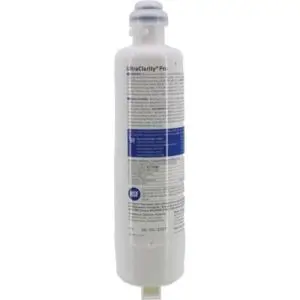
A refrigerator water filter replacement keeps your drinking water fresh, safe, and free from unpleasant taste or odor. Most experts recommend replacing the filter about every 6 months or after roughly 200–300 gallons of water use to maintain proper filtration performance.
Why Replacing Your Refrigerator Water Filter Matters
Many people forget about their fridge filter until the water tastes strange. But the filter plays a major role in protecting water quality.
A fresh filter helps:
- Remove chlorine taste and odor
- Reduce contaminants and sediment
- Improve ice clarity
- Maintain proper water flow
- Protect the refrigerator system
Over time, contaminants build up inside the filter media, which reduces effectiveness and may even allow pollutants to pass through.
How Often Should You Replace a Refrigerator Water Filter?

Standard Recommendation
| Household Usage | Replacement Time |
|---|---|
| Average household | Every 6 months |
| Large family | Every 3–4 months |
| Light usage | 6–9 months |
| Hard water areas | 3–4 months |
Most manufacturers suggest replacing the filter about every six months to keep filtration working correctly.
Also replace sooner if:
- Water flow becomes slow
- Water tastes bad
- Ice becomes cloudy
- The filter indicator light turns on
These are common signs the filter is clogged or saturated.
Where Refrigerator Water Filters Are Usually Located

Depending on the model, the filter is typically found in one of these places:
- Upper-right corner inside the fridge
- Behind the bottom grille
- Inside the back wall
- Behind a panel in the fridge ceiling
Knowing the location helps you replace it quickly without confusion.
Step-by-Step Refrigerator Water Filter Replacement

Most refrigerators follow a similar replacement process.
Step 1: Find the Filter
Open the refrigerator and locate the filter housing.
Step 2: Remove the Old Filter
Depending on the design:
- Twist counterclockwise
- Push release button
- Pull straight out
Step 3: Insert the New Filter
Align the new filter and:
- Twist clockwise
- Push until it clicks into place
Step 4: Flush the System
Run water for 2–5 minutes to remove trapped air and carbon particles.
Step 5: Reset the Filter Indicator
Press the filter reset button on the control panel.
These steps apply to most refrigerators, though specific models may vary slightly.
Signs Your Refrigerator Water Filter Needs Replacement
Sometimes the filter fails before the 6-month mark.
Common warning signs include:
- Slow water dispensing
- Bad taste or odor
- Cloudy ice cubes
- Discolored water
- Filter indicator light
These symptoms usually indicate the filter media is clogged or saturated.
Types of Refrigerator Water Filters

| Filter Type | Key Feature | Typical Lifespan |
|---|---|---|
| Activated Carbon | Improves taste & odor | ~6 months |
| Carbon Block | Better contaminant removal | 6–12 months |
| Inline Filters | External fridge systems | ~6 months |
| Reverse Osmosis | Advanced filtration | 12+ months |
Different filters have different lifespans, but most standard fridge filters fall around the 6-month replacement window.
Pros and Cons of Refrigerator Water Filters
Pros
- Cleaner-tasting water
- Reduces chlorine and contaminants
- Better ice quality
- Convenient home filtration
Cons
- Needs regular replacement
- Replacement cost over time
- Not all filters remove every contaminant
Expert Opinion
Daniel Carter – Appliance Maintenance Specialist
“In my experience, the biggest mistake homeowners make is waiting too long to change the filter. A fresh filter keeps water tasting better and prevents unnecessary strain on the refrigerator’s water system.”
Tips to Make Filter Replacement Easier
- Set a calendar reminder every 6 months
- Write the install date on the filter
- Keep a spare filter at home
- Follow the manufacturer’s manual for your model
- Flush the system properly after installation
Small habits like these ensure you never forget your filter replacement schedule.
Frequently Asked Questions
How long does a refrigerator water filter last?
Most last about 6 months or 200–300 gallons of water, depending on usage and water quality.
What happens if you don’t replace the filter?
An old filter can clog, reduce water flow, and stop removing contaminants effectively.
Can I use my refrigerator without a water filter?
Yes, many refrigerators allow bypass plugs, but the water will not be filtered.
Why is my new filter making noise or cloudy water?
This usually happens due to trapped air. Run water for a few minutes to clear it.
Do generic refrigerator filters work?
Many aftermarket filters work well if they meet NSF certification standards.
Common Mistakes People Make
Many homeowners accidentally reduce filter performance by:
- Forgetting to flush the new filter
- Installing the wrong model
- Waiting too long to replace it
- Ignoring warning signs
Avoiding these mistakes keeps your refrigerator system running smoothly.
Conclusion
Replacing your refrigerator water filter is one of the simplest ways to improve your home’s drinking water. A quick filter change every few months keeps water tasting fresh, protects your refrigerator system, and ensures proper filtration performance.
Once you get into the habit, the entire process takes less than five minutes but makes a noticeable difference in water quality.
Related Articles You May Find Helpful
If you want to learn more about refrigerator water filters and maintenance, these guides can help:
• Understanding how refrigerator filtration systems actually work: how-refrigerator-water-filters-work
• Discover which filter models deliver the best performance for your fridge: best-refrigerator-water-filter
• Learn whether refrigerator water filters really improve drinking water quality: refrigerator-water-filters-really-work
• A complete guide to choosing the right refrigerator water filter for your home: refrigerator-water-filter-buying-guide
• Explore the different types of refrigerator water filters available today: refrigerator-water-filter-types