Imagine having a refrigerator that not only keeps your food fresh but also helps you manage your groceries, suggests recipes, and even lets you peek inside without opening the door. Sounds like something from the future, right?
But this is exactly what a smart refrigerator can do for you. If you’ve ever wondered how these high-tech kitchen helpers actually work and whether they’re worth the investment, you’re in the right place. You’ll discover the inner workings of smart refrigerators, how they connect to your daily life, and what you need to know before making one a part of your home.
Ready to unlock the secrets behind this modern marvel? Let’s dive in.
Smart Fridge Basics
Smart refrigerators combine traditional cooling with modern technology. They help keep food fresh longer and make kitchen tasks easier. These fridges use sensors and internet connections to monitor contents and adjust settings automatically.
Understanding how smart fridges work starts with their core parts, sensors, and connectivity. Each part plays a key role in making the fridge smarter and more efficient.
Core Components
A smart fridge has several important parts. The cooling system works like a normal fridge. The touchscreen display allows users to control settings and check information.
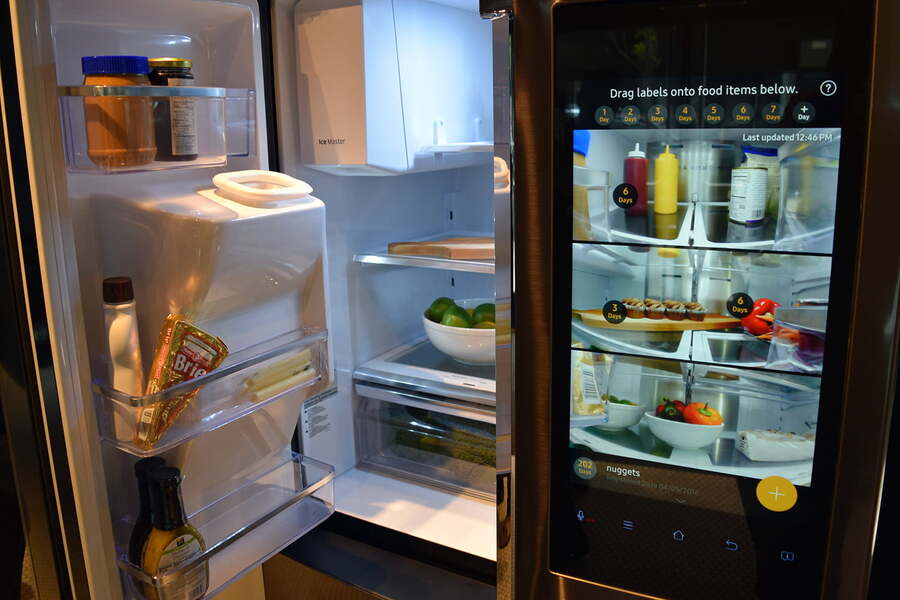
Inside, a central processor acts as the fridge’s brain. It processes data from sensors and manages the fridge’s features. Storage compartments often have cameras to see inside without opening the door.
How Sensors Work
Sensors in smart fridges track temperature and humidity levels. They ensure the fridge stays at the right conditions for different foods. Some sensors detect when the door opens or closes.
Other sensors monitor food freshness. They can tell if items are running low or about to expire. This data helps the fridge suggest shopping lists or recipes.
Connectivity Features
Smart fridges connect to the internet via Wi-Fi. This lets them sync with smartphones and other smart devices. Users can get alerts about the fridge or control it remotely.
Connectivity also allows the fridge to download software updates. These updates improve performance and add new features over time. Some models connect to voice assistants for hands-free control.
Key Technologies Inside
Smart refrigerators combine modern technology to enhance kitchen convenience. They use advanced tools to monitor, manage, and interact with your food and family. These key technologies inside transform a simple fridge into a connected kitchen helper.
Touchscreen Interfaces
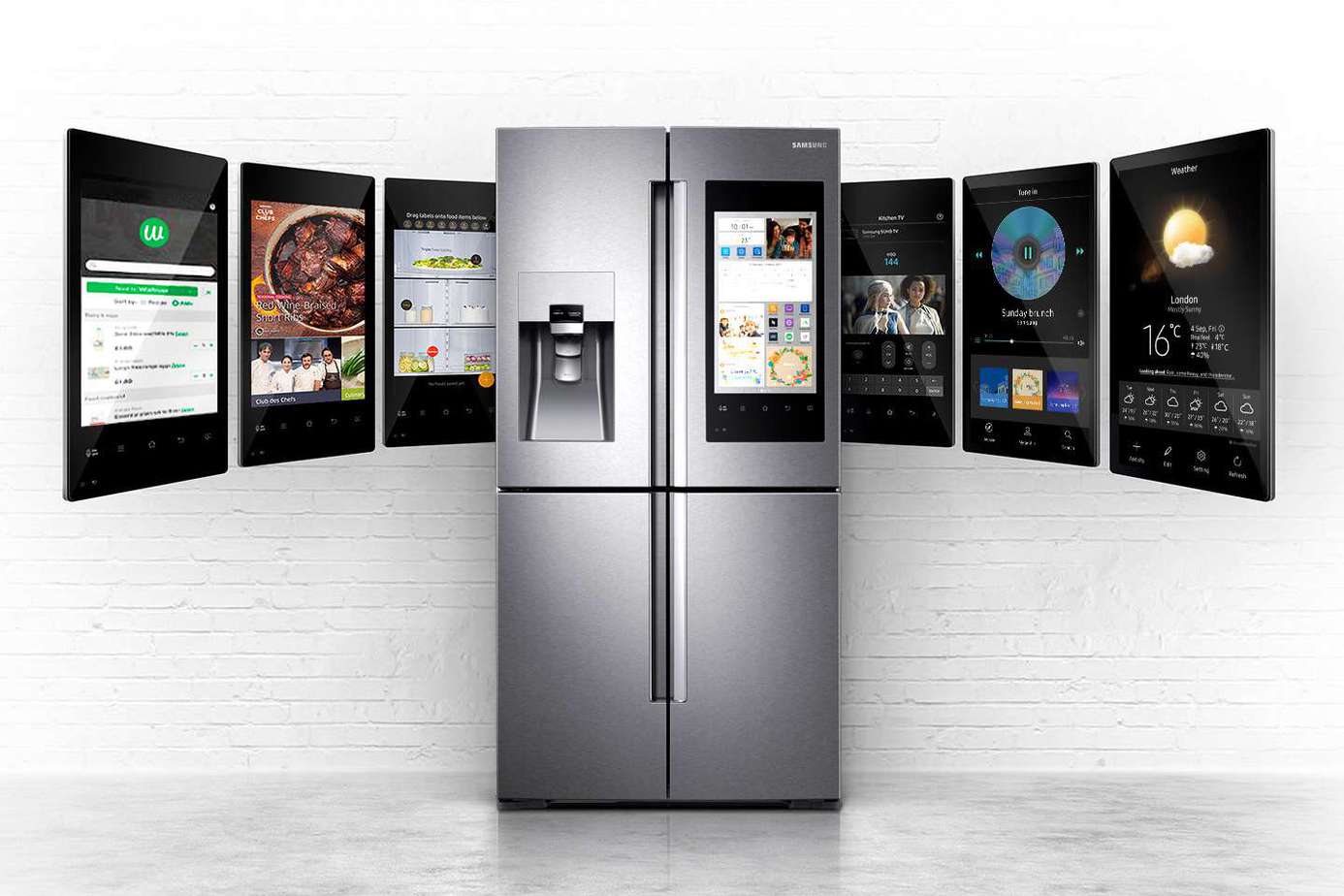
Touchscreens replace traditional buttons and knobs. They offer an easy way to control settings and view information. Users can check calendars, leave notes, or browse recipes directly on the fridge door. The screen also shows alerts about temperature or groceries. This interface is intuitive and user-friendly for all ages.
Internal Cameras
Inside the fridge, cameras capture images of stored items. These pictures update in real time and can be viewed from a phone. This helps track what food is available and what needs restocking. Cameras reduce food waste by reminding users before items expire. They also assist in meal planning by showing what ingredients are on hand.
Ai And Machine Learning
Artificial intelligence powers smart features in the fridge. AI analyzes food usage patterns to suggest shopping lists and recipes. It learns from habits to optimize cooling and energy use. Machine learning improves over time, making the fridge smarter and more efficient. This technology helps keep food fresh longer and simplifies kitchen tasks.
Remote Control And Monitoring
Smart refrigerators offer remote control and monitoring features that enhance user convenience. They connect to your home Wi-Fi, allowing you to manage and check the fridge from anywhere. This technology helps you save time, reduce food waste, and maintain better organization.
Using remote features, you can adjust settings, get updates, and even interact with the fridge without being in the kitchen. This section explains how mobile apps, voice assistants, and real-time alerts work together to keep your fridge smart and responsive.
Mobile App Integration
Smart refrigerators come with dedicated mobile apps. These apps let you control the fridge remotely using your smartphone. You can change temperature settings or switch modes with a few taps. The app also shows the inside contents through connected cameras. This feature helps you decide what to buy while shopping. You can create shopping lists and receive recipe suggestions based on available items.
Voice Assistant Compatibility
Many smart fridges support voice assistants like Alexa, Google Assistant, or Siri. You can use simple voice commands to check the fridge status or adjust settings. Ask about the temperature or add items to your shopping list hands-free. Voice control makes interacting with your fridge quick and easy. This is helpful when your hands are full or dirty.
Real-time Alerts
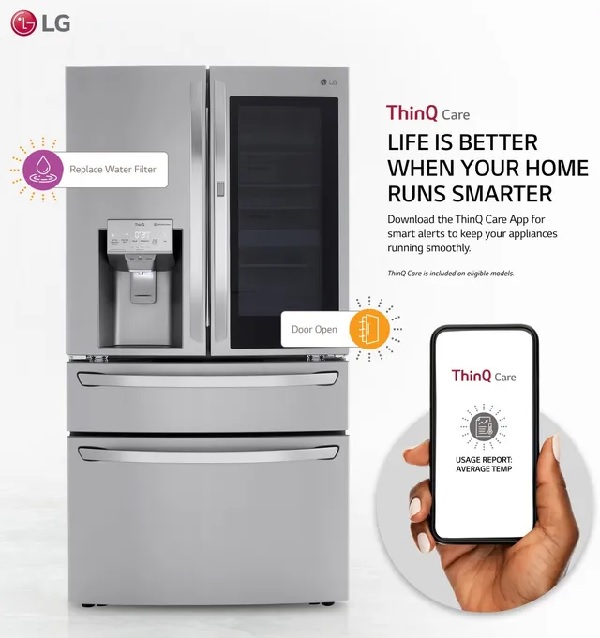
Smart refrigerators send real-time alerts to your phone. These alerts notify you about open doors, temperature changes, or filter replacements. You will know if the fridge is not cooling properly before food spoils. Alerts help you keep the fridge running smoothly and avoid costly food waste. Some models also remind you about expiration dates of stored items.
Credit: voltappliancerepair.com
Energy Efficiency Benefits
Smart refrigerators offer notable energy efficiency benefits. They use advanced technology to reduce power consumption. These fridges adjust cooling based on usage and environment. This helps lower electricity bills and supports eco-friendly living.
Smart Cooling Systems
Smart refrigerators use sensors to control cooling precisely. They detect door openings and adjust the temperature accordingly. This prevents unnecessary cooling when the fridge is open. The system also balances cooling across compartments. It keeps food fresh while saving energy.
Adaptive Temperature Control
The fridge learns your habits and adapts temperature settings. It lowers cooling during low usage times. It increases cooling when the fridge is full or hot outside. This dynamic control avoids wasting energy. It keeps food safe without overcooling.
Power Usage Tracking
Smart fridges track their energy use in real time. They provide insights through apps or screens. You can see when the fridge uses the most power. This helps identify energy waste and improve habits. Some models suggest tips to save electricity.
Security And Privacy Risks
Smart refrigerators offer convenience and advanced features, but they also come with security and privacy risks. These appliances connect to the internet and collect data, which can expose users to potential threats. Understanding these risks helps users protect their information and devices effectively.
Vulnerabilities To Hacking
Smart refrigerators connect to home networks, creating possible entry points for hackers. Weak passwords and outdated software increase the risk of unauthorized access. Hackers can exploit these vulnerabilities to control the appliance or access other devices on the network. This may lead to data theft or privacy breaches.
Data Collection Concerns
These refrigerators gather data about usage, habits, and groceries. Manufacturers may collect this information to improve services or for marketing. Users often do not fully know what data is collected or how it is used. This lack of transparency raises privacy concerns about personal information security.
Protecting Your Network
Securing your home network is crucial to protect smart appliances. Use strong, unique passwords for your Wi-Fi and device accounts. Keep the refrigerator’s software updated to patch security flaws. Consider setting up a separate network for smart devices to limit access if one device is compromised.
Common Issues And Repairs
Smart refrigerators bring many benefits but also face common issues. Understanding these problems helps users maintain and fix their devices properly. Repairs can vary from simple resets to complex technical fixes. Knowing what to expect saves time and money.
Technical Glitches
Smart refrigerators rely on many electronic parts. Screens may freeze or stop responding. Sensors that control temperature can malfunction. Software bugs sometimes cause erratic behavior. These glitches may need a factory reset or software update. Persistent problems often require professional repair.
Connectivity Problems
Wi-Fi connects smart fridges to apps and the internet. Connection drops cause features to stop working. Users may lose remote control or alerts. Routers and network settings affect connection quality. Troubleshooting includes checking Wi-Fi and rebooting devices. Some issues need expert help to fix the network module.
Repair Costs And Challenges
Repairs for smart refrigerators can be costly. Electronic parts and touchscreens cost more than regular components. Finding skilled technicians is harder than for normal fridges. Repair times are often longer due to complex systems. Some repairs may not be worth the cost, leading to replacement instead.
Cost And Value Considerations
Understanding the cost and value of a smart refrigerator helps make a smart buying decision. These appliances carry a price tag higher than regular fridges. Yet, their advanced features can offer savings and convenience over time.
Considering both the upfront cost and the long-term benefits is important. Think about how often you will use the smart functions. This balance affects the overall value you get from your purchase.
Initial Investment
Smart refrigerators cost significantly more than traditional models. Prices vary based on size and technology included. Touchscreens, cameras, and Wi-Fi add to the cost. Budgeting for these features is essential before buying. Some models may require professional installation, increasing expenses.
Long-term Savings
Energy-efficient smart fridges can reduce electricity bills. They optimize cooling based on usage patterns. Smart alerts help avoid food waste by reminding about expiry dates. Over time, these features save money. Repair costs might be higher but can be offset by energy savings.
Feature Utilization
Maximizing smart features increases the appliance’s value. Using inventory tracking and recipe suggestions adds convenience. Remote control via smartphone saves time and effort. Ignoring these features reduces the benefit of the higher cost. Choose a model with features you will actually use daily.
Credit: www.pcguide.com
Comparing Smart Vs Standard Fridges
Smart refrigerators and standard fridges serve the same basic function: keeping food fresh. Yet, their technology and features differ greatly. Comparing these two reveals key points about convenience, cost, and reliability. Understanding these differences helps decide which fridge fits your needs.
Feature Differences
Standard fridges focus on cooling and storage. They have simple controls and manual settings. Smart refrigerators add digital features like touchscreens and internet connectivity. They can track groceries and suggest recipes. Some models have cameras inside to check food remotely. Energy usage can be monitored and optimized automatically. These extras aim to make kitchen life easier.
Reliability Factors
Standard fridges are known for durability and low maintenance. They have fewer parts that can break down. Smart fridges use advanced electronics and software. This adds risk for malfunctions or software bugs. Wi-Fi dependence means features may fail if internet is unstable. Repairs are often more complex and expensive. Over time, smart features may become outdated or unsupported.
User Experience
Standard fridges offer straightforward use with no learning curve. Smart refrigerators provide interactive experiences with apps and voice commands. Users get alerts about expiry dates and temperature changes. They can control the fridge remotely via smartphones. Some users find smart fridges fun and helpful. Others may feel overwhelmed by technology or privacy concerns. Personal preference plays a big role here.
Future Of Smart Refrigerators
The future of smart refrigerators holds exciting possibilities. These appliances will become smarter, more connected, and eco-friendly. Advances in technology will enhance how they store and manage food. Consumers can expect features that improve daily life and reduce waste.
Upcoming Innovations
Future smart refrigerators will include better AI for food management. They may suggest recipes based on available ingredients. Expect improved cameras inside to track food freshness. Voice control and touchless features will become more common. Some models might even order groceries automatically.
Integration With Smart Homes
Smart refrigerators will work seamlessly with other home devices. They will connect with smart ovens, lights, and security systems. This integration allows automated kitchen routines. For example, a fridge can adjust settings based on your schedule. It will communicate with your phone for alerts and updates.
Sustainability Trends
Energy efficiency will be a top priority in new models. Refrigerators will use advanced cooling systems to save power. Materials used will be more recyclable and eco-friendly. Some smart fridges may monitor food expiration to reduce waste. These trends support a greener, more sustainable lifestyle.
Credit: www.donsappliances.com
Frequently Asked Questions
What Are The Disadvantages Of A Smart Fridge?
Smart fridges cost more upfront and have costly repairs. They rely on internet, risking glitches, hacking, and feature obsolescence. Complex technology may confuse users and cause frequent malfunctions. Privacy concerns arise from built-in cameras and data collection. Many smart features often remain unused, reducing overall value.
What Is The Point Of A Smart Fridge?
A smart fridge helps monitor food, create shopping lists, and control settings remotely. It enhances convenience and reduces waste.
Can A Smart Refrigerator Work Without Wi-fi?
A smart refrigerator can cool and preserve food without Wi-Fi. Wi-Fi enables smart features like remote control and notifications. Without internet, core functions work normally, but connected features won’t operate.
What Are Common Smart Fridge Problems?
Common smart fridge problems include connectivity issues, touchscreen malfunctions, sensor errors, software glitches, and costly repairs. Privacy risks and rapid feature obsolescence also affect user experience.
Conclusion
Smart refrigerators combine technology with everyday use. They keep food fresh and help manage groceries easily. These fridges connect to Wi-Fi and use sensors to monitor items inside. They offer convenience but need a strong internet connection. Repairs can be costly due to advanced parts.
Security risks exist because of their online features. Despite this, smart refrigerators bring new ways to organize your kitchen. Understanding how they work helps you decide if they fit your needs. Technology keeps evolving, making these fridges more helpful over time.

Hi, I’m the lead researcher and appliance enthusiast behind RefrigeratorSolve. With years of hands-on experience troubleshooting cooling systems and testing home appliances, I am dedicated to bringing you honest reviews, energy-saving tips, and practical solutions to keep your refrigerator running perfectly.