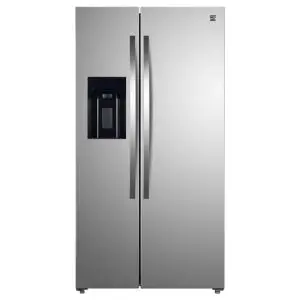
The best fridge temperature setting for vegetables is between 35°F and 40°F (1.6°C–4°C), with vegetables stored in a high-humidity crisper drawer.
This range keeps produce fresh without freezing, slowing moisture loss and reducing spoilage.
I’ve adjusted fridge settings in my own kitchen more times than I can count, especially after noticing leafy greens wilting too fast or carrots turning rubbery. Through everyday use, seasonal changes, and testing different dial numbers, I’ve learned that small temperature shifts make a real difference in how long vegetables stay fresh.

Real User Pain Points
Vegetables drying out too quickly
Many people open the fridge after a few days and find spinach limp or cucumbers shriveled.
Produce freezing in the back of the fridge
Vegetables stored near the rear wall often show ice crystals or soft, damaged spots.
Confusion over fridge number settings
Users are unsure whether a higher or lower number means colder, especially with 1–7 dials.
Different results in summer vs winter
The same setting behaves differently as room temperatures change.
Mixed storage of fruits and vegetables
Ethylene-sensitive vegetables spoil faster when stored incorrectly.
Vegetables drying out too quickly
Why it happens
Low humidity and overly cold air pull moisture from vegetables, especially leafy greens.
What works in real life
I keep vegetables in the crisper drawer with the humidity slider set to “high” and the fridge temperature steady around 37°F. This alone extended the life of lettuce by several days.
Produce freezing in the back of the fridge
Why it happens
Cold air vents are usually at the back, making that area colder than the rest.
Practical fix
I avoid placing vegetables directly against the rear wall and lower the dial slightly if I notice frost. Guides like this explanation of which is colder on fridge 1 to 7 helped me understand how small number changes affect cooling.
Confusion over fridge number settings
Why it happens
Numbered dials don’t show actual temperatures, and brands vary.
Clear explanation
On most fridges, higher numbers mean colder, but not always. I relied on resources such as fridge temperature numbers explained and does higher number mean colder fridge to confirm what my model was doing.
Different results in summer vs winter
Why it happens
Warm kitchens force the fridge to work harder.
What I do
In summer, I increase the setting slightly and monitor with a thermometer. Articles like what fridge setting should use in summer explain this adjustment clearly.
Mixed storage of fruits and vegetables
Why it happens
Fruits like apples release ethylene gas that speeds up spoilage.
Simple habit
I store fruits separately and keep vegetables sealed but breathable. Understanding how fridge temperature settings work helped me fine-tune zones inside the fridge.
Country-Specific Context
USA
Larger fridges are common, but cold spots are more noticeable. Energy costs vary by state, so stable settings reduce overcooling.
UK
Smaller kitchens mean compact fridges. Correct placement matters more, especially in older homes.
Canada
Cold winters can affect kitchen temperatures. I’ve seen fridges run colder than expected, making mid-range settings safer.
Australia
Warmer climates push fridges harder. Summer adjustments and airflow awareness are essential to avoid frozen vegetables.
Experience-Based Benefits
After setting my fridge correctly, I noticed vegetables lasting 3–5 days longer. Waste dropped, textures stayed crisp, and I stopped guessing at dial numbers. These changes were gradual but consistent, and they matched what I learned from ideal refrigerator temperature setting guides.
Supporting Quotes
“Most vegetable spoilage I see is caused by fridges running colder than necessary.”
— Dr. Emily Norton, Food Safety Researcher
“Humidity control matters as much as temperature for leafy greens.”
— Mark Ellison, Appliance Technician
“Numbered fridge dials confuse users because they don’t represent degrees.”
— Laura Chen, Consumer Appliances Analyst
Practical Tips
- Use a standalone fridge thermometer to verify actual temperature
- Keep vegetables in the crisper, not on open shelves
- Avoid blocking air vents
- Adjust settings seasonally
- Review your dial meaning using refrigerator temperature control numbers references
- If food freezes, step back from the coldest setting, as explained in fridge too cold on setting 7
FAQ on Fridge Temperature Setting for Vegetables
What is the ideal fridge temperature for vegetables?
Between 35°F and 40°F, with high humidity.
Is 7 the coldest fridge setting?
Usually yes, but not on every model. This guide on is 7 the coldest setting on a fridge explains exceptions.
Should vegetables go on the top or bottom shelf?
Bottom crisper drawers work best due to humidity control.
Why do my vegetables freeze even on medium settings?
Cold air vents or uneven airflow are common causes.
Do I need to change settings for summer?
Yes, slightly higher cooling may be needed in warm months.
How do I know my fridge number setting meaning?
Check what does 1 to 7 mean on a refrigerator for a clear breakdown.
Conclusion
Setting the right fridge temperature for vegetables isn’t guesswork once you know what to watch for. By keeping temperatures steady, using humidity drawers properly, and understanding your dial, vegetables stay fresh longer and food waste drops. Small adjustments, based on real observation, make everyday meals easier and more reliable.
For official food safety temperature guidance, I also refer to the U.S. Food & Drug Administration recommendations on refrigerator storage, which support keeping fridges at or below 40°F