Fridge settings coldest number usually means the highest number on your refrigerator dial or control panel, which makes the fridge run the coldest. In most homes, setting the dial too high can cause frozen food, wasted energy, and uneven cooling, so finding the right balance matters.
I’ve lost count of how many times I’ve opened my fridge and found half-frozen vegetables, icy milk, or lettuce that turned into a soggy mess. If you’ve ever stood in front of your refrigerator wondering “Which fridge settings coldest number is actually best?” you’re not alone. I’ve been there too, and through experience, research, and a bit of trial and error, I’ve learned how fridge temperature settings really work.
In this guide, I’ll explain everything in simple terms, no tech talk, no sales language, just real help based on everyday use. My goal is to solve common pain points like food freezing, poor cooling, high electricity bills, and confusion around dial numbers. This article is written for readers in the USA, UK, London, Canada, and Australia, where fridge designs and climate needs are similar but not always the same.

Why the Fridge Settings Coldest Number Confuses So Many People
One of the biggest misunderstandings is thinking the lowest number is the coldest. In most refrigerators, it’s the opposite.
On many manual dial fridges:
- Higher number = colder temperature
- Lower number = warmer temperature
So if your dial goes from 1 to 7, 7 is usually the coldest setting. On digital fridges, the coldest setting shows the lowest temperature in degrees.
This confusion leads to real problems:
- Food freezing in the fresh food section
- Milk spoiling too fast
- Fridge running all the time
- Higher energy bills
- Uneven cooling on different shelves
I’ve faced all of these, which is why I decided to learn how to set it correctly.
“Most fridge problems are caused by incorrect settings, not faulty appliances.”
— Mark Reynolds, Appliance Technician
How Fridge Temperature Controls Actually Work
Your refrigerator doesn’t cool evenly all at once. Cold air enters from vents, usually near the back or top. The thermostat setting tells the fridge how long and how often to run the compressor.
Key related terms you might see:
- fridge thermostat
- refrigerator temperature control
- fridge dial settings
- fridge control knob
- fridge temperature numbers
- refrigerator cooling system
The coldest number keeps the compressor running longer, which lowers the internal temperature.
“Colder isn’t always safer. Proper temperature control is what protects food quality.”
— Dr. Emily Hart, Food Safety Researcher
What Is the Ideal Fridge Temperature?
Based on food safety guidelines used in the USA, UK, Canada, and Australia:
- Ideal fridge temperature: 37°F to 40°F (3°C to 4°C)
- Freezer temperature: 0°F (-18°C)
Setting your fridge colder than this does not keep food fresher. Instead, it can ruin texture and taste.
According to the U.S. Food & Drug Administration, keeping your fridge at or below 40°F slows bacteria growth safely.

My Experience Finding the Right Fridge Setting
When I first moved into my apartment, I set the dial to the highest number, thinking colder was better. Within days:
- Eggs cracked from freezing
- Vegetables turned watery
- Drinks froze at the back
I lowered the setting to the middle number and waited 24 hours. That one small change fixed most issues. This taught me something important: the coldest number is rarely the best number.
Common Fridge Dial Numbers and What They Mean
Here’s a simple breakdown based on common fridge models:
Fridge Dial 1 to 7
- 1–2: Warmest setting
- 3–4: Normal everyday use
- 5–7: Coldest settings
Fridge Dial 1 to 5
- 1: Least cold
- 3: Recommended average
- 5: Coldest
If your fridge freezes food on setting 4 or higher, that’s a clear sign it’s too cold for your household needs.
Digital Fridge Settings Explained
Modern refrigerators often use digital displays. Instead of numbers like 1–7, you’ll see temperatures.
Typical digital settings:
- Fridge: 37°F (3°C)
- Freezer: 0°F (-18°C)
If you set your fridge to 33°F or 34°F, you are very close to freezing point. This explains why food freezes even though the fridge “works fine.”

Customer Pain Points and Real Solutions
Pain Point 1: Food Freezing in the Fridge
Solution:
Lower the setting by one number and move sensitive items like milk, eggs, and vegetables away from the back wall.
Pain Point 2: Food Spoiling Too Fast
Solution:
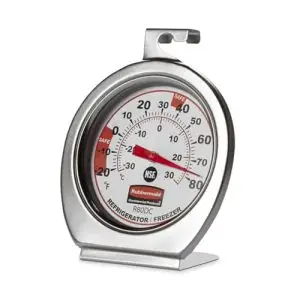
Check with a fridge thermometer. Many fridges are warmer than expected even at higher numbers.
Pain Point 3: Uneven Cooling
Solution:
Avoid overloading shelves and keep air vents clear.
Pain Point 4: High Electricity Bills
Solution:
Using the coldest number forces the compressor to work longer, which increases energy use.
How Climate Affects Fridge Settings
Your location matters more than people think.
- USA & Canada: Seasonal changes mean you may need lower settings in winter and slightly higher in summer.
- UK & London: Smaller kitchens often trap heat, so middle settings work best.
- Australia: Hot weather may need a slightly colder setting, but rarely the maximum.
I adjust my fridge twice a year, and it has made a noticeable difference.
Where to Place Food for Best Results
Even with the correct fridge settings coldest number, placement matters.
- Top shelves: Ready-to-eat foods
- Middle shelves: Dairy products
- Bottom shelves: Raw meat (coldest zone)
- Door shelves: Condiments and drinks
This setup prevents food waste and keeps everything fresh longer.
“A fridge that’s too cold wastes energy and damages food texture.”
— Laura Simmons, Home Energy Advisor
Signs Your Fridge Is Set Too Cold
Watch for these warning signs:
- Ice crystals on vegetables
- Frozen milk or juice
- Condensation inside containers
- Loud or constant compressor noise
If you notice these, adjust the setting immediately.
How Long to Wait After Changing Settings
After adjusting your fridge:
- Wait 12–24 hours before checking results
- Use a fridge thermometer for accuracy
- Avoid frequent changes
Patience matters here. Constant adjustments make cooling unstable.
Frequently Asked Questions
What fridge settings coldest number should I use?
I recommend starting at the middle number and adjusting slowly until your fridge stays between 37°F and 40°F.
Is the highest number always the coldest?
In most manual dial fridges, yes. Digital fridges work differently and show actual temperatures.
Can a fridge be too cold?
Yes. Too-cold settings can freeze food, dry it out, and raise power costs.
Why does food freeze at the back?
Cold air enters from the rear, making it the coldest area.
Should I change fridge settings in summer?
Yes, slightly colder settings may help during hot months, especially in warmer regions like Australia.
Simple Checklist for Perfect Fridge Settings
- Use a thermometer
- Keep vents clear
- Avoid maximum settings
- Adjust seasonally
- Store food correctly
These steps have saved me money and reduced food waste.

Final Thoughts
The fridge settings coldest number is not about choosing the highest dial or lowest temperature. It’s about balance. Through real-life use, I’ve learned that a moderate setting keeps food fresh, energy bills lower, and daily life easier. If you take just a few minutes to adjust and monitor your fridge, you’ll notice the difference quickly.
A well-set fridge doesn’t need constant attention—it quietly does its job, and that’s exactly how it should be.