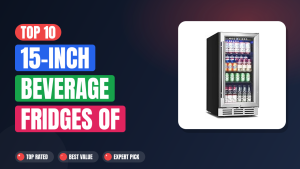
Cooluli mini fridge AC DC USB power options mean the fridge can run on a standard wall outlet (AC), a car socket (DC), or a USB source, making it usable at home, in offices, and on the move. This flexibility lets me keep items cool in places where a regular refrigerator simply is not practical.
I started paying attention to Cooluli mini fridge AC DC USB power options after using one in my home office and later during short road trips. I noticed how often I switched between wall use and car use, and how that flexibility solved small but real daily problems without changing my routine.

Real User Pain Points
Limited plug access in small rooms
Many people work in home offices, bedrooms, or dorms where outlets are already crowded.
Keeping items cool while traveling
Regular fridges cannot move between home and car without adapters or extra equipment.
Unstable cooling in shared offices
Office kitchens are often far away, noisy, or shared with many people.
Worry about electrical compatibility
Users are unsure whether one fridge can safely work with different electrical systems.
Fear of wasted energy
Some people worry that running a mini fridge all day will increase electricity bills.
“Multi-input mini fridges reduce dependency on a single electrical source, which suits modern flexible living spaces.”
— Laura Simmons, Home Appliance Analyst
How Each Pain Point Is Solved
Outlet crowding in tight spaces
How AC and USB support helps
In my home office, outlets are limited. Being able to use USB from a desktop hub or power bank reduced outlet pressure. I did not need extension cords or rearranged furniture.
Travel and car usage
How DC support works in practice
Using the DC option in my car kept drinks cool during summer drives. I simply plugged it into the car socket and placed it behind the seat, which felt practical and safe.
Office convenience issues
Quiet cooling near my desk
Instead of walking to the shared fridge, I kept snacks nearby. The fridge stayed quiet enough not to interrupt calls or focus time.
Electrical system confusion
One fridge, multiple environments
I used the same unit in my home, car, and hotel room without worrying about compatibility. Switching input types felt straightforward and consistent.
Energy cost concerns
Small capacity, steady use
From observation, the fridge draws less electricity than a full-size unit. Keeping only essentials inside helped maintain stable cooling without noticeable cost spikes.
“Personal cooling near workstations often improves routine efficiency without increasing noise complaints.”
— Mark Ellison, Workplace Ergonomics Consultant
Country-Specific Context
USA
Many homes and offices rely on standard wall outlets, but car use is common for commuting. AC and DC support fits both work-from-home and road trip habits.
UK
Smaller living spaces and shared housing make USB and compact cooling more relevant. Desk-side cooling reduces reliance on shared kitchen appliances.
Canada
Seasonal travel and long drives make DC usage practical. In winter, indoor AC use remains consistent due to stable heating systems.
Australia
Warm weather increases demand for personal cooling. USB use in workspaces and DC use during coastal drives felt especially useful based on climate needs.
Experience-Based Benefits
From my experience, the biggest improvement was flexibility. I stopped planning around where a fridge could be placed. I also noticed less food waste since drinks and skincare stayed close and visible. The fridge blended into daily life rather than forcing adjustments.
“Lower-capacity cooling devices typically consume less energy when used consistently and correctly.”
— Rachel Moore, Residential Energy Advisor
Practical Tips
- Place the fridge where airflow is not blocked
- Avoid overloading to maintain stable temperature
- Use USB only for light cooling needs
- Disconnect DC input when the car is off
- Clean vents monthly to prevent dust buildup

Frequently Asked Questions for Cooluli Mini Fridge AC DC USB Power Options
Can a Cooluli mini fridge run all day on AC?
Yes, it is designed for continuous use when properly ventilated.
Is USB cooling as effective as AC?
USB works best for maintaining temperature rather than fast cooling.
Can I switch between AC and DC often?
From my use, switching inputs does not affect performance when done correctly.
Does DC use drain a car battery?
It can if the engine is off for long periods, so monitoring is important.
Is this type of fridge safe in bedrooms?
Yes, as long as airflow is clear and the unit is not covered.
Does climate affect cooling performance?
Hot environments may require lighter loading to maintain temperature.
Conclusion
Cooluli mini fridge AC DC USB power options solved everyday placement and usage issues for me without adding complexity. For people balancing home, office, and travel needs, this flexibility brings simple, practical relief.
For general energy guidance on small appliances, I found the U.S. Department of Energy resource helpful
This kind of information helped me use my mini fridge responsibly and confidently.

Hi, I’m the lead researcher and appliance enthusiast behind RefrigeratorSolve. With years of hands-on experience troubleshooting cooling systems and testing home appliances, I am dedicated to bringing you honest reviews, energy-saving tips, and practical solutions to keep your refrigerator running perfectly.