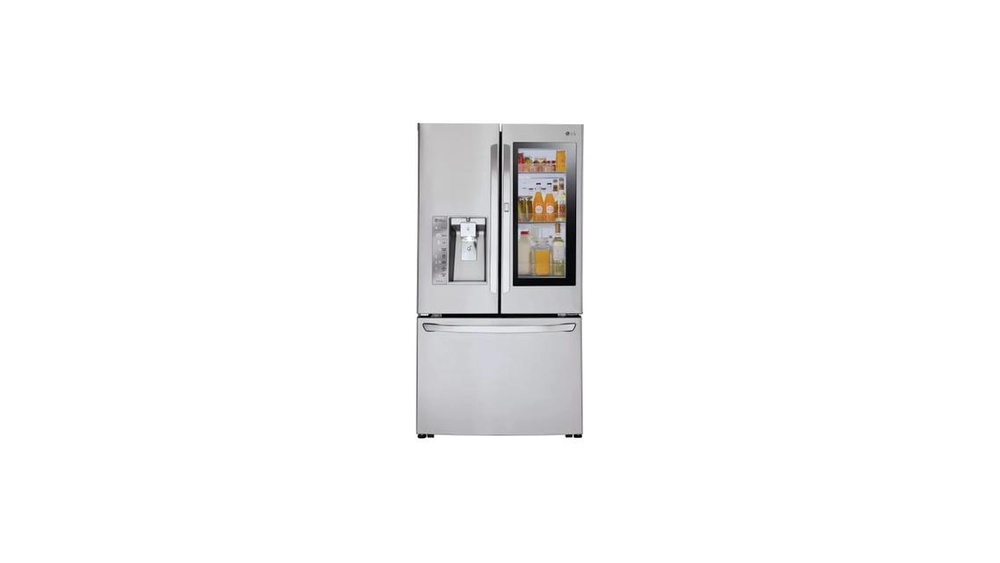
You’ve invested in a smart refrigerator, enjoying its sleek design and high-tech features. But what happens when your Wi-Fi goes down?
Can you still rely on your fridge to keep your food fresh and your drinks cold without an internet connection? If you’re wondering whether your smart fridge loses its power without Wi-Fi, you’re not alone. This article will clear up the confusion and show you exactly what your smart refrigerator can and can’t do when it’s offline.
Keep reading to learn how to make the most of your appliance—even without internet access.
Basic Functions Without Wi-fi
Smart refrigerators offer many advanced features that rely on Wi-Fi. Still, they can perform essential tasks without an internet connection. Understanding these basic functions helps users feel confident when Wi-Fi is unavailable or during an outage. The core purpose of any refrigerator—cooling and preserving food—remains intact even offline.
Cooling And Preservation
Smart refrigerators continue to cool food without Wi-Fi. Their compressors and cooling systems work independently of the internet. Food stays fresh and safe inside, just like a regular fridge. The smart features do not affect the fridge’s main job of preservation. You can trust your food remains well chilled at all times.
Manual Temperature Control
Temperature controls still work without internet access. You can adjust settings using the physical buttons or touchscreen panel. This lets you set the fridge or freezer temperature manually. The fridge will maintain the chosen temperature reliably. No Wi-Fi is needed to keep your food at the right coldness.
Using Standard Features
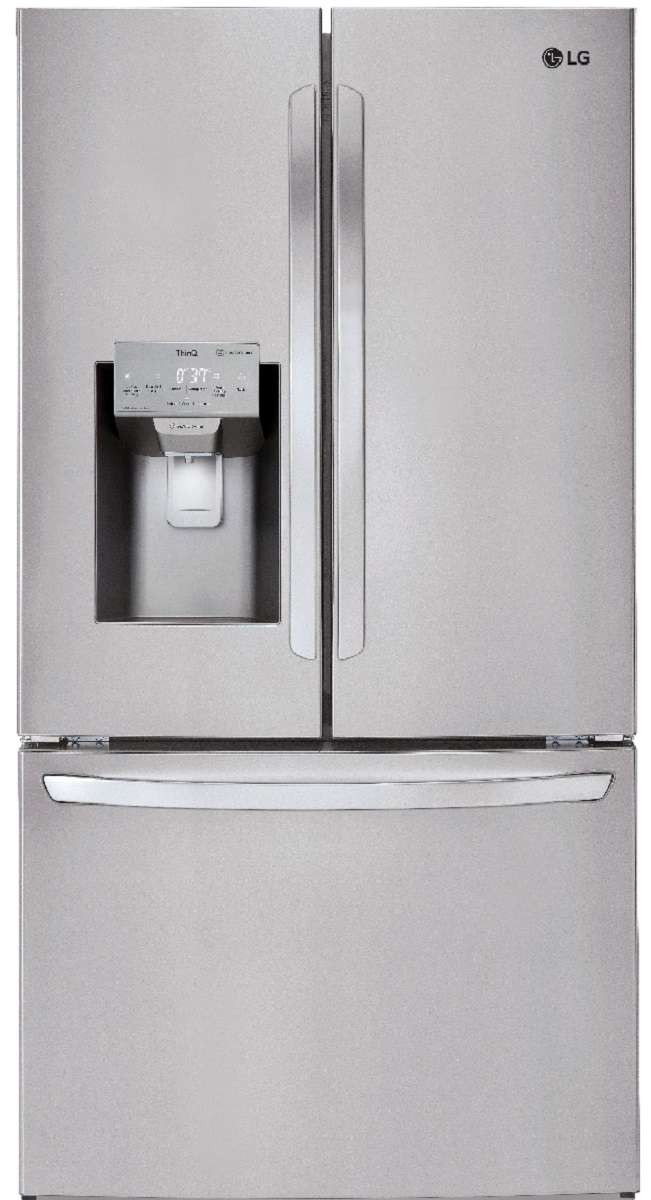
Basic features like ice making and lighting stay functional offline. The ice maker runs automatically based on water supply and temperature. Interior lights turn on when you open the door. These features do not depend on network connectivity. Your smart fridge acts much like a traditional model in offline mode.
Credit: www.us-appliance.com
Benefits Of Wi-fi Connectivity
Wi-Fi connectivity adds many useful features to smart refrigerators. It lets you control and monitor your fridge from anywhere. This connection improves convenience and helps keep your food fresh longer. Without Wi-Fi, many smart functions are unavailable, limiting your fridge to basic cooling tasks.
Remote Temperature Adjustment
Wi-Fi lets you change the fridge temperature remotely. You can lower or raise settings using a smartphone app. This feature helps keep food safe if you forget to adjust the fridge before leaving. It also saves energy by optimizing cooling based on your needs.
Maintenance Alerts And Notifications
Smart refrigerators send alerts about maintenance issues through Wi-Fi. You get warnings for problems like door left open or filter changes needed. These notifications help avoid food spoilage and costly repairs. Early alerts keep your fridge running smoothly and extend its life.
Smart Inventory Management
With Wi-Fi, some smart fridges track your groceries automatically. They notify you when items run low or expire soon. This feature reduces food waste and saves money. It also helps with grocery shopping by keeping an updated list on your phone.
Limitations Without Internet
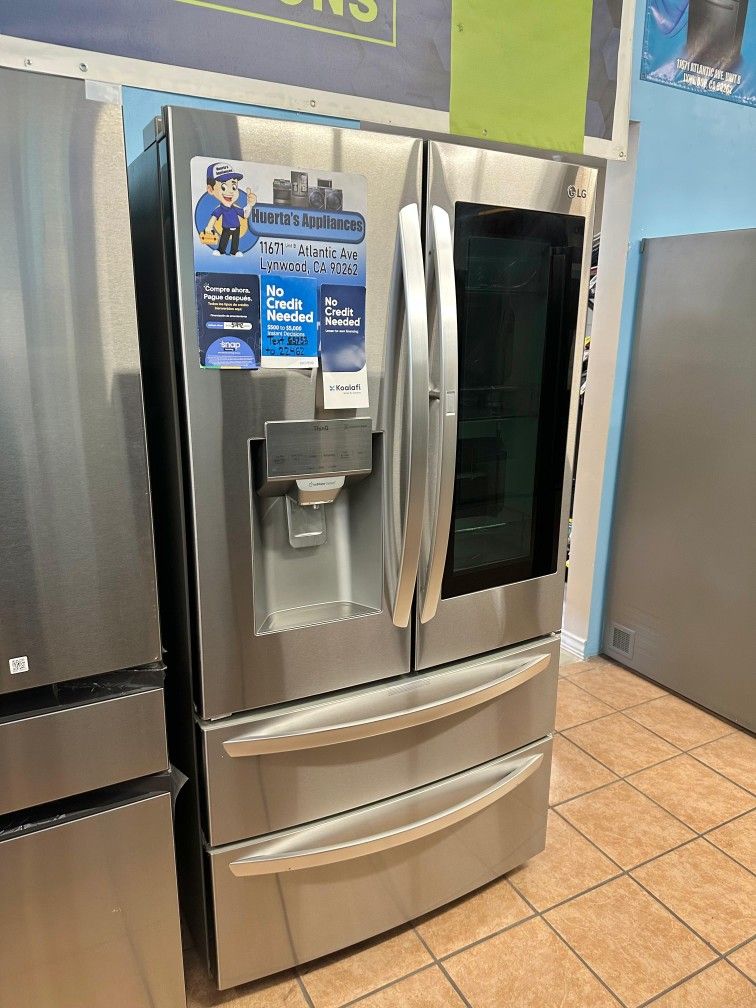
Smart refrigerators offer many features that rely on internet access. Without Wi-Fi, these appliances lose much of their advanced functionality. While they still cool and preserve food, the smart experience changes significantly. Understanding these limitations helps users manage expectations and use their fridge effectively.
Loss Of Smart Features
Without internet, most smart functions stop working. Features like voice control and recipe suggestions become unavailable. The touchscreen apps that track groceries or suggest menus cannot update. Your fridge acts more like a regular model, missing interactive benefits.
No Remote Monitoring
Remote access requires a Wi-Fi connection. Without it, you cannot check the fridge status from your phone. Alerts about temperature changes or door openings will not reach you. This limits convenience and quick problem detection.
Inability To Receive Updates
Software updates improve performance and add features. Without internet, your fridge cannot download these updates. This may cause bugs to persist or features to become outdated. Over time, the smart system may lose efficiency and security protections.
Credit: www.messiah.us
Costs And Repairs
Smart refrigerators bring many features but also come with specific costs and repair challenges. Understanding these aspects helps decide if a smart fridge suits your needs, especially without Wi-Fi. The price and upkeep differ greatly from traditional models.
Higher Initial Investment
Smart refrigerators cost significantly more than regular ones. Advanced technology, touchscreens, and sensors raise the price. Buying a smart fridge means paying extra for features you may not fully use without Wi-Fi. This initial cost can be a major factor for many buyers.
Expensive Tech Repairs
Repairs on smart fridges often require skilled technicians. Problems with screens, Wi-Fi modules, or sensors can be costly to fix. Traditional fridge repairs are usually simpler and cheaper. The complexity of smart fridge technology increases repair expenses and waiting times.
Potential For Obsolescence
Smart refrigerators rely on software updates and apps. Over time, these updates may stop, making features unusable. Without Wi-Fi, many smart functions become irrelevant but the risk of software becoming outdated remains. This can shorten the useful life of the fridge’s smart capabilities.
Technology And Reliability Issues
Smart refrigerators bring advanced features to your kitchen. These gadgets rely on technology that can sometimes face problems. Technology and reliability issues affect how well these appliances work without Wi-Fi. Understanding these challenges helps users decide how to manage their smart fridge.
More Components To Fail
Smart refrigerators have many electronic parts. Sensors, touchscreens, and Wi-Fi modules add complexity. Each part can break or stop working. More parts mean more chances for failure. Repairing these parts often needs special skills. This raises repair costs and downtime.
Connectivity Challenges
Wi-Fi is essential for many smart features. Without internet, some functions stop working. Features like remote temperature control and alerts may fail. Setting up Wi-Fi can be tricky for some users. Poor Wi-Fi signals cause disconnections and slow responses. These problems reduce the fridge’s smart benefits.
Software Bugs And Glitches
Smart fridges use software to run features. Bugs and glitches happen like in other devices. Firmware updates may cause unexpected issues. Software problems can freeze screens or stop notifications. Fixing these bugs sometimes requires technical support. Without Wi-Fi, updates and fixes become harder.
Security And Privacy Concerns
Smart refrigerators offer many features that connect to the internet. This connectivity raises concerns about security and privacy. Understanding these risks helps users decide how to use their devices safely. Even without Wi-Fi, these concerns remain important to consider.
Cybersecurity Risks
Smart refrigerators connect to your home network. This connection can expose the device to cyber attacks. Hackers may try to access your network through the fridge. They could steal personal information or control other devices. Without proper security, the fridge can become a weak point. Regular updates and strong passwords help reduce these risks.
Data Privacy Considerations
Smart fridges collect data about your usage and habits. This data might include shopping lists and food preferences. Companies may use this data for marketing or share it with third parties. Users should read privacy policies carefully. Disabling unnecessary data sharing can protect your privacy. Using the fridge without Wi-Fi limits data transmission.
Camera And Microphone Issues
Some smart refrigerators have cameras and microphones. These features help with tasks like inventory or voice commands. They also pose privacy concerns. Unauthorized access could allow spying inside your home. Users should check if they can disable these features. Turning off Wi-Fi can stop remote access to cameras and microphones.
User Experience Factors
Using a smart refrigerator without Wi-Fi changes how you experience it daily. The user experience relies on how easy it is to interact with the fridge without internet. Some features may not work, and the overall convenience can shift. Understanding these factors helps set clear expectations about smart fridges offline.
Complexity For Non-tech Users
Smart refrigerators often have many digital features. Without Wi-Fi, some controls and notifications may be confusing. Non-tech users might find settings harder to adjust. The lack of internet means missing updates or remote help. This adds to the challenge for those not familiar with technology.
Underused Smart Features
Many smart features depend on Wi-Fi to function fully. Features like remote temperature control, inventory tracking, or alerts may stop working. Without internet, these smart functions become unavailable or limited. Users might not use the fridge to its full potential. The device then acts more like a regular fridge.
Ease Of Manual Operation
Most smart refrigerators still allow manual operation without Wi-Fi. Basic functions like cooling and ice making continue as usual. Users can change temperature settings on the fridge panel. This keeps the fridge useful even offline. The key is that manual controls remain simple and clear.

Credit: www.homedepot.com
Choosing The Right Refrigerator
Choosing the right refrigerator is important for your home and lifestyle. It affects your kitchen’s efficiency and your daily routine. Not all refrigerators work the same way. Some offer smart features that depend on Wi-Fi. Others keep it simple with traditional cooling technology. Understanding your needs helps in making the best choice. Consider how you use your fridge and what features matter most.
When To Opt For Smart Models
Smart refrigerators offer features like remote temperature control and alerts. They can track groceries and suggest recipes. Choose smart models if you enjoy tech and want convenience. These fridges connect to Wi-Fi for full functionality. They suit busy households or tech enthusiasts. Use them to monitor your fridge from anywhere. Smart models add modern touch and ease to kitchen tasks.
When Traditional Works Best
Traditional refrigerators focus on cooling and storage only. They do not need Wi-Fi or apps. Choose traditional models if you want simple and reliable use. They often cost less and need less maintenance. These fridges work well in homes with limited internet. They avoid tech glitches and software updates. Traditional refrigerators stay dependable for basic needs.
Balancing Cost And Features
Smart refrigerators usually cost more upfront. Repairs can be expensive if technology fails. Traditional fridges cost less and have fewer parts to fix. Think about how much you use smart features. Avoid paying extra for tech you might not need. Balance your budget with the benefits each model offers. Choose a fridge that fits your lifestyle and wallet.
Frequently Asked Questions
Can A Smart Refrigerator Work Without Wi-fi?
A smart refrigerator can work without Wi-Fi for basic cooling and storage functions. Wi-Fi enables advanced features like remote control and notifications. Without internet, it operates like a regular fridge but loses smart capabilities such as app integration and real-time updates.
Why Do I Need Wi-fi On My Refrigerator?
Wi-Fi on your refrigerator enables remote temperature control, maintenance alerts, and smart features for convenience. It enhances efficiency and monitoring.
What Are The Disadvantages Of A Smart Fridge?
Smart fridges have high costs, complex repairs, and rely on Wi-Fi. They risk cybersecurity issues and may face software glitches or feature obsolescence.
Do I Have To Connect My Samsung Fridge To Wi-fi?
You don’t have to connect your Samsung fridge to Wi-Fi for basic cooling functions. Wi-Fi enables smart features like temperature control and notifications. Without Wi-Fi, it works as a regular refrigerator but lacks remote access and smart capabilities.
Conclusion
Smart refrigerators work fine without Wi-Fi for basic cooling. They keep food fresh just like regular fridges do. Without internet, you lose smart features like remote control or alerts. These features need a connection to work properly. Using the fridge offline means fewer distractions and no software issues.
Remember, Wi-Fi adds convenience but is not essential for cooling. Choose what fits your needs and lifestyle best. Smart or not, the fridge’s main job stays the same: keep your food cold and safe.

Hi, I’m the lead researcher and appliance enthusiast behind RefrigeratorSolve. With years of hands-on experience troubleshooting cooling systems and testing home appliances, I am dedicated to bringing you honest reviews, energy-saving tips, and practical solutions to keep your refrigerator running perfectly.