Have you ever wondered what makes a smart refrigerator stand out from your regular fridge? Imagine having a kitchen assistant that not only keeps your food fresh but also helps you manage your groceries, saves you time, and even reduces waste.
A smart refrigerator is exactly that—a clever device that connects to the internet and uses advanced technology to make your life easier. You’ll discover what a smart refrigerator really is, how it works, and why it’s more than just a cold box.
Ready to see how this smart appliance can transform your daily routine? Keep reading to find out!
Smart Refrigerator Basics
Smart refrigerators bring new technology into everyday kitchens. They do more than just keep food cold. These devices connect to the internet and help manage food storage efficiently. Understanding their basics helps appreciate their value and function.
Smart refrigerators offer convenience and energy savings. They can track items, suggest recipes, and even notify users about expiration dates. These features rely on a mix of hardware and software working together.
What Makes It Smart
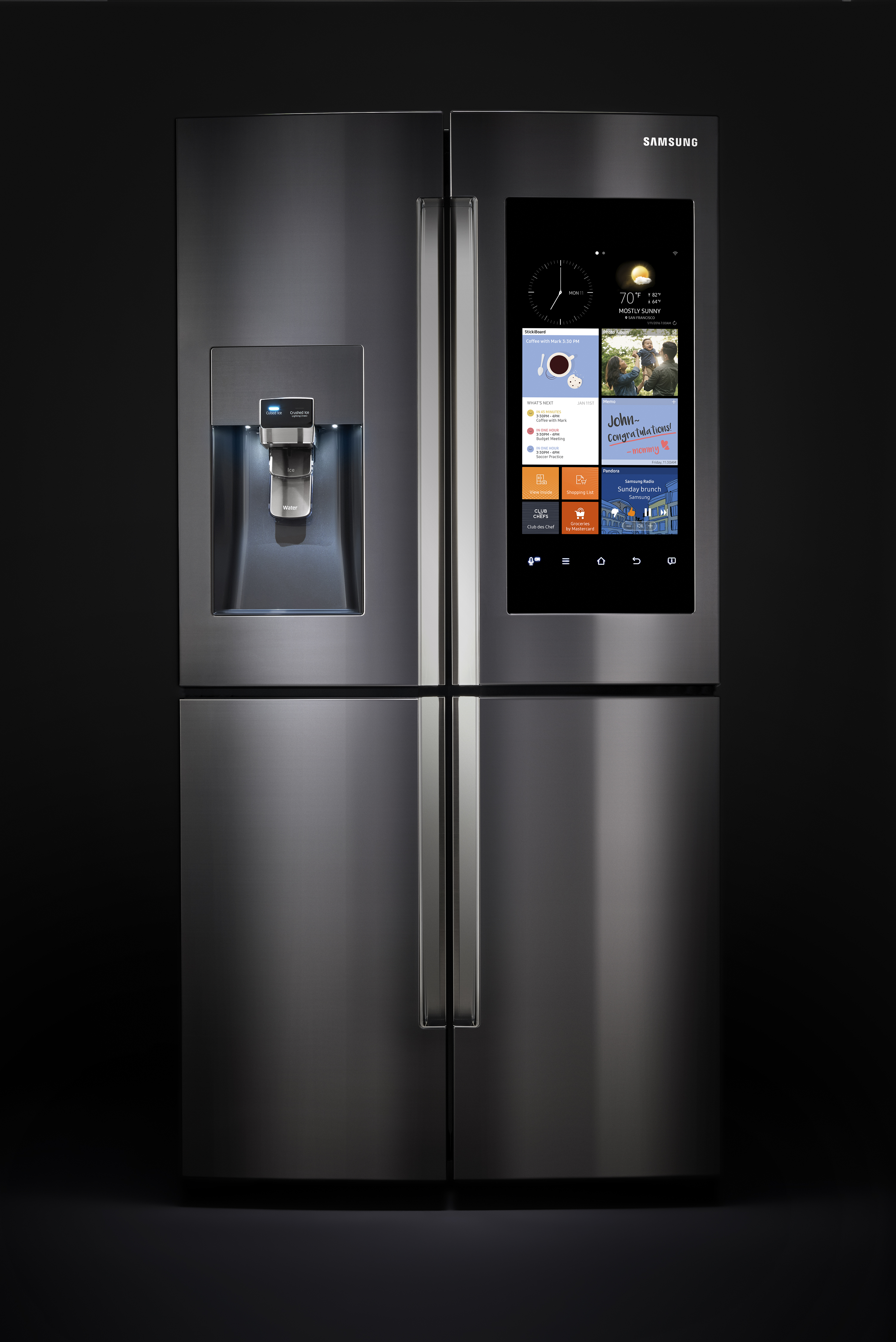
A smart refrigerator has sensors and a computer system inside. It monitors temperature and humidity to keep food fresh. Cameras inside let users see contents without opening the door. It connects to Wi-Fi to send alerts and updates.
Voice control and touchscreens often come with these fridges. They allow easy access to settings and information. The smart fridge can learn usage patterns and adjust settings automatically. These features create a more interactive kitchen experience.
Core Technologies Used
Internet of Things (IoT) technology links the fridge to other devices. This connection enables remote control through smartphones or tablets. Sensors track temperature, door status, and food inventory. Cameras provide real-time images of the inside.
Artificial intelligence (AI) helps analyze data and suggest actions. For example, AI can recommend recipes based on available ingredients. Cloud computing stores and processes information securely. These technologies work together to improve convenience and efficiency.
Connectivity Features
Connectivity features make a smart refrigerator more than just a cooling appliance. These features allow the fridge to interact with other devices and services. This interaction creates convenience and efficiency in daily kitchen tasks. Smart refrigerators use internet and technology to stay connected and useful.
Internet Integration
A smart refrigerator connects to the internet through Wi-Fi. This connection allows it to access updates and apps. It can download recipes or nutrition tips directly to the fridge’s display. Internet access also helps the fridge track food expiration dates. This feature reduces food waste by alerting users before items go bad.
Remote Monitoring And Control
Users can monitor their smart refrigerator from anywhere using a smartphone. This remote control lets them check the fridge’s contents without opening the door. The fridge can send alerts if the door is left open or if the temperature changes. Users can also adjust temperature settings remotely for better food preservation.
Advanced Functionalities
Smart refrigerators offer more than just cooling. They come with advanced functionalities that make kitchen life easier and more efficient. These features use technology to help you manage your food better and save time.
Internal Cameras And Inventory Tracking
Smart refrigerators have built-in cameras inside the fridge. They take pictures of your food items automatically. You can view these images on your phone from anywhere. This helps you see what you have without opening the door. The fridge also tracks what items you have and their expiry dates. It alerts you before food goes bad. This reduces waste and saves money.
Automatic Food Replenishment
Some smart fridges can order groceries for you. They know when you run low on certain items. The fridge connects to online stores and places orders automatically. This means you never run out of essentials like milk or eggs. It saves time on shopping trips and keeps your kitchen stocked.
Temperature And Environment Management
Smart refrigerators control temperature precisely. They adjust settings based on the type of food inside. Some models have different zones with separate temperatures. This keeps fruits, vegetables, and meats fresh longer. The fridge also monitors humidity and airflow. It creates the best environment to preserve food quality. You can even change the settings from your phone.

Credit: www.goodhousekeeping.com
Benefits Over Traditional Fridges
Smart refrigerators offer clear advantages over traditional fridges. They provide more than just cold storage. These appliances improve the way people store and manage food daily. The benefits range from better food preservation to saving time and reducing waste. This section explores those key benefits.
Enhanced Food Preservation
Smart refrigerators use sensors to monitor temperature and humidity. They adjust settings automatically to keep food fresh longer. Some models track expiration dates and alert users before items spoil. This technology helps maintain ideal conditions for different foods. It reduces the chances of food going bad early.
Reduced Food Waste
By keeping track of the items inside, smart fridges help prevent food waste. They remind users about items nearing expiration. Some can even suggest recipes based on available ingredients. This reduces the need to throw away spoiled food. It helps households save money and reduce environmental impact.
Convenience And Time Savings
Smart refrigerators connect to smartphones and other devices. Users can check fridge contents remotely using internal cameras. This feature helps plan grocery trips efficiently. Adjusting temperature settings from a phone adds extra convenience. These time-saving tools simplify kitchen management and daily routines.
Role In Modern Innovation
The role of a smart refrigerator in modern innovation highlights how technology improves daily life. It moves beyond just keeping food cold. It connects to the internet and interacts with other devices. This makes the kitchen smarter and more efficient. Smart refrigerators show how simple appliances become part of a larger digital ecosystem.
Part Of The Internet Of Things
Smart refrigerators are key players in the Internet of Things (IoT). They use sensors and internet connections to share data. This allows them to track food inventory and expiry dates. They can send alerts to your phone. This connectivity helps reduce food waste and saves money. The fridge becomes an active part of your digital life.
Integration With Smart Homes
These refrigerators easily connect with other smart home devices. You can sync them with voice assistants like Alexa or Google Home. This lets you control the fridge using simple voice commands. It can also communicate with smart ovens or lights. This creates a seamless and convenient kitchen experience. Your home works together to make tasks easier.
Impact On Consumer Lifestyle
Smart refrigerators change how people manage food and shopping. They help plan meals by showing what items are inside. You can check the fridge remotely while at the store. This reduces the chance of buying duplicates or forgetting items. The fridge also supports healthier eating by tracking groceries and suggesting recipes. Life becomes more organized and less stressful.

Credit: justenergy.com
Challenges And Considerations
Smart refrigerators bring new technology into the kitchen. They offer convenience and help manage food better. Yet, these devices come with challenges and things to consider before buying. Understanding these helps make a smart choice.
Cost And Affordability
Smart refrigerators cost more than regular models. The price reflects added technology and features. This can put them out of reach for some budgets. Also, repairs may be more expensive due to complex parts. Buyers should weigh benefits against the higher price.
Privacy And Security Concerns
These fridges connect to the internet and store data. They may track what you buy and eat. This raises questions about data privacy and safety. Hackers could access personal information if security is weak. Users must check the brand’s privacy policies carefully.
Maintenance And Reliability
Smart refrigerators have more parts that can break. Software updates may be needed to fix bugs or add features. These updates can sometimes cause glitches. Finding repair services for smart features can be harder. Regular maintenance is key to keep them working well.
Future Trends
The future of smart refrigerators looks bright and full of exciting changes. These appliances will become smarter, greener, and more connected. They will not only keep food fresh but also help save energy and fit perfectly into smart homes. The trends ahead promise to improve everyday kitchen life.
Ai And Machine Learning Enhancements
Smart refrigerators will use AI to understand user habits better. Machine learning will help predict grocery needs and suggest recipes. The fridge will learn from your shopping and eating patterns. It can alert you to expired foods before you open the door. This technology will make kitchens more efficient and personalized.
Sustainability And Energy Efficiency
New models will focus on using less energy to protect the environment. They will adjust cooling based on the amount of food inside. Some will use eco-friendly refrigerants to reduce harmful emissions. These fridges aim to lower electricity bills while helping the planet. Energy-saving smart fridges will become a standard in many homes.
Broader Smart Kitchen Ecosystems
Smart refrigerators will connect with other kitchen devices like ovens and dishwashers. They will share data to create a seamless cooking experience. For example, the fridge can tell the oven what temperature to use. These devices will work together to save time and reduce food waste. Kitchens will become fully integrated smart spaces, making daily tasks easier.
Credit: time.com
Frequently Asked Questions
What Is A Smart Refrigerator?
A smart refrigerator connects to the internet to monitor food inventory, suggest groceries, and adjust settings remotely for optimal freshness.
What Is The Difference Between A Smart Refrigerator And A Normal Refrigerator?
A smart refrigerator connects to the internet, offers remote control, and tracks food inventory. A normal refrigerator only cools and preserves food without connectivity or smart features.
Is A Refrigerator A Smart Device?
Yes, a refrigerator can be a smart device if it connects to the internet and offers features like inventory tracking and remote control.
What Type Of Technology Is A Refrigerator?
A refrigerator uses cooling technology with a heat pump to transfer heat outside. Smart refrigerators add internet connectivity and sensors for advanced features.
Conclusion
A smart refrigerator shows how technology improves daily life. It connects to the internet and helps manage food easily. This device saves time and reduces food waste. It also keeps food fresher by adjusting temperatures. Smart refrigerators are part of the growing Internet of Things trend.
They make kitchens more efficient and convenient. As technology advances, smart appliances will become more common. This example highlights how simple tools can get smarter. The future of home appliances looks connected and helpful.

Hi, I’m the lead researcher and appliance enthusiast behind RefrigeratorSolve. With years of hands-on experience troubleshooting cooling systems and testing home appliances, I am dedicated to bringing you honest reviews, energy-saving tips, and practical solutions to keep your refrigerator running perfectly.