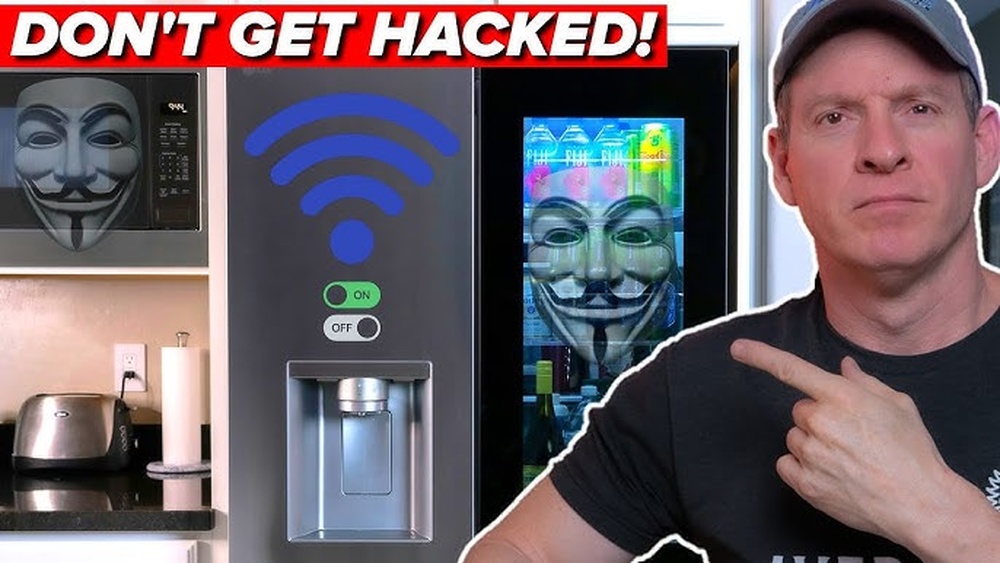
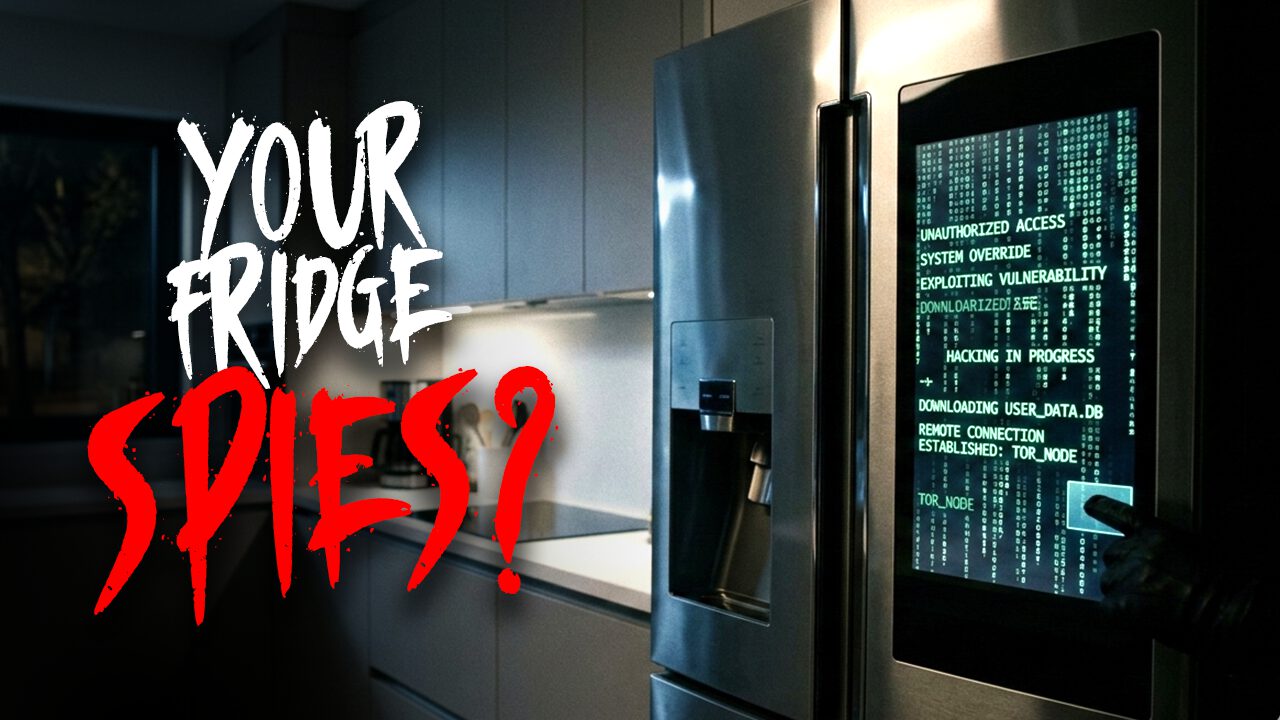
You probably never thought your refrigerator could be a gateway for hackers, right? But as smart refrigerators become more common in homes, it’s natural to wonder: how safe is your smart fridge from cyber threats?
These devices do much more than keep your food cold—they connect to the internet, collect data, and sometimes even listen or watch. That convenience comes with risks you need to understand. You’ll discover the real security concerns behind smart refrigerators and what you can do to protect your home and privacy.
Keep reading to find out if your fridge is truly secure or if it’s quietly inviting hackers inside.
Smart Refrigerator Features
Smart refrigerators come with many features that improve convenience and food management. These features rely on technology that connects the fridge to the internet and other devices. The smart functions can include tracking food, adjusting temperatures, and even suggesting recipes.
Understanding these features helps to see how secure smart refrigerators are. Each feature can create potential entry points for hackers. Let’s explore some key features and their security implications.
Connectivity And Sensors
Smart refrigerators connect to Wi-Fi networks to share data and receive updates. They use sensors to monitor temperature, humidity, and food levels inside. These sensors send real-time data to the fridge’s control system and sometimes to mobile apps.
Wi-Fi and Bluetooth connections increase the risk of unauthorized access. If these connections lack strong security, hackers might exploit them. Sensors also collect sensitive information about household habits.
Data Collection And Usage
Smart fridges gather data on food inventory, usage patterns, and user preferences. This data helps the fridge recommend shopping lists or meal plans. Some models track expiration dates and alert users about spoiled food.
Data may be stored locally or sent to cloud servers for processing. This transfer and storage raise concerns about data privacy and protection. Improper handling might expose user information to cyber threats.
User Interface And Controls
These refrigerators have touchscreens and mobile apps for easy control. Users can adjust settings, check contents remotely, and receive notifications. Voice control is also common in some models.
User interfaces need strong passwords and encryption to prevent unauthorized use. Weak security here can allow hackers to control the fridge or access stored data. Regular software updates are important to fix security gaps.
Security Risks
Smart refrigerators bring convenience to kitchens but carry security risks. These devices connect to the internet, making them targets for hackers. Understanding these risks helps users stay cautious and protect their data.
Vulnerabilities To Hackers
Smart fridges run on software that may have bugs or weak points. Hackers can exploit these flaws to gain control. Once inside, they might access personal information or disrupt the fridge’s functions. Many smart fridge models lack regular security updates, increasing risk.
Network Exposure
Smart refrigerators connect to home Wi-Fi networks. This connection can open a door to cyberattacks if the network is not secure. Attackers may use the fridge as a way to enter other devices on the same network. A poorly secured fridge risks the safety of the entire smart home system.
Privacy Concerns
These fridges collect data like shopping habits, food preferences, and usage patterns. This information can be shared with third parties or used for advertising. If hacked, sensitive data may be leaked, leading to privacy breaches. Users should be aware of what data their fridge gathers and who can access it.
Real-world Hacking Cases
Smart refrigerators connect to the internet and offer many features. This convenience raises questions about security. Real-world hacking cases show how safe these devices really are. Understanding these cases helps users stay informed and cautious.
Reported Incidents
Some smart fridges have been hacked by cybercriminals. In one case, hackers used a fridge to access a home network. This allowed them to steal personal data from other devices. Another incident involved malware spread through a refrigerator’s software update. These attacks show smart fridges can be weak points in home security.
Not all hacks are highly damaging, but risks exist. Attackers often use smart fridges to join larger cyberattacks. They exploit weak passwords or outdated software. Manufacturers sometimes release patches to fix security flaws. Users must keep their devices updated to reduce risks.
Myths And Misconceptions
Many believe smart fridges spy on users constantly. This is mostly a myth. While some data is collected, it is usually for improving features. The idea that fridges listen to private conversations is false. Most models do not have microphones or cameras.
Another myth claims all smart fridges are easy targets. Actually, security varies by brand and model. Some fridges have strong encryption and protection measures. Users who follow basic security steps face fewer problems. Changing default passwords and updating software helps a lot.
Impact Of Security Breaches
Security breaches in smart refrigerators pose serious risks to users and their homes. These devices store personal data and connect to home networks. A breach can lead to multiple negative effects. Understanding these impacts helps users stay cautious and better protect their devices.
Data Theft And Exploitation
Smart refrigerators collect data like shopping habits and schedules. Hackers can steal this information for identity theft or fraud. Stolen data might be sold on the dark web or used in scams. This risk makes data protection crucial for smart fridge users.
Device Malfunction
Hacked refrigerators may stop working properly. Malfunctions can cause food spoilage and loss. Hackers can even control temperature settings remotely. This creates inconvenience and potential health hazards for families.
Home Network Threats
Smart fridges connect to home Wi-Fi networks. A breached fridge can open doors for hackers to access other devices. This increases the risk of attacking computers, phones, and security systems. Protecting the fridge protects the entire home network.
Challenges In Securing Smart Fridges
Securing smart refrigerators poses unique challenges. These appliances blend traditional cooling technology with advanced digital features. This mix creates new security risks. Protecting smart fridges requires addressing these complex issues. Understanding these challenges helps users and manufacturers improve safety.
Smart fridges connect to the internet and other devices. This connectivity opens doors for cyber threats. Hackers can exploit weaknesses in hardware and software. The following sections explain key challenges in securing smart refrigerators.
Complex Technology Integration
Smart refrigerators combine multiple technologies like sensors, Wi-Fi, and software. This integration makes security difficult. Each component has its own vulnerabilities. Poor coordination between parts can create security gaps. Ensuring all systems work safely together is a major task.
Software Updates And Patch Management
Smart fridges need regular software updates. Updates fix security flaws and improve performance. Many users ignore or delay updates. Manufacturers may stop supporting older models. Unpatched devices remain open to attacks. Managing timely and consistent updates is essential for security.
User Awareness And Behavior
User habits impact smart fridge security. Weak passwords and unsecured networks increase risks. Users may share sensitive data unknowingly. Lack of awareness about cybersecurity leads to careless actions. Educating users on safe practices is crucial to protect smart appliances.

Credit: cias.utsa.edu
Balancing Benefits And Risks
Smart refrigerators offer many benefits but also come with risks. It is important to balance these factors before buying one. Understanding the trade-offs helps users make better choices about security and convenience. Smart fridges connect to the internet and store data, which can be a target for hackers. Users should weigh the ease of use against potential vulnerabilities and costs. This section explores key points in balancing benefits and risks.
Convenience Vs. Vulnerability
Smart fridges make life easier. They track groceries and suggest recipes. Some even sync with other devices. This convenience adds value to daily routines. Yet, connecting to the internet opens doors for hackers. Vulnerabilities in software can let attackers access personal data. A smart fridge may also connect to home networks, risking other devices. Convenience should not come at the cost of security. Users must stay aware of these risks and take precautions.
Cost Implications Of Security
Smart refrigerators cost more than regular models. Adding security measures raises the price further. Updates and patches need regular attention to stay safe. If ignored, vulnerabilities grow over time. Repairing smart features can be expensive and require experts. These costs may surprise users who expect simple fixes. Investing in security means higher upfront and maintenance costs. Budgeting for these expenses is essential for smart fridge owners.
Feature Obsolescence
Technology in smart fridges evolves fast. Software and apps may stop working after a few years. This makes some features useless, even if the fridge cools well. Obsolete features can reduce the product’s value over time. Updates may end when the manufacturer stops support. Users face losing smart functions or buying new devices. Planning for feature obsolescence helps avoid frustration. Choose models with longer support and easy update options.
Best Practices For Protection
Protecting your smart refrigerator from hackers requires simple but effective steps. These best practices help keep your device safe. They reduce the risks of unauthorized access and data theft.
Follow these tips to secure your smart fridge and enjoy its benefits worry-free. Regular care and attention make a big difference in digital safety.
Network Security Measures
Use a strong Wi-Fi password for your home network. Avoid easy or default passwords. Change them regularly to keep hackers out.
Set up a separate network just for your smart devices. This limits access if one device is compromised. Use a firewall to block suspicious traffic.
Turn off Wi-Fi on the fridge when not in use. Disconnecting helps prevent unwanted connections and attacks.
Regular Firmware Updates
Check for firmware updates from the manufacturer often. These updates fix security flaws and improve protection.
Enable automatic updates if your fridge supports it. This ensures you always have the latest security patches.
Don’t ignore update notifications. Delaying updates leaves your fridge open to known vulnerabilities.
Safe Usage Tips
Limit the amount of personal information shared with your fridge. Avoid storing sensitive data on the device.
Use secure passwords for any apps connected to your smart fridge. Avoid using the same password across devices.
Be cautious when linking third-party apps or services. Only connect trusted sources to avoid malware risks.

Credit: www.frontpointsecurity.com
Future Of Smart Refrigerator Security
The future of smart refrigerator security promises stronger protection and smarter solutions. As smart fridges become common, risks from hackers grow. Manufacturers and experts work on ways to keep devices safe. Advances in technology and new rules aim to reduce cyber threats. Consumers also play a role by demanding better security. This section explores key factors shaping the future of smart fridge security.
Emerging Technologies
New technologies improve smart fridge defenses every day. Artificial intelligence detects unusual activity and blocks attacks fast. Encryption keeps data safe while it moves or rests. Blockchain may track device updates to prevent tampering. Multi-factor authentication ensures only trusted users access controls. These tools form a strong line against hackers.
Industry Standards And Regulations
Clear rules guide manufacturers on smart fridge security. Governments create laws to protect user privacy and data. Industry groups set standards for safe design and software updates. Regular security audits become a required practice. These measures help reduce vulnerabilities and build trust. They make hacking attempts harder and less profitable.
Consumer Expectations
People want smart fridges that protect their information. Buyers look for devices with secure software and updates. Easy-to-use security features gain more attention. Transparency about data use becomes a must-have. Users expect quick fixes for found vulnerabilities. Their demand pushes companies to prioritize safety.
Credit: www.gadgetreview.com
Frequently Asked Questions
Can A Smart Fridge Be Hacked?
Yes, smart fridges can be hacked due to their internet connectivity and software vulnerabilities. Secure your network and update firmware regularly.
What Is The Smart Fridge Controversy?
The smart fridge controversy centers on privacy, security risks, and misinformation. Concerns include data collection, hacking, and false viral stories about their impact.
Do Smart Fridges Collect Data?
Yes, smart fridges collect data like inventory, usage habits, and temperature. This data helps improve functionality but may raise privacy concerns.
What Are The Disadvantages Of A Smart Fridge?
Smart fridges have high costs, complex repairs, and depend on internet connectivity. They risk hacking, software glitches, and feature obsolescence. Privacy concerns arise from data collection, while many users may find features confusing or unnecessary.
Conclusion
Smart refrigerators offer convenience but carry security risks. Hackers can exploit weak points if users neglect updates. Regularly updating software strengthens protection against attacks. Securing home Wi-Fi also limits unauthorized access. Choosing trusted brands with good security helps reduce threats.
Being aware and cautious keeps your smart fridge safer. Technology evolves, so stay informed about new risks. Balance convenience with safety for the best experience.

Hi, I’m the lead researcher and appliance enthusiast behind RefrigeratorSolve. With years of hands-on experience troubleshooting cooling systems and testing home appliances, I am dedicated to bringing you honest reviews, energy-saving tips, and practical solutions to keep your refrigerator running perfectly.