Imagine your refrigerator not just as a cold box but as a smart assistant that keeps your food fresher for longer, saves energy, and even alerts you when supplies run low. That’s exactly what smart cooling technology brings to your kitchen.
If you’ve ever wondered how your fridge can adapt to your lifestyle and protect your groceries better than traditional models, understanding smart cooling is the key. You’ll discover what smart cooling in refrigerators really means, how it works, and why it might be the upgrade your home deserves.
Ready to see how this clever technology can make your life easier? Keep reading to unlock the full story.
Smart Cooling Basics
Smart cooling in refrigerators uses advanced technology to keep food fresh longer. It controls temperature and humidity better than traditional systems. This ensures food stays safe and tastes better.
Understanding smart cooling basics helps you see how these refrigerators work. It combines technology, sensors, and controls to adapt to your needs.
Core Technology
Smart cooling uses multiple cooling zones with separate airflows. Each zone keeps different foods at the best temperature. This stops flavors from mixing and prevents spoilage. The system also controls humidity to keep fruits and vegetables fresh.
Adaptive Cooling Systems
Adaptive cooling adjusts temperature based on usage and environment. It learns your habits and changes settings to save energy. The system responds quickly to door openings or new items inside. This keeps conditions stable and reduces power consumption.
Sensors And Controls
Smart refrigerators have many sensors inside. They detect temperature, humidity, and door status. These sensors send data to the control system. The system then adjusts cooling to maintain the best conditions. This precise control improves food preservation and reduces waste.
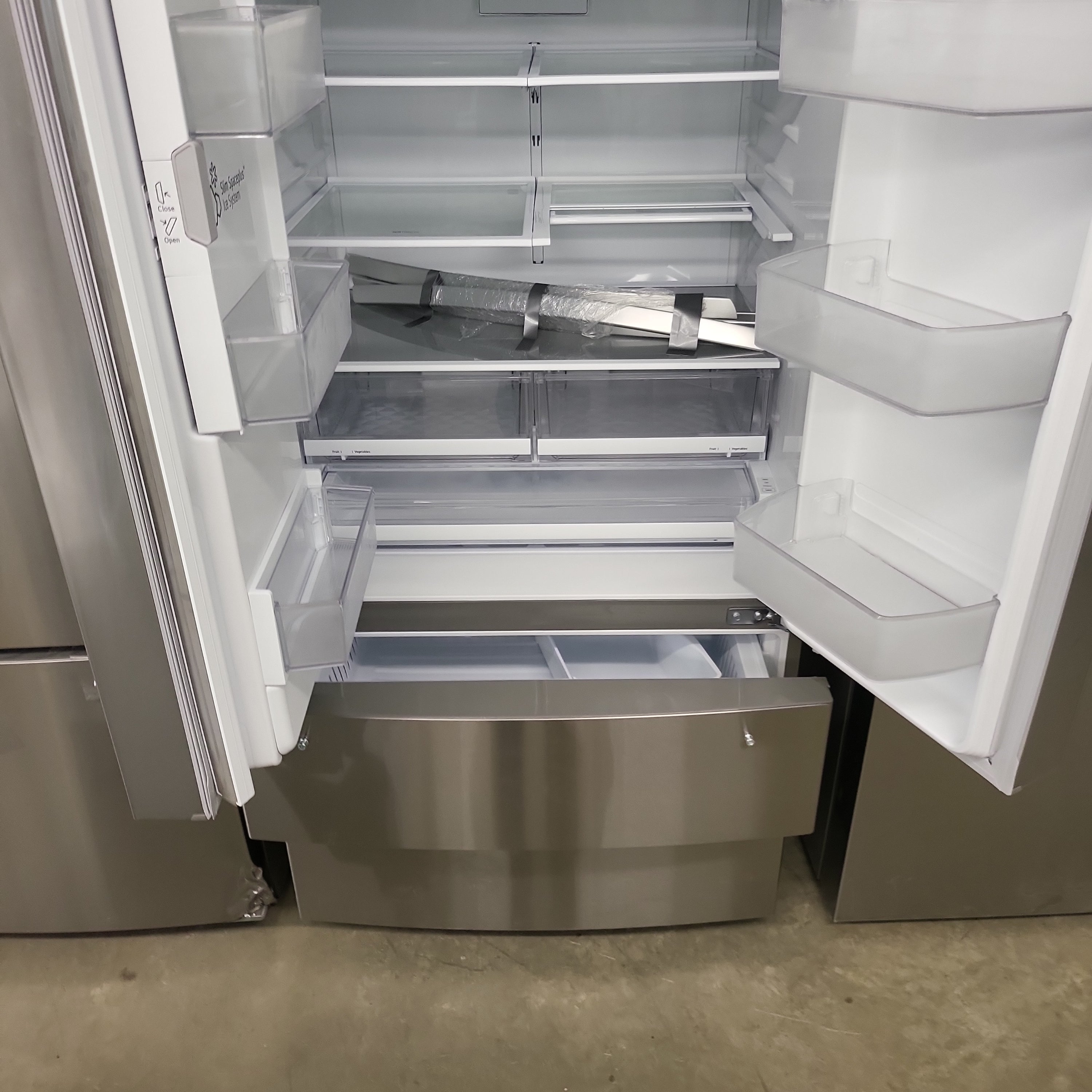
Credit: theadoutlet.com
Benefits Of Smart Cooling
Smart cooling offers many benefits that improve the way refrigerators work. It uses advanced technology to control temperature and humidity. This helps keep food fresh longer and saves energy. Smart cooling systems adjust cooling based on the fridge’s contents and door openings. These features make refrigerators more efficient and reliable.
Here are some key benefits of smart cooling in refrigerators.
Energy Efficiency
Smart cooling reduces energy use by cooling only when needed. Sensors detect temperature changes and adjust the compressor speed. This prevents overcooling and saves electricity. Lower energy use means lower utility bills and less environmental impact. Smart cooling helps refrigerators run smoothly without wasting power.
Food Freshness
Smart cooling keeps food fresh by maintaining optimal humidity and temperature levels. It slows down food spoilage and preserves taste and nutrients. Special zones in the fridge can store different types of food at ideal conditions. This technology reduces food waste and keeps meals healthier for longer.
Temperature Consistency
Smart cooling ensures even temperature throughout the refrigerator. It avoids hot or cold spots that can spoil food. Fans and sensors work together to circulate cool air efficiently. Consistent temperature protects delicate items and frozen foods alike. This leads to better food quality and less frequent temperature fluctuations.
Smart Cooling Features
Smart cooling features in refrigerators improve food freshness and energy use. These features control temperature and humidity precisely. They also alert users about potential issues. Smart cooling makes modern refrigerators efficient and user-friendly.
Multi-air Flow
Multi-air flow spreads cold air evenly inside the fridge. It keeps every shelf at the right temperature. This stops warm spots that can spoil food faster. Air flows from many vents to maintain uniform cooling. It helps fruits and vegetables stay fresh longer.
Humidity Control
Humidity control adjusts moisture levels inside the fridge. It creates the best environment for different foods. High humidity areas keep leafy greens crisp. Low humidity zones prevent fruits from rotting. This balance slows down food spoilage and waste.
Door Alarm And Alerts
Door alarms notify if the fridge door is left open. This stops cold air from escaping. Alerts warn about temperature changes or power failures. They help protect food quality and reduce energy loss. These reminders give peace of mind to users.
Smart Refrigerators And Connectivity
Smart refrigerators bring connectivity to your kitchen. They connect to the internet and other devices. This connection allows better control and convenience. You get more than just cooling. Smart features help manage food and energy efficiently. These fridges adapt to your lifestyle and habits. They provide alerts and useful information in real-time.
Wi-fi Integration
Wi-Fi integration lets your refrigerator join your home network. It communicates with your smartphone and other smart devices. This connection enables features like temperature control and alerts. Your fridge can update software automatically. It also syncs with other smart home systems. Wi-Fi makes your refrigerator smarter and more responsive.
Mobile App Controls
Mobile apps give you control from anywhere. You can change settings without opening the fridge. Apps show temperature, humidity, and filter status. You receive notifications about open doors or power outages. Some apps suggest recipes based on your food. Managing your fridge is easy through simple app interfaces.
Remote Monitoring
Remote monitoring lets you check your fridge anytime. It shows real-time data about internal conditions. You can spot problems early, like temperature drops or leaks. Some models send alerts if food is close to expiring. This feature helps reduce food waste. Remote monitoring adds peace of mind when away from home.
Common Challenges
Smart cooling in refrigerators brings many benefits, but it also has some common challenges. These challenges affect user experience and overall satisfaction. Understanding them helps buyers make better choices. Here are some key issues faced by smart cooling systems.
High Initial Cost
Smart refrigerators cost significantly more than regular models. The advanced technology and sensors add to the price. Many buyers find the upfront cost a major barrier. This expense may not fit every budget.
Repair Complexity
Repairs on smart cooling systems can be complicated. Specialized knowledge is needed for electronic and software parts. Fixing issues often requires trained technicians. Repair costs tend to be higher than traditional fridges.
Dependence On Connectivity
Smart cooling features rely heavily on internet connection. Without Wi-Fi, some functions stop working. Setup can be tricky for users without tech skills. Network problems may disrupt refrigerator performance.
Security And Privacy Risks
Smart cooling in refrigerators offers advanced temperature control for better food preservation. Yet, this technology brings security and privacy risks that users must understand. These risks relate to how the device connects and shares data online. Awareness helps in protecting your home and personal information.
Vulnerability To Hacking
Smart refrigerators connect to the internet, creating a target for hackers. Attackers can exploit weak security to control the fridge or access your home network. This risk is higher if the device uses outdated software or default passwords. A hacked fridge may also be used to launch attacks on other devices.
Data Privacy Concerns
Smart cooling systems collect data about usage patterns and settings. This data can reveal personal habits and routines. Companies may share or sell this information without clear consent. Lack of strong privacy policies increases the chance of data misuse or leaks. Protecting this data is crucial for user privacy.
Mitigation Strategies
Change default passwords to strong, unique ones for your refrigerator. Keep the device software updated to fix security vulnerabilities. Disable unnecessary features that connect to the internet. Use a separate network for smart devices to limit access. Review privacy settings and permissions regularly. These steps reduce risks and enhance your fridge’s security.
Popular Brands And Models
Smart cooling technology has transformed refrigerators by improving food freshness and energy efficiency. Several top brands now offer smart cooling features in their models. These brands combine advanced sensors, adaptive temperature controls, and efficient airflow systems. Each brand has unique strengths and options that suit different needs and budgets.
Lg Innovations
LG leads with ThinQ smart technology in its refrigerators. It uses multiple sensors to monitor temperature and humidity. The system adjusts cooling for each compartment automatically. LG models often include door cooling and linear compressors for stability. Their smart refrigerators connect to mobile apps for remote control and alerts.
Bosch Precision Cooling
Bosch focuses on precise temperature control with its VitaFresh system. This system keeps fruits and vegetables fresh longer by controlling humidity. Bosch smart refrigerators use advanced airflow to distribute cold air evenly. The brand also offers energy-efficient models with quiet compressors. These features help maintain ideal storage conditions.
Sub-zero Luxury Options
Sub-Zero designs luxury refrigerators with dual refrigeration systems. This allows independent cooling of fresh and frozen compartments. Their smart cooling technology includes precise humidity control and air purification. Sub-Zero models have robust construction and premium materials. These refrigerators suit users seeking high-end performance and design.
Whirlpool And Maytag Reliability
Whirlpool and Maytag offer reliable smart cooling with adaptive temperature management. Their models feature temperature sensors that adjust cooling based on usage patterns. Whirlpool’s FreshFlow system improves air quality inside the fridge. Both brands emphasize durability and easy maintenance. They provide practical smart cooling for everyday needs.
Smart Cooling Vs Traditional Cooling
Smart cooling technology in refrigerators offers a modern approach to keeping food fresh. Traditional cooling systems focus on basic temperature control. Smart cooling uses sensors and adaptive technology for precise temperature and humidity management. Comparing smart cooling with traditional cooling reveals key differences in performance, cost, and user experience.
Performance Comparison
Smart cooling adjusts temperature based on internal and external factors. It maintains consistent freshness by controlling humidity levels. Traditional cooling cycles on and off, leading to temperature fluctuations. Smart cooling reduces frost buildup and energy waste. Traditional models often have uneven cooling zones. Smart cooling ensures every section stays at the right temperature for stored items.
Cost-benefit Analysis
Smart refrigerators cost more upfront than traditional ones. The initial price is higher due to advanced sensors and technology. Long-term energy savings can offset the higher cost. Traditional refrigerators have lower purchase prices but may use more electricity. Repair costs for smart cooling systems tend to be higher. Traditional models usually have simpler, less expensive repairs. Smart cooling adds value with better food preservation and energy efficiency.
User Experience Differences
Smart cooling offers more convenience through app controls and alerts. Users can monitor and adjust settings remotely. Traditional refrigerators lack these features and rely on manual adjustments. Smart cooling often includes features like door alarms and vacation modes. These improve daily use and reduce food spoilage. Traditional cooling systems are simpler and easier to operate. Smart cooling enhances the overall user experience with smarter features and control.
Choosing The Right Smart Fridge
Choosing the right smart fridge can improve your kitchen experience. Smart refrigerators offer features that help keep food fresh longer and save energy. Selecting a model that fits your needs and space makes a big difference. Consider your kitchen layout, important features, and budget before deciding.
Assessing Kitchen Space
Measure the area where the fridge will go. Check door clearances and walkway space. Consider the fridge style that fits your kitchen, such as French door or side-by-side. A smart fridge should fit comfortably without blocking other appliances. Proper space helps with ventilation and easy use.
Feature Prioritization
List the smart features you want most. Common options include temperature control, ice and water dispensers, and touchscreens. Some fridges offer cameras inside to check contents remotely. Focus on features that suit your lifestyle. Avoid paying extra for functions you will not use often.
Budget Considerations
Set a clear budget before shopping. Smart fridges cost more than regular models. Factor in installation and possible repair costs. Balance price with the features you need. Look for energy-efficient models to save money in the long run. A well-planned budget avoids overspending.

Credit: news.samsung.com
Future Of Smart Cooling
The future of smart cooling in refrigerators promises exciting advancements. Technology continues to evolve, making cooling systems smarter and more efficient. These changes will improve food preservation and save energy. Consumers will enjoy better control and convenience in their kitchens.
Emerging Technologies
New sensors will monitor temperature and humidity more precisely. Artificial intelligence will predict cooling needs based on usage patterns. Advanced compressors will adjust speed to save power. Some fridges may use eco-friendly refrigerants for safer cooling. These innovations will enhance freshness and reduce food waste.
Sustainability Trends
Energy efficiency will become a top priority in design. Smart cooling will use less electricity without losing performance. Manufacturers will focus on recyclable materials to reduce waste. Low global warming potential refrigerants will replace older chemicals. Sustainable fridges will support greener homes and lower bills.
Integration With Smart Homes
Smart refrigerators will connect easily with home automation systems. Voice control and smartphone apps will offer quick adjustments. They will share data with other devices for better energy management. Alerts will notify users about food spoilage or maintenance needs. Seamless integration will make kitchens more efficient and user-friendly.
Credit: www.homedepot.com
Frequently Asked Questions
What Are The Disadvantages Of A Smart Fridge?
Smart fridges have high upfront costs and expensive repairs. They depend on Wi-Fi, risking glitches and security breaches. Features may become obsolete quickly, and complex technology can confuse some users.
What Is The Top 1 Brand Of Refrigerator?
Samsung ranks as the top refrigerator brand due to its innovative technology, energy efficiency, and reliable performance. It leads global markets with diverse models and smart features.
What Exactly Does A Smart Refrigerator Do?
A smart refrigerator monitors food, controls temperature, and connects to Wi-Fi. It offers alerts, inventory tracking, and remote control via apps.
What Is The Best Cooling Setting For A Refrigerator?
Set your refrigerator’s cooling between 37°F (3°C) and 40°F (4°C) for optimal freshness and energy efficiency. Avoid temperatures below 32°F (0°C) to prevent freezing food. Regularly check the setting to maintain consistent cooling and save energy.
Conclusion
Smart cooling in refrigerators helps keep food fresh longer and saves energy. It adjusts temperature based on your usage and fridge contents. This technology reduces frost buildup and maintains even cooling throughout. Smart cooling makes your refrigerator work efficiently and reliably.
Choosing a fridge with smart cooling means better food preservation and less waste. It offers convenience without complicated controls. Understanding smart cooling helps you pick the right refrigerator for your home.

Hi, I’m the lead researcher and appliance enthusiast behind RefrigeratorSolve. With years of hands-on experience troubleshooting cooling systems and testing home appliances, I am dedicated to bringing you honest reviews, energy-saving tips, and practical solutions to keep your refrigerator running perfectly.