Imagine a refrigerator that does more than just keep your food cold. What if your fridge could help you plan meals, track groceries, or even entertain you while you cook?
A smart refrigerator brings these possibilities right into your kitchen. But what exactly can a smart refrigerator do for you and your daily life? From saving time and reducing waste to connecting with your smartphone, these modern appliances offer features that might surprise you.
Keep reading to discover how a smart fridge can change the way you manage your kitchen and make your life easier.

Credit: dylan.lifebylee.com
Smart Features
Smart refrigerators come with features that improve daily kitchen tasks. They do more than keep food cold. These smart features help save time, reduce waste, and add convenience.
Each feature works to make your kitchen smarter and your life easier. Here are some key smart features found in modern smart refrigerators.
Activity Tracking
Smart refrigerators monitor how often the door opens and closes. They track what items are inside and how much is left. This helps reduce food waste by reminding you to use items before they expire. Some models suggest recipes based on what you have.
Temperature Control
These fridges adjust temperature automatically to keep food fresh longer. Sensors detect temperature changes and make quick adjustments. You can set different zones for fruits, vegetables, and meats. This precise control helps keep food fresh and safe.
Remote Access
You can control the refrigerator from your smartphone or tablet. Change settings, check contents, or receive alerts no matter where you are. This feature allows you to manage your fridge even when away from home. It adds peace of mind and convenience.
Internal Cameras
Built-in cameras show you what is inside the fridge without opening the door. View the contents through an app anytime. This reduces the need to open the door often, saving energy. It also helps plan shopping trips better.
Voice Commands
Many smart refrigerators work with voice assistants. You can ask to add items to your shopping list or check the weather. Voice control allows hands-free operation, which is helpful when cooking. It makes kitchen tasks faster and easier.
Kitchen Integration
Smart refrigerators connect smoothly with your kitchen and home. They do much more than keep food cold. These fridges help organize meals, manage groceries, and link to other smart devices. This integration saves time and reduces food waste. It also makes cooking easier and more fun.
Meal Planning
Smart refrigerators track what food you have inside. They remind you of expiration dates. They suggest meal ideas based on available ingredients. This helps avoid last-minute trips to the store. Planning meals becomes simple and less stressful.
Grocery Management
Smart fridges keep an updated list of your groceries. They can alert you when supplies run low. Some models allow you to order groceries directly from the fridge. This saves time and ensures you never run out of essentials.
Recipe Suggestions
These fridges offer recipes tailored to your food items. They suggest dishes based on your dietary preferences. Step-by-step instructions appear on the fridge screen. This feature inspires new meals and reduces food waste.
Smart Home Connectivity
Smart refrigerators connect with other devices in your home. They link to phones, tablets, and voice assistants. You can control settings remotely or get alerts on your phone. This keeps you informed and in control, even when away from home.
Entertainment Options
Smart refrigerators do more than keep food fresh. They offer fun ways to enjoy media while you cook or relax in the kitchen. Entertainment options turn your fridge into a digital hub for streaming, TV, and music. This makes kitchen time more enjoyable and interactive.
Streaming Services
Many smart refrigerators come with built-in apps for popular streaming services. You can watch movies, shows, and videos directly on the fridge screen. This allows hands-free entertainment while cooking or eating. The large display makes it easy to see your favorite content up close.
Watching Tv
Some smart fridges support live TV or recorded programs. You can tune in to news, sports, or cooking channels without leaving the kitchen. This feature helps you stay updated or entertained during meal prep. The screen is usually touch-enabled for easy control.
Music Playback
Smart refrigerators also play music through built-in speakers. You can stream your favorite songs or playlists from music apps. Music playback keeps the kitchen lively and fun. Voice control often lets you change tracks or adjust volume without touching the screen.
Energy Efficiency
Smart refrigerators improve energy efficiency by using advanced technology. They reduce electricity use without sacrificing performance. These fridges adapt to your habits and environment, saving power daily. Their smart features help lower energy bills and protect the environment.
Power Saving Modes
Smart refrigerators include power saving modes that cut energy use. These modes adjust cooling levels based on the fridge’s contents and usage. When the fridge is less busy, it lowers its power consumption automatically. This reduces waste and keeps your food fresh efficiently.
Energy Usage Monitoring
Many smart fridges show real-time energy usage on a display or app. This helps you understand how much power the fridge uses each day. You can track patterns and change settings to save more energy. Monitoring energy use encourages smarter habits and reduces costs.
Cost Considerations
Smart refrigerators offer many benefits but come with specific costs. Understanding these costs helps in making a wise choice. This section covers key cost factors linked to smart refrigerators.
Initial Price
Smart refrigerators cost more than regular models. Prices vary by brand, features, and size. The advanced technology and touchscreens add to the price. Budget for a higher upfront investment if you want smart features.
Repair Expenses
Repairs on smart refrigerators can be costly. The technology inside is complex and needs special care. Screen or Wi-Fi module problems require expert technicians. Repair costs are usually higher than for traditional fridges.
Long-term Value
Smart refrigerators may save money over time. Energy efficiency can lower electricity bills. Features like inventory tracking reduce food waste. Still, software updates and possible feature loss affect value. Consider how long you plan to use the fridge.
Technology Challenges
Smart refrigerators bring many useful features to kitchens. Yet, they face technology challenges. These issues affect performance and user experience. Understanding these challenges helps users manage their expectations and maintain the device better.
Smart fridges rely on complex systems. These systems can face problems from connectivity, software, or hardware. Each type of issue can disrupt the fridge’s smart functions.
Connectivity Issues
Smart refrigerators depend on Wi-Fi to connect with apps and other devices. Poor or unstable internet can cause delays or loss of control. Users may find it hard to sync shopping lists or receive alerts. Sometimes, the fridge stops updating its inventory or temperature remotely. These problems make smart features less reliable.
Software Glitches
Software controls many smart fridge functions. Bugs or glitches can cause the touchscreen to freeze or apps to crash. Firmware updates may fail or introduce new errors. These glitches confuse users and reduce device efficiency. Some features might stop working until the software is fixed or updated.
Hardware Failures
Smart refrigerators have more electronic parts than regular fridges. Screens, sensors, and Wi-Fi modules can break or wear out. Hardware failures can cause loss of smart functions or affect cooling performance. Repairing these parts often needs specialized technicians and can be costly.
Security And Privacy
Smart refrigerators bring convenience and connectivity into the kitchen. Yet, their security and privacy aspects need careful thought. These appliances connect to the internet and collect data, which raises risks and concerns. Understanding these issues helps users stay safe while enjoying smart features.
Hacking Risks
Smart refrigerators connect to Wi-Fi, creating potential entry points for hackers. Cybercriminals can exploit weak security to access your home network. They might steal personal information or control other connected devices. Regular software updates and strong passwords reduce these hacking risks significantly.
Data Collection Concerns
These appliances gather data on your habits and preferences. They track what you store, how often you open the door, and more. Companies may use this data for marketing or share it with third parties. Users should be aware of what data is collected and how it is used.
Privacy Safeguards
Manufacturers add security features to protect user data and privacy. Encryption helps keep information safe during transmission. Some smart refrigerators allow users to control data sharing settings. Reviewing privacy policies and adjusting settings can improve security and privacy.
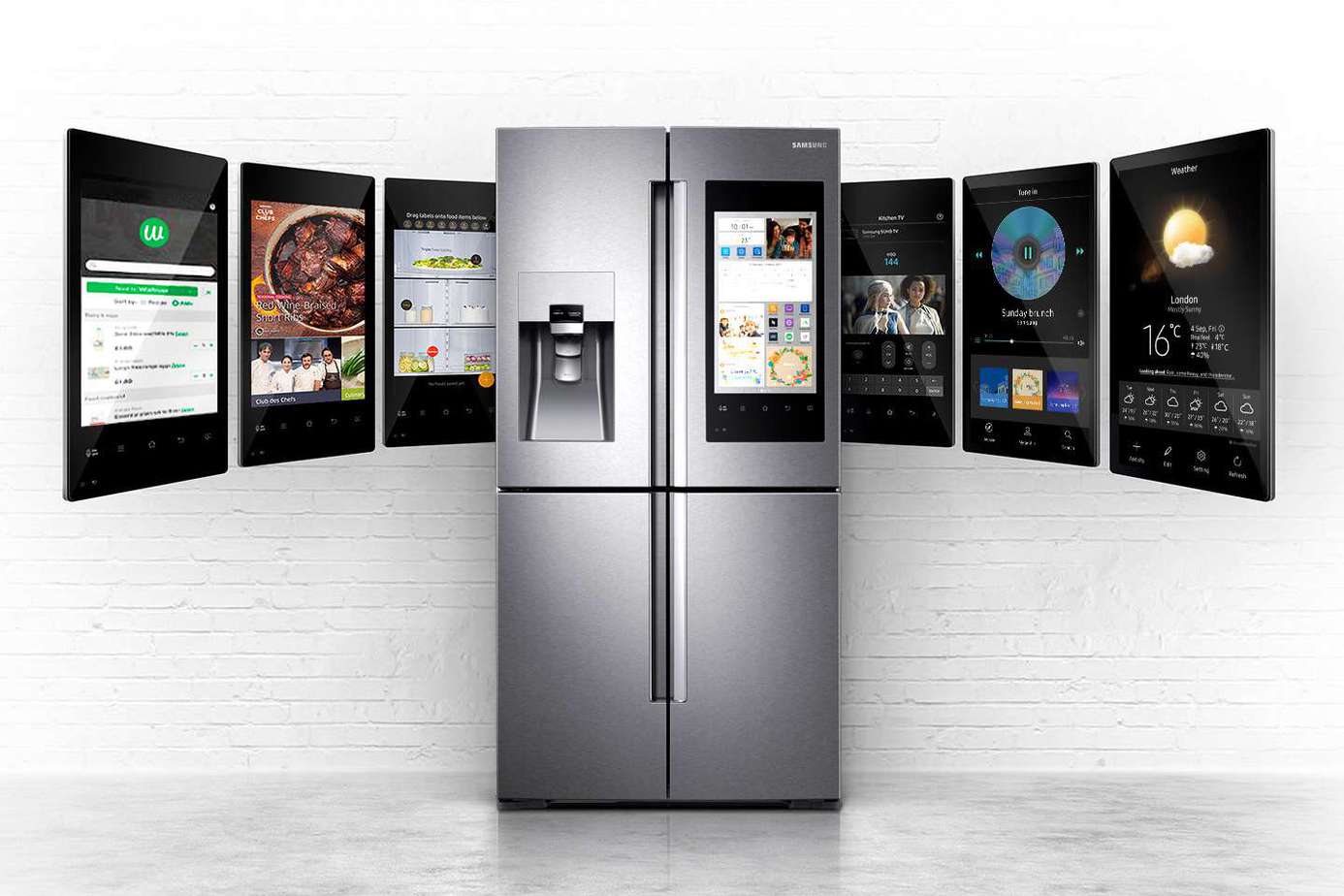
Credit: www.pcguide.com
User Experience
A smart refrigerator changes how you interact with your kitchen. It offers convenience and control beyond just cooling food. The user experience shapes how easily and effectively you use its features daily. Understanding this experience helps you decide if a smart fridge fits your lifestyle.
Learning Curve
Smart refrigerators introduce new technology that may take time to learn. The touchscreen interface and app controls require some patience. Most users find basic functions easy but advanced features need practice. Clear instructions and simple menus reduce frustration. Gradual use helps users feel confident and comfortable.
Feature Usage
Users often start with basic features like temperature control and alerts. Over time, they explore meal planning, inventory tracking, and voice commands. Not all features get used equally. Some users benefit from remote monitoring while others prefer touch screen recipes. Customizing settings enhances usefulness and satisfaction.
Accessibility
Smart refrigerators aim to be accessible for all users. Large displays and clear icons help those with vision challenges. Voice control offers hands-free operation for people with limited mobility. Mobile apps allow remote access from anywhere. These features make the fridge user-friendly and inclusive.
Offline Functionality
Smart refrigerators are designed to be connected devices, but they still work when offline. This offline functionality ensures the fridge maintains its core purpose even without internet access. It keeps food fresh and cold, just like a regular refrigerator. Some smart features may pause or limit when offline, but basic functions continue smoothly.
Basic Cooling Operations
The main job of any refrigerator is to keep food cool and fresh. A smart fridge does this without needing internet. Its compressor and cooling system run automatically. Temperature controls inside the fridge still work. This means your groceries stay safe during internet outages. The fridge’s sensors monitor internal temperature and adjust cooling as needed.
Limited Smart Features
Smart features like voice control or remote monitoring stop working offline. You cannot check the fridge’s contents from your phone. Alerts about door open or temperature changes will not send. Some models save data and sync it once internet returns. Recipes or shopping lists stored inside may be inaccessible temporarily. Offline mode keeps the fridge running but limits smart convenience.
:max_bytes(150000):strip_icc()/GettyImages-1308797840-efb71e7967844865bbda90998e4e5193.jpg)
Credit: www.lifewire.com
Frequently Asked Questions
What Is The Point Of A Smart Fridge?
A smart fridge monitors food, controls temperature, and lets you manage settings remotely. It enhances convenience and reduces waste.
What Are The Disadvantages Of A Smart Fridge?
Smart fridges have high upfront costs and expensive repairs. They depend on Wi-Fi, risking glitches and outdated software. Security and privacy concerns exist due to internet connectivity. Complex features may confuse users, and many smart functions often go unused.
Can You Watch Tv On A Smart Fridge?
Yes, some smart fridges let you watch TV via built-in screens or streaming apps. Quality varies by model.
Can A Smart Refrigerator Work Without Wi-fi?
A smart refrigerator can cool and preserve food without Wi-Fi. Smart features like remote control and updates need internet. Without Wi-Fi, it works as a regular fridge but loses connectivity-based functions.
Conclusion
Smart refrigerators offer many helpful features for daily life. They help track food, save energy, and connect to your phone. These fridges can make kitchen tasks easier and more organized. Keep in mind, they need good internet and may cost more upfront.
Repairs can be tricky due to technology inside. Still, for those who enjoy tech and convenience, smart fridges add value. They blend cooling with modern tools to fit today’s busy lifestyle. Choosing one depends on your needs and comfort with technology.
Smart refrigerators bring new ways to manage your kitchen efficiently.

Hi, I’m the lead researcher and appliance enthusiast behind RefrigeratorSolve. With years of hands-on experience troubleshooting cooling systems and testing home appliances, I am dedicated to bringing you honest reviews, energy-saving tips, and practical solutions to keep your refrigerator running perfectly.